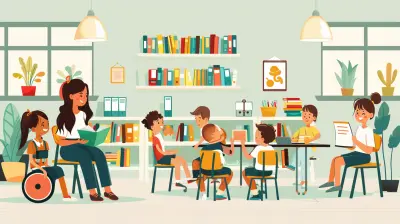
Why Lifelong Learning Will Be a Necessity by 2027
18 April 2026
We live in an era where change is the only constant. Each day, new technologies emerge, industries evolve, and job markets shift. If you've ever felt overwhelmed trying to keep up, you’re not alone! As we look toward 2027, the need for lifelong learning is no longer a choice but an absolute necessity. So, why exactly will lifelong learning be essential in just a few short years? Let’s dive into this fascinating topic together.

The Fast-Paced World of Technological Advancements
The Rise of Automation
You might have heard the buzz about artificial intelligence and automation, but let’s put it in perspective. By 2027, it’s estimated that up to 75 million jobs could be displaced by automation. Now, that sounds pretty daunting, right? But hold on! While some jobs may fade away, new roles will emerge that require a different set of skills. The key here is adaptability. If you're not continually learning, you'll find yourself left behind in the dust.The Tech-Driven Job Market
Imagine this: a software developer today is likely to use technology that didn’t even exist a decade ago. That’s how fast the tech world moves! By 2027, industries such as healthcare, finance, and education will demand specialized skills that are constantly evolving. If you think you can rest on your laurels after your degree, think again. Lifelong learning ensures you stay relevant.
The Skills Gap: A Growing Concern
Understanding the Skills Gap
Have you noticed how often job descriptions today list skills that seem like they’re pulled from a sci-fi movie? According to recent studies, many employers are struggling to find candidates who possess the necessary skills for available positions. This phenomenon is known as the “skills gap.” As industries transform, the skills required will change too. If you don't keep your skills sharp, you might find yourself on the wrong side of this gap.The Importance of Upskilling
Upskilling isn’t just a trendy buzzword; it’s your ticket to staying employable. Let’s say you’re a marketing professional. In 2027, you may need to understand data analytics, social media algorithms, and even some coding. By committing to lifelong learning, you can bridge the skills gap and maintain a competitive edge in your field.
The Importance of Adaptability
Embracing Change
Think of lifelong learning as your personal toolbox. Each new skill is like a tool that helps you navigate the unexpected challenges life throws your way. As the landscape of work changes, those who are adaptable will thrive. Being open to learning new things will make you more resilient in the face of change.The Power of a Growth Mindset
Have you ever heard of the term “growth mindset”? It’s the belief that you can develop your abilities through dedication and hard work. This mindset is crucial in a world where change is constant. When you embrace lifelong learning, you cultivate a growth mindset that allows you to tackle challenges head-on rather than shying away from them.
The Role of Lifelong Learning in Career Advancement
Building a Stronger Resume
Let's face it: in a competitive job market, a static resume won’t cut it. Employers are looking for candidates who demonstrate a commitment to professional growth. Lifelong learning is a powerful way to build a stronger resume. Each course you complete or skill you acquire adds another layer to your professional profile, making you stand out among the crowd.Networking Opportunities
Learning doesn’t happen in a vacuum. When you engage in lifelong learning, you often find yourself in classes, workshops, or seminars filled with like-minded individuals. These opportunities can lead to incredible networking connections. Who knows? Your next job opportunity could come from a fellow student or an instructor you met while pursuing your latest certification.The Impact of Lifelong Learning on Personal Development
Enhancing Cognitive Abilities
Did you know that learning new skills can actually enhance your cognitive abilities? Studies have shown that lifelong learners often experience improved memory, problem-solving skills, and overall mental agility. It’s like a workout for your brain! By committing to continuous learning, you’re not just enhancing your career prospects; you’re also investing in your mental health.Fostering Creativity
Have you ever noticed how brainstorming sessions are often more productive when diverse ideas are on the table? Lifelong learning exposes you to new perspectives and ways of thinking. This exposure fosters creativity, allowing you to approach problems with innovative solutions. By 2027, creativity will be a crucial skill in an increasingly automated world.
The Influence of Remote Work on Lifelong Learning
The Shift to Remote Work
The COVID-19 pandemic accelerated the shift to remote work, and it’s clear that this trend is here to stay. Remote work has changed how we approach learning. With online platforms and resources more accessible than ever, there’s no excuse for not continuing your education. Whether it's taking an online course or watching a webinar, lifelong learning can seamlessly fit into your remote work lifestyle.Flexibility and Accessibility
Imagine having the world’s knowledge at your fingertips! Online learning platforms have made education more flexible and accessible. You can learn at your own pace, anytime and anywhere. By 2027, it’s likely that more people will take advantage of these resources, making lifelong learning a standard practice rather than an exception.The Societal Implications of Lifelong Learning
Lifelong Learning and Economic Growth
Believe it or not, lifelong learning doesn’t just benefit individuals; it can have a massive impact on the economy. A workforce committed to continuous learning is essential for driving innovation and productivity. As companies invest in the ongoing education of their employees, the economy as a whole can flourish. So, when you think about lifelong learning, think bigger—it’s about contributing to a thriving society.Bridging Cultural Gaps
In our increasingly globalized world, cultural understanding is more important than ever. Lifelong learning can help bridge cultural gaps by promoting awareness and empathy. By learning about different cultures, languages, and perspectives, we can foster a more inclusive society. This will be especially important as workplaces become more diverse by 2027.
How to Cultivate a Lifelong Learning Habit
Set Learning Goals
If you want to make lifelong learning a habit, start with setting clear, achievable goals. What skills do you want to acquire? What areas of knowledge pique your interest? By laying out these goals, you can create a roadmap that guides your learning journey.Create a Learning Schedule
Just like you schedule your work meetings or gym sessions, carve out time in your week for learning. Whether it’s dedicating an hour every Sunday afternoon to an online course or reading a book before bed, consistency is key. You’ll be amazed at how much you can accomplish with just a little bit of time each week.Embrace Curiosity
Curiosity is the fuel for lifelong learning. Cultivate your curiosity by asking questions and seeking answers. What interests you? What skills do you think could benefit you? By nurturing a curious mindset, you’ll naturally find yourself drawn to new learning opportunities.Leverage Technology
In the digital age, technology is your best friend when it comes to learning. Use online platforms, podcasts, and video courses to expand your knowledge. There’s a wealth of resources available at your fingertips. Embrace them!Find a Learning Community
Surrounding yourself with other learners can be incredibly motivating. Join study groups, online forums, or local classes to connect with others on similar paths. Learning alongside others can keep your enthusiasm high and make the process more enjoyable.Conclusion: Lifelong Learning as a Necessity
As we edge closer to 2027, the landscape of work and society is set to change dramatically. With technology advancing at breakneck speed, the skills gap widening, and remote work becoming the norm, lifelong learning will no longer be a luxury; it will be a necessity. By committing to continuous education, you’ll not only secure your career but also enhance your personal growth and societal contributions.So, what are you waiting for? Start your lifelong learning journey today! Remember, it’s not just about staying relevant; it’s about thriving in an ever-changing world.
all images in this post were generated using AI tools
Category:
Education TrendsAuthor:
Monica O`Neal
Discussion
rate this article
2 comments
Maria Rogers
The article compellingly highlights the evolving job market and technological advancements driving lifelong learning. By 2027, adaptability will be crucial, and continuous education will empower individuals to stay relevant and competitive in their fields, fostering resilience in an uncertain future.
June 3, 2026 at 4:47 AM
Monica O`Neal
Thank you for your insights. I completely agree that adaptability and continuous education will be key for success in the future job market.
Brandon Warner
Embrace learning—it’s the key to a bright future!
April 19, 2026 at 3:43 AM
Monica O`Neal
Absolutely! Lifelong learning will open doors and keep us adaptable in a changing world.