How to Create an Inclusive Learning Environment for All Students
29 November 2025
Education should be a safe haven where every student feels welcome, respected, and empowered. But let’s be real—creating an inclusive learning environment isn’t just about ticking off a checklist. It’s about fostering a culture where diversity is celebrated, and each student thrives, regardless of their background, abilities, or learning styles.
So, how do we make that happen? Whether you're an educator, a student, or a parent, this guide will walk you through the steps to build a truly inclusive classroom. Let's dive in!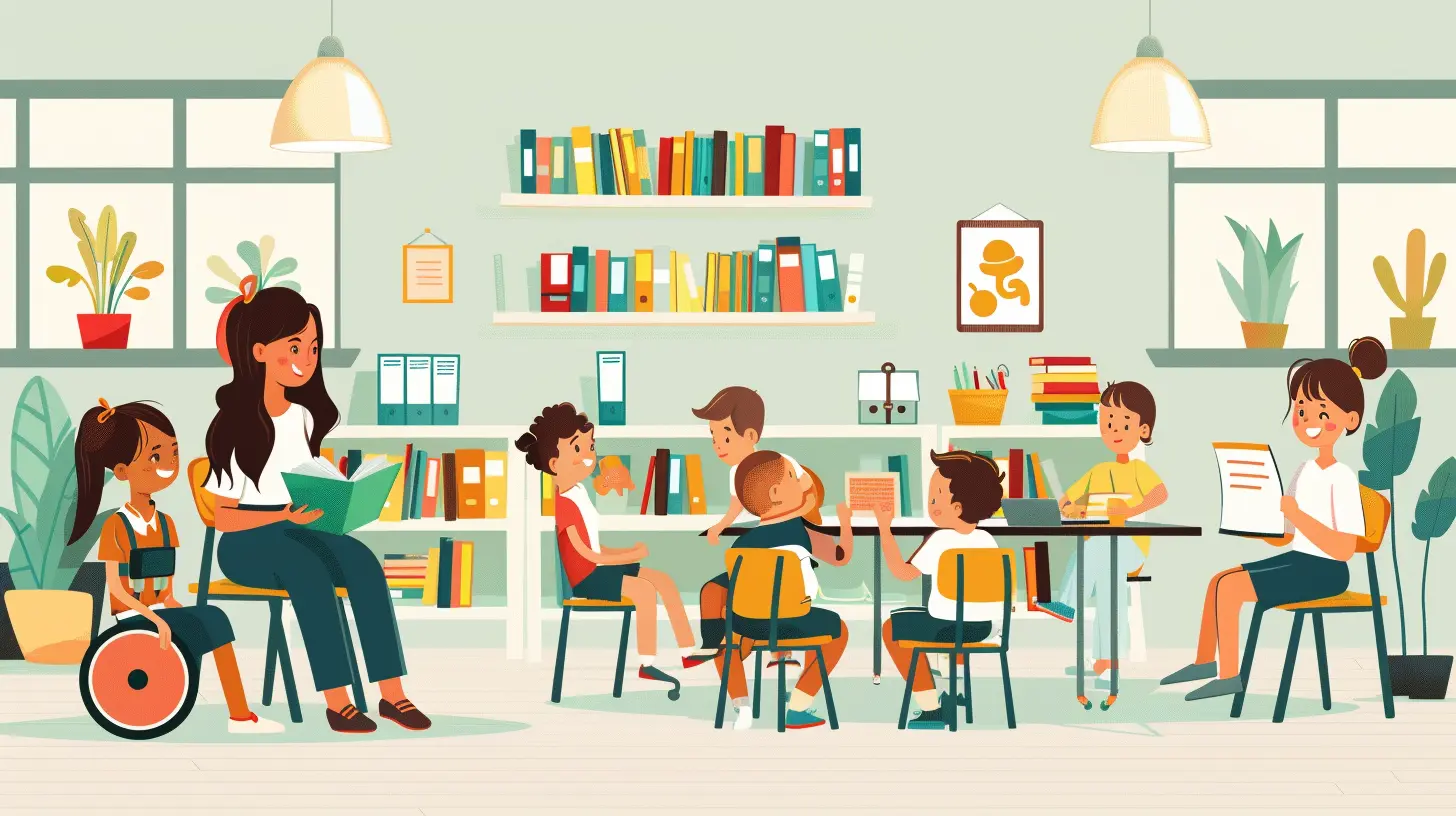
1. Understand What Inclusion Truly Means
Before we start implementing strategies, let’s clarify something: inclusion doesn’t mean treating every student the same. Instead, it’s about recognizing and respecting differences while ensuring that every learner gets the support they need.Think of it like a garden—each plant requires a different amount of sunlight, water, and care. The goal isn’t to force all plants to grow the same way but to provide the right conditions for each to flourish.
2. Foster a Culture of Respect and Belonging
No student can succeed in an environment where they feel judged or excluded. The key is to create a classroom culture rooted in respect.Tips to Make Every Student Feel Valued:
- Use Inclusive Language – Avoid terms that might marginalize certain groups and use gender-neutral pronouns when unsure.- Celebrate Diversity – Incorporate books, discussions, and activities that highlight different cultures, experiences, and abilities.
- Encourage Open Conversations – Let students express their thoughts while reinforcing the importance of empathy and listening.
When students feel safe expressing themselves, they naturally become more engaged and confident in their learning.
3. Adapt Teaching Methods for Different Learning Styles
Every student learns differently. Some absorb information through reading, while others need hands-on activities. If we stick to a one-size-fits-all teaching approach, we risk leaving many students behind.How to Accommodate Different Learning Styles:
- Visual Learners – Use charts, infographics, and videos to explain concepts.- Auditory Learners – Encourage discussions and utilize podcasts or recorded lectures.
- Kinesthetic Learners – Incorporate physical activities, experiments, or role-playing exercises.
By mixing up your teaching techniques, you ensure that no student feels left out.
4. Provide Accessible Learning Materials
Imagine trying to read a book in a language you don’t understand or watching a video without captions while being hard of hearing. Frustrating, right? That’s how some students feel when learning materials aren't accessible to them.Ways to Make Learning More Accessible:
- Use closed captions for videos.- Offer alternative text for images in digital materials.
- Provide audiobooks or text-to-speech options for students with reading difficulties.
- Ensure classrooms and online platforms are physically and digitally accessible to students with disabilities.
Small adjustments can make a huge difference in ensuring every student has an equal opportunity to learn.
5. Encourage Collaborative Learning
Working together helps students appreciate different perspectives while strengthening their social and communication skills.Ideas for Collaborative Learning:
- Pair and Group Work – Assign diverse teams to encourage mutual support and learning.- Peer Mentoring – Let students teach each other; often, they can explain things in a way that resonates better than a teacher’s lecture.
- Project-Based Learning – Let students solve real-world problems through teamwork, making learning more meaningful and inclusive.
By fostering collaboration, students learn not just from the lesson but from each other.
6. Be Mindful of Unconscious Bias
We all have biases—it’s human nature. But when left unchecked, they can negatively impact students.For example, do you subconsciously expect certain students to perform better based on gender, race, or background? Do you assume a student is struggling because of laziness rather than an undiagnosed learning challenge?
The key is awareness. Regularly reflect on your interactions and decisions to ensure you're treating all students fairly.
7. Establish Clear Anti-Discrimination Policies
A truly inclusive environment requires clear boundaries against discrimination, bullying, and exclusion.What You Can Do:
- Set firm ground rules about respect and inclusivity from Day 1.- Have an anonymous reporting system for students to share concerns.
- Take swift action against any harmful behavior, reinforcing a zero-tolerance policy for discrimination.
Students should know that their classroom is a safe space where their voices matter.
8. Incorporate Social-Emotional Learning (SEL)
Sometimes, academic struggles aren’t just about intelligence. A student’s emotional well-being plays a huge role in their ability to learn.Ways to Support Student Well-Being:
- Start each day with a mental check-in—ask how students are feeling.- Teach mindfulness and stress-management techniques.
- Encourage journaling or creative expression as a way to process emotions.
When students feel emotionally supported, they’re far more likely to stay engaged in their studies.
9. Offer Flexible Assessments
Not everyone demonstrates knowledge the same way. Traditional exams may work for some students but could be a serious disadvantage for others.Consider offering alternative assessment options, such as:
- Oral presentations for students better at speaking than writing.
- Creative projects for those who express themselves best through art or storytelling.
- Open-book or take-home exams to reduce test anxiety.
Giving students multiple ways to showcase their learning ensures fairness.
10. Continuously Seek Feedback and Improve
Inclusion isn’t a one-time fix—it’s an ongoing process. And who better to guide improvements than the students themselves?Ways to Gather Feedback:
- Conduct anonymous surveys to understand student experiences.- Hold classroom discussions on what’s working and what’s not.
- Encourage an open-door policy where students feel comfortable sharing concerns.
Being open to change ensures that your learning environment remains dynamic and supportive.
Final Thoughts
Creating an inclusive learning environment doesn’t happen overnight, but every small step counts. It’s about fostering a space where every student, regardless of background or abilities, feels empowered to learn and grow.So, whether you’re an educator striving to make your classroom more welcoming or a student advocating for a better learning space, remember this: inclusion isn’t about perfection—it’s about progress. Keep moving forward, and you’ll make a world of difference!
all images in this post were generated using AI tools
Category:
Special EducationAuthor:
Monica O`Neal
Discussion
rate this article
2 comments
Lexi Kirkland
Inclusion isn’t optional; it’s essential. Let’s dismantle barriers, challenge norms, and ensure every student feels valued and empowered to thrive.
December 21, 2025 at 1:54 PM
Monica O`Neal
Absolutely! Inclusion is fundamental to fostering a thriving learning environment. Together, we can break down barriers and empower every student to succeed.
Marie Pace
Creating an inclusive learning environment requires understanding diverse needs, fostering open communication, and implementing adaptable teaching strategies. Prioritizing equity and accessibility ensures all students feel valued and empowered to engage fully in the learning process.
December 1, 2025 at 11:28 AM
Monica O`Neal
Thank you for your insightful comment! Emphasizing understanding, communication, and adaptability is key to fostering an inclusive learning environment. Your points highlight the importance of equity and accessibility in empowering all students.