Mastering the Basics of Digital Citizenship
7 October 2026
Ah, digital citizenship—a fancy way of saying "how not to be a total menace on the internet." The online world is like the wild west, except instead of cowboys and saloons, we have trolls and social media influencers. And just like in the real world, you need to know the do’s and don’ts of being a responsible digital citizen.
So, saddle up, fellow internet traveler! We're diving deep into what it means to be a good digital citizen, why it matters, and how you can avoid becoming the online version of "that guy." 
What Is Digital Citizenship, Anyway?
Digital citizenship is basically your online reputation score—except you don't get points (or do you?). It’s about using technology responsibly, ethically, and—dare I say—intelligently. Whether you're scrolling through TikTok, typing out a heated Reddit response, or cyberstalking your high school crush on LinkedIn (don’t pretend you haven't), you're engaging in digital citizenship.But here’s the deal: Not all digital citizens are created equal. Some are model internet users, while others are… well, let’s just say they belong in the "blocked users" section. 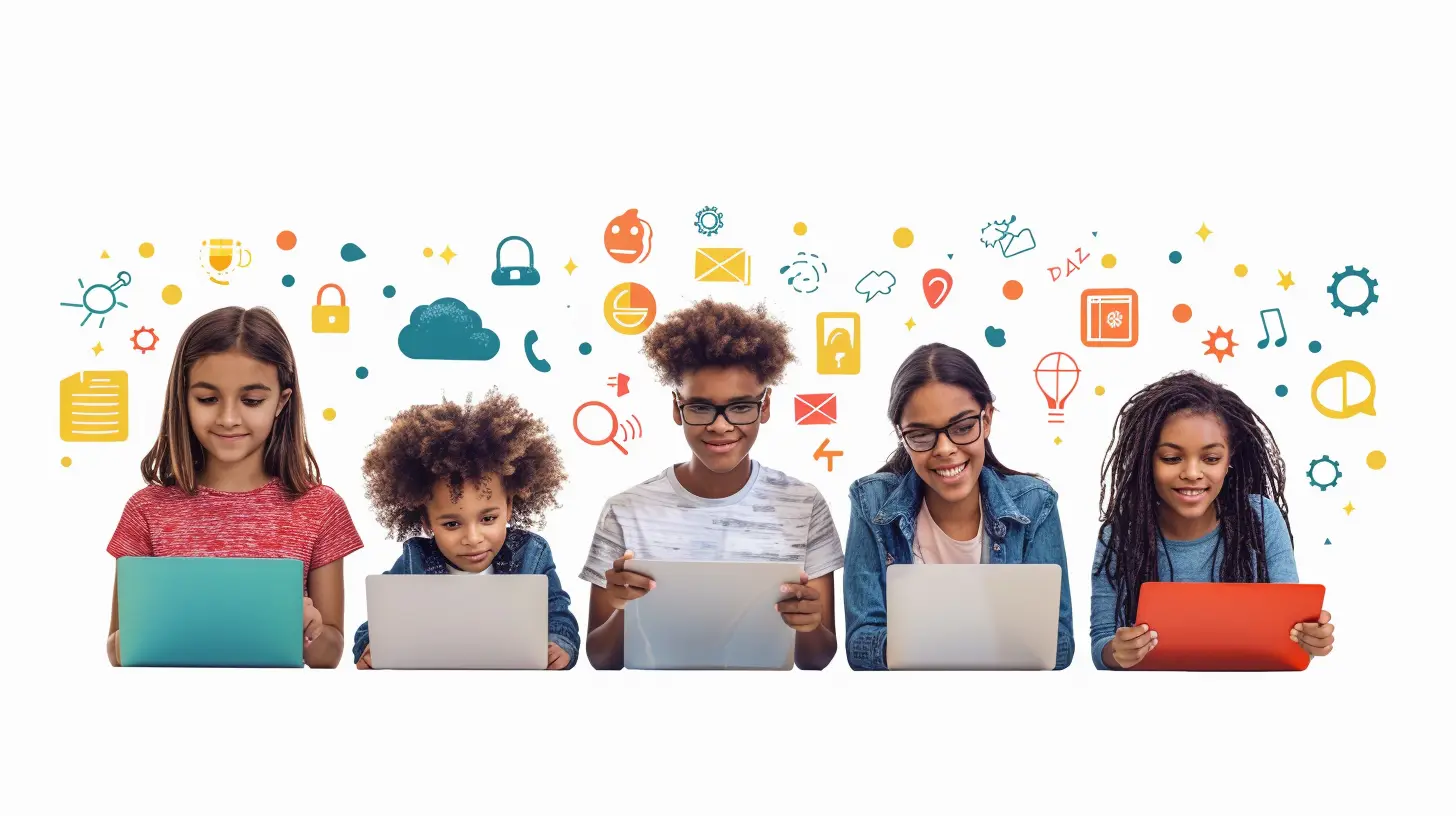
Why Should You Care About Digital Citizenship?
You might be thinking, "Why does this even matter? I'm just here for cat memes and unnecessary Amazon purchases." Fair point. But here’s the harsh reality:- Your online actions have real-world consequences (yes, even that embarrassing tweet from 2012).
- Colleges and employers are watching—because apparently, judging people based on their digital history is the new background check.
- Cyberbullying, misinformation, and online scams exist—and if you’re not careful, you might just be the next victim (or worse, the unintentional perpetrator).
In short, being a responsible digital citizen isn't just about protecting others—it's about protecting yourself from becoming an internet horror story. 
Pillars of Digital Citizenship (Or, How to Not Be a Digital Disaster)
Now that we’ve established why digital citizenship is important, let’s talk about the core principles. These are the golden rules that separate the decent online folks from the ones who get permanently banned.1. Think Before You Type (Or Post, Or Share...)
Sure, that tweet roasting your ex might feel satisfying now, but will it be as funny when future-you is trying to land a job? The internet never forgets, my friend. Before you hit that "Post" button, ask yourself:- Will this embarrass me in five years?
- Would I say this to someone’s face?
- Is this adding anything valuable to the conversation?
If the answer to any of these is "probably not," then congrats—you just dodged a future PR nightmare.
2. Privacy Settings Are Your Best Friend
If your social media accounts are wide open, you might as well post your Social Security number while you're at it. Strangers don’t need to see your embarrassing middle school selfies or your current location. Here’s a quick checklist:✅ Lock down those privacy settings
✅ Be mindful of what personal info you're sharing
✅ Say no to sketchy-looking friend requests (Sorry, "John Smith," but I don’t believe you just moved to my city and want to be besties)
3. Be Nice (Seriously, It’s Not That Hard)
Look, not everything needs to turn into a comment war. If you wouldn’t say it to someone's face, why would you type it online? Cyberbullying isn’t just a buzzword—it has real effects on real people.Instead of being "that person" on the internet, try:
- Complimenting someone’s post instead of roasting them for no reason
- Engaging in respectful debates instead of keyboard-smashing insults
- Remembering that behind every profile picture is a human being (unless, of course, it’s a bot—but still, be polite)
4. Fact-Check Before You Share That "Breaking News"
Ah yes, the internet—the greatest source of information and misinformation, all in one place. If you believe everything you read online, you probably think the Earth is flat and that aliens run the government.Before you share that questionable Facebook post about "why vaccines are a government mind-control scheme," ask yourself:
- Does this come from a credible source?
- Does it sound too crazy to be true? (Spoiler: It probably is.)
- Have I fact-checked this with multiple sources?
Congratulations, you’ve just avoided spreading misinformation—and possibly embarrassing yourself in the process.
5. Respect Copyright and Give Credit Where It's Due
I hate to break it to you, but stealing someone’s meme and reposting it without credit doesn’t make you a content creator—it makes you a digital thief. The same goes for using images, articles, or music without permission.Here’s what you should do instead:
- Always credit the original source
- Use royalty-free images and music (there are plenty out there)
- If you didn’t make it, don’t pretend you did
Trust me, the internet has a way of exposing frauds, and you'd rather not be at the receiving end of that drama.
6. Protect Yourself from Scammers (Yes, That Nigerian Prince Is 100% Fake)
Believe it or not, not everyone on the internet has good intentions. Scammers, hackers, and catfishers are lurking, just waiting for someone to fall for their tricks. Don't be that someone.To stay safe:
- Don't click on sketchy links (If an email says you won a million dollars, newsflash—you didn’t.)
- Use strong passwords (No, "password123" is NOT strong.)
- Enable two-factor authentication wherever possible
And most importantly: If something seems too good to be true, it probably is. 
Digital Citizenship in the Real World
You might be thinking, "Okay, cool, I know how to behave online—why does this matter IRL?" Glad you asked! Digital citizenship isn’t just about your online life—it affects your real life, too.Imagine this: You applied for your dream job, and the employer does a quick internet search. What do they find? An impressive LinkedIn profile… or a Twitter account where you spent years ranting about how much you hate Mondays?
Or maybe you're a student applying to college. Admissions officers are checking social media now (yikes), and that one questionable Instagram post could cost you a scholarship.
Long story short: How you behave online follows you offline. Don't let your digital footprint stomp all over your future.
Final Thoughts
Mastering digital citizenship isn't rocket science—it’s mostly just common sense. Be kind, think before you post, protect your information, and don’t fall for online scams (seriously, that "Prince from Nigeria" is not real).The internet is an amazing place full of knowledge, memes, and endless entertainment. But like any tool, it’s all about how you use it. So, use your digital powers for good, not evil—and maybe, just maybe, you’ll avoid becoming a cautionary tale for future generations.
Now, go forth and be the responsible internet user the world needs! (Or at least, try not to embarrass yourself too much.
all images in this post were generated using AI tools
Category:
Digital LiteracyAuthor:

Monica O`Neal