The Role of Technology in Enhancing Bilingual Education
9 February 2026
Bilingual education has always had a special place in our ever-evolving, globally connected world. As more families grow up speaking more than one language and more schools recognize the importance of multilingualism, the demand for effective bilingual education grows. But here’s the thing—teaching in two languages is no small feat. It’s challenging for students and teachers alike. That’s where technology steps in like a helpful friend.
In today’s article, let’s dive into the world of bilingual education and see how technology isn’t just supporting it—it’s transforming it. Grab a cup of coffee (or tea!), and let’s talk about the awesome role tech plays in helping students navigate two worlds with confidence, fluency, and joy.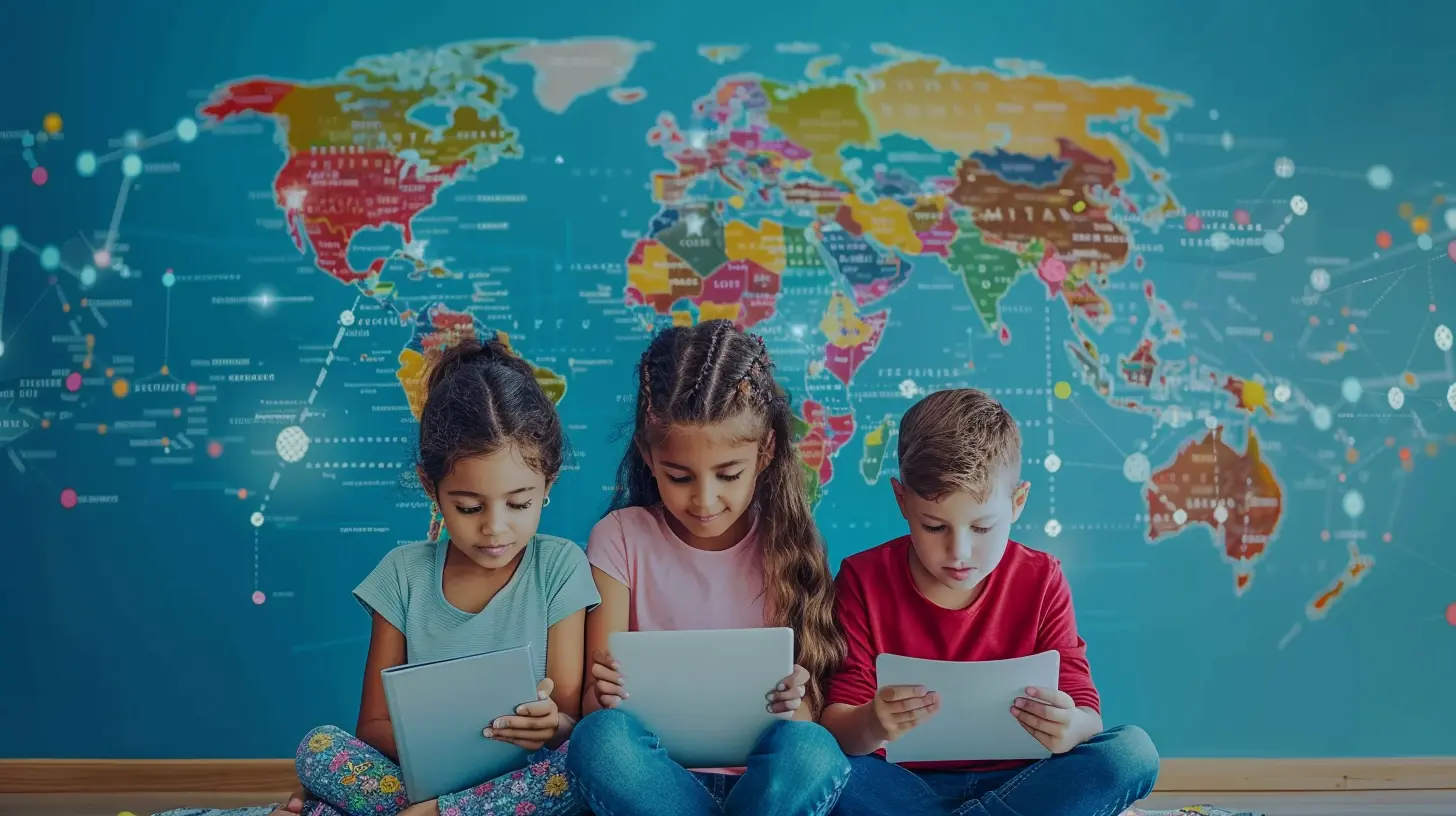
Why Bilingual Education Matters More Than Ever
First off, why is bilingual education such a big deal?Well, speaking more than one language doesn’t just help you order food in Paris or watch K-dramas without subtitles. It actually boosts brain power. Studies show that bilingual individuals often have better problem-solving skills, stronger memory, and even delayed onset of cognitive decline.
Now combine that with the increasing cultural diversity in classrooms and workplaces—you get a practical need for people to speak more than one language fluently.
But here’s the catch: Teaching students in two languages while keeping them academically up to speed? It’s tough. And that’s where technology becomes more than a tool—it becomes a game-changer.
The Digital Classroom: Breaking Barriers and Building Bridges
Gone are the days when learning a new language meant endless grammar drills from a dusty textbook. Today’s bilingual classrooms are vibrant ecosystems filled with digital storytelling, language apps, and interactive games. And the beauty of it all? This tech makes learning personal, engaging, and super effective.Let’s break it down.
1. Language Learning Apps: The Pocket-Sized Tutors
Remember when Duolingo hit the scene? Everyone suddenly wanted to "level up" their Spanish or French. That’s the magic of language learning apps. They’re convenient, addictive in a good way, and support bilingual education inside and outside the classroom.Apps like Duolingo, Babbel, Rosetta Stone, and Memrise offer bite-sized lessons that reinforce vocabulary, pronunciation, and grammar. They use gamification—points, streaks, badges—to keep learners motivated. It's like learning your second language while playing a game. Who wouldn’t love that?
And for younger students? Apps like Endless Spanish or Gus on the Go are tailor-made for fun, interactive learning.
The best part? These apps adapt to the learner's level, giving personalized exercises based on progress. That means every student moves at their own pace—something traditional classrooms struggle with.
2. Interactive Whiteboards and Smart Displays: Visual Learning FTW
Let’s be honest—chalkboards are kind of nostalgic, but they’re not exactly dynamic. Enter smartboards and interactive displays.These tools help bilingual educators create more visual, kinesthetic, and immersive lessons. For example, a teacher can pull up a storybook in Spanish, annotate it live, invite students to interact with the screen, and even switch to an English version seamlessly. This kind of instant toggling helps students build associations between languages—kind of like building a bridge between two worlds.
And guess what? Visual aids like pictures, videos, and infographics make language acquisition faster and more natural. After all, we all learn better when we can see and interact, not just listen passively.
3. Speech Recognition and AI Tools: Practicing Pronunciation Like a Pro
One major challenge in bilingual education? Speaking and pronunciation. It’s scary to speak up in front of everyone when you’re learning. That fear can slow a student’s growth.Luckily, AI-powered speech recognition tools like Google's Read Along or Microsoft's Immersive Reader are changing the game. These tools let students practice pronunciation without judgment. They offer real-time feedback on how well a student is speaking, highlighting mispronounced words and even demonstrating the correct pronunciation.
It’s like having a patient tutor with you all the time. These tools build confidence and help kids fine-tune their accents and intonations in a safe space.
4. Translation Tools and Subtitles: Not Cheating—Supporting
You might’ve heard people say, "Don't use Google Translate—it’s cheating!" But here’s the reality: translation tools, when used wisely, are actually powerful supports in bilingual education.Google Translate, DeepL, and other AI translation tools are becoming more accurate and nuanced by the day. In a bilingual classroom, they can help students understand new concepts without feeling stuck. They can also allow parents who don't speak the school's primary language to stay involved in their child’s education.
And don’t forget subtitles! Watching educational videos with dual-language subtitles reinforces vocabulary and grammar structure in real time. It’s passive learning that doesn’t feel like learning. Like Netflix with benefits.
5. Digital Storytelling and Multimedia Projects
Storytelling is one of the oldest (and most effective) ways to teach language. Now throw in some tech, and you’ve got a recipe for magic.Students can now create their own bilingual digital stories using platforms like Book Creator, Storybird, or Adobe Spark. These tools allow them to write, record, draw, and narrate their own stories in both languages. It not only boosts their language skills but also their creativity.
Think about a student writing a story in English, then translating it to Spanish, recording both versions, and adding photos and music. That project hits reading, writing, listening, and speaking—all in one go. Pretty awesome, right?
6. Collaboration Platforms: One World, One Classroom
Tech breaks down physical barriers. Students in a bilingual class in New York can now collaborate with students in Bogotá or Beijing. Tools like Zoom, Padlet, and Flipgrid offer real-time communication and video sharing that make these exchanges smooth and personal.These cross-cultural projects help students see the real-world value of bilingualism. Suddenly, language isn’t just a school subject—it’s a superpower that connects them to peers around the globe.
And teachers? They get to share lesson plans, resources, tips, and even live classes with fellow educators. It's like being part of a global teaching team.
7. Personalized Learning Platforms: One Size Doesn’t Fit All
One of the biggest wins of technology in bilingual education is personalization. Let’s face it—every student learns differently. Some are visual learners, others are audio-focused. Some pick up grammar fast, while others need more practice with vocabulary.Platforms like Khan Academy, IXL, and Edmodo allow teachers to tailor assignments based on each student's level and progress. They can offer instructions in multiple languages, track how well students are doing, and adjust lessons accordingly.
It’s like giving every student their own custom-sized backpack for their learning journey—no one’s left behind, and no one’s overwhelmed.
8. Virtual Reality and Augmented Reality: Immersion Without a Passport
Now we’re getting fancy. Virtual reality (VR) and augmented reality (AR) are stepping into the education space with crazy potential.Imagine this: You put on a VR headset and suddenly you’re walking through a market in Mexico City or attending a science class in Paris—all in the target language. You hear native speakers, see cultural nuances, and absorb the language in real-life contexts.
Platforms like Nearpod VR or Mondly VR allow students to experience language immersion from their own classrooms. It’s like teleporting without leaving your desk.
That kind of immersion used to require expensive field trips or exchange programs. Now, it’s accessible, safe, and scalable.
The Role of Teachers: More Important Than Ever
You might be wondering, “With all this tech, are teachers being replaced?” Heck no!In fact, technology makes teachers even more essential. Why? Because while tech can deliver content, it can’t offer empathy, real-time mentoring, or cultural context like a teacher can.
Think of technology as the tools, and teachers as the craftsmen. You need both to build something beautiful.
Teachers curate the best tech tools, adapt them to their students’ unique lives, and guide them through challenges. They’re the heart of bilingual education. Tech just gives them superpowers.
The Challenges to Watch Out For
Okay, let's be real—tech isn’t perfect.Not all students have access to devices or high-speed internet. Some schools don’t have the budget for the latest tools. There’s also the learning curve for both students and teachers when using new platforms.
That’s why any tech integration in bilingual education must consider equity, training, and support. It’s not just about having the flashiest tools—it’s about using them wisely and with heart.
Final Thoughts: A Better Future with Tech & Language Side by Side
We live in exciting times. Technology is transforming bilingual education in ways we never thought possible. It’s making learning more personalized, interactive, and connected. It’s bridging cultural gaps and unlocking potential.But at the end of the day, it’s not just about apps or screens—it’s about human connection. It’s about helping children feel confident expressing themselves in more than one language. It’s about empowering teachers. It’s about making the world just a little bit smaller, one word at a time.
So whether you’re a parent cheering on your bilingual child, a teacher exploring new tech tools, or a student navigating two languages—you’re part of something powerful. And with the help of technology, the future of bilingual education looks brighter than ever.
all images in this post were generated using AI tools
Category:
Bilingual EducationAuthor:

Monica O`Neal
Discussion
rate this article
2 comments
John McLain
Technology transcends linguistic barriers, fostering immersive bilingual experiences. Its integration in education not only enhances language proficiency but also cultivates cultural empathy in diverse classrooms.
March 14, 2026 at 12:48 PM
Monica O`Neal
I appreciate your insights. Technology truly opens up new avenues for language learning and cultural understanding, making education more inclusive and engaging.
Jett Warren
This article presents valuable insights into how technology can transform bilingual education. By integrating digital tools, we can create more engaging and interactive learning experiences for students, ultimately fostering better language acquisition and promoting cultural understanding. Thank you for sharing!
February 9, 2026 at 3:35 AM
Monica O`Neal
Thank you for your insightful comment! I'm glad you found the article valuable in highlighting the potential of technology in bilingual education.