Why Growth Mindset is the Key to Lifelong Learning
26 January 2026
Ever wondered why some people seem to absorb knowledge like a sponge while others struggle to grow? The secret isn’t in their IQ but in their mindset! A growth mindset can be the difference between lifelong learning and lifelong frustration.
If you've ever thought, "I'm just not good at this," or "I’ll never be able to learn that,"—well, my friend, you might be stuck in a fixed mindset. But don’t worry! This article is here to open your eyes to the magic of believing in progress.

What is a Growth Mindset?
Let’s break it down. A growth mindset, a term popularized by psychologist Carol Dweck, is the belief that intelligence, abilities, and skills can be developed through effort, learning, and perseverance. In contrast, a fixed mindset is the belief that intelligence and talents are static—you either have them, or you don’t.Imagine two students tackling a tough math problem. One throws their hands up in frustration and says, "I’m terrible at math!" (fixed mindset). The other says, "This is hard, but if I keep practicing, I’ll get better!" (growth mindset). Guess which one will eventually master the subject?
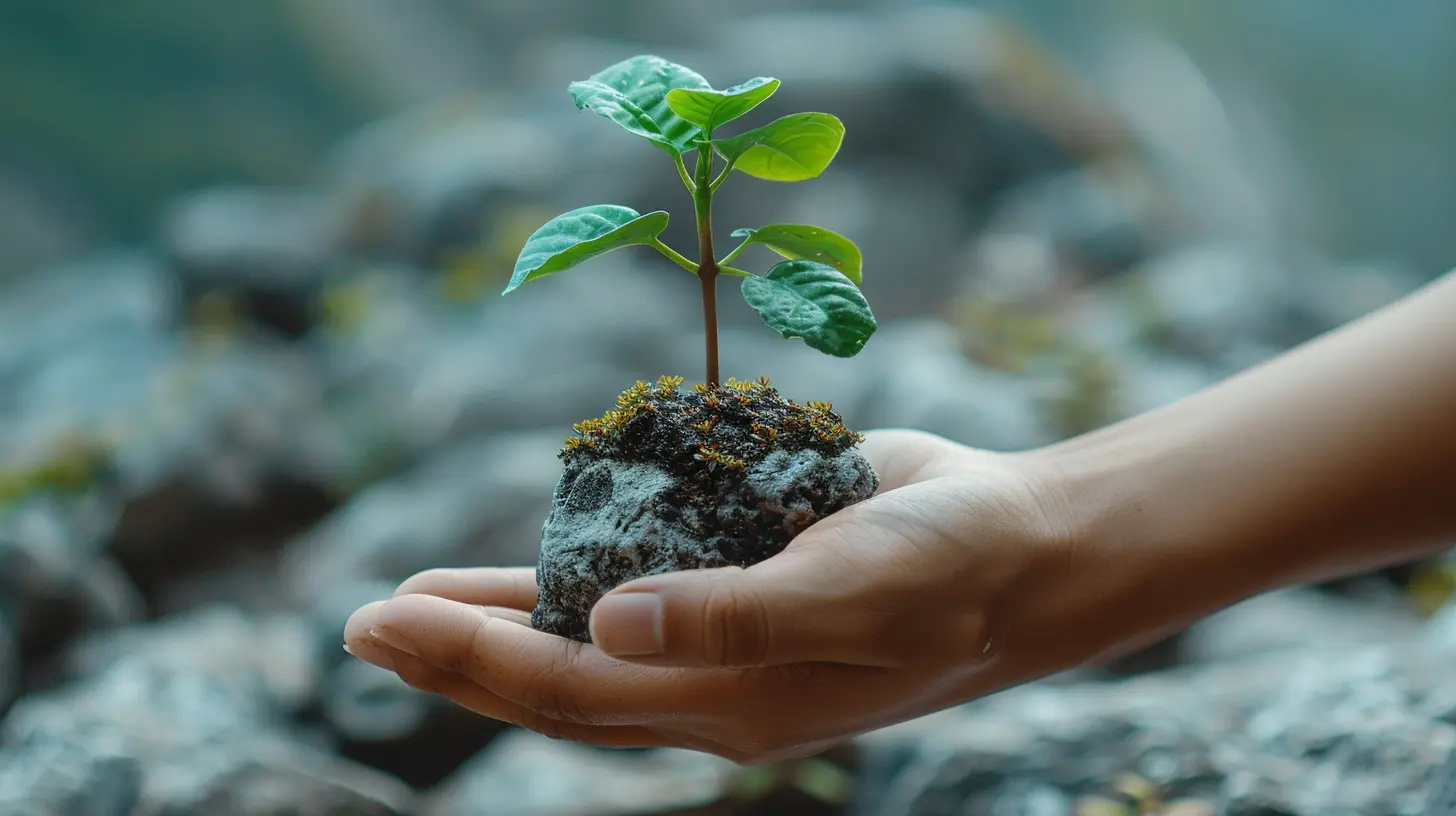
Why Does a Growth Mindset Matter?
A growth mindset isn't just a feel-good concept—it literally reshapes how we approach challenges, failures, and successes. Here’s why it’s the key to lifelong learning:1. It Turns Failure into a Learning Opportunity
Picture this: You try something new—say, learning to play the guitar—and it sounds like a cat fighting a vacuum cleaner. A fixed mindset might make you quit, thinking, "I’m just not musical."But a growth mindset? It nudges you to see the struggle as part of the process. Mistakes aren’t roadblocks; they’re stepping stones. Every embarrassing note takes you closer to playing like a pro.
2. It Encourages Curiosity and Adaptability
Ever met someone who's stuck in their ways? They resist change, avoid challenges, and prefer staying in their comfort zone. That’s the fixed mindset talking.A growth mindset, on the other hand, thrives on curiosity. It pushes you to ask "What if?" and "How can I improve?"—making learning a lifelong habit rather than a chore.
3. It Builds Resilience and Perseverance
Life isn’t a straight path; it’s a winding road filled with potholes, confusing detours, and the occasional traffic jam. If you believe your abilities are fixed, every setback feels like proof that you’re not good enough.But with a growth mindset, setbacks are just temporary obstacles, not dead-ends. You don’t see failure as a signal to quit; you see it as part of the journey.
4. It Improves Motivation and Self-Confidence
Think about the last time you avoided trying something because you feared you'd fail. That’s the fixed mindset whispering "Why bother?"A growth mindset fuels motivation. When you believe you can improve, you’re more likely to put in the effort. The result? More confidence, more achievements, and more "Wow, I actually did that!" moments.

The Science Behind Growth Mindset
This isn’t just a motivational pep talk—science backs it up! Studies have shown that when people embrace a growth mindset, their brains literally rewire themselves to create stronger neural connections.Neuroplasticity (a fancy word for your brain’s ability to change and grow) proves that intelligence isn’t set in stone. Your brain loves learning, and the more you challenge it, the sharper it gets.
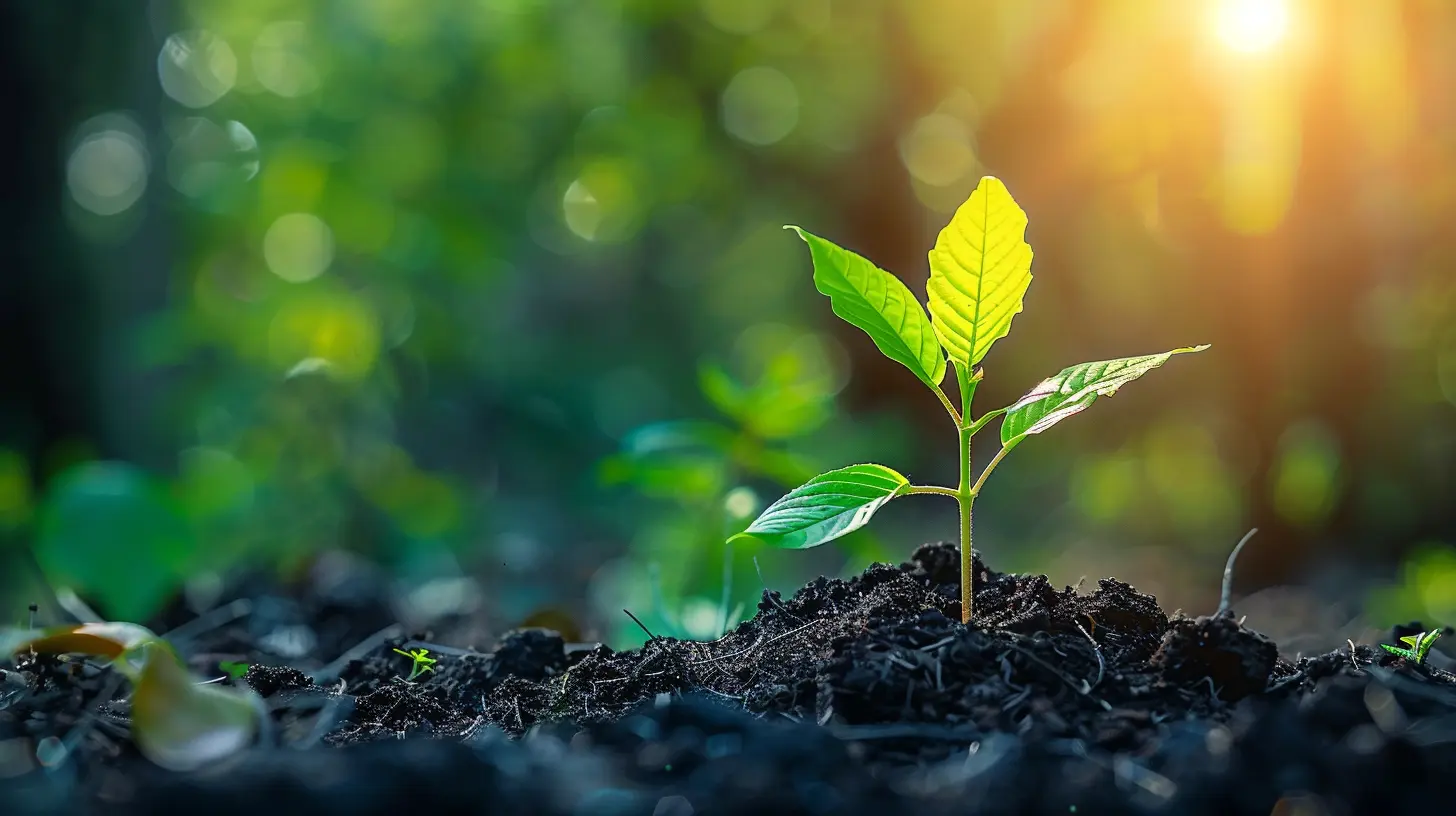
How to Develop a Growth Mindset
Okay, so we’ve established that a growth mindset is awesome. Now what? If you’re stuck in a fixed mindset, how do you switch gears? Here are some practical steps:1. Embrace the Power of "Yet"
Instead of saying, "I can’t do this," try, "I can’t do this yet." That tiny word makes a huge difference—it shifts your thinking from impossibility to potential.2. Reframe Challenges as Opportunities
The next time you face a tough situation, ask yourself:"What can I learn from this?"
Instead of seeing challenges as threats, view them as exciting chances to grow.
3. Stop Seeking Approval, Start Seeking Improvement
If you always look for validation, you’ll avoid anything that makes you struggle. Growth comes from pushing boundaries, not from staying in your comfort zone.4. Learn from Criticism (Even When It Stings)
Nobody enjoys criticism, but feedback is gold when you have a growth mindset. Instead of getting defensive, ask: "How can I improve?"5. Surround Yourself with Growth-Oriented People
Mindsets are contagious. If you hang out with people who believe in progress and hard work, you’ll start developing those habits too.6. Celebrate Effort, Not Just Results
Instead of focusing solely on success, celebrate the effort behind it. Whether you win or lose, if you gave it your all, that’s progress!Growth Mindset in Different Areas of Life
A growth mindset doesn’t just apply to academics or careers. It influences every aspect of your life.🌱 In Education
Students with a growth mindset perform better and handle failure more effectively. Instead of dreading mistakes, they see them as part of learning.💼 In Careers
Ever notice that the most successful people don’t stop learning? They embrace failure, adapt to changes, and continuously develop new skills.🏆 In Personal Development
Personal growth is all about stepping outside your comfort zone. Whether it’s learning a new language, picking up a hobby, or becoming more resilient—it's all fueled by a growth mindset.❤️ In Relationships
Even relationships benefit from growth mindsets! Instead of thinking, "I’ll never be good at communicating," you can say, "I can improve my communication skills with effort."
Final Thoughts
Lifelong learning isn’t about being the smartest person in the room. It’s about believing that you can grow, adapt, and improve—no matter where you start. The difference between those who keep learning and those who remain stuck isn’t talent or luck—it’s mindset.So the next time you struggle with something new, remember: You’re not failing—you’re learning. Keep going, keep growing, and keep believing in the power of yet!
all images in this post were generated using AI tools
Category:
Growth MindsetAuthor:

Monica O`Neal
Discussion
rate this article
2 comments
Roxie Hardy
Absolutely loved this article! 🌟 Embracing a growth mindset opens endless doors to learning and personal development. It’s inspiring to see how a positive attitude can transform challenges into opportunities. Keep shining your light!✨📚
March 9, 2026 at 4:43 AM
Monica O`Neal
Thank you so much for your kind words! I'm thrilled to hear that the article resonated with you. Embracing a growth mindset truly does unlock amazing opportunities! 🌟✨
Elowen Alvarez
Growth mindset: because who wants to stay stuck in the 'I know it all' zone?
January 26, 2026 at 5:23 AM
Monica O`Neal
Absolutely! Embracing a growth mindset opens doors to continuous learning and personal development, while a fixed mindset limits potential.