Unpacking the Role of Algorithms in Shaping Online Experiences
15 July 2026
Let’s take a moment to think about your last few hours online—maybe you caught a YouTube video that felt eerily perfect, scrolled through a social media feed that knew your sense of humor a bit too well, or found yourself buying something Amazon “recommended” just for you. Want to know what's behind all that? Algorithms.
Now, before your eyes glaze over at the word “algorithm,” hang in there. We're not diving into cryptic math formulas or mind-numbing coding stuff. Instead, we're digging into how these invisible digital puppeteers quietly dictate much of what we see, click, love, and even believe online.
Ready to see just how deep the rabbit hole goes? Let’s break it down.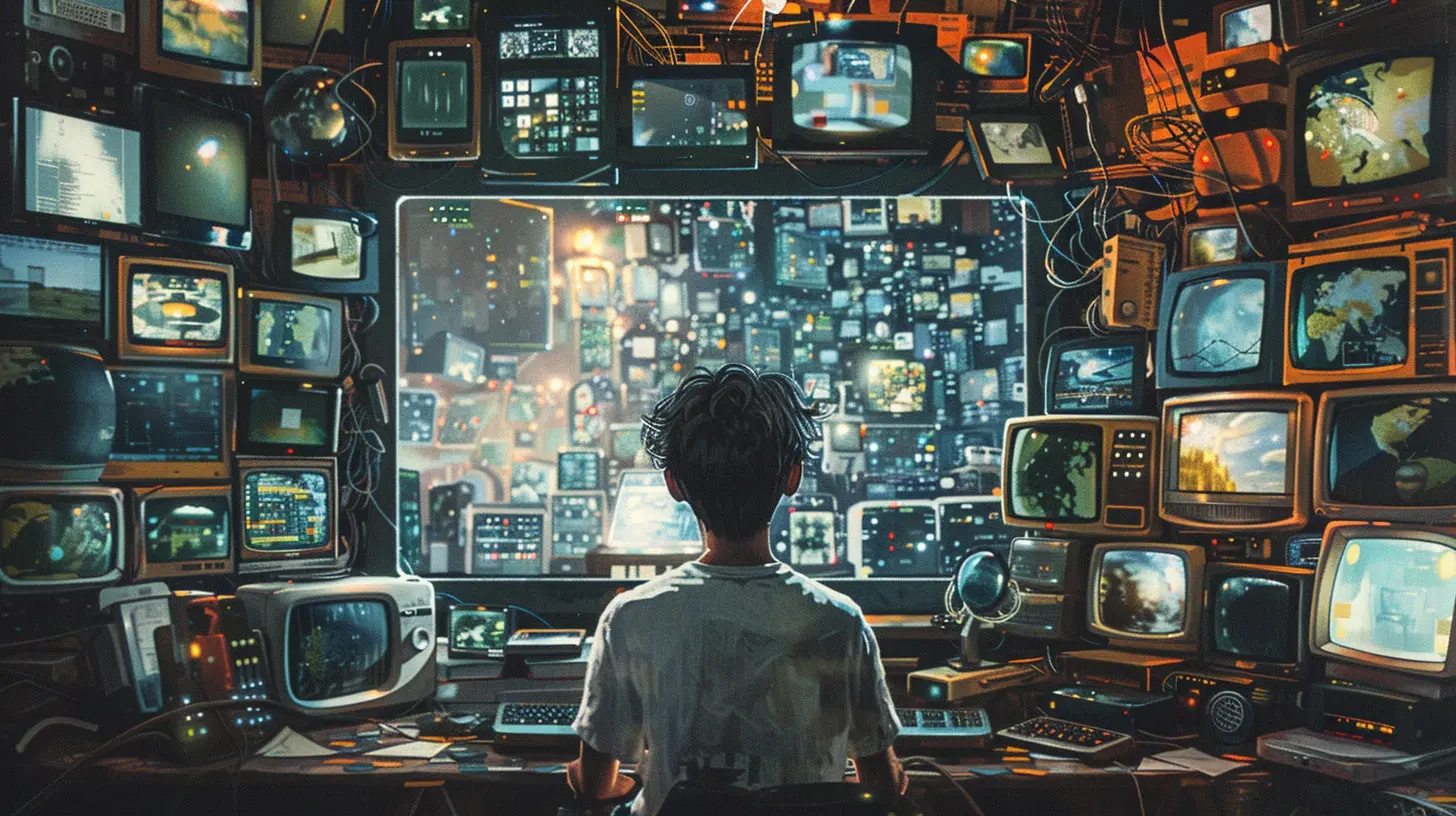
What Exactly Is an Algorithm?
So, let’s start super simple. An algorithm is basically a set of rules or instructions a computer follows to solve a problem or complete a task. Think of it like a recipe for your favorite dish—it tells the system what ingredients to use, in what order, and how long to cook everything.In the context of our online activities, algorithms help platforms decide what content to show you. They analyze your behavior—what you click on, how long you watch a video, what posts you like—and then use that data to guess what you’ll probably want to see next. It’s like a digital genie, only instead of three wishes, you get an endless scroll of tailored content.
The Invisible Hand Behind Your Screen
The internet is vast—like, mind-blowingly vast. We're talking billions of websites, trillions of pieces of content. So, how do platforms help you find what you’re looking for without making you swim through the entire digital ocean?You guessed it: algorithms.
Search engines like Google, recommendation systems on Netflix, Instagram’s Explore page, TikTok’s "For You" feed—they all rely on algorithms to curate your experience. These systems are designed to prioritize relevance, engagement, and personalization. That’s why no two users will ever have the exact same online experience.
Why Do Algorithms Matter So Much?
At the heart of it, algorithms are all about efficiency. They help platforms serve you the "right" content faster—whether that's a life hack video, breaking news, or that oddly satisfying slime-making tutorial.But it goes deeper than convenience. Algorithms affect:
- What news you read
- What products you buy
- What friends or creators you engage with
- Your entertainment choices
- Even your opinions and worldview
They don’t just influence our decisions—they often make them. That’s a powerful position for a bunch of code, don’t you think?
Personalization: Tailored For You… Or Is It?
One of the biggest roles algorithms play is personalizing your online experience. If you’ve ever thought, “Wow, how did they know I was into this?”—you’re experiencing algorithmic personalization.Each click, search, swipe, or pause tells the algorithm a little more about you. Over time, it builds a digital profile and makes increasingly accurate predictions about your preferences. This is great for getting more of what you like—but also kind of creepy, right?
The issue? It can trap you in what’s known as an echo chamber—a space where you’re only exposed to ideas, opinions, and content that reinforce your existing beliefs. That’s not great for growth, learning, or critical thinking.
The Dark Side of Algorithmic Influence
Now that we’ve covered the good stuff, it’s only fair to look at the not-so-glam side of algorithms.1. Filter Bubbles
This one’s a biggie. Filter bubbles occur when algorithms limit your exposure to diverse perspectives by only showing you content similar to what you've already interacted with. You start living in a digital bubble without realizing how much of the world you're missing out on.Think of it like living in a town where every billboard, radio station, and newspaper agrees with your views. Sounds nice for your ego—not so much for your understanding of the world.
2. Misinformation Spreads Faster
Algorithms love engagement. The more clicks, likes, and shares a post gets, the more it gets pushed to others. Unfortunately, that means sensationalist or false information (which gets people fired up and clicking) often outpaces the boring ol’ truth.This is a major issue when it comes to public health, politics, and social movements. A juicy but incorrect conspiracy theory can go viral way faster than a well-researched, factual article.
3. Mental Health Impacts
Ever felt worse after an hour on social media? That’s not just your imagination. Algorithms optimize for attention, not well-being. They feed you emotionally charged content—whether it's outrage, envy, or fear—because strong emotions mean longer screen time.So yeah, doomscrolling? That’s not entirely your fault.
How Do Social Media Algorithms Work?
While every platform has its own secret sauce, they generally follow a similar pattern.Let’s decode it:
- Data Collection: Platforms track your actions—likes, shares, comments, watch time.
- Analysis: This data is fed into the algorithm, which looks for patterns.
- Prediction: Based on these patterns, the system predicts what kind of content will keep you engaged.
- Distribution: The platform then pushes more of that content to your feed.
You might think you're choosing what to watch or read, but the algorithm is actually nudging you subtly—or not so subtly—in a certain direction.
Can We Outsmart the Algorithm?
To some extent, yes.If you want a more balanced online experience:
- Actively seek out diverse content. Don’t just scroll—search.
- Engage with a variety of sources—especially ones that challenge your viewpoints.
- Clear your cache and cookies occasionally to reset recommendations.
- Take digital detoxes to avoid constant algorithmic influence.
- Use incognito mode for “neutral” searching.
You don’t have to be a tech wizard to take back a bit of control. Small changes can help you step outside your digital bubble.
The Algorithm and Education
Let’s pivot to something really exciting: how algorithms are reshaping the way we learn.Online learning platforms like Coursera, Khan Academy, and Duolingo use algorithms to:
- Recommend courses or exercises based on your skill level
- Personalize learning paths
- Track progress and offer targeted feedback
This is a big win. Students no longer have to follow a one-size-fits-all approach. Algorithms help tailor educational content to fit each learner’s pace and style. Imagine having a tutor who knows exactly what you struggle with and how to help you improve. That’s what these learning algorithms aim to be.
Should We Fear Algorithms?
Not necessarily. Algorithms themselves aren't evil—they’re tools. It’s how they’re designed and used that makes the difference.The real challenge? Transparency. Most platforms don’t fully reveal how their algorithms work. That means users (that’s us!) often don’t know when we’re being nudged, why certain content shows up, or what criteria are being used.
There’s growing pressure on tech companies to make these systems more transparent and ethical. Until then, staying informed is our best defense.
The Future of Algorithms: Where Are We Headed?
With advances in Artificial Intelligence and Machine Learning, algorithms are only going to get smarter. They’ll predict not just what you like, but what you might like—before you even know it yourself.Here’s what we might see:
- Hyper-personalized content that adapts in real-time
- Predictive search results based on mood and behavior
- Emotion-detection algorithms in education or healthcare
- Better content moderation through AI-led filtering
But here’s the catch: more power also means higher ethical responsibility. We, as users and citizens in a digital society, need to keep asking the important questions. Who’s writing the rules for these algorithms? What agendas are baked into them?
Final Thoughts
Algorithms shape more than just what we see online—they shape how we think, feel, learn, and connect. They’re not just lines of code; they’re cultural forces steering the digital ship. The more we understand them, the better we can navigate the waves.So the next time your favorite app seems to “know” you a little too well, don’t just shrug it off. Pause. Think. Ask yourself: Am I guiding my online experience—or is something else doing it for me?
Because here’s the thing: Algorithms may be invisible, but their impact? Absolutely not.
all images in this post were generated using AI tools
Category:
Digital LiteracyAuthor:

Monica O`Neal
Discussion
rate this article
1 comments
Paxton Adkins
Algorithms are like invisible chefs in the kitchen of the internet, stirring up your online experiences with a sprinkle of data and a dash of mystery. Who knew math could be so tasty?
July 16, 2026 at 3:32 AM
Monica O`Neal
That's a creative way to put it! Algorithms definitely add flavor to our online lives, often in ways we don't even realize.