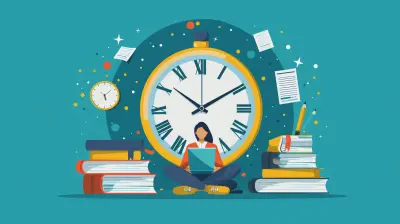
How Continuing Education Keeps You Relevant in a Fast-Changing World
12 April 2026
Let’s face it—we’re living in a whirlwind of change. From AI transforming how we work to industries evolving faster than we can keep up, it’s no longer enough to just rest on what you learned back in school. If you blink for too long, you might just miss the next big thing. That’s where continuing education comes in. Think of it like upgrading your smartphone—you’re still you, but with more tools, more power, and more relevance.
Whether you're fresh out of college or a seasoned professional, staying relevant in today’s fast-paced world means adding new skills to your toolbox, staying curious, and being open to growth. So, grab your favorite cup of coffee, and let’s dive into why continuing education might just be your best career (and life) move.
What Is Continuing Education Anyway?
Before we go too far, let’s break it down. Continuing education is exactly what it sounds like—learning that goes on after formal schooling ends. It might be something as intensive as earning professional certifications, or as flexible as online courses, evening workshops, or webinars.It’s basically like watering a plant—you. Without that ongoing nourishment, you might grow stale or stagnant. But when you keep learning? That’s when you bloom.
The World Is Changing Fast (Like, Lightning Fast)
Let’s talk about speed. The world is evolving at a pace that’s straight-up dizzying. New tech. New industries. New tools. It’s like trying to drink from a firehose.A job you trained for a decade ago? There’s a good chance it now requires completely different skills. Think about it—10 years ago, nobody was hiring for TikTok strategists or machine learning engineers. Now? They're hot commodities.
If you're not learning, you're lagging.
Why Staying Relevant Is Non-Negotiable
So, why is staying relevant such a big deal? Well, because being irrelevant in today’s job market is like showing up to a smartphone party with a flip phone. Sure, it works—but it’s not impressing anyone.Here’s what happens when you stay relevant:
- You remain employable: Employers want folks who are up-to-date, flexible, and future-ready.
- You’re more confident: Knowing your stuff feels good. It boosts your confidence, which in turn makes you even better at what you do.
- You open doors: With new skills come new opportunities—career changes, promotions, freelance gigs, and passion projects.
The Rise of the Lifelong Learner
Gone are the days when you could graduate, get a job, and coast until retirement. Nowadays, the most successful people are those who keep learning. Lifelong learning isn’t just a buzzword—it’s the secret sauce for staying agile in a world that doesn’t sit still.Let’s put it like this: continuing education is to your brain what exercise is to your body. Skip it for too long, and you’ll feel the difference.
Real-World Benefits of Continuing Education
Alright, let’s get into some juicy, real-life perks of continuing education. Spoiler alert: they go way beyond just “getting smarter.”1. Boosted Earning Power
Who doesn’t want a little more cha-ching in their paycheck? Studies show that people who invest in learning new skills often unlock higher salaries. Whether it's a new certification or a simple niche skill, education can seriously pay off.2. Career Mobility
Stuck in a rut? Ready to pivot into something new? Whether you're shifting careers or climbing the ladder, continuing education helps you gain the know-how and credibility you need to move up or move on.3. Mental Sharpness
Brains are like muscles. Use them or lose them. Ongoing learning keeps your mind active, sharp, and better equipped to adapt to challenges and solve problems creatively.4. Expanded Network
Guess what happens when you sign up for courses, attend workshops, or join a professional learning community? You meet people. Real people. People who could become mentors, collaborators, clients, or even friends.5. Personal Fulfillment
Let’s not forget the joy of learning for learning’s sake. There’s something deeply satisfying about mastering a new topic, stepping out of your comfort zone, or simply feeding your curiosity.Common Continuing Education Paths (And How to Pick One)
Okay, so you’re sold on the idea. But where the heck do you even start?Here are some common routes you can take:
🎓 Certifications and Professional Courses
Ideal if you're looking to stand out in your current field or switch to a new one. Think project management certifications, HR credentials, or tech bootcamps.💻 Online Learning Platforms
Sites like Coursera, edX, Udemy, and LinkedIn Learning make learning ridiculously accessible. Want to study data analytics in your pajamas? Done.🧠 Microlearning and Short Courses
Short on time? Microlearning is like snack-sized learning. Quick, digestible, and often focused on one topic. Great for busy folks.🏫 Evening or Weekend Classes
Perfect for when you want a more traditional classroom feel without giving up your 9-to-5.📚 Self-Directed Study
Pick up a book, follow a YouTube channel, or dive into blogs and podcasts. Just because it’s informal doesn't mean it’s not valuable.Tips to Make Your Continuing Education Journey a Success
Starting something new can be scary. But hey, so was learning how to ride a bike—and look how that turned out.Here’s how to make it easier:
1. Set Clear Goals
What do you want to get out of it? A promotion? A new job? A skill you’ve always wanted to master? Setting goals will keep you focused.2. Find Topics That Excite You
Don't just pick something because it's trendy. Choose subjects that make you curious, excited, or passionate. You’re more likely to stick with it that way.3. Pace Yourself
You don’t have to do everything at once. Start with one course or one topic. Baby steps, my friend.4. Make Time (Even If You're Busy)
Let’s be real—time is tight. But if you make learning a routine (even just 15-30 minutes a day), you’ll be amazed at how far you get.5. Apply What You Learn
Don't just absorb—apply it. Practice new skills at work, start a side project, or share what you’ve learned with others. It helps it stick.When Continuing Education Feels Overwhelming
Let’s not sugarcoat it—sometimes learning something new can feel like climbing Mount Everest in flip-flops. Impostor syndrome might sneak in. Frustration might set up camp. That’s normal.Here’s the trick: keep going anyway.
Take breaks. Celebrate small wins. Talk about your struggles. No one said growth was easy, but it’s always worth it.
The Magic of Staying Curious
At the heart of all this talk about continuing education is one simple thing: curiosity. The more curious you are, the more opportunities you’ll find. Curiosity keeps you asking questions, seeking answers, and saying, “Hey, I could learn that.”Curiosity is your built-in GPS for growth—follow it wherever it wants to go.
It's Never Too Late to Start
You could be 25 or 65—there’s no “right” time to start learning. Whether you're brushing up on skills, chasing a new career, or filling gaps in your knowledge, the best time to start is right now.So, let’s flip the script. Instead of fearing a fast-changing world, let’s embrace it. With the right mindset and a thirst for knowledge, you won't just survive—you’ll thrive.
Final Thoughts
In a world that keeps shifting beneath our feet, continuing education is your steady ladder. It helps you stay confident, curious, and oh-so-relevant in both your career and personal life.So, dust off those books, sign up for that class you’ve been eyeing, or just start googling things you’ve always wondered about. Keep learning, keep growing, and trust me—you’ve got this.
all images in this post were generated using AI tools
Category:
Continuing EducationAuthor:

Monica O`Neal
Discussion
rate this article
2 comments
Loretta Conrad
Embrace growth; stay ahead together!
April 26, 2026 at 11:35 AM
Monica O`Neal
Absolutely! Staying curious and committed to learning is key in this ever-evolving landscape.
Ashira McNulty
This article highlights the crucial role of continuing education in maintaining relevance amidst rapid changes. Lifelong learning not only enhances skills but also boosts adaptability, ensuring individuals stay competitive and informed in their fields. A must-read for career-minded professionals!
April 13, 2026 at 2:53 AM
Monica O`Neal
Thank you for your insightful comment! I'm glad you found the article valuable for understanding the importance of lifelong learning in today’s fast-paced environment.