Understanding Data Privacy and Security in the Classroom
25 September 2026
In today’s digital age, classrooms have become more connected than ever before. Technology has transformed education, making learning more interactive and accessible. But with these advancements comes a critical issue—data privacy and security.
Think about it: students use tablets, computers, and online platforms daily. Teachers manage grades, assignments, and personal student information online. With all this digital activity, are we truly safeguarding students' sensitive data?
In this article, we’ll break down what data privacy and security mean in the classroom, why they matter, and how educators, students, and parents can work together to ensure a safer learning environment. 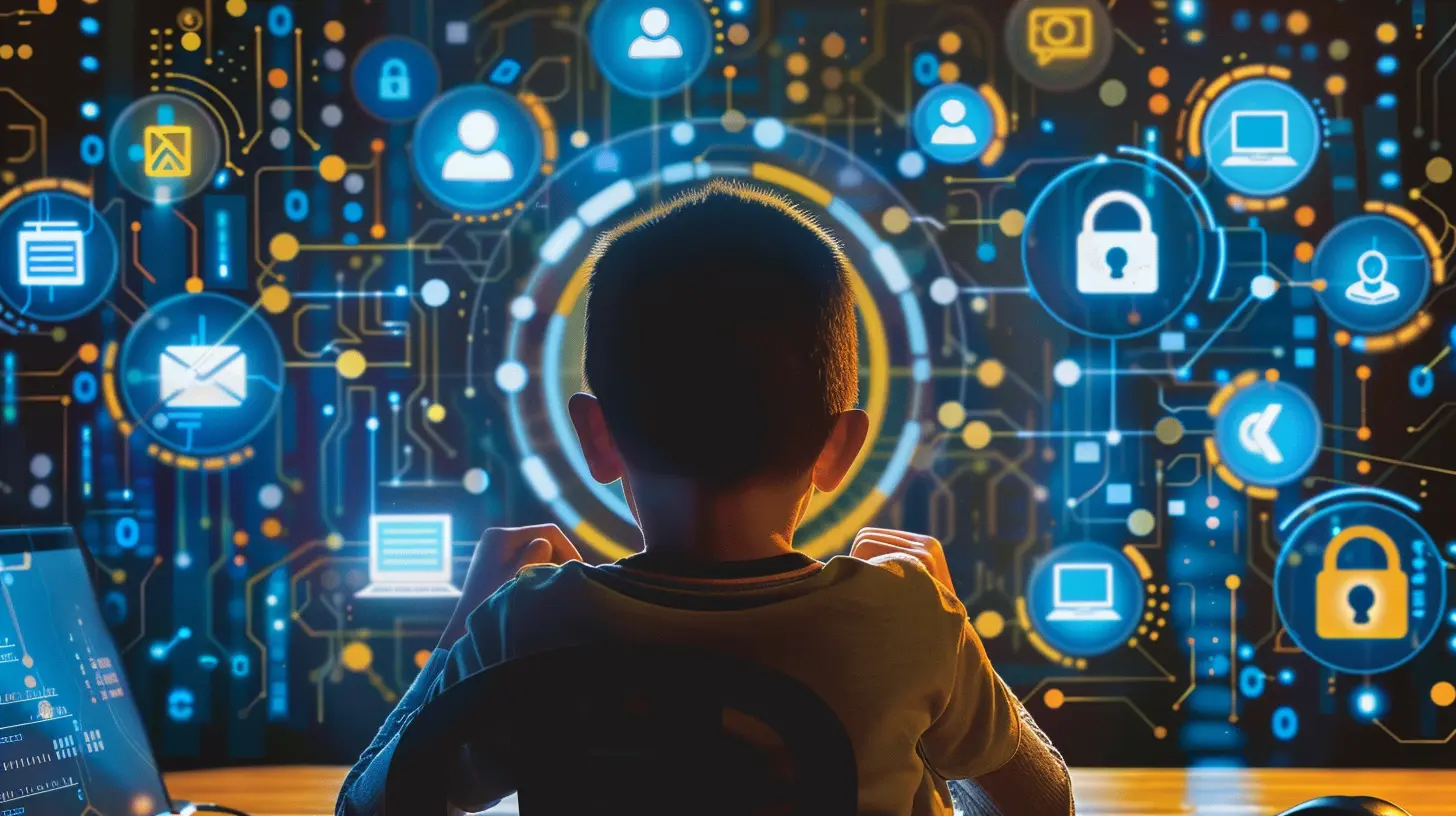
What is Data Privacy?
At its core, data privacy is about controlling who has access to personal information and how that data is used. In an educational setting, this includes:- Student names, addresses, and contact details
- Grades, progress reports, and test scores
- Medical records and emergency contacts
- Login credentials for school platforms
- Behavioral records and disciplinary history
Schools collect a lot of sensitive data. If not properly protected, this information could fall into the wrong hands, leading to identity theft, cyberbullying, or even unauthorized tracking of students' activities. 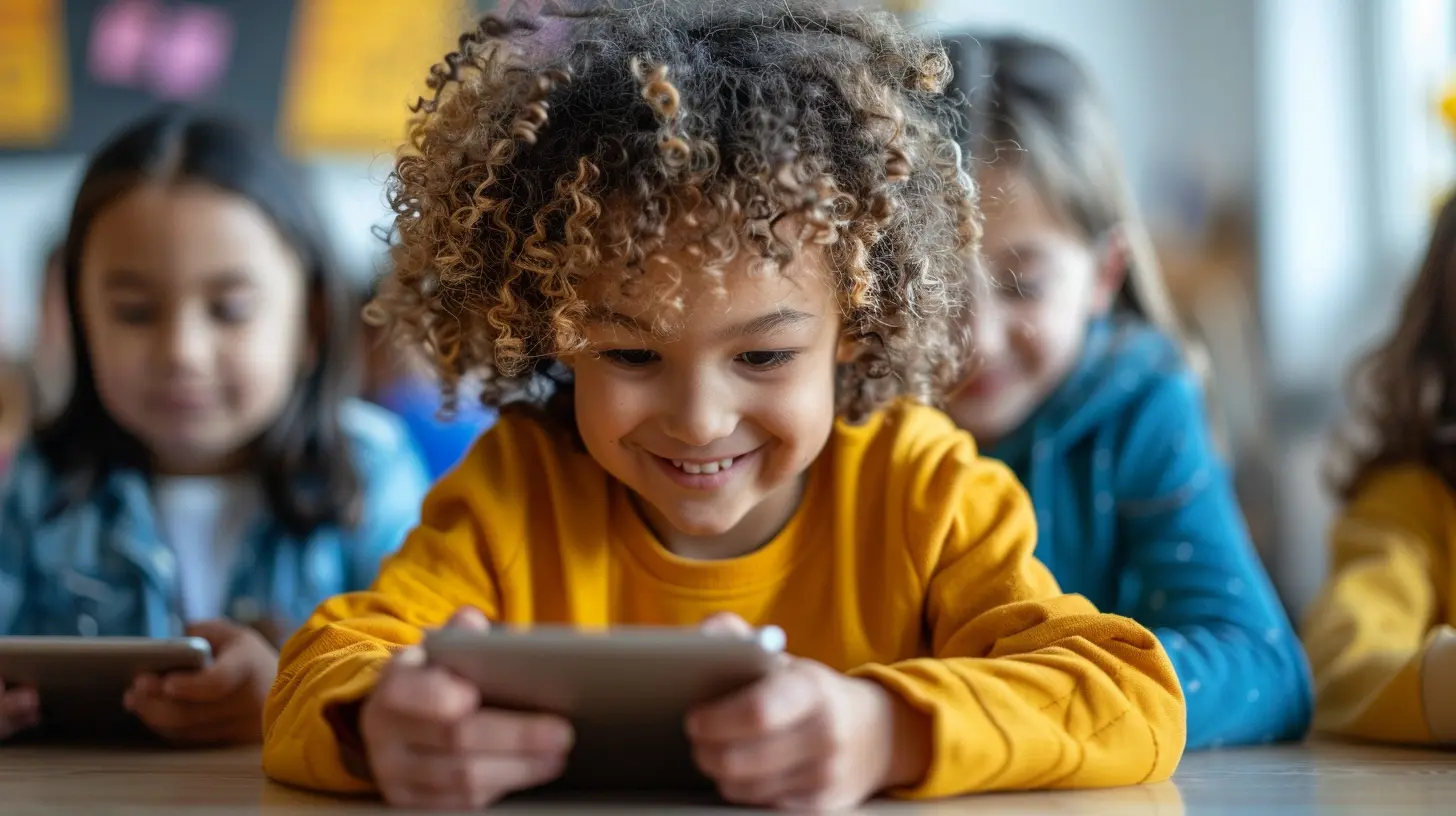
Understanding Data Security
While data privacy focuses on protecting information from unauthorized access, data security is all about the measures put in place to protect that data.Think of it like locking your front door. Privacy is deciding who you let inside; security is making sure your locks, alarms, and cameras keep intruders out.
Here are some key elements of data security in schools:
- Encryption – Converts data into a code to prevent unauthorized access.
- Strong Passwords – Ensures accounts remain protected.
- Firewalls and Antivirus Software – Blocks harmful attempts to steal or damage data.
- Two-Factor Authentication (2FA) – Adds an extra layer of security beyond just a password.
- Regular Software Updates – Fixes security vulnerabilities in school systems. 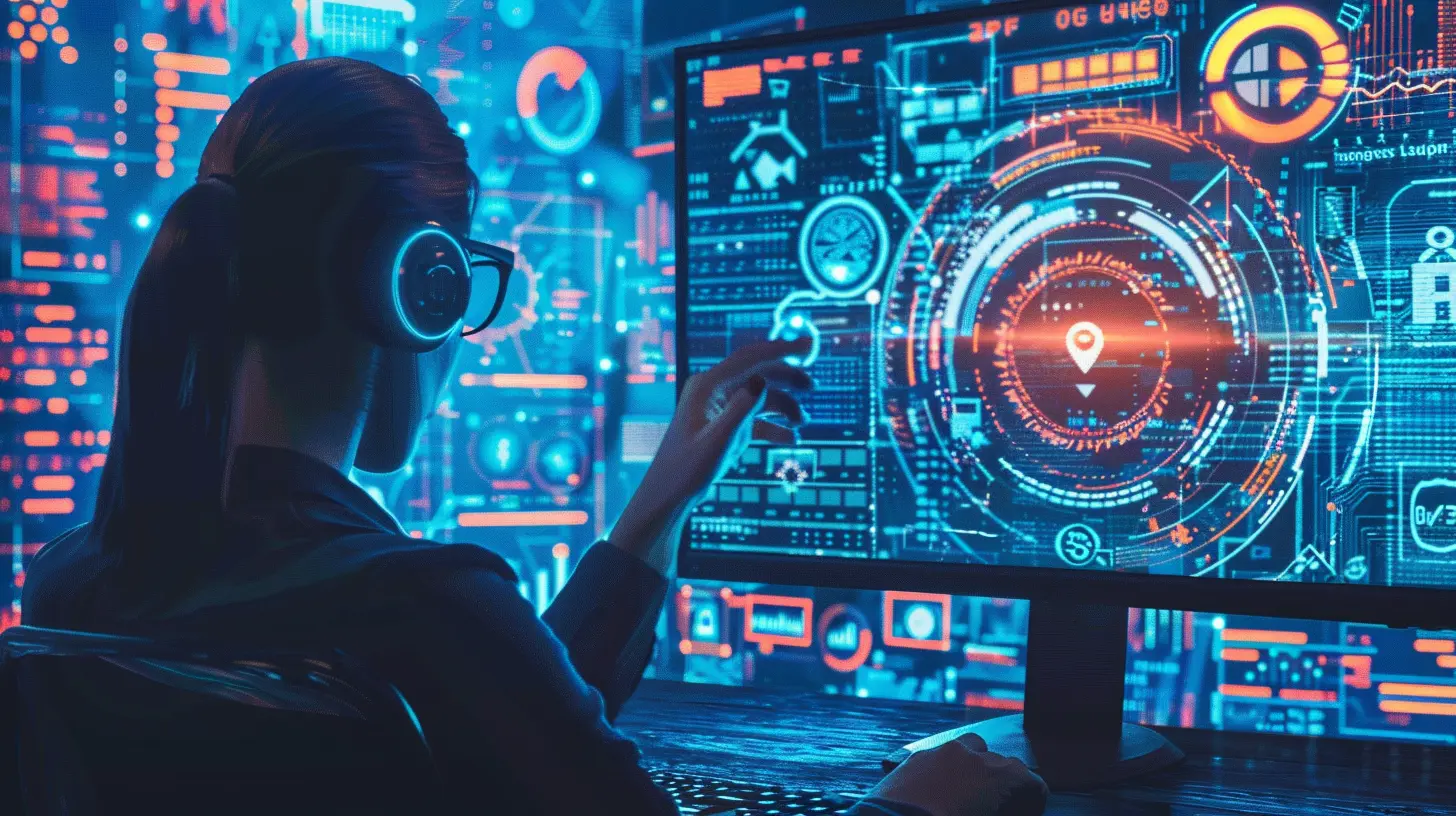
Why is Data Privacy and Security Important in the Classroom?
A breach in student data is more than just a technical issue—it can have serious consequences. Here’s why it matters:1. Protecting Student Identity and Personal Information
Cybercriminals can misuse student data for fraud or identity theft, potentially affecting them for years. Imagine a student’s social security number being stolen—by the time they turn 18, a hacker may have already opened credit cards in their name!2. Preventing Cyberbullying and Online Threats
If personal details fall into the wrong hands, students may face cyberbullying or harassment. Hackers or malicious individuals could exploit leaked private data to target students personally.3. Building Trust Between Schools, Students, and Parents
Parents entrust schools with their children's personal information. If schools fail to protect that data, trust is broken. A strong commitment to data privacy reassures parents that their child’s information is safe.4. Complying with Laws and Regulations
Various laws protect student data, such as:- FERPA (Family Educational Rights and Privacy Act) – Safeguards student records in the U.S.
- COPPA (Children’s Online Privacy Protection Act) – Protects children’s data on online platforms.
- GDPR (General Data Protection Regulation) – Covers data protection in Europe, affecting global platforms.
Schools need to comply with these regulations to avoid legal trouble and hefty fines. 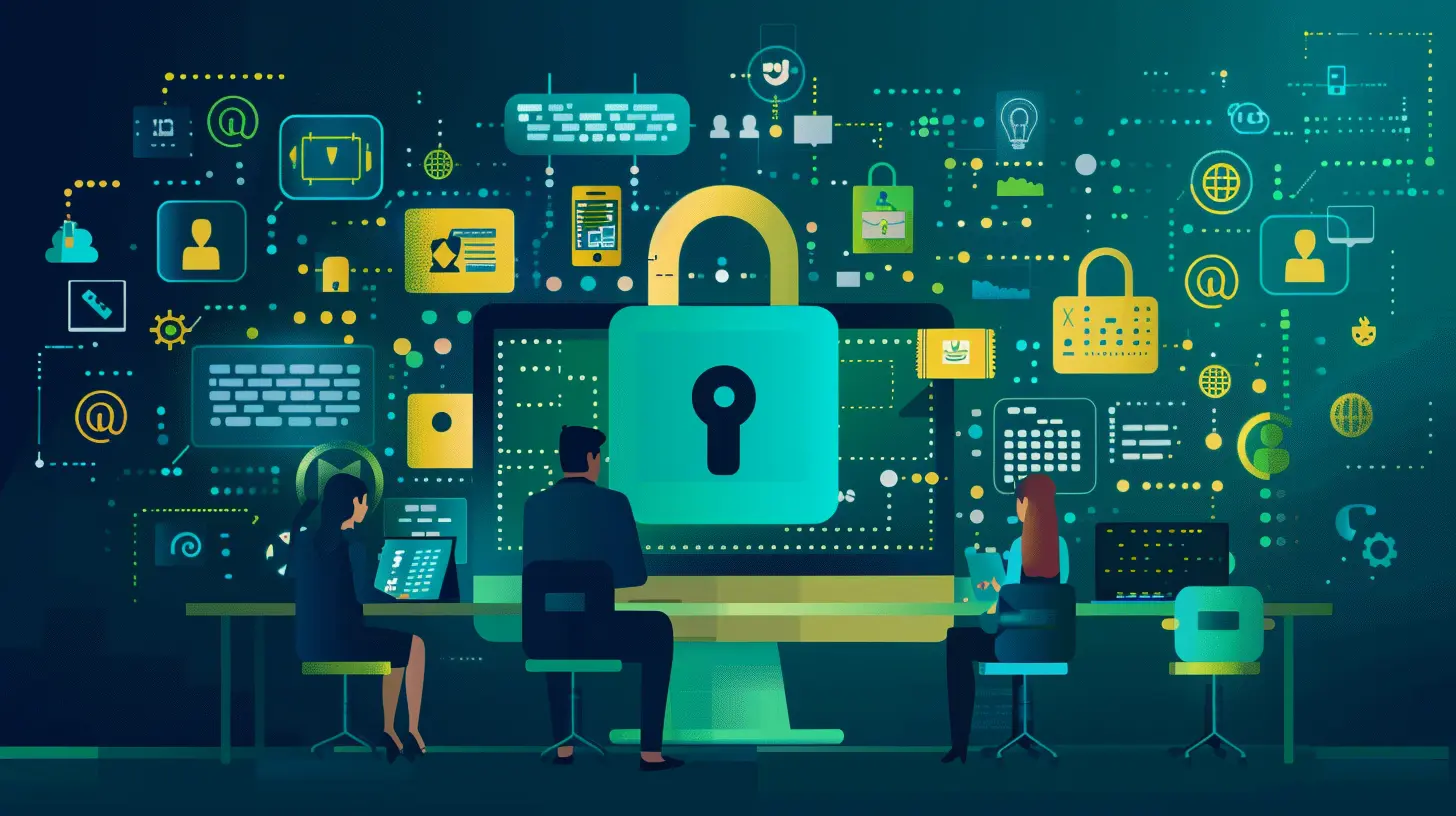
Common Data Privacy Risks in Schools
Despite the best efforts, certain risks still threaten student data. Here are some common vulnerabilities:1. Weak Passwords
Many students and even teachers reuse passwords or create weak ones like "123456" or "password." Hackers can easily guess these credentials and access sensitive data.2. Unsecured Wi-Fi Networks
If a school’s Wi-Fi isn’t properly secured, hackers can intercept data, including login credentials, emails, and student records.3. Phishing Attacks
Cybercriminals often send fake emails pretending to be from school administrators, tricking staff or students into sharing confidential information.4. Unauthorized Access to Devices
Leaving computers, tablets, or smartphones unattended can lead to unauthorized persons accessing sensitive information.5. Third-Party EdTech Apps
Many educational apps collect student data. Not all of them have strong security measures, and some even sell user data to advertisers without proper consent.How Schools Can Improve Data Privacy and Security
Now that we know the risks, what steps can schools take?1. Implement Stronger Password Policies
- Require students, teachers, and staff to create complex passwords.- Encourage using passphrases instead of simple words (e.g., "MathIsFun@2024").
- Enable two-factor authentication wherever possible.
2. Secure School Wi-Fi Networks
- Use strong encryption protocols (like WPA3).- Restrict guest access to a separate network.
- Regularly update Wi-Fi passwords.
3. Educate Students and Teachers on Cyber Hygiene
- Teach students how to recognize and avoid phishing scams.- Encourage them not to share personal details online.
- Train teachers on securing their digital classrooms.
4. Limit Data Collection and Sharing
- Schools should only collect the data they need—no unnecessary tracking.- Review third-party apps to ensure they comply with data protection laws.
5. Regularly Update Software and Security Measures
- Install the latest updates on school computers and devices to fix security gaps.- Use firewalls and antivirus programs to block malware.
What Can Parents and Students Do?
Keeping student data secure isn't just the school's responsibility—parents and students also play a key role. Here’s how they can contribute:For Parents:
- Monitor the apps and websites your child uses for school.- Educate your child on the importance of keeping personal information private.
- Regularly check school privacy policies and ask questions about how student data is used.
For Students:
- Never share passwords with friends, even if you trust them.- Be cautious when clicking on suspicious links or emails.
- Log out of school accounts on shared devices after completing tasks.
- Speak up if something feels suspicious—it's better to be safe than sorry!
The Future of Data Privacy in Education
As technology evolves, so do cyber threats. Schools must stay ahead by continuously improving privacy policies and investing in better security measures. Artificial intelligence (AI), blockchain, and zero-trust security models are likely to shape the future of educational data protection.That said, the best defense against cyber risks is awareness and proactive action. If everyone—schools, teachers, students, and parents—works together, we can create a safer learning environment where technology enhances education without compromising security.
Final Thoughts
Data privacy and security in the classroom isn’t just a tech issue—it’s a fundamental responsibility. By understanding the risks, taking preventative measures, and staying informed, we can ensure students' digital lives remain safe from harm.Technology has the power to revolutionize education, but only when used responsibly. So, let’s work towards a future where learning is both innovative and secure!
all images in this post were generated using AI tools
Category:
Digital LiteracyAuthor:

Monica O`Neal