The Role of Failure in a Growth Mindset
2 October 2026
Failure. It's a word that makes most people uneasy. We’ve been taught to fear it, avoid it, and feel ashamed of it. But what if I told you failure is actually one of the most valuable things in life? Sounds crazy, right? But the truth is, failure isn't just an obstacle—it’s a stepping stone to success.
This is where the concept of a growth mindset comes in. If you've never heard of it before, a growth mindset is the belief that abilities and intelligence can be developed with effort, learning, and persistence. And at the heart of this mindset? Failure.
So, let’s break this down and talk about why failing is actually a good thing and how it can shape your journey toward success. 
What Is a Growth Mindset?
Before we dive into failure’s role, let’s get clear on what a growth mindset actually means.The term was coined by psychologist Carol Dweck, who identified two distinct ways people approach challenges:
1. Fixed Mindset – Believing abilities and intelligence are static. If you’re not good at something, you never will be.
2. Growth Mindset – Believing abilities and intelligence can be developed through effort and persistence.
People with a fixed mindset avoid challenges, see effort as useless, and fear failure because they think it defines them. On the other hand, those with a growth mindset embrace difficulties, see effort as the path to mastery, and view failure as an opportunity to learn.
The difference between the two? It’s not intelligence or talent—it’s perspective. 
Failure: The Hidden Key to Growth
Now, let’s get to the heart of the matter. Why is failure so important in developing a growth mindset?1. Failure Builds Resilience
Think about babies learning to walk. They fall a lot. But does that stop them? Nope. They keep trying until one day, they take those first steps. Imagine if a baby thought, "Well, I fell down. Guess I’m not meant to walk." Absurd, right?Failure teaches resilience—the ability to bounce back after setbacks. In life, you’ll face many challenges, but pushing through those failures is what strengthens you.
2. Failure Encourages Problem-Solving
When something doesn’t work out, you’re forced to think differently. Instead of giving up, you start asking:- What went wrong?
- What can I do differently next time?
- Is there another way to approach this problem?
By analyzing mistakes, you develop creative problem-solving skills that help not only now but in future challenges as well.
3. Failure Fuels Learning
Some of the greatest lessons come from failure. Think about how schools teach students—they take tests, make mistakes, and then review what they got wrong. That’s how growth happens.If we never failed, we’d never learn. Failure exposes weaknesses, gaps in knowledge, or areas that need improvement. And once we know those, we can work on them.
4. Failure Builds Confidence
It might sound backward, but failing actually boosts confidence—if you approach it the right way.Each time you fail and get back up, you prove to yourself that you can overcome obstacles. The more you push through failures, the stronger and more self-assured you become.
Think of it like going to the gym. Every time you lift heavier weights, your muscles grow stronger. Likewise, every time you face failure and keep going, your confidence grows. 
How to Embrace Failure and Grow
Okay, so we know failure is good. But how do you actually change your mindset to embrace it rather than fear it?1. Reframe Failure as Feedback
Instead of seeing failure as a sign of incompetence, treat it as valuable feedback. Every failure teaches you something. It’s not the end of the road—it’s a roadmap directing you to where you need to improve.2. Adopt the 'Yet' Mentality
When you catch yourself thinking, "I can’t do this," add the word yet to the sentence.- "I can’t solve this problem… yet."
- "I’m not good at math… yet."
This small shift in language reinforces the idea that growth is possible with effort.
3. Celebrate Small Wins
Failure stings, but don’t dwell on it. Instead, focus on what you achieved along the way. Maybe you didn’t reach your ultimate goal, but did you improve? Did you learn something new? Celebrate that progress!4. Surround Yourself with Growth-Minded People
Ever notice how negativity spreads? If you’re surrounded by people who fear failure, you’ll start fearing it too. But if you engage with those who see failure as part of growth, their mindset will start influencing yours.5. Study Successful Failures
Some of the most successful people in history failed a lot:- Albert Einstein was told he'd never amount to anything.
- Oprah Winfrey was fired from her first TV job.
- Michael Jordan was cut from his high school basketball team.
Their secret? They kept going. Read about these stories, and remind yourself that failure doesn’t define you—your response to it does. 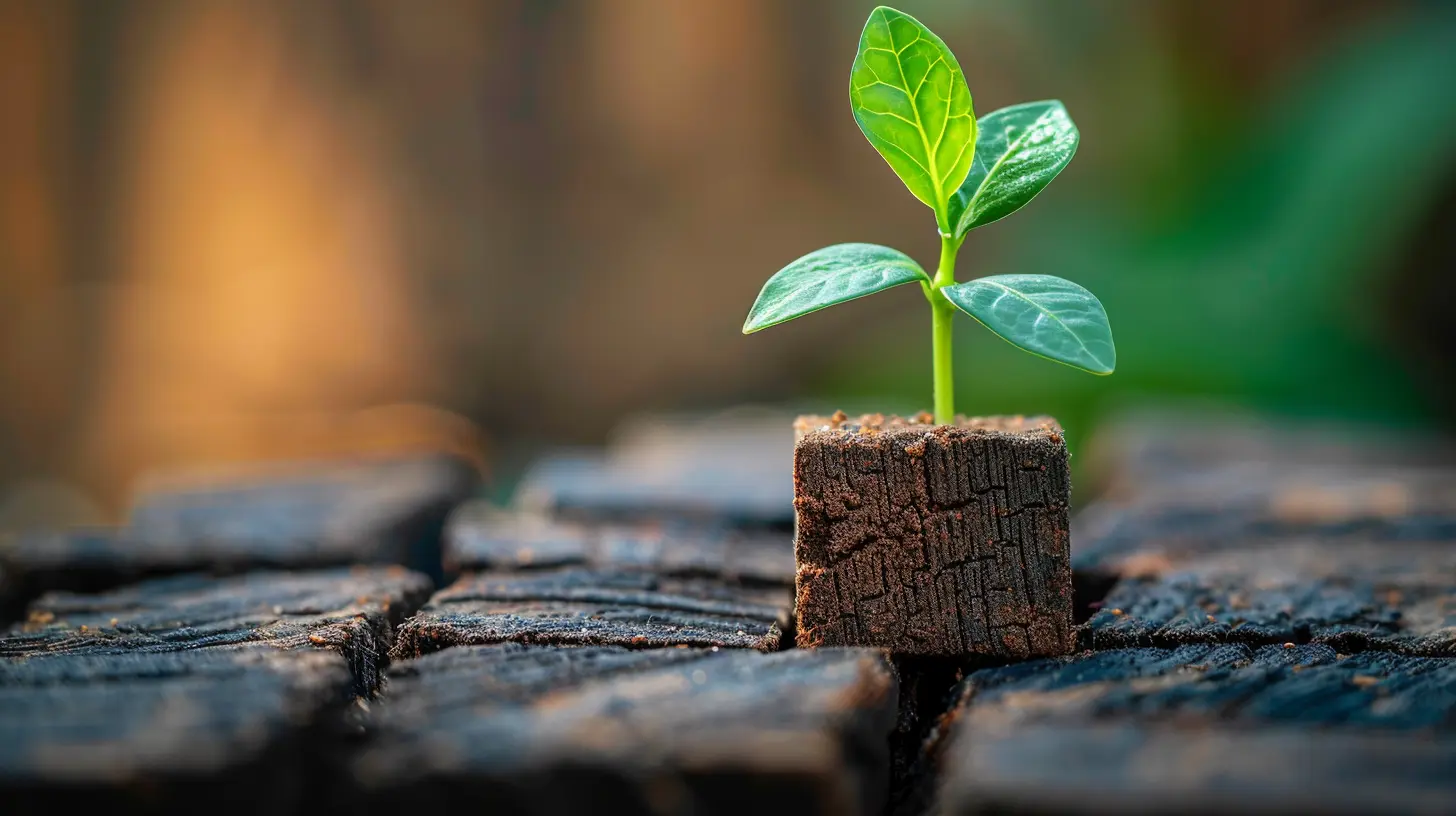
The Science Behind Failure and Growth Mindset
If you're the type who likes a bit of science to back up all this talk, let’s dig in.When we fail, our brain actually grows. Studies show that making mistakes activates neurons, creating new connections and strengthening our abilities. It’s literally how we learn.
Carol Dweck’s research also found that students with a growth mindset show increased motivation, better grades, and higher levels of resilience compared to those with a fixed mindset. In short, our beliefs about failure directly impact our success.
Why Schools Should Teach Students to Fail
Unfortunately, many schools still promote a fixed mindset culture where grades define intelligence and mistakes are punished rather than seen as learning experiences. This creates students who:- Are afraid to take risks
- Avoid challenges
- Feel discouraged by setbacks
Instead, schools should encourage students to:
- Accept failure as part of growth
- Focus on effort over results
- Develop problem-solving skills
After all, in the real world, success isn’t about getting everything right the first time—it’s about persistence.
Final Thoughts
Failure isn’t something to fear. It’s not a sign of weakness or lack of intelligence. It’s a natural and necessary part of life.The key to success isn’t avoiding failure—it’s embracing it, learning from it, and using it to fuel your growth.
So the next time you fail? Don’t beat yourself up. Take a deep breath, reflect, and remind yourself: This is just part of the journey.
Because at the end of the day, failure isn’t the opposite of success—it’s the path to it.
all images in this post were generated using AI tools
Category:
Growth MindsetAuthor:

Monica O`Neal
Discussion
rate this article
1 comments
Dominique Estes
Failure isn't the end; it's a stepping stone. Each setback offers a lesson that fuels growth. Embrace the stumble, learn, and watch your potential unfold.
October 2, 2026 at 12:50 AM