How Bilingualism Shapes Critical Thinking Skills
7 July 2026
Have you ever been amazed by someone who seamlessly switches between two languages? It’s impressive, right? But here’s something even cooler—being bilingual does more than just expand your vocabulary. It actually rewires your brain in ways that help sharpen your mind. Yep, I’m talking about an impressive connection between bilingualism and critical thinking skills.
So, if you're wondering whether learning a second language is worth your time, or if you're just curious about what’s happening in the brain of someone who speaks two languages, this is your deep dive. Let’s unpack how bilingualism shapes how we analyze, reason, and solve problems.
What Is Critical Thinking Anyway?
Before we link it to bilingualism, let’s clarify what we mean by critical thinking. It’s more than just “thinking hard.” Critical thinking is about:- Analyzing information logically
- Making reasoned decisions
- Questioning assumptions
- Solving problems efficiently
- Avoiding cognitive biases
Basically, it’s your brain’s superpower for cutting through noise and making smart, objective choices. And in today’s world—flooded with misinformation and snap judgments—that superpower is indispensable.
The Cognitive Edge of Bilingual Brains
Now let’s connect the dots.When someone is bilingual, they mentally juggle two linguistic systems. That requires attention control, decision-making, and switching between tasks—all core ingredients for critical thinking.
Think of the bilingual brain as a mental gym. Every time it switches languages, it’s like doing reps with mental weights. You're not just practicing speech; you're boosting cognitive muscles.
Here’s how it happens.
1. Bilinguals Are Better at Switching Gears
Ever had to switch between conversations, tasks, or mindsets? Bilinguals do this constantly when flipping between languages. This mental flexibility—called “cognitive flexibility”—bleeds over into other areas, like problem-solving and multitasking.They’re like mental ninjas, quickly adapting to different contexts, which is a big win for analyzing situations critically.
Real-life Example: Imagine reading a news article in English, then hearing a different take on the same story in Spanish. Bilinguals naturally compare and contrast those viewpoints, often weighing them more objectively.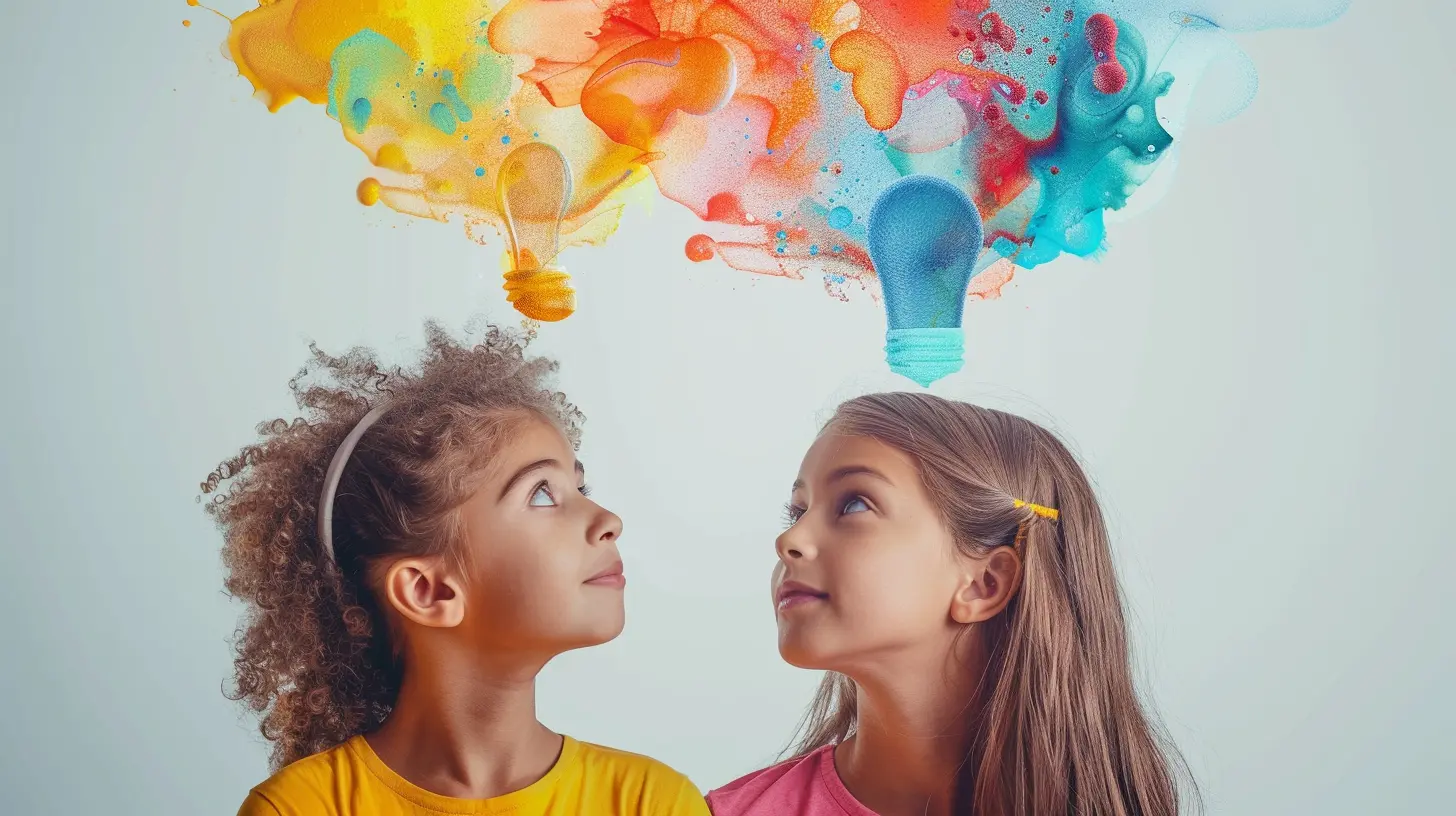
2. Filtered Thinking Becomes Second Nature
Bilinguals have to constantly decide which language to speak and when. This decision-making process filters out irrelevant words and focuses on the right ones. That ability? It strengthens the brain’s executive function.This brain function is like the CEO of your mental operation, deciding what deserves your attention and what doesn’t. With practice, bilinguals get better at this.
That filtering skill transfers beautifully to critical thinking. You become better at filtering out distractions and focusing on what matters—like facts over opinions, or evidence over assumptions.
3. They See the World Through Multiple Lenses
Language isn't just about words—it's also about culture, nuance, and values. When you speak two languages, you often get insight into two different worldviews.This broader perspective makes bilinguals more open-minded and empathetic. They’re less likely to jump to conclusions and more likely to consider alternative perspectives. And what’s critical thinking if not the ability to evaluate different viewpoints?
It’s like wearing cultural bifocals—you can see things from more than one angle.
4. Bilinguals Excel at Memory and Focus
You might think switching between two languages would be confusing. But actually, it boosts working memory—the part of your brain that holds and processes information in the moment.When you’re bilingual, your brain practices holding information in one language while using another. It’s like doing mental juggling… with flaming torches. It strengthens your attention span and memory recall.
And you need both if you’re trying to break down a complex argument or solve a tricky logic puzzle.
5. Better At Recognizing Contextual Clues
Critical thinking isn't just about logic—it’s also about understanding context.Bilinguals are trained to read the room. For example, a phrase in English may have a totally different tone in French. Picking up those subtle cues helps bilinguals tune into the finer details, something that’s essential when analyzing arguments or making decisions.
It makes them more precise and careful thinkers.
6. More Resistance to Cognitive Biases
We all fall victim to biases—confirmation bias, anchoring bias, you name it. But bilinguals tend to show greater resistance to these mental shortcuts.Why? Because switching between two languages forces you to rethink and reinterpret. It’s a built-in habit of questioning what you're thinking and why—a foundational skill in critical thinking.
The Science Is Backing It Up
And it’s not just anecdotal—research backs all this up. Studies have shown that bilinguals often outperform monolinguals in tests that measure problem-solving, attention control, and abstract reasoning.A 2012 study published in the journal Child Development found that bilingual children were better at tasks requiring conflict management and cognitive flexibility.
Other research from the Journal of Experimental Child Psychology showed bilinguals have a cognitive edge in both academic and real-world scenarios.
What About Kids Who Grow Up Bilingual?
If you're raising a bilingual child or are bilingual yourself—you’re probably wondering: does it matter when the second language is learned?The short answer? Earlier is generally better—but it’s never too late.
Kids who grow up bilingual naturally develop these thinking skills as part of their everyday life. For adults who learn a second language later, some benefits still kick in, especially with consistent practice.
Think of it like building muscle. The earlier you start, the more time you have to build strength. But even if you start later, you can still gain powerful mental gains.
How to Nurture Critical Thinking Through Bilingualism
Want to boost your (or your child’s) critical thinking through language? Here’s what you can do:1. Practice Regular Switching
Flip between languages regularly. Watch movies, read books, or speak with friends in both languages. The brain loves the workout.2. Compare & Contrast Ideas
Read the same news story or article in both languages. Then talk (or write) about the differences. What’s emphasized in one version that isn’t in the other?3. Debates and Discussions
Hold discussions in both languages. This forces you to reframe arguments and sharpen your reasoning.4. Cultural Immersion
Engage with the cultures behind the languages. Critical thinking often grows through understanding new social values and worldviews.Debunking the Myths
Let’s bust a few myths while we’re at it:- Myth: Bilingualism Confuses the Brain
Reality: It strengthens it. What looks like confusion is actually processing power in action.
- Myth: Learning Two Languages Delays Development
Reality: Any delays are temporary. Long-term cognitive advantages far outweigh early hiccups.
- Myth: You Need to Be Fluent to Benefit
Reality: Even intermediate bilinguals show improved attention and problem-solving skills.
So… Should You Learn a Second Language?
Absolutely. Whether you’re a student, a parent, or just someone looking to upgrade your brain—learning another language is like adding a Swiss Army knife to your mental toolkit.You’ll not only open new worlds culturally and socially—but you’ll also think more clearly, creatively, and analytically.
It’s not just about asking “Where’s the bathroom?” in French. It’s about training your brain to ask why things are the way they are—and how we can think about them differently.
Final Thoughts
Bilingualism isn’t just a skill—it’s a game-changer for your brain. The ability to navigate between two languages boosts flexibility, focus, and mental sharpness. And at its core, it strengthens the very skills that define critical thinking.So if you’ve been thinking about picking up that second language, maybe now’s the time. Not just for travel. Not just for new friendships. But for a smarter, sharper, and more thoughtful you.
all images in this post were generated using AI tools
Category:
Bilingual EducationAuthor:

Monica O`Neal
Discussion
rate this article
1 comments
Dorothy Snyder
Bilingualism is like a workout for your brain! It not only helps you juggle languages but also boosts those critical thinking skills. Imagine switching from one thought to another, just like switching languages. It's a fun mental gym that keeps your mind sharp and ready for anything. Keep those neurons dancing!
July 12, 2026 at 4:17 AM
Monica O`Neal
Absolutely! Bilingualism really does keep our brains active and agile. It's amazing how juggling languages enhances our ability to think critically and adapt quickly. Thanks for sharing this insight!