The Intersection of Immigration and Education Policy
20 February 2026
Immigration and education policy may seem like two distinct realms, but the truth is they are deeply intertwined. When we talk about immigration, we often focus on border control, visas, and citizenship. But what gets lost in the conversation is how immigration policies directly affect learning opportunities and access to education. Similarly, education policy can shape the lives of immigrants, especially for children and young adults striving to build a future in a new country.
In this article, we’ll explore how immigration policy impacts education, and vice versa, while also diving into the challenges and opportunities at the intersection of these two critical areas. Whether you're an educator, policymaker, or just someone curious about the topic, understanding this intersection is essential for shaping a more inclusive society in the future.
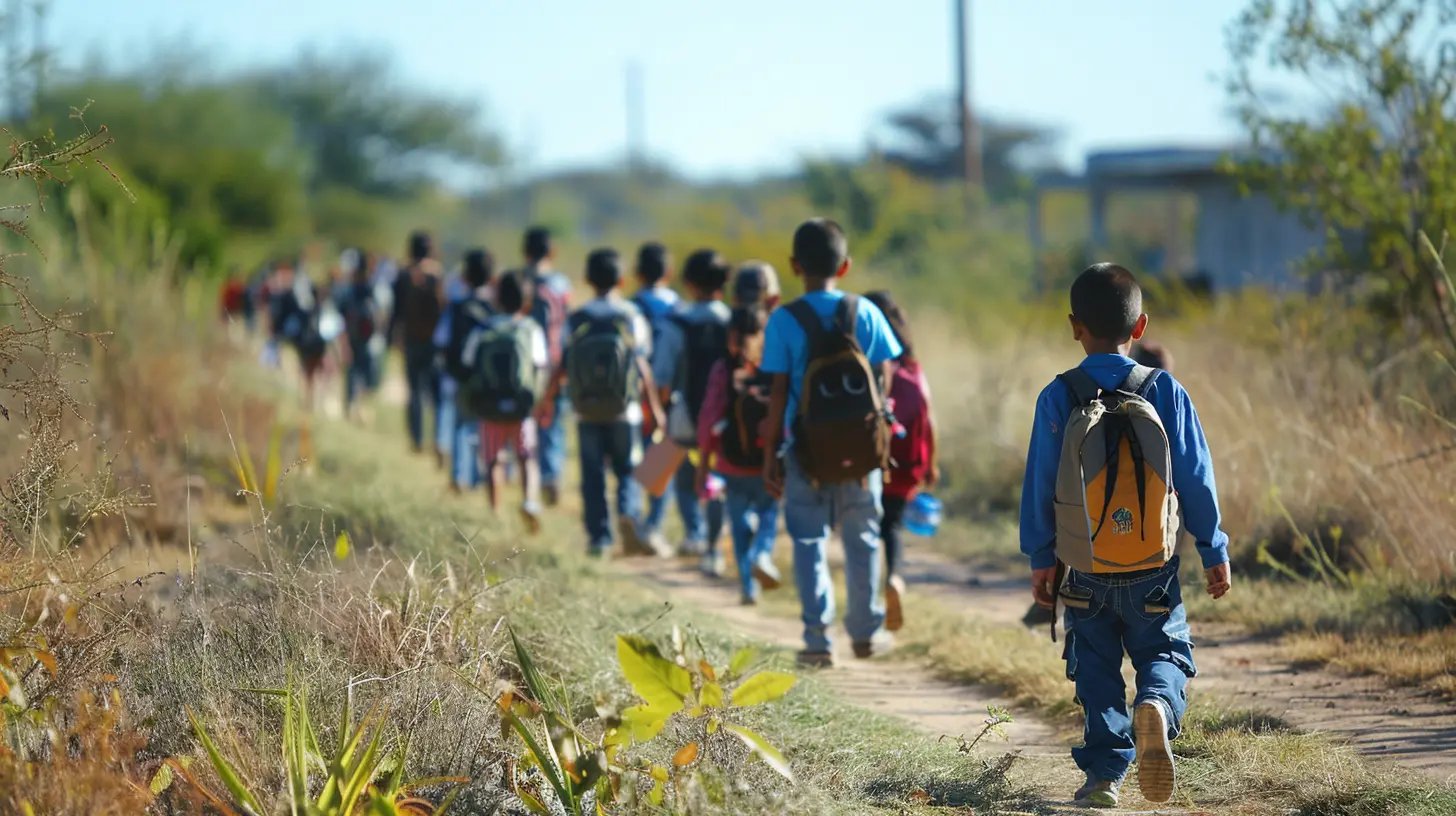
Immigration Policy and Its Impact on Education
Immigration policies can create or limit opportunities for students and families. Let’s break it down into a few key areas.1. Access to Education for Immigrant Students
One of the most significant challenges immigrant families face is ensuring their children have access to education. Many countries, including the U.S., have laws that guarantee education for all children, regardless of their immigration status. For example, in the United States, the Supreme Court ruled in Plyler v. Doe (1982) that all children, regardless of their legal status, have the right to a public education.That sounds like a win, right? Yes, but there are still hurdles. Undocumented students, especially those at the high school or college level, face barriers like ineligibility for federal financial aid, exclusion from certain scholarships, and even the fear of deportation, which impacts their ability to succeed in school.
2. Language Barriers and the Need for ESL Programs
Immigrant students often face language barriers that can make learning incredibly challenging. Imagine being thrown into a classroom where everything is taught in a language you barely understand. Sounds tough, right? That’s the reality for many immigrant students.English as a Second Language (ESL) programs have been developed to help students who are not fluent in English. While these programs can be lifesavers for many, underfunding and inadequate resources often make them less effective than they should be. This is especially true in schools located in low-income areas, which often serve a high number of immigrant children.
Moreover, some schools struggle to find qualified teachers who are trained to work with ESL students, leaving these kids at a disadvantage. It’s not just about learning the language; it’s about learning in the language. If immigrant students are going to succeed academically, they need robust support systems in place from day one.
3. DACA and Dreamers: A Lifeline for Many Students
The Deferred Action for Childhood Arrivals (DACA) program is a prime example of how immigration policy can make or break educational opportunities for immigrant students. Established in 2012, DACA allows young immigrants (often referred to as "Dreamers") who were brought to the U.S. as children to receive work permits and protection from deportation. Many DACA recipients have thrived in the education system, going on to attend college and even graduate programs.However, DACA is under constant threat of being repealed or altered, leaving many students in a state of uncertainty. Can you imagine trying to focus on your studies while the possibility of deportation hangs over your head? The stress and anxiety associated with this uncertainty can be debilitating, and it has a direct impact on students' academic performance and mental health.
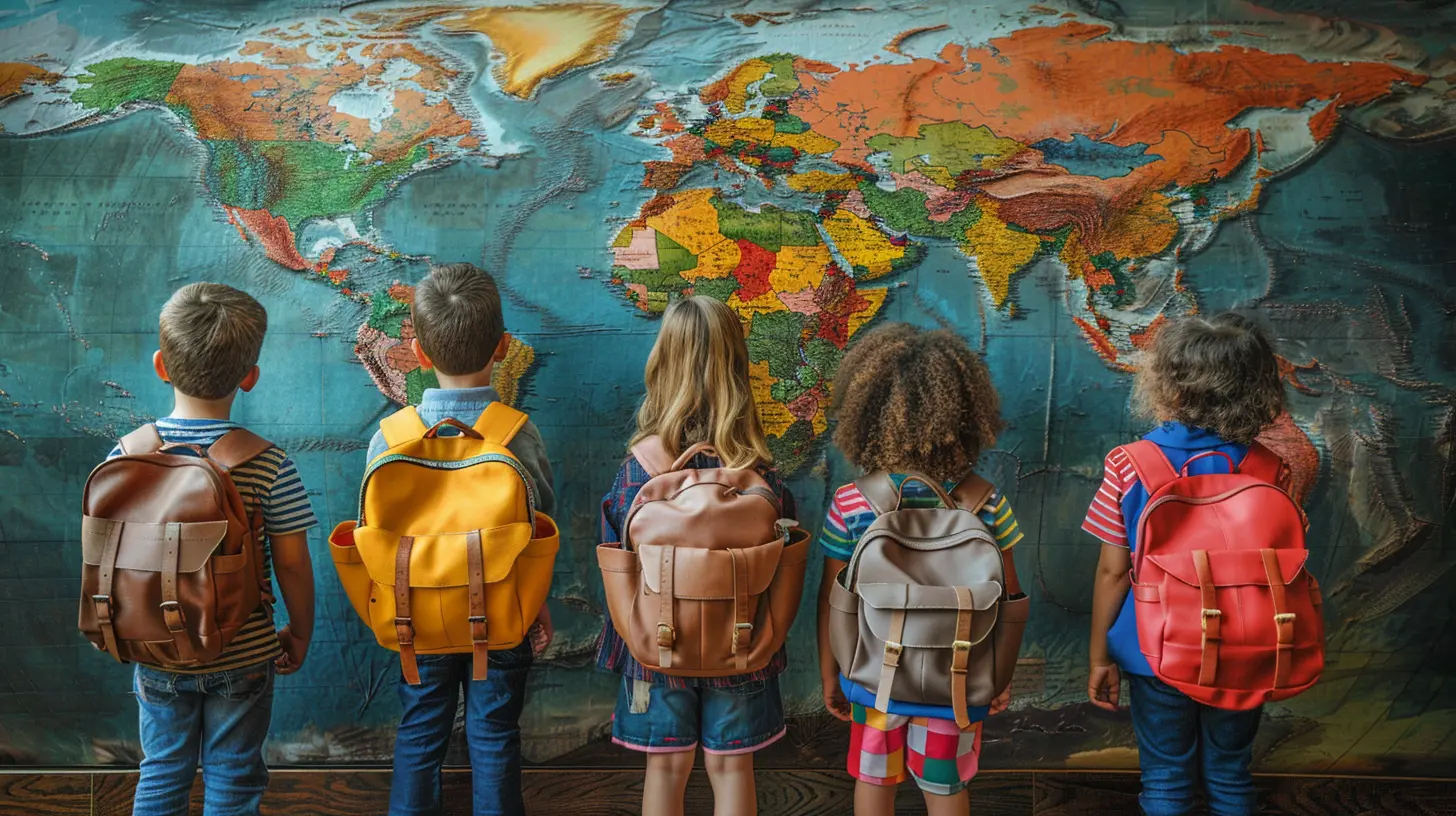
Education Policy and Its Impact on Immigrants
Just as immigration policy affects education, the reverse is also true. Education policies can either create pathways for immigrant success or erect barriers that hinder their progress.1. College Access and Affordability
Getting into college is tough enough, but for immigrant students—especially undocumented ones—the challenges are multiplied. Many undocumented students are ineligible for federal financial aid, which makes paying for college a significant hurdle. Some states have stepped in to bridge this gap by offering in-state tuition rates to undocumented students or by creating scholarship programs specifically for immigrant students.For example, states like California and Texas have laws that allow undocumented students to pay in-state tuition, which significantly lowers the cost of higher education. But not all states are on board with this. Some have laws that prohibit undocumented students from even enrolling in public universities, let alone accessing financial aid.
The difference between state policies can be the difference between a student getting a college degree or not. And when you consider that college graduates typically earn more over their lifetime than those without a degree, these state-level education policies have a long-term impact on immigrant families and communities.
2. Culturally Responsive Teaching and Curriculum
Education policy doesn’t just affect access to schools; it also impacts what happens inside the classroom. Culturally responsive teaching, which incorporates students' cultural backgrounds into the curriculum, has been shown to improve academic outcomes for immigrant students. But here’s the catch: it’s not widely adopted.Many education systems still operate with a one-size-fits-all approach, which doesn’t take into account the unique challenges and strengths of immigrant students. When students see themselves reflected in the curriculum, they are more engaged and motivated to learn. It’s like seeing a mirror of your own experiences; it makes you feel like you belong.
3. Teacher Training and Professional Development
Another important aspect of education policy that affects immigrants is teacher training. Teachers who work in diverse classrooms need specific training to meet the needs of their students. This includes understanding different cultural backgrounds, learning strategies to support ESL students, and recognizing the trauma that some immigrant students may have experienced.Unfortunately, many teachers report feeling unprepared to handle these challenges. Without adequate training, teachers may unintentionally alienate or fail to support their immigrant students, which can lead to lower academic performance and even higher dropout rates.
The Broader Implications: Why This Intersection Matters
The intersection of immigration and education policy doesn’t just affect individual students and their families; it has broader implications for society as a whole. Let me break it down.1. Workforce Development: When immigrant students are given the opportunity to succeed academically, they are more likely to enter the workforce as skilled, educated professionals. This benefits the economy and helps fill gaps in industries that rely on a diverse range of skills and perspectives.
2. Social Integration: Education is one of the most powerful tools for social integration. When immigrant students succeed in school, they are more likely to integrate into society, contribute to their communities, and participate in civic life.
3. Cultural Enrichment: Let’s not forget the cultural enrichment that comes from a diverse student body. Immigrant students bring different perspectives, experiences, and ideas to the classroom. This benefits all students by fostering a more inclusive and global view of the world.
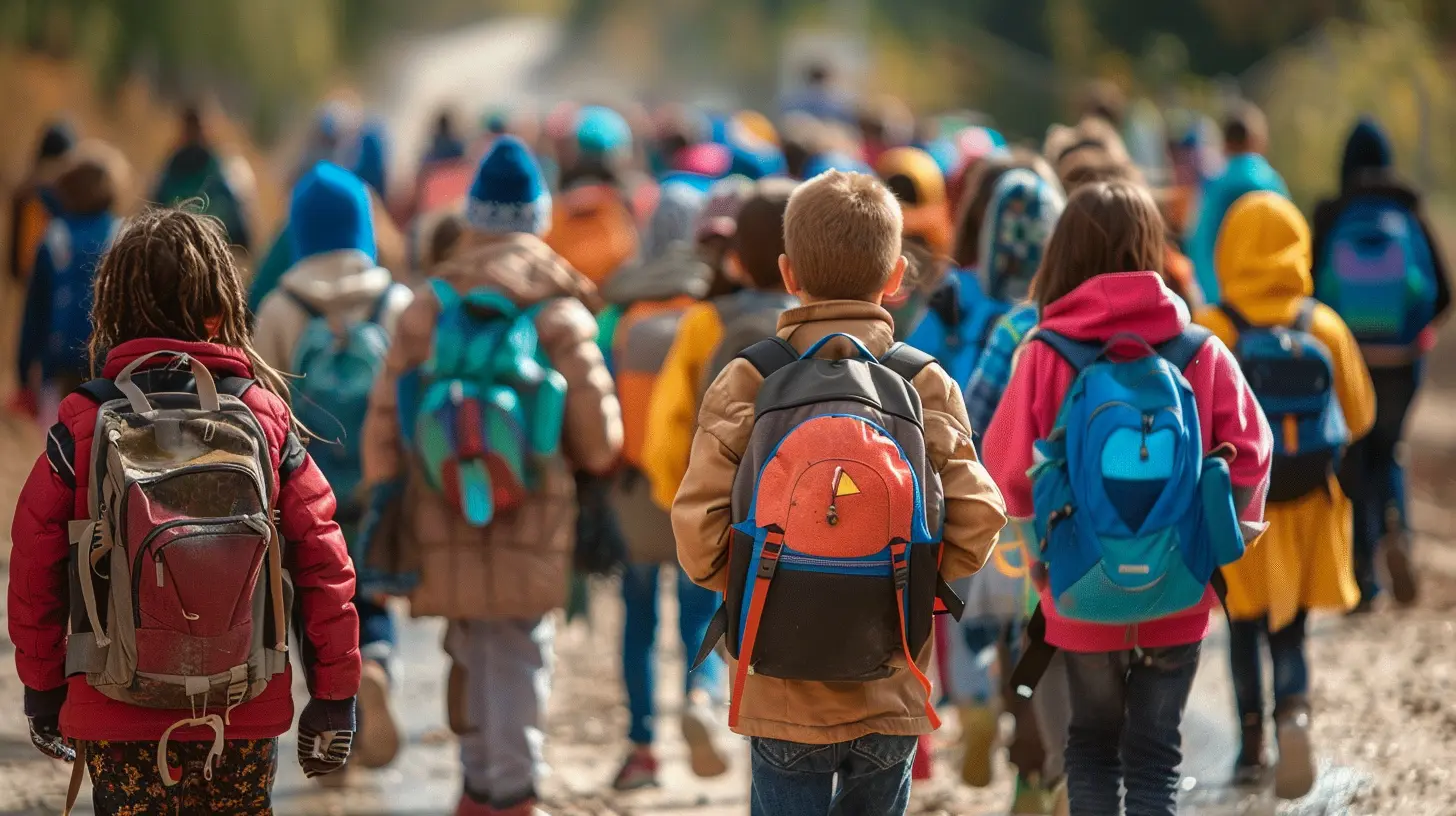
Challenges at the Intersection
While there are many opportunities at this intersection, there are also significant challenges that need to be addressed.1. Political Polarization
Both immigration and education are highly politicized issues, and that polarization can make it difficult to implement policies that benefit immigrant students. For example, debates over DACA, border control, and even school funding can stall progress and leave students in limbo.2. Lack of Resources
Schools that serve a high number of immigrant students often lack the resources they need to support these students effectively. From underfunded ESL programs to overcrowded classrooms, the lack of resources is a major barrier to success.3. Mental Health and Trauma
Many immigrant students, particularly those who have fled violence or poverty in their home countries, carry the weight of trauma. Schools are not always equipped to address the mental health challenges that these students face, which can impact their academic performance and overall well-being.Moving Forward: What Can Be Done?
So, what’s the solution? How can we improve the intersection of immigration and education policy? Here are a few ideas.1. Increase Funding for ESL Programs: Adequate funding for ESL programs is essential if immigrant students are going to succeed. This includes hiring qualified teachers, providing appropriate classroom materials, and offering ongoing professional development for educators.
2. Expand Access to Financial Aid: States should consider expanding access to financial aid for undocumented students. This can be done through state-level scholarship programs, in-state tuition rates, or even private scholarships aimed at supporting immigrant students.
3. Promote Culturally Responsive Teaching: Schools should adopt culturally responsive teaching practices that reflect the diverse backgrounds of their students. This could include revising the curriculum, offering teacher training, and encouraging community involvement in education.
4. Support Mental Health Services: Schools should offer mental health services tailored to the needs of immigrant students. This could include trauma-informed care and counseling services that are sensitive to the unique challenges these students face.
Final Thoughts
The intersection of immigration and education policy is complex, but it’s a critical area that deserves our attention. By addressing the challenges and seizing the opportunities, we can create an education system that truly supports all students, regardless of where they come from. After all, education is not just about learning facts and figures; it’s about building a foundation for a better future. And when we support immigrant students, we’re investing in a brighter future for everyone.all images in this post were generated using AI tools
Category:
Education PolicyAuthor:

Monica O`Neal
Discussion
rate this article
2 comments
Paris Rodriguez
Important topic, let's keep discussing!
March 30, 2026 at 11:45 AM
Monica O`Neal
Absolutely, continued discussion is essential for progress!
Nathaniel Harper
This article highlights crucial connections between immigration and education, emphasizing the need for inclusive policies that support all students.
February 20, 2026 at 3:27 AM
Monica O`Neal
Thank you for your insightful comment! I completely agree—inclusive policies are essential for fostering a supportive educational environment for all students.