The Impact of Adaptive Learning Platforms by 2026
18 May 2026
Let me paint you a picture. It's three years from now. Your kid-or maybe you, if you're brave enough to go back to school-sits down at a laptop to study algebra. But instead of a dusty textbook or a one-size-fits-all video, the screen greets them like a personal tutor who actually remembers their name. "Hey, you struggled with quadratic equations last time. Let's try a different angle today." That's not sci-fi. That's adaptive learning platforms by 2026, and they're about to turn education upside down.
I'm not talking about some boring algorithm that shuffles flashcards. I'm talking about systems that read your brain's frustration level, adjust the difficulty on the fly, and make you feel like a genius even when you're fumbling. By 2026, these platforms won't just be a nice add-on for schools. They'll be the backbone of how we learn, from kindergarten to corporate training. And the best part? They'll do it with a sense of humor-well, as much humor as a machine can muster.
So grab your coffee, and let's dive into this wild ride. Because adaptive learning isn't just changing education. It's making it personal, messy, and weirdly fun.
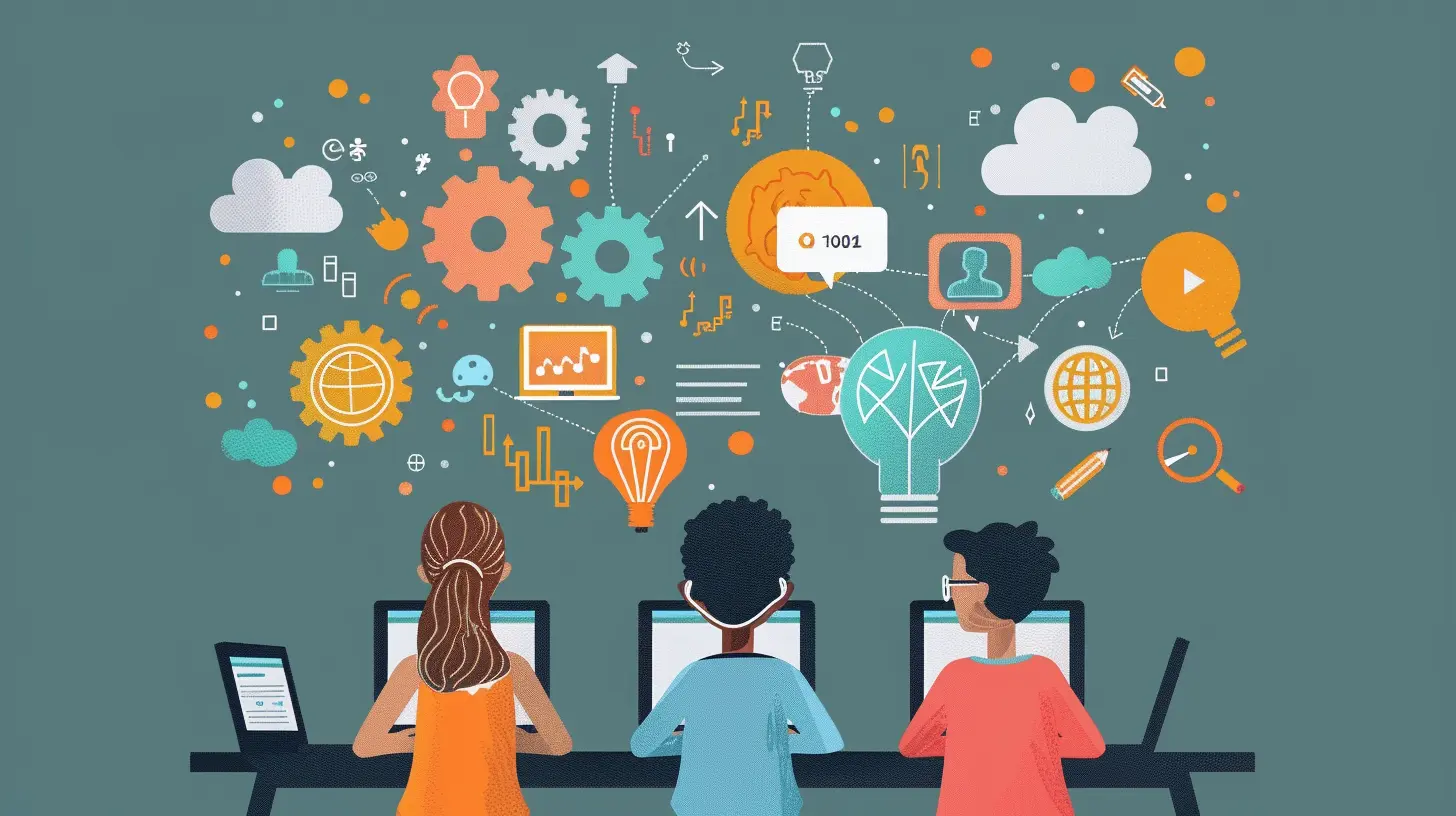
What Even Is Adaptive Learning? (And Why Should You Care?)
If you've ever tried Duolingo or Khan Academy, you've already dipped your toes in adaptive learning. But by 2026, the concept will evolve from "oh, that's a cool feature" to "how did we ever survive without this?" Think of it like a GPS for your brain. You type in your destination-say, mastering calculus or learning Spanish-and the platform reroutes you every time you hit a pothole.Here's the secret sauce: it's not about dumping information on you. It's about watching you stumble and catching you before you faceplant. The algorithm tracks your clicks, your pauses, your wrong answers, and even how long you stare at a confusing graph. Then it tweaks the lesson in real time. Too easy? It speeds up. Too hard? It breaks things down into bite-sized chunks. By 2026, these systems will be so sharp that they'll know you're zoning out before you do.
Why should you care? Because the old way-sitting in a lecture hall while someone drones on-is a fossil. We've all been there. You're lost at minute five, but the teacher keeps going. Adaptive learning says, "Nope, not today. Let's fix this right now." It's like having a personal trainer for your brain, minus the yelling.
The 2026 Upgrade: Smarter, Faster, and a Little Creepy
Let's be real. The adaptive platforms we have now are clunky. They're like a toddler learning to walk. But by 2026, they'll be Olympic gymnasts. Why? Because three things are converging: better AI, more data, and cheaper computing power.First, AI won't just guess what you need. It'll predict it. Imagine a platform that knows you're about to give up on a math problem because your heart rate spiked-yes, wearables might feed into this. Or it'll notice you've been clicking the same wrong answer three times and say, "Hey, let's take a break. Here's a meme about Pythagoras." That's the creepy part. But in a good way, like a friend who knows you too well.
Second, data. By 2026, these platforms will have seen millions of learners. They'll recognize patterns we can't even see. For example, they might learn that people who struggle with fractions often have a hidden fear of long division. So they'll sneak in a review without making you feel dumb. It's like a chess grandmaster playing against you, but they let you win sometimes to keep you hooked.
Third, cost. Right now, adaptive learning is a luxury for rich schools or tech-savvy companies. But by 2026, cloud computing and open-source tools will make it affordable for everyone. Even a rural school in a developing country could run a sophisticated platform on a cheap tablet. That's not just progress. That's justice.

How It's Gonna Blow Up Traditional Classrooms
Let's talk about the elephant in the room: teachers. Are they getting fired? No way. But their job is going to change big time. By 2026, a teacher won't be a sage on the stage. They'll be a guide on the side. The adaptive platform handles the drill work-the boring stuff like memorizing dates or practicing grammar. The teacher steps in for the magic: creativity, debate, and emotional support.Picture this. A high school history class. The platform notices that half the students are confused about the French Revolution. It instantly creates two groups: one gets a deep dive into the economic causes, the other gets a cartoon version with talking baguettes. The teacher walks around, answering questions, cracking jokes, and helping the kids who are stuck. No more "I'm lost but too embarrassed to ask." The platform already knows.
And here's the kicker: grading. By 2026, adaptive platforms will grade essays with scary accuracy. They'll catch not just spelling errors but weak arguments and lazy logic. That frees up teachers to actually teach, not drown in paperwork. Imagine a world where your teacher has time to write you a personal note about your project instead of a generic "good job" sticker. That's the dream.
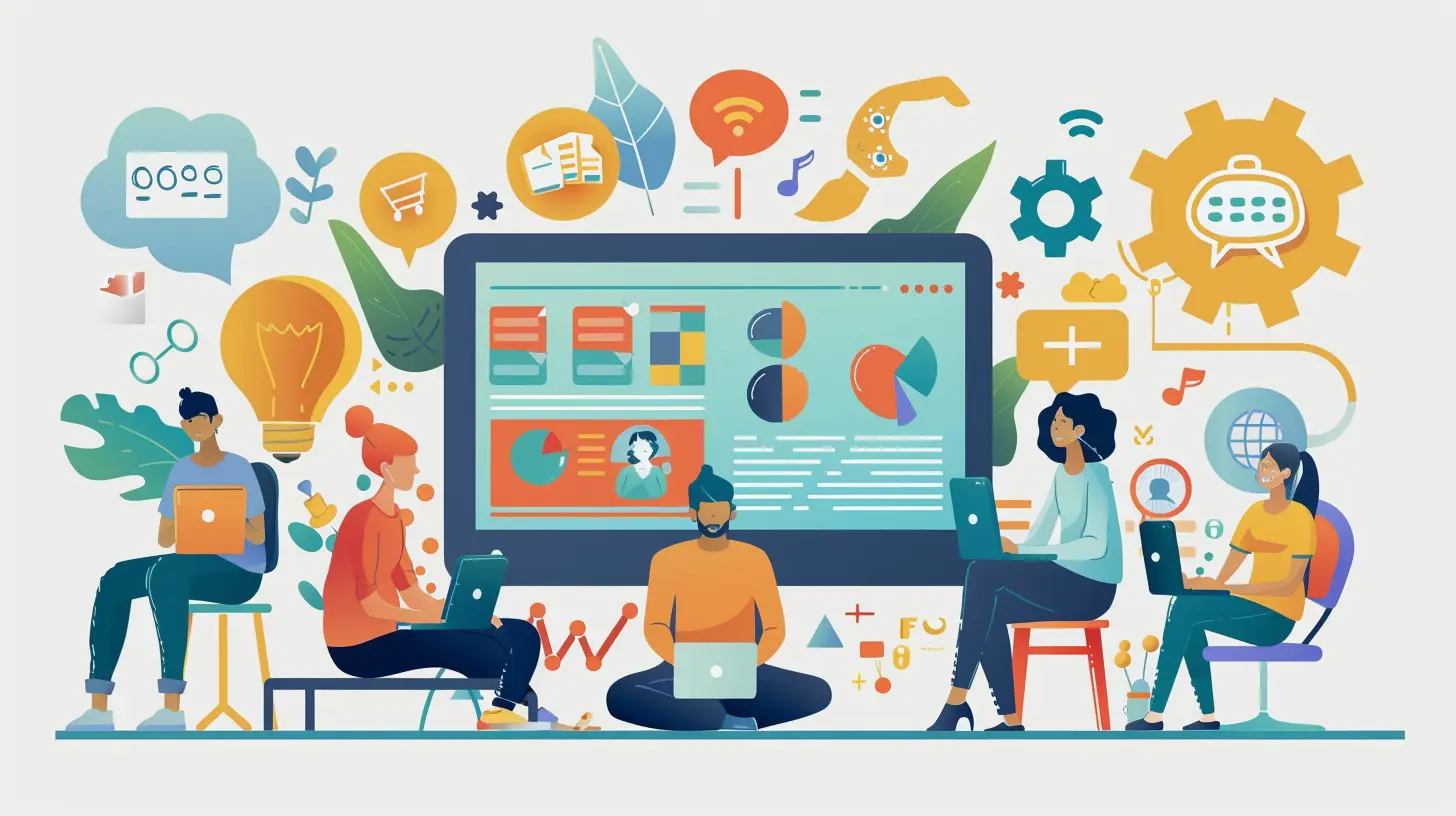
The Corporate World Gets a Makeover
Schools aren't the only ones cashing in. By 2026, companies will use adaptive learning to train employees without boring them to death. You know those mandatory compliance videos? The ones where you click "next" without reading? Yeah, those are dead.Instead, you'll log into a platform that knows your role, your skill gaps, and your learning style. If you're a visual learner, it shows you a diagram. If you learn by doing, it throws you into a simulation. And it adapts as you go. Struggling with data privacy rules? The platform slows down and gives you real-world examples. Nailing it? It fast-forwards to advanced topics.
The best part? No more one-size-fits-all training that wastes everyone's time. By 2026, companies will save millions because employees will learn faster and retain more. And they'll actually enjoy it. Imagine onboarding where you play a game instead of watching a PowerPoint. That's adaptive learning in action.
The Dark Side: What Could Go Wrong?
Okay, let's not pretend it's all rainbows and unicorns. Adaptive learning has a shadow side, and by 2026, we'll have to deal with it.First, privacy. These platforms collect a ton of data about you-your mistakes, your pace, your emotional state. That's gold for hackers or advertisers. Imagine your boss knowing you struggled with a task and using it against you. Or a platform selling your data to a college that decides you're "too slow" for admission. Scary, right? By 2026, we'll need ironclad laws to protect learners. Otherwise, adaptive learning becomes Big Brother with a diploma.
Second, the algorithm bias. If the platform was trained on data from wealthy students, it might not work well for kids from different backgrounds. It could even reinforce stereotypes. For example, it might assume a student from a low-income area is "behind" and dumb down the lessons, when really they just need different resources. By 2026, developers must build in fairness checks. Otherwise, we're just digitizing inequality.
Third, the human touch. Yes, adaptive platforms are smart. But they're not human. They can't hug you when you're frustrated or inspire you with a story. If we rely on them too much, we might lose the messy, beautiful chaos of real learning-the arguments, the laughter, the "aha" moments that come from a teacher's passion. By 2026, we need balance. Use the platform for the grunt work, but keep the humans for the soul.
A Day in the Life: 2026 Edition
Let me walk you through a typical student's day in 2026. Meet Jamie, a 10th grader. Jamie wakes up, grabs a tablet, and opens their adaptive learning app. The first thing it says is, "Good morning, Jamie. You missed a question about photosynthesis last night. Want to try a different version?" Jamie groans but agrees. The platform shows a 3D animation of a plant cell, and Jamie finally gets it.Then it's time for English. The platform knows Jamie loves sci-fi but hates poetry. So it sneaks in a poem disguised as a short story. Jamie doesn't even notice they're learning metaphor until the quiz. That's the genius-it tricks you into learning.
At school, the teacher uses the platform's data to group students for a debate. Jamie is paired with two kids who also struggle with persuasive writing. The platform gives them prompts and feedback as they argue. By the end of class, Jamie feels like a lawyer.
After school, Jamie uses the platform for SAT prep. It adapts to their weak spots-geometry-and drills them with puzzles instead of boring problems. Jamie actually looks forward to it. Crazy, right?
Will It Replace Degrees? (Spoiler: Not Yet)
By 2026, some people will argue that adaptive learning makes traditional degrees obsolete. Why spend four years in a lecture hall when you can master a skill in six months with a platform that tailors everything to you? It's a fair point. But degrees aren't just about knowledge. They're about networking, credibility, and the experience of being in a community.Adaptive learning will chip away at degrees, especially for vocational skills. Want to learn coding or digital marketing? A platform can get you job-ready faster than a university. But for fields like medicine or law, where hands-on mentorship matters, degrees will stick around. By 2026, we'll see a hybrid model: a short, adaptive course for the basics, followed by real-world practice with a human expert.
The Bottom Line: Get Ready for the Shift
By 2026, adaptive learning platforms won't be a novelty. They'll be as normal as Google. And that's a good thing. They'll save us from boring classes, wasted time, and the feeling of being left behind. They'll make learning feel like a game, a conversation, or a puzzle-not a chore.But we have to be smart about it. We can't let algorithms run wild. We need to protect privacy, fight bias, and keep humans in the loop. If we do that, adaptive learning will unlock potential we didn't even know we had.
So, are you ready? By 2026, you might be learning something new-and actually enjoying it. That's the real revolution.
all images in this post were generated using AI tools
Category:
Education TrendsAuthor:

Monica O`Neal
Discussion
rate this article
1 comments
Ian McNulty
This article presents a compelling view on the future of adaptive learning platforms. The insights on personalized education and technology's role in enhancing student engagement are particularly noteworthy. It will be interesting to see how these trends evolve by 2026 and shape the landscape of learning environments. Thank you for sharing this perspective.
May 19, 2026 at 3:02 AM
Monica O`Neal
I appreciate your thoughts! It's exciting to consider how these advancements will reshape education. Thanks for reading!