The Future of Hybrid Learning Models in 2026
2 May 2026
Remember back in 2020, when the whole world suddenly became a Zoom classroom? Teachers fumbled with mute buttons, students attended in pajamas, and everyone pretended that staring at a screen for six hours was just as good as being in a real room. That was the raw, messy birth of hybrid learning. Fast forward to 2026, and we are not just patching up that old model anymore. We are building something completely new. The future of hybrid learning models in 2026 is not about splitting attention between a physical classroom and a digital window. It is about creating a learning ecosystem that feels less like a compromise and more like a superpower.
If you think hybrid learning is still just about having a camera on in the back of a lecture hall, you are in for a surprise. The next few years will flip the script. Let us walk through what is actually coming, why it matters, and how it will change the way we think about education.
The End of the "Zoom Rectangle" Era
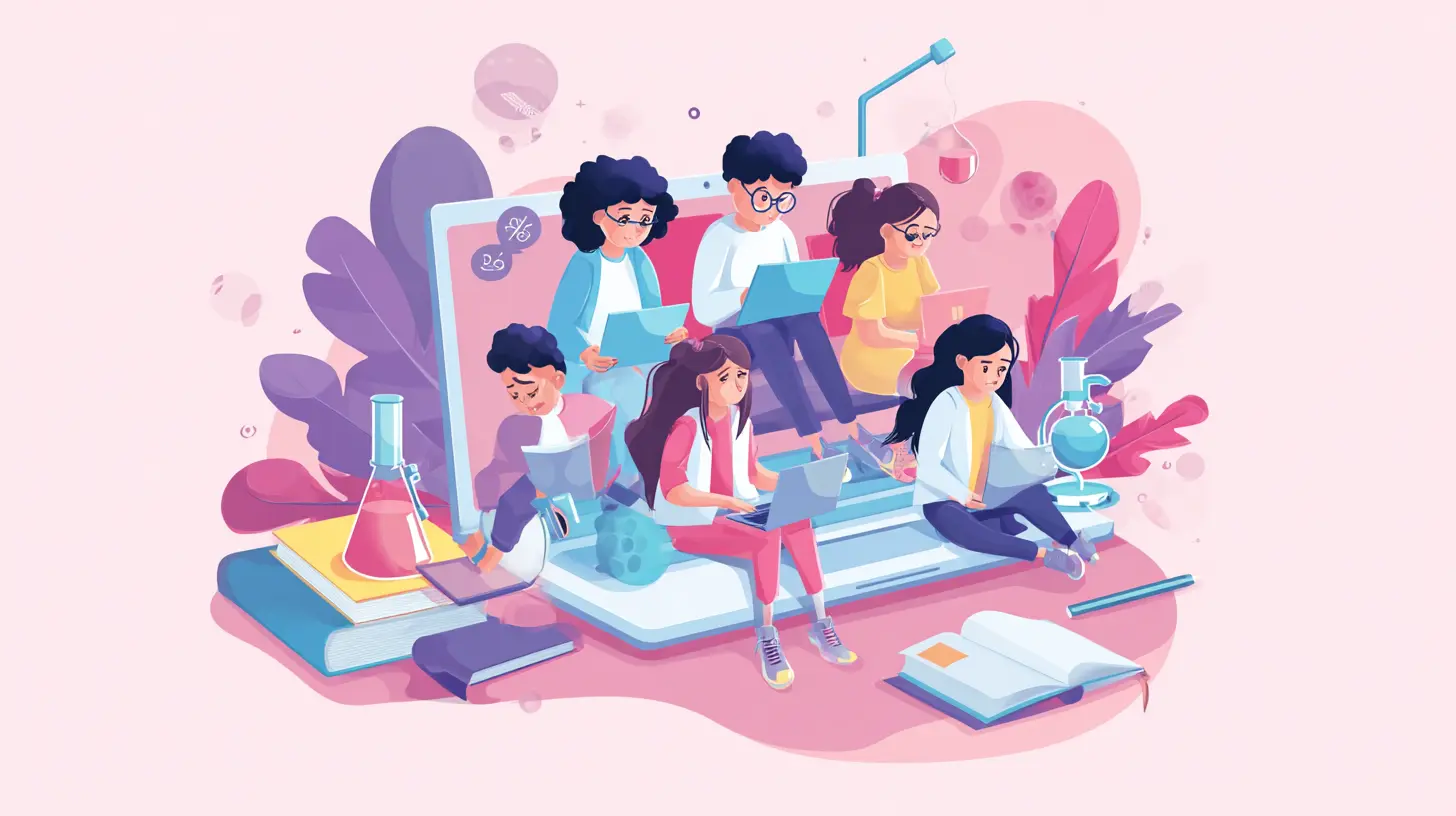
Let us be honest. The first generation of hybrid learning was not great. It was a reaction, not a revolution. Teachers talked to a room full of students while also talking to a laptop propped up on a stack of books. The remote students felt like ghosts. The in-person students felt like they were being filmed for a reality show nobody wanted to watch.By 2026, that awkward phase is over. The technology has matured. We are moving away from the idea that hybrid means "same lecture, two audiences." Instead, think of it as a single, fluid experience. The classroom is no longer a physical place. It is a shared space that exists both online and offline at the same time. The chair you sit in does not define your participation. Your engagement does.
Imagine a biology class where a student at home uses a VR headset to dissect a virtual frog, while a student in the lab uses a tablet to control the same 3D model. They are not watching the same screen. They are manipulating the same object. That is the shift. The technology is finally catching up to the vision.
Personalization Becomes the Default, Not the Bonus
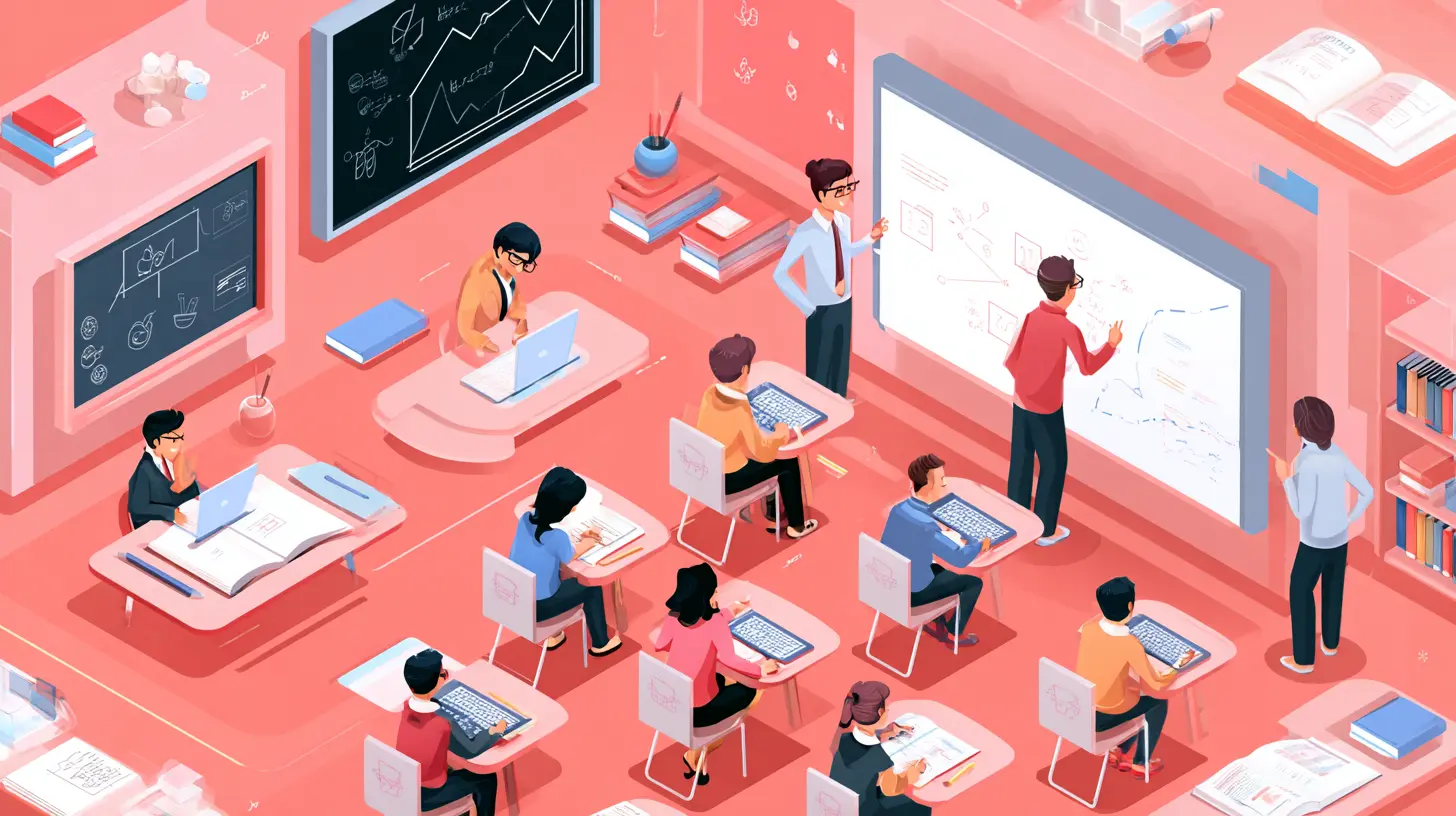
One of the biggest lies in traditional education is that everyone learns the same way at the same speed. We know that is nonsense. Some people need to read a concept three times. Others need to build something with their hands. The old model forced everyone into the same pace because the teacher could only be in one place at one time.In 2026, hybrid learning models will lean hard into personalization. Artificial intelligence will not replace teachers, but it will take over the boring stuff. Think of it like a smart assistant for each student. The AI tracks how you learn. Do you zone out during long lectures but remember everything from short quizzes? The system adapts. It breaks your day into chunks that match your natural attention span. It recommends videos, readings, or hands-on projects based on your progress.
This is not about letting students just do whatever they want. It is about removing the friction that comes from a one-size-fits-all approach. The teacher becomes a coach, a guide, and a mentor. They spend less time grading worksheets and more time having real conversations with students about their struggles and breakthroughs. That is the kind of education we all wish we had.
The Rise of "Phygital" Classrooms
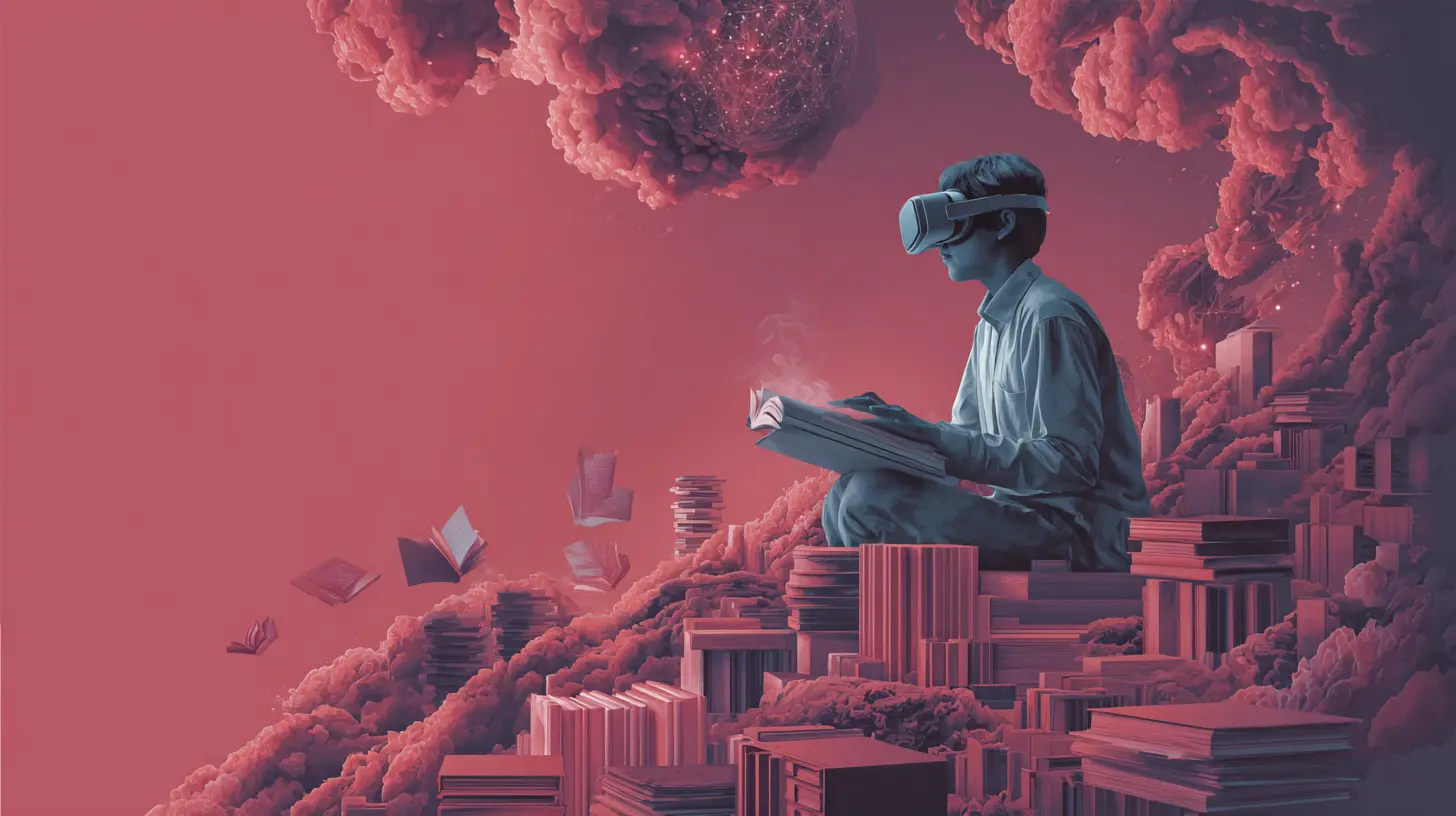
You might have heard the term "phygital" thrown around in marketing circles. It means blending physical and digital into one seamless experience. In education, this is going to be huge in 2026.Picture a history classroom that is not just walls and desks. There are smart boards that react to voice commands. There are sensors that track which exhibits students spend the most time looking at. There are augmented reality glasses that overlay historical maps onto the current floor plan. A student in Tokyo can walk through a recreation of ancient Rome, while a student in Rome can do the same thing from their living room. They are both in the same lesson, but they are each experiencing it in a way that makes sense for their environment.
This is not science fiction. These tools are already being tested in pilot programs around the world. The cost is dropping fast. By 2026, a mid-sized school district will be able to afford a phygital setup that would have cost millions just five years ago. The barrier is no longer technology. It is imagination.
Teachers Become Architects of Experience
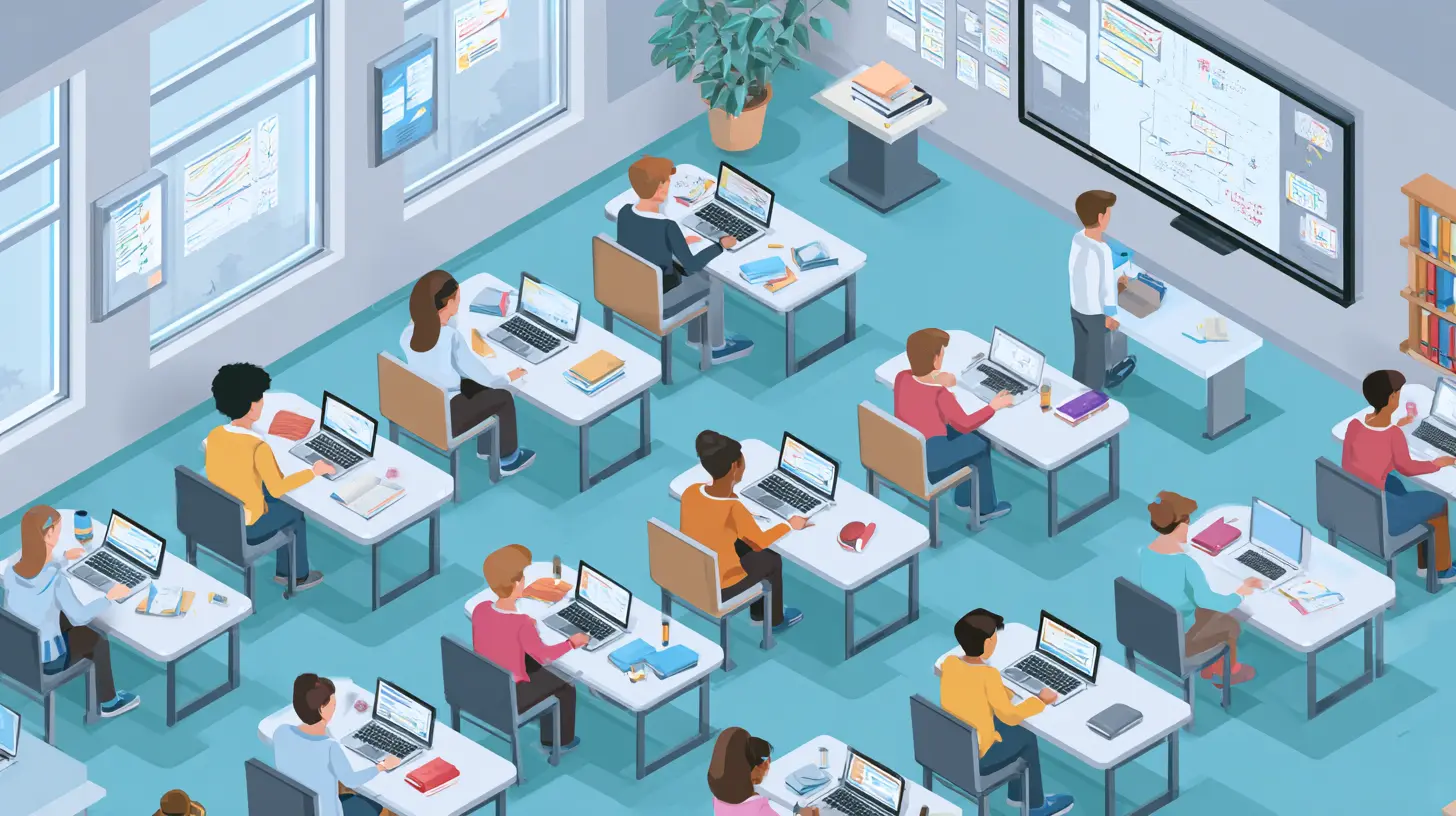
Here is a hard truth. The old model treated teachers like content delivery machines. Stand at the front, talk for 45 minutes, assign homework, repeat. That job is disappearing. Not because AI is taking over, but because we finally realize that a teacher's real value is not in reciting facts. It is in designing learning experiences.In 2026, a hybrid learning model demands that teachers think like architects. They plan a lesson that works across multiple modes. Some students will be in the room. Some will be at home. Some will join later on demand. The teacher does not have to be "on" for every single minute. Instead, they curate a flow of activities. A short video introduction. A collaborative digital whiteboard session. A breakout room discussion. A quick poll. A hands-on experiment that can be done with household items.
The teacher's role shifts from performer to facilitator. They walk around the room, but they also pop into virtual breakout rooms. They answer questions in a chat while also helping someone in person. This is harder than the old way, but it is also more rewarding. Teachers finally get to do what they signed up for: help people learn, not just deliver information.
Assessment Gets a Total Overhaul
Let us talk about tests. Everyone hates them. Students cram, forget everything the next week, and call it learning. Hybrid models in 2026 will kill the traditional final exam as we know it. Why? Because it does not make sense anymore.When learning happens across multiple spaces and times, assessment has to follow. Instead of one high-stakes test, we will see continuous, low-stakes assessment. Think of it like a fitness tracker for learning. You do not just step on a scale once a year. You track your steps, your heart rate, your sleep. In education, the system tracks your understanding in real time.
A student might submit a short video reflection after a lesson. They might complete a quick simulation that proves they can apply a concept. They might collaborate on a project that is graded by both peers and the teacher. The data piles up. By the end of the semester, there is a rich portrait of what the student actually knows and can do. No more all-night cram sessions. No more test anxiety that wipes out months of effort.
This is better for everyone. Students feel less pressure. Teachers get a clearer picture. Employers and colleges get a more honest assessment of skills. It is a win-win-win.
Equity: The Elephant in the Room
We cannot talk about the future of hybrid learning without addressing the ugly side. Not every student has a reliable internet connection. Not every home has a quiet space to study. Not every school can afford VR headsets and smart boards.The best hybrid models in 2026 will not ignore this. They will build for it from the ground up. That means designing lessons that work on a cheap smartphone as well as a high-end laptop. It means providing offline versions of content that can be downloaded during school hours and accessed later. It means schools becoming community hubs where students can come to use the technology they do not have at home.
The worst thing we can do is create a two-tier system. The rich kids get the immersive VR experience. The poor kids get a grainy YouTube video. That is not innovation. That is inequality with a fancy name. The smartest educators and technologists are already working on this problem. By 2026, I expect to see more partnerships between schools, internet providers, and local governments to close the gap. It will not be perfect, but it will be better than what we have now.
The Social Side: Loneliness Is a Real Problem
Here is something nobody talks about enough. Hybrid learning can be lonely. When you are at home staring at a screen, you miss the small moments. The joke before class starts. The group that walks to lunch together. The spontaneous study session that turns into a friendship.In 2026, successful hybrid models will take social connection seriously. This is not about forcing awkward icebreakers. It is about designing for community. There will be virtual common rooms where students can hang out before class. There will be structured group projects that require real collaboration, not just dividing up slides. There will be in-person meetups and events that are built into the curriculum, not just optional extras.
Think of it like a good multiplayer video game. The best games do not just give you a mission. They give you a world to explore with other people. Education needs to borrow that idea. Learning is social. It always has been. The technology should amplify that, not replace it.
What About the Parents?
Parents have been the silent heroes of the hybrid learning experiment. In 2020, they suddenly became IT support, lunch monitors, and substitute teachers all at once. It was exhausting. By 2026, the model has to be easier for families, not harder.That means clearer communication. A single dashboard where parents can see what their child is working on, what they are struggling with, and what they need help with. It means flexible schedules that respect that families have different rhythms. Some kids do their best work at 6 AM. Others at 9 PM. A rigid 8 AM to 3 PM schedule does not fit everyone.
The best hybrid models will give families more control, not less. They will trust parents to be partners, not just bystanders. And they will provide the tools to make that partnership work without adding stress.
The Role of Data and Privacy
All this personalization and tracking relies on data. Lots of it. That is a double-edged sword. On one hand, data can help a student who is falling behind get the support they need before they fail. On the other hand, nobody wants a corporation or a government knowing everything about how their child learns.In 2026, we will see stricter regulations around educational data. Schools will have to be transparent about what they collect and why. Students and parents will have more control over their own information. The companies that build learning tools will have to prove they are trustworthy, not just convenient.
This is not a side issue. It is central to the whole model. If people do not trust the system, they will not use it. The future of hybrid learning depends on getting this right.
A Realistic Look at What Will Actually Change
I am not going to pretend that 2026 will be a utopia. There will still be bad teachers. There will still be broken software. There will still be students who slip through the cracks. But the direction is clear.We are moving from a model where "hybrid" meant doing two things badly to a model where it means doing one thing well. The classroom is no longer a room. It is a network. The teacher is no longer a lecturer. They are a guide. The student is no longer a passive receiver. They are an active participant in their own learning.
The tools are getting better. The understanding is getting deeper. The culture is finally shifting. If you are a teacher, a parent, or a student, the next few years are going to be wild. But in a good way. The future of hybrid learning models in 2026 is not about technology for its own sake. It is about using technology to do what humans have always wanted: learn together, no matter where we are.
So, are you ready for it? Because it is coming faster than you think.
all images in this post were generated using AI tools
Category:
Education TrendsAuthor:

Monica O`Neal
Discussion
rate this article
2 comments
Zephyrion Underwood
Hybrid learning models will redefine education and enhance student engagement.
July 22, 2026 at 4:04 AM
Zaylee McHugh
This article offers a refreshing perspective on hybrid learning's evolution. The insights into emerging technologies and teaching methods provide a glimpse of how education could transform, making learning more accessible and engaging by 2026.
May 15, 2026 at 4:34 AM
Monica O`Neal
Thank you for your kind words! I'm glad you found the insights valuable. Exciting times ahead for hybrid learning!