The Future of Dorm Living and What Students Should Expect
29 November 2026
Dorm life has always been a rite of passage, but the version students are walking into now looks different from the one their parents remember. The changes are not just cosmetic. They reflect deeper shifts in how universities think about student success, how housing markets operate near campuses, and how students themselves approach the trade-off between privacy, cost, and community. Anyone preparing for college housing, whether a first-year student, a transfer, or a parent helping with logistics, benefits from understanding where dorm living is heading and what that means for daily life.
This article examines the forces reshaping residence halls, the practical realities students will face, and the decisions that matter most. It avoids hype and focuses on what is actually changing, why it is changing, and how to prepare.
Why Dorm Living Is Changing at All
Residence halls sit at the intersection of several pressures that have intensified over the past decade. Enrollment patterns have become less predictable, construction and renovation costs have risen, and students and families have become more price-sensitive. At the same time, universities have gathered more evidence about what actually helps students persist and graduate, and housing is one of the levers they can control.There is also a cultural shift. Students arriving on campus today have different expectations about privacy, technology, and personal space than previous generations. Many have grown up with their own bedrooms and reliable high-speed internet. They expect housing to function as a living and working environment, not just a place to sleep. Universities that ignore this expectation struggle to fill beds, especially when off-campus options are competitive.
The result is a period of experimentation. Some campuses are building smaller, more flexible units. Others are renovating older halls with a focus on shared common space rather than private rooms. A few are partnering with private developers to finance construction. Each approach carries trade-offs that students should understand before signing a housing contract.
The Design Shift: Smaller Rooms, Bigger Commons
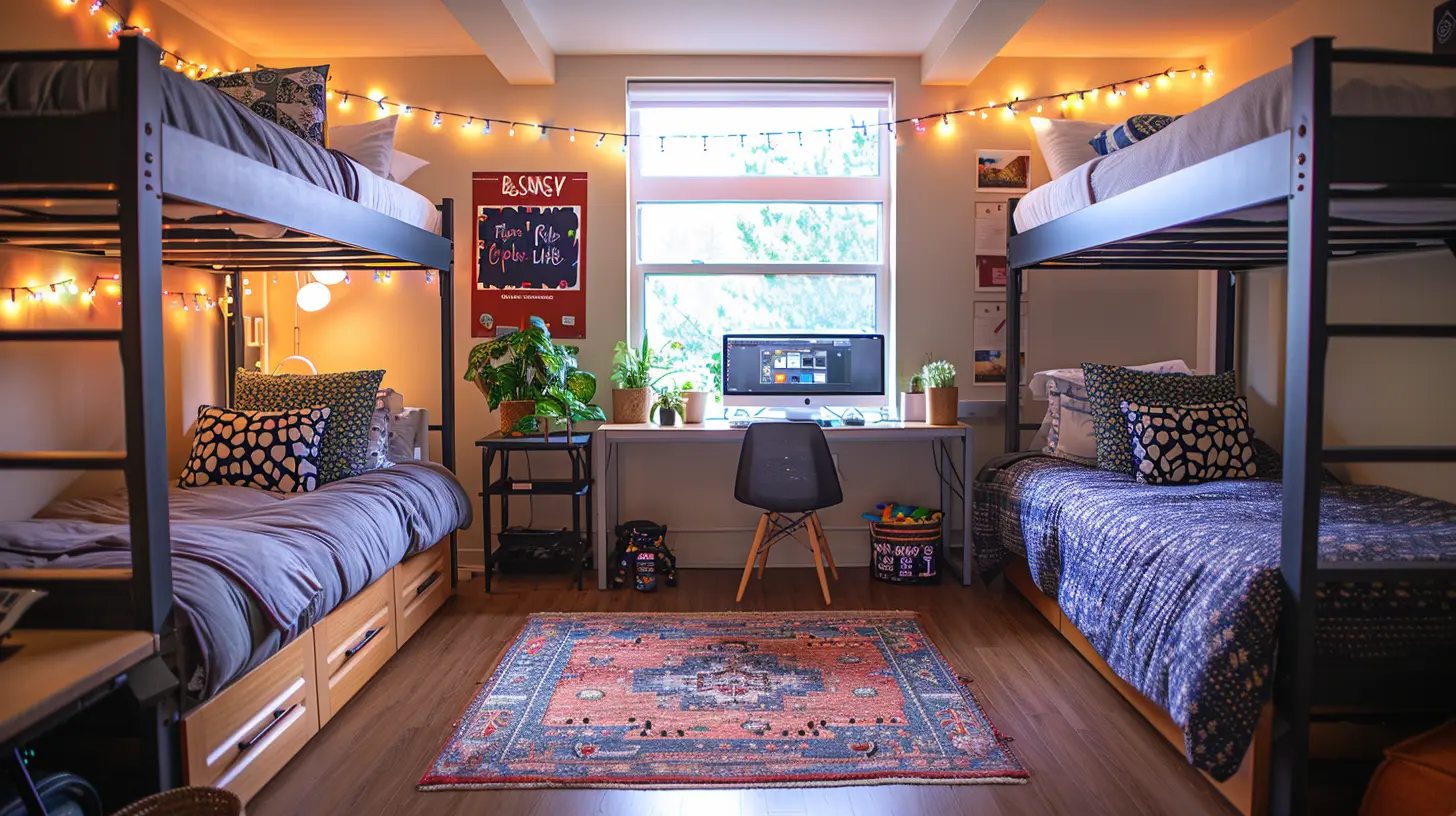
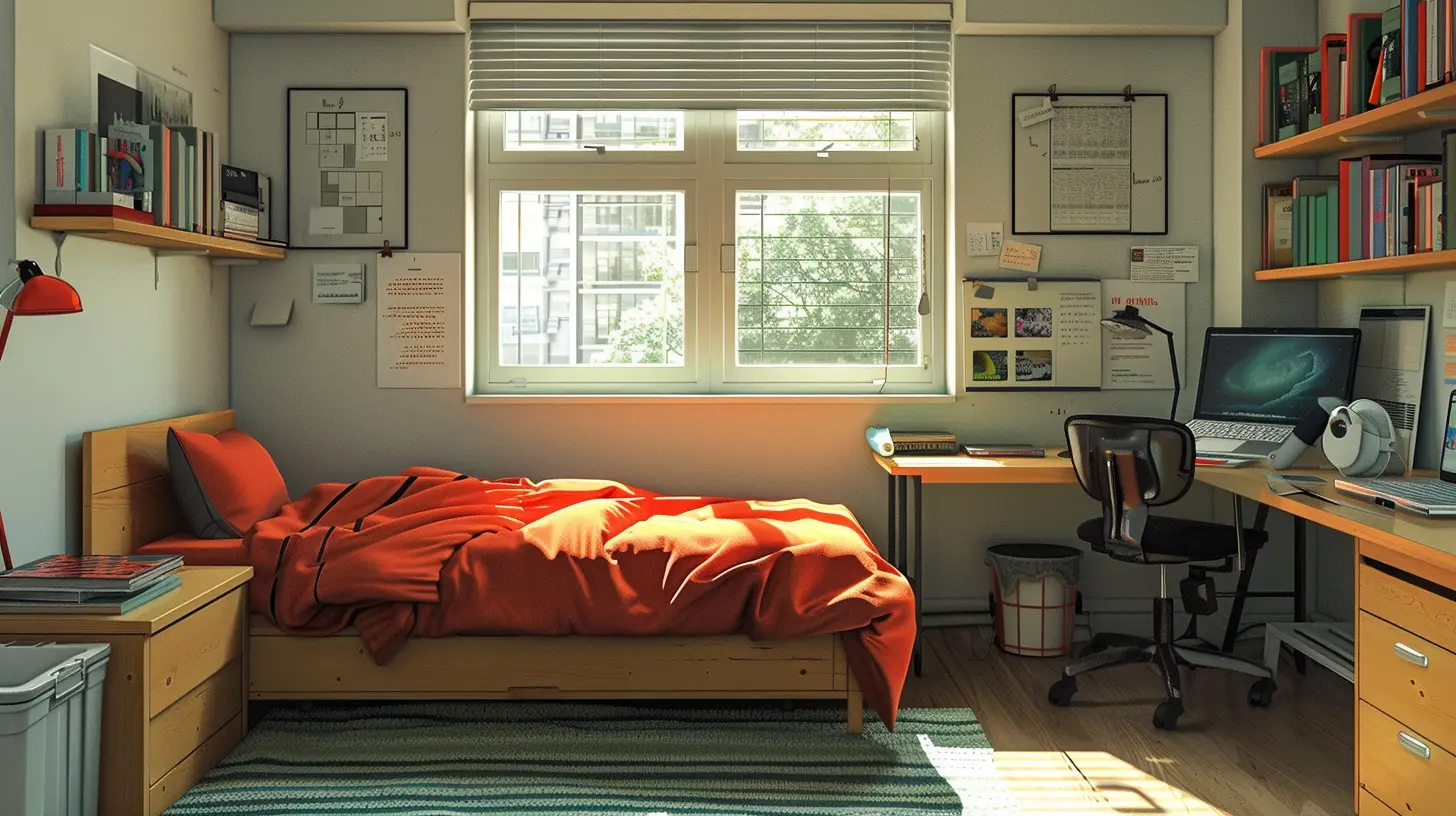
One of the most visible trends is a rebalancing of private and shared space. Older residence halls often featured double rooms arranged along long corridors, with a shared bathroom at the end. Newer designs tend to shrink the private footprint and expand common areas: communal kitchens, study lounges, maker spaces, and outdoor gathering spots.Why does this work? Research on student engagement consistently suggests that informal interaction with peers contributes to belonging and persistence. A student who has a comfortable place to study near other people is more likely to form study groups and stay connected. By contrast, a large private room with a door that closes easily can encourage isolation, particularly for students who are already prone to withdrawing.
But there is a trade-off. Smaller rooms mean less storage, less personal space, and more reliance on shared facilities. Students who need quiet and privacy to recharge may find this arrangement stressful. The key is fit: an introverted student may thrive in a suite-style layout with a small private bedroom and a shared living area, while an extroverted student may prefer a traditional corridor where interaction is constant.
When evaluating a hall, look beyond the square footage of the room. Ask about the ratio of common space to private space, the location of study rooms, and whether the building has quiet hours that are actually enforced. A hall with generous common space but no enforcement of quiet policies can be worse than a smaller, better-managed building.

Suite-Style and Apartment-Style Living
Suite-style and apartment-style units have become more common, particularly for upperclassmen. These arrangements typically include a private or semi-private bedroom, a shared bathroom, and a shared living area or kitchen. They offer more independence and often appeal to students who want to cook for themselves or who find traditional halls too noisy.The advantage is clear: more control over daily life and a gentler transition to independent living. The disadvantage is that these units can cost more and may reduce the spontaneous social contact that first-year students benefit from. A student who moves directly into an apartment-style unit as a first-year may find it harder to build a social network, because the built environment discourages casual interaction.
Universities often address this by reserving apartment-style housing for upperclassmen or by pairing it with structured programming. Students should ask whether the building has resident advisors, floor events, or other mechanisms that create connection. If the answer is no, the independence comes at a social cost.
There is also a practical consideration: apartment-style units often require students to manage their own cleaning, cooking, and grocery shopping. For some, this is a welcome step toward adulthood. For others, especially during a demanding first semester, it adds stress that can affect academic performance. Neither choice is wrong, but the decision should be deliberate.
Technology as Infrastructure, Not Amenity
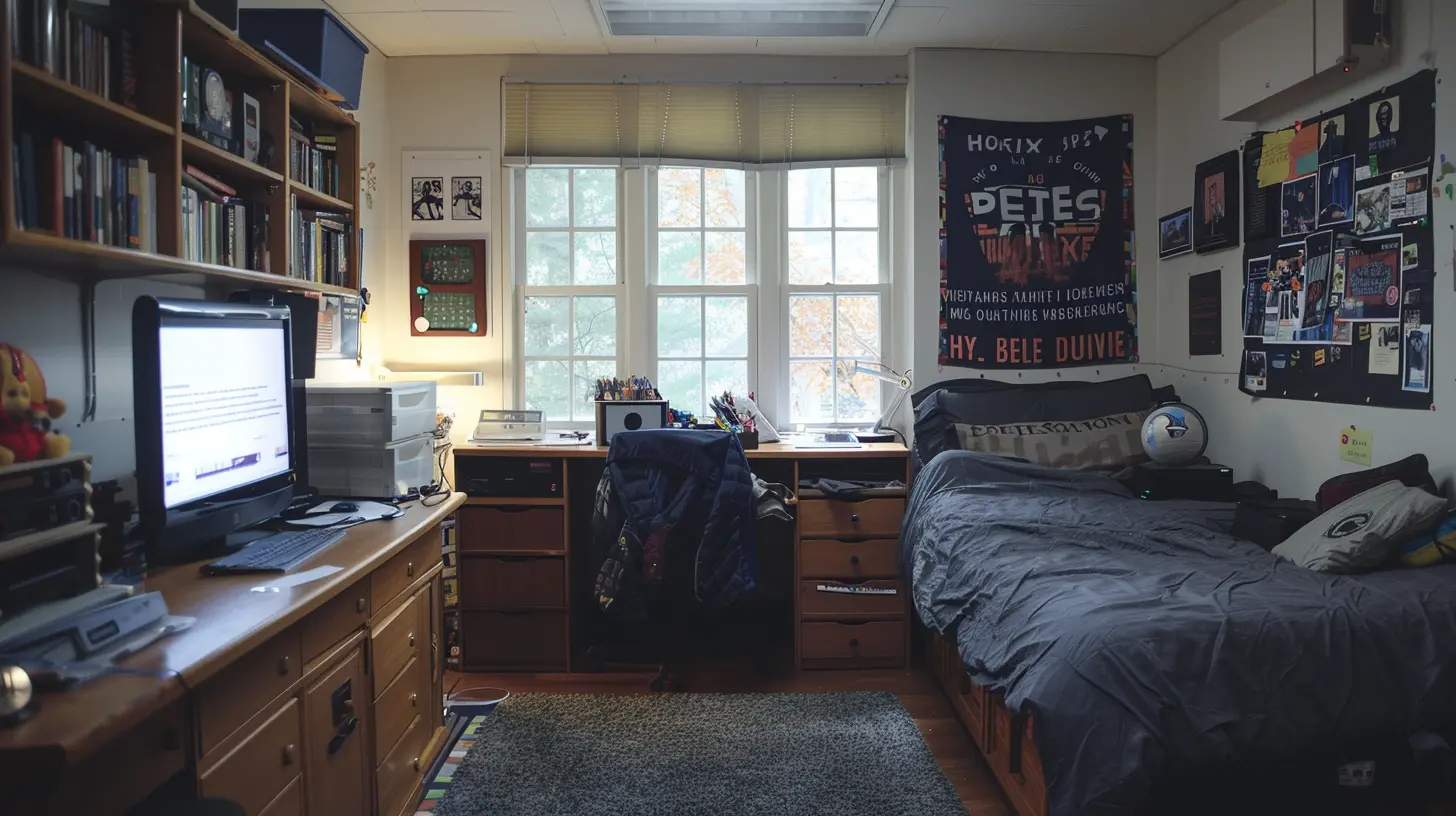
A decade ago, reliable internet in a residence hall was a selling point. Today it is a baseline expectation, and the conversation has moved to what the network can support. Students now use housing networks for streaming, online exams, video calls, and increasingly for coursework that involves large files or specialized software.The practical implication is that students should ask specific questions about connectivity before committing. Is Wi-Fi available in every room, or only in common areas? Is there a wired connection for gaming or heavy uploads? What happens during peak hours, and is there a support desk for technical issues? These questions sound mundane, but a weak connection can disrupt online exams and remote interviews, both of which have real consequences.
There is also a privacy dimension. Smart locks, building access apps, and in-room sensors are becoming more common. These systems can improve security and convenience, but they also generate data. Students should understand what is being collected and who has access. A residence hall that tracks entry patterns may use that data to improve security, but the same data could be used in ways students did not anticipate. Asking about data policies is a reasonable step, not paranoia.
Cost Structures and What Families Should Model
Housing costs have risen faster than inflation in many markets, and the pricing structures have become more complex. Students may encounter tiered rates based on room type, building age, or amenities. Some universities bundle utilities and meal plans into a single rate; others itemize. Understanding the full cost requires reading the contract carefully and modeling the total, not just the headline rent.A useful exercise is to compare three scenarios: a traditional double in an older hall, a suite-style unit, and an off-campus apartment. For each, calculate the total cost including utilities, internet, furniture, commuting, and food. Off-campus housing often looks cheaper on rent alone but becomes comparable once transportation and furnishing costs are added. On-campus housing may cost more but includes convenience and, in many cases, a support structure that has real value.
Students should also ask about the terms of the contract. Is it a full academic year, or can it be prorated? What happens if a student withdraws or takes a leave of absence? Are there penalties for breaking the lease? These details matter, especially for students whose plans may change.
The Social Contract of Shared Living
Dorm living is, at its core, a social contract. Students share space, resources, and responsibility. The quality of that experience depends heavily on clear expectations and enforcement.One misconception is that roommate conflicts are rare or easily resolved. In reality, most students encounter some friction, whether over sleep schedules, cleanliness, or noise. The difference between a manageable conflict and a serious problem often comes down to whether the hall has a clear process for addressing issues. Resident advisors, mediation services, and room change policies all matter.
Students should ask about these processes before moving in. How are roommate assignments made? Is there a questionnaire that captures sleep habits and study preferences? What is the process for requesting a room change, and how long does it take? A hall with a transparent process is easier to navigate than one where students feel stuck.
There is also a broader cultural question. Residence halls are increasingly expected to support student well-being, not just provide shelter. That can mean mental health resources, peer support programs, and staff training in crisis response. These services vary widely, and students should know what is available. A hall with a resident director who is trained to recognize distress is a different environment from one where staff are primarily focused on facilities.
Staffing Models and What They Mean for Students
The people who run a residence hall shape the experience as much as the building itself. Staffing models range from professional live-in staff to graduate assistants to undergraduate resident advisors. Each model has strengths and weaknesses.Professional staff tend to bring more experience and stability, which can be valuable in complex situations. Graduate assistants often combine housing duties with their own academic work, which can create scheduling challenges but also brings a peer perspective. Undergraduate resident advisors are typically closest in age to residents and can be highly effective at building community, but they are also students with their own academic demands.
Students should understand who is responsible for what. Who handles maintenance requests? Who responds to a noise complaint at 2 a.m.? Who is trained in mental health first aid? A clear answer to these questions indicates a well-organized hall. Vague answers suggest that the building may be understaffed or that responsibilities are unclear.
Common Mistakes Students Make
Several mistakes come up repeatedly. The first is choosing a hall based on amenities rather than fit. A building with a gym and a coffee shop may look appealing, but if it is far from classrooms and the student has early classes, the daily commute can become a source of stress.The second is ignoring the contract. Housing agreements are legal documents, and students who skim them often discover restrictions or fees they did not expect. Reading the contract, asking questions, and keeping a copy is basic but essential.
The third is overcommitting to a single living arrangement. Students sometimes assume they will stay in the same hall for all four years, then find that their needs change. A first-year student may want a traditional hall for the social experience, while a junior may prefer an apartment. Planning for flexibility, and understanding how the housing lottery or assignment process works, can prevent unpleasant surprises.
The fourth is underestimating the importance of location. A hall that is a ten-minute walk from the library is a different experience from one that requires a bus ride. Students should map out their daily routes and consider how they will get to classes, dining, and social events, especially in bad weather.
What to Ask Before Signing
A practical checklist helps. Ask about the total cost, including any mandatory fees. Ask about the length of the contract and the process for breaking it. Ask about internet reliability and technical support. Ask about staffing, including who is on call overnight. Ask about the process for roommate assignments and room changes. Ask about quiet hours and how they are enforced. Ask about data collection and privacy policies for any smart systems. Ask about move-in and move-out dates and any associated fees.These questions are not adversarial. They are the same questions a careful tenant would ask before renting an apartment. Universities expect them, and the answers reveal a great deal about how the hall is run.
The Direction of Travel
Looking ahead, several trends seem likely to continue. Housing will become more flexible, with shorter contracts and more options for students who need to move between in-person and remote learning. Technology will become more embedded, raising questions about privacy that campuses are still working through. And the competition between on-campus and off-campus housing will continue to shape pricing and amenities.For students, the practical takeaway is to treat housing as a decision with real consequences, not an afterthought. The right hall can support academic success, social connection, and personal growth. The wrong one can add stress at a time when students are already adjusting to a new environment. Asking good questions, reading the fine print, and thinking about fit rather than flash will serve students well, regardless of how the buildings themselves evolve.
all images in this post were generated using AI tools
Category:
Student LifeAuthor:

Monica O`Neal