How Policymakers Can Improve Access to Education for Students with Disabilities
1 August 2026
Let’s face it — the world of education can be a maze, and when you throw disabilities into the mix, that maze can become downright overwhelming. Every student deserves the chance to shine, to find their “Aha!” moment, and to carve their path. But for students with disabilities, that journey often hits way more speed bumps than it should. So, how do we fix that? Well, buckle up — because we’re diving into how policymakers can (and should) step up their game to make education more inclusive, more accessible, and yes, a whole lot more empowering.
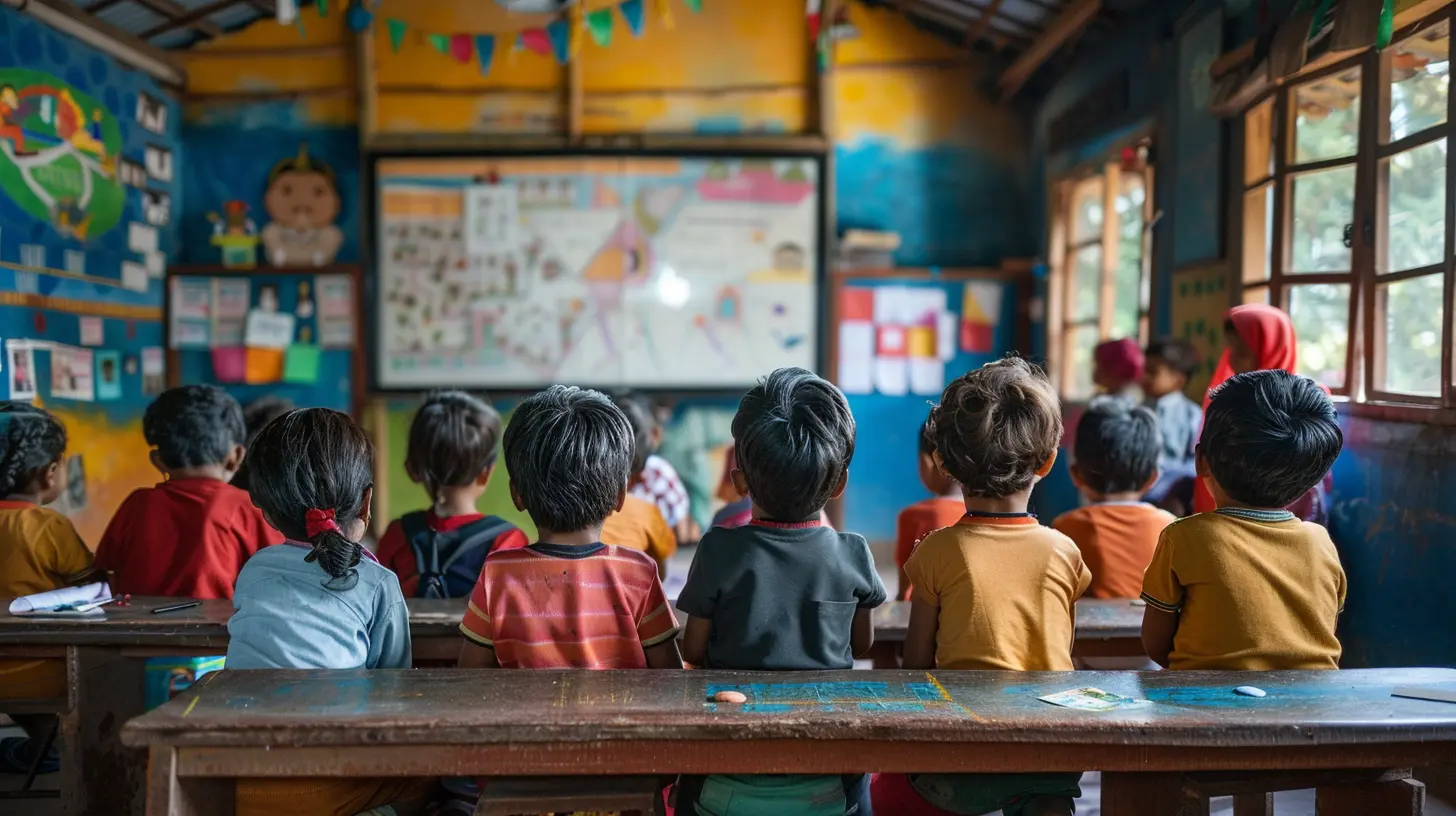
Why This Matters More Than Ever
Before we start pointing fingers... let’s talk heart. Education isn't just about grades or report cards — it’s about building futures. For students with disabilities, access to a quality education can be life-changing. Unfortunately, many of these students are still shut out — not because they lack potential, but because the system wasn't built with them in mind.Now, here’s the kicker: the number of students with disabilities is not small. We’re talking millions globally. So if we don't address their needs, we’re leaving a massive chunk of society behind. And that’s not just unfair — it’s unacceptable.
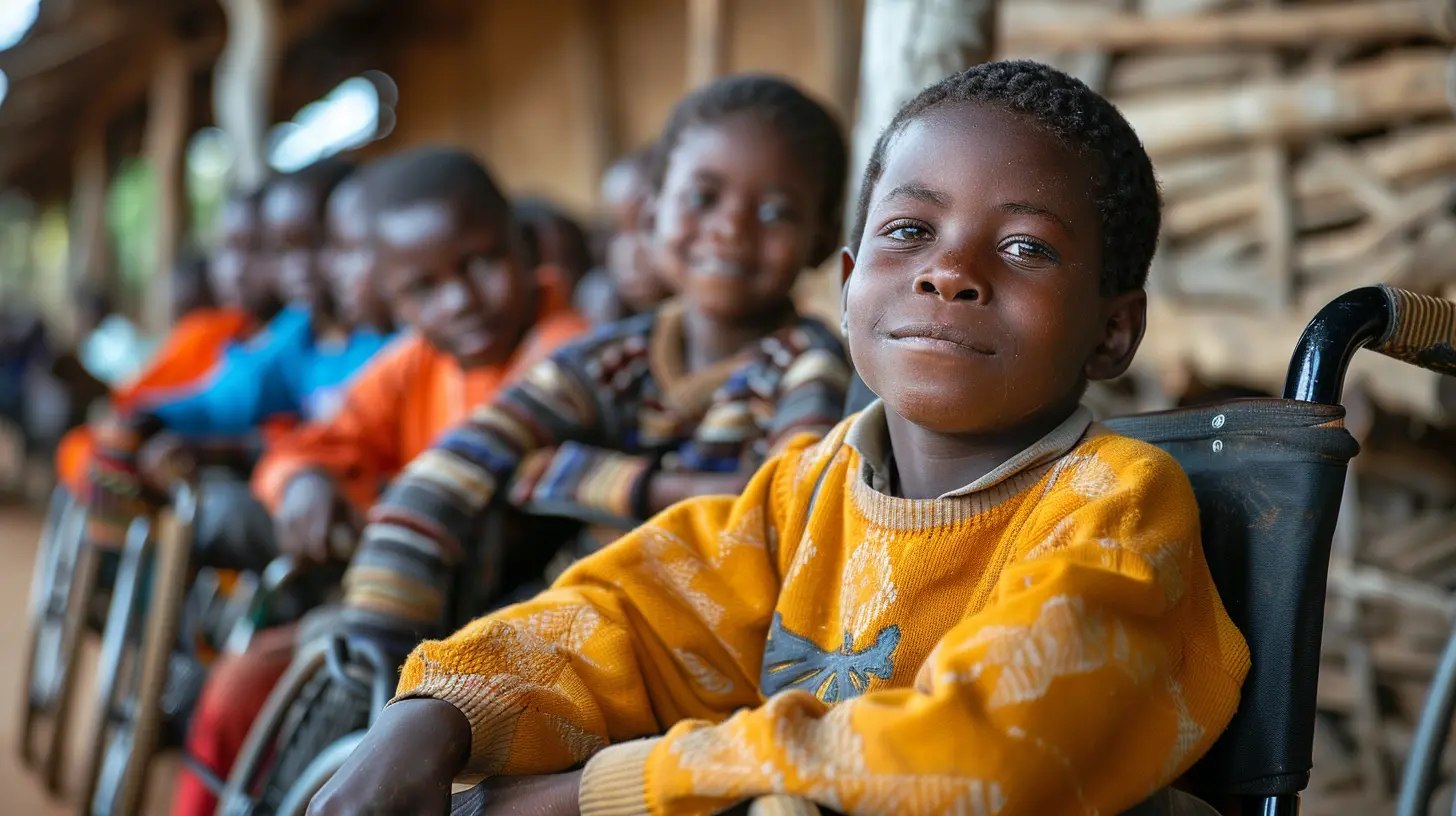
So, Who Are the Policymakers Anyway?
Glad you asked! Policymakers are those behind-the-scenes folks who shape the rules, laws, and systems that affect our schools. Think government officials, education board members, legislators, and even some nonprofit leaders. They're the ones with the power to push the needle.If you’re picturing someone in a suit and tie with a clipboard, you’re not wrong — but they can also be community leaders or advocates who know where change is needed and have the tools to make it happen.
Alright, let’s roll up our sleeves. Here's how policymakers can improve access to education for students with disabilities — one thoughtful step at a time.
1. Start With Listening — Like, Really Listening
Imagine showing up to a party where no one asks what kind of music you like. Kind of a bummer, right? That’s what it’s like when policies are made about students with disabilities without actually talking to them — or their families, teachers, and advocates.Policymakers need to:
- Host public forums and community discussions
- Involve students with disabilities in decision-making
- Regularly consult with educators and disability experts
When you listen, you learn. And when you learn, you lead better.
2. Revamp Infrastructure – Accessibility Is Key
Ever tried getting up a stairway in a wheelchair? Or reading a textbook when you're visually impaired and there's no alternative format available?Accessibility isn't a luxury. It’s a right.
Policymakers can:
- Allocate funding for ramp installations, accessible restrooms, and elevators
- Make sure digital platforms are screen-reader friendly
- Ensure school buses accommodate all types of mobility aids
Basically, every student should be able to physically get to the classroom and engage with what’s being taught once they’re there.
3. Invest in Teacher Training – Knowledge Is Power
You can't teach what you don't understand. And too often, teachers don't get the training they need to support students with disabilities.Let’s fix that.
Here’s a few ideas:
- Fund ongoing professional development focused on inclusive teaching
- Offer incentives (like bonuses or certifications) for teachers who specialize in special education
- Promote co-teaching models where general and special educators work together
Teachers are superheroes — but even superheroes need the right tools.
4. Prioritize Individualized Learning Plans (IEPs)
You know how everyone has their own learning style? Well, for students with disabilities, that individuality isn’t just a preference — it’s essential.IEPs (Individualized Education Programs) are like roadmaps customized for each student. But they only work if they’re taken seriously.
Policymakers should:
- Mandate regular updates and reviews of IEPs
- Encourage family involvement in IEP creation
- Enforce accountability to make sure plans are actually followed
Think of it like GPS for learning — everyone needs directions that make sense for them.
5. Fund Assistive Technology – Because Gadgets Can Be Game-Changers
Let’s hear it for technology! ?? From text-to-speech software to adaptive keyboards and communication apps, assistive tech can open doors many students never thought possible.But here’s the problem: it often comes with a hefty price tag.
Policymakers need to:
- Include assistive tech in school budgets
- Offer grants or subsidies for families who need it at home
- Provide training so students and teachers know how to use the tools
Just like a calculator helps with math, these tools help level the playing field.
6. Enforce Anti-Discrimination Laws – No Ifs, Ands, or Buts
Sadly, discrimination — though illegal — still creeps into schools. Whether it’s subtle exclusion or outright denial of services, it’s harmful and needs to stop.Policymakers should:
- Enforce existing laws like the ADA and IDEA with stronger oversight
- Create clear reporting systems for violations
- Penalize non-compliance in meaningful ways
Inclusion shouldn’t be optional — it should be the standard.
7. Create Pathways Beyond K-12 – Don’t Forget the Bigger Picture
Education doesn’t stop after high school, right? So why should support for students with disabilities?We’re talking about:
- Accessible college campuses
- Career training programs tailored for diverse abilities
- Internship opportunities that value all learners
Policymakers can work with universities, vocational programs, and industries to ensure that access doesn’t end at graduation.
Let’s not just prepare students for tests — let’s prepare them for life.
8. Promote Inclusive Curriculum – Representation Really Matters
You know what’s cool? Seeing someone like you in a textbook or classroom story. It’s validating. It’s empowering.That’s why inclusive curriculum is vital:
- Highlight achievements by individuals with disabilities
- Teach students about accessibility and empathy
- Bust stereotypes and promote understanding
Policymakers can push for curriculum standards that celebrate diversity — not brush past it.
9. Support Parental Involvement – Because No One Advocates Like a Parent
When it comes to navigating the system, no one works harder than a parent trying to help their child succeed. So why not make their job a little easier?Policymakers can:
- Offer resources and training for parents
- Ensure they have a seat at the table during IEP meetings
- Provide language translation services if needed
Parents aren’t the problem — they’re the partners. Let’s empower them.
10. Make Data-Driven Decisions – Numbers Don’t Lie
Want to know what’s working and what’s not? Track it.Policymakers should:
- Collect data on enrollment, achievement, and graduation rates for students with disabilities
- Use that data to assess programs and revise ineffective policies
- Ensure transparency so communities stay informed
Because if you’re not measuring progress, how will you know if you’ve moved the needle?
A Few Final Thoughts (And a Gentle Nudge)
If education is the key to the future, then every student deserves a turn at the lock. Students with disabilities aren’t asking for special treatment — just equal footing. And honestly, that doesn’t seem like too much to ask.Policymakers hold the pen that writes the rules. So let’s write ones that say:
- You belong.
- You matter.
- You will have the support you need to thrive.
It’s not just good policy — it’s the right thing to do.
And hey, if you’re not a policymaker yourself, don’t worry. You can still raise your voice, start conversations, and vote for leaders who make inclusion a priority. Change starts with awareness — and a little heart.
all images in this post were generated using AI tools
Category:
Education PolicyAuthor:

Monica O`Neal
Discussion
rate this article
1 comments
Mason Reyes
Great insights! Together, we can pave the way for inclusive education.
August 1, 2026 at 4:42 AM
Monica O`Neal
Thank you! Collaboration is key to creating a more inclusive education system.