Reducing Screen Time by Encouraging Active Play in PE
13 April 2026
In today's world, screens are everywhere. From smartphones and tablets to laptops and TVs, we are constantly surrounded by technology. For many kids, much of their free time is spent staring at a screen, whether they're watching videos, playing video games, or scrolling through social media. But with all this screen time comes a downside: less physical activity.
That’s where Physical Education (PE) can come into play – quite literally. Schools have an amazing opportunity to counterbalance excessive screen time by promoting active play during PE lessons. This not only helps students physically but also mentally and socially. Want to know how? Let’s dive deep into the importance of reducing screen time and how active play in PE can make it happen.
The Growing Concern of Screen Time
How Much Screen Time is Too Much?
Ever wonder if all that screen time is really a problem? The short answer: yes, it can be. According to the American Academy of Pediatrics, children aged 8 to 18 spend an average of 7.5 hours per day in front of a screen. That’s a lot of time that could be spent doing other things – like playing outside, engaging with friends, or even just daydreaming.But it’s not just about how long kids are on their devices; it’s also about what they’re not doing while glued to their screens. Studies show that excessive screen time is linked to a host of issues, including obesity, sleep problems, and even mental health concerns like anxiety and depression. Yikes, right?
The Sedentary Lifestyle Problem
When kids are spending hours sitting in front of screens, they're not moving. And when they’re not moving, they're not getting the physical exercise they need to stay healthy. This sedentary lifestyle contributes to a variety of health problems, including poor cardiovascular health, weakened muscles, and a higher risk of chronic diseases down the road.But here’s the thing: kids love their screens. So, how do we get them off the couch and moving their bodies without having to pry the tablet out of their hands? That’s where active play in PE comes into the picture.
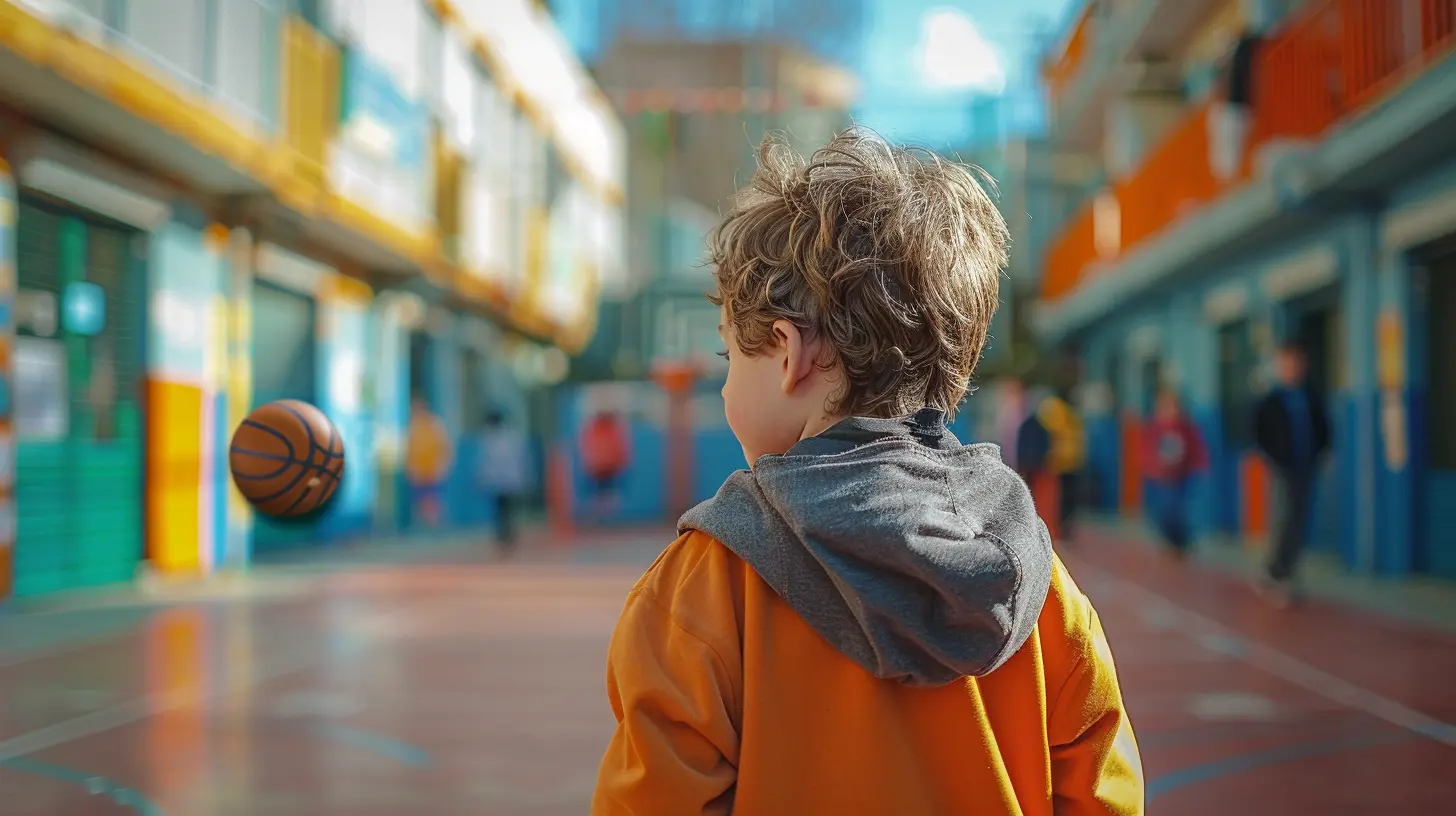
Why Active Play in PE Matters
The Magic of Movement
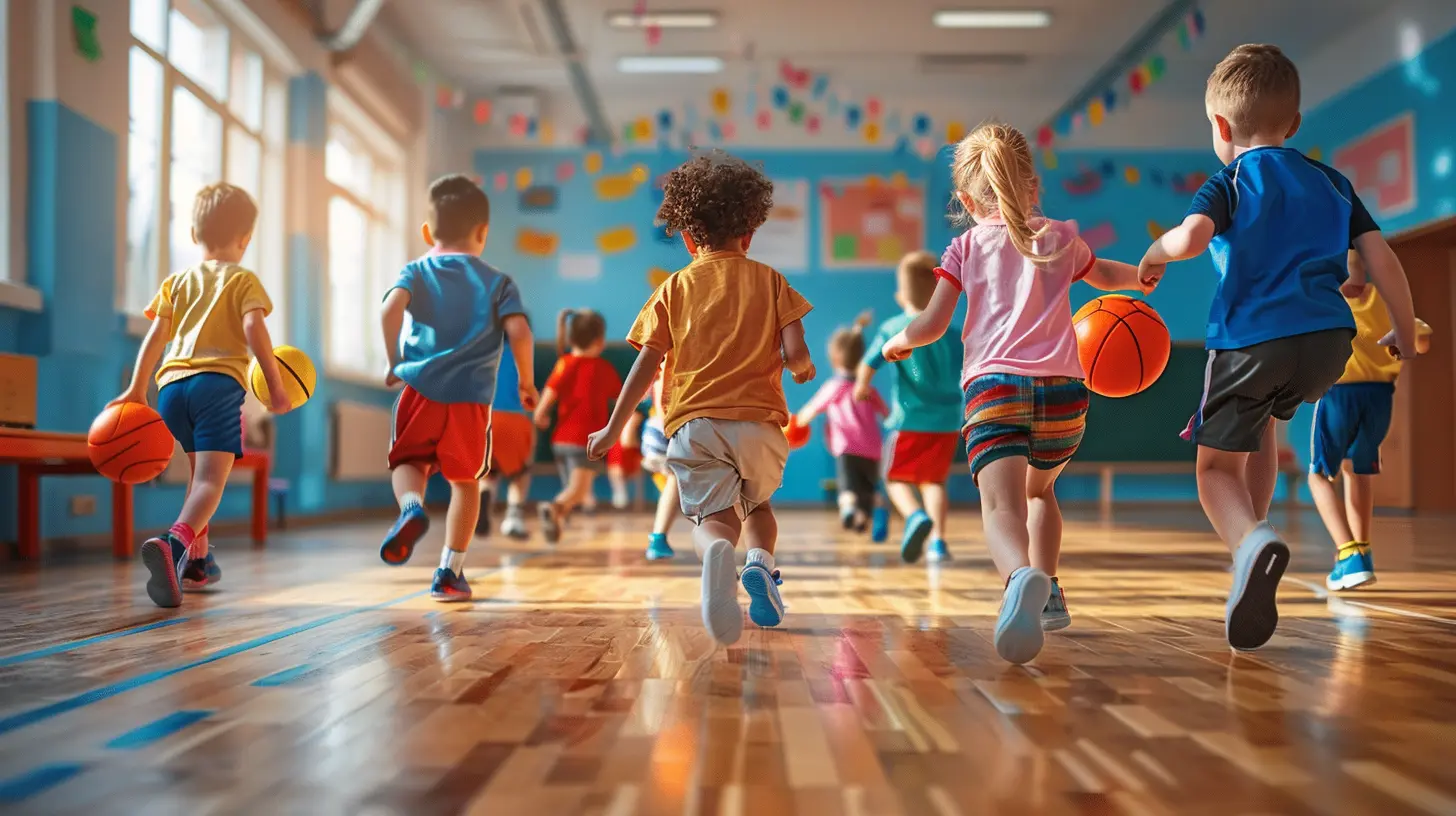
Remember when you were a kid, and recess was the best part of the day? That’s because kids are wired to play. Running, jumping, climbing, and throwing a ball aren't just physical activities – they’re essential for overall development.Active play in PE taps into that natural desire to move. It encourages kids to use their bodies in creative and challenging ways, whether they’re playing soccer, running relay races, or participating in group games like tag. When kids are engaged in active play, they’re not just building muscles; they’re also developing coordination, balance, and motor skills.
PE: A Screen-Free Zone
Physical Education is one of the few places where screens can’t follow – or at least they shouldn’t. It’s a designated time for kids to focus on their physical well-being, away from the distractions of the digital world. By promoting active play during PE, we help students develop a positive relationship with physical activity that can last a lifetime.And here’s the kicker: kids who are active in PE are more likely to be active outside of school, too. When students have fun playing sports or engaging in physical games, they’re more likely to seek out those activities during their free time, instead of defaulting to screens. It’s a win-win!
The Benefits of Active Play
Besides keeping kids off screens, active play in PE has a bunch of other benefits:- Boosts Mental Health: Physical activity releases endorphins, which are natural mood boosters. This can help reduce stress, anxiety, and even symptoms of depression.
- Improves Focus and Attention: Studies have shown that kids who are physically active tend to do better academically. Physical activity increases blood flow to the brain, which improves cognitive function and concentration.
- Encourages Social Interaction: Many PE activities involve teamwork and cooperation, which helps kids develop social skills and build friendships.
- Promotes Healthy Habits: Active play in PE helps kids develop a love for movement, which can lead to a lifelong habit of regular exercise.
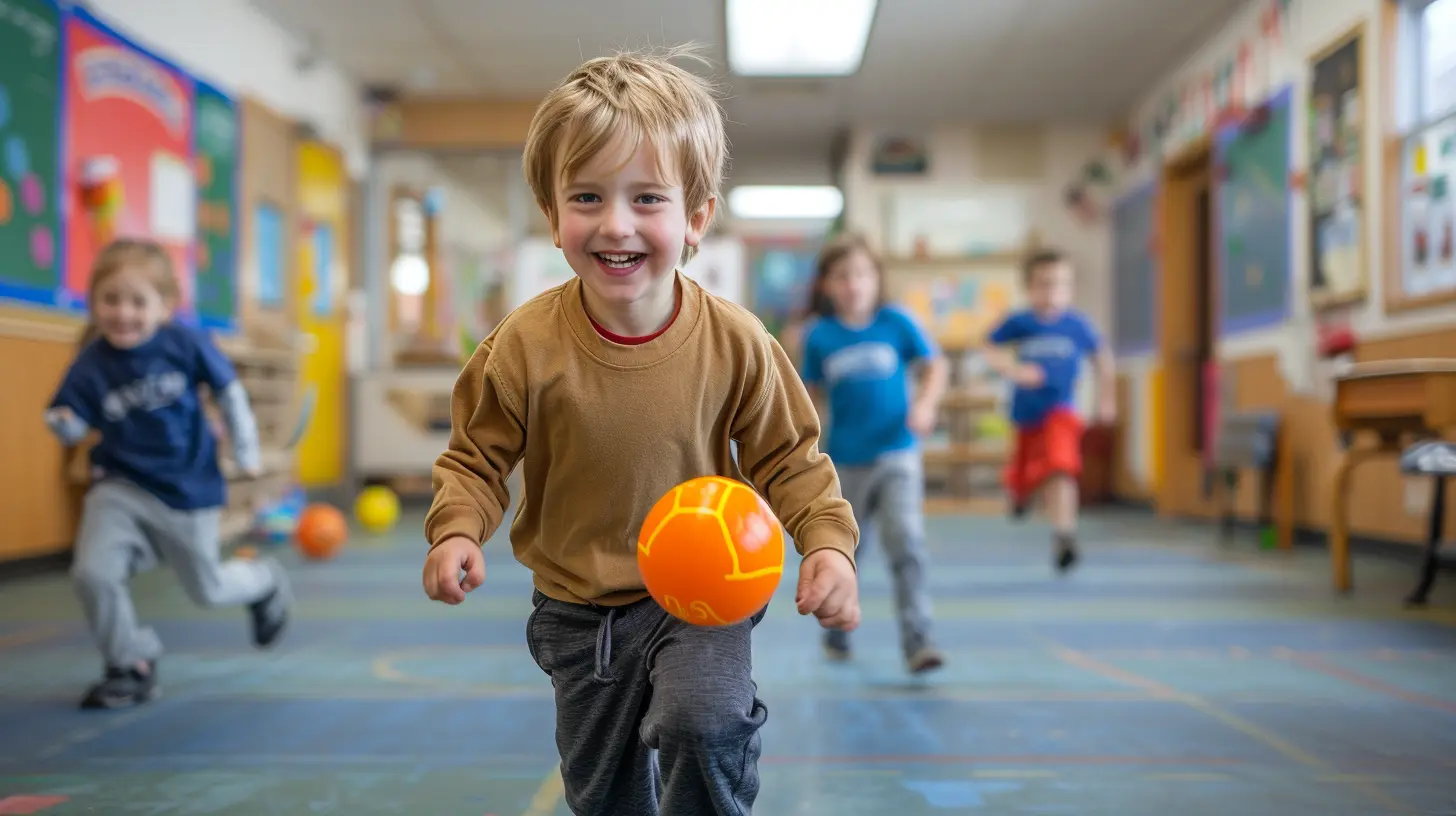
How PE Can Encourage Active Play
Make It Fun!
Let’s face it – if PE feels like a chore, kids won’t want to participate. That’s why it’s crucial to make active play fun and engaging. Think back to your favorite games as a child: dodgeball, capture the flag, or even a good old-fashioned game of tag. These are the kinds of activities that get kids excited to move.Incorporating a variety of games and challenges into PE lessons can keep things fresh and exciting. When kids are having fun, they often forget they’re even exercising. They’re too busy laughing, strategizing, and competing with their friends to notice how hard they’re working.
Offer a Variety of Activities
Variety is the spice of life – and it’s also the key to keeping kids engaged in PE. Not every child is going to love traditional sports like basketball or soccer, and that’s okay. The goal is to offer a wide range of activities so that every student can find something they enjoy.Here’s a pro tip: try incorporating activities that don’t feel like exercise. Dance, for example, is an excellent way to get kids moving without the pressure of competition. Other options could include obstacle courses, martial arts, yoga, or even fitness-based video games (in moderation, of course). The more options kids have, the more likely they are to find something they love.
Encourage Teamwork and Collaboration
Active play isn’t just about individual performance – it’s also about working together. Team sports and group activities teach kids the value of cooperation, communication, and problem-solving. These are essential life skills that go beyond the PE class.Plus, when kids work together to achieve a common goal, it builds a sense of camaraderie and belonging. Whether they’re passing the ball in a game of soccer or helping each other through an obstacle course, teamwork promotes social interaction and helps kids develop positive relationships with their peers.
Set Goals and Celebrate Successes
Kids love a challenge. Setting achievable goals in PE – like running a certain distance, mastering a new skill, or completing a fitness challenge – can motivate students to push themselves and stay engaged.But don’t forget to celebrate their successes, too! Whether it’s through verbal praise, certificates, or even a fun class-wide reward, recognizing students’ efforts can boost their confidence and make physical activity something they want to continue.
Limit Screen-Based Activities
While technology can have its place in PE (think fitness apps or interactive video games), it’s important to limit screen-based activities and prioritize hands-on, active play. Kids spend enough time in front of screens during the rest of the day – PE should be a time to unplug and get moving.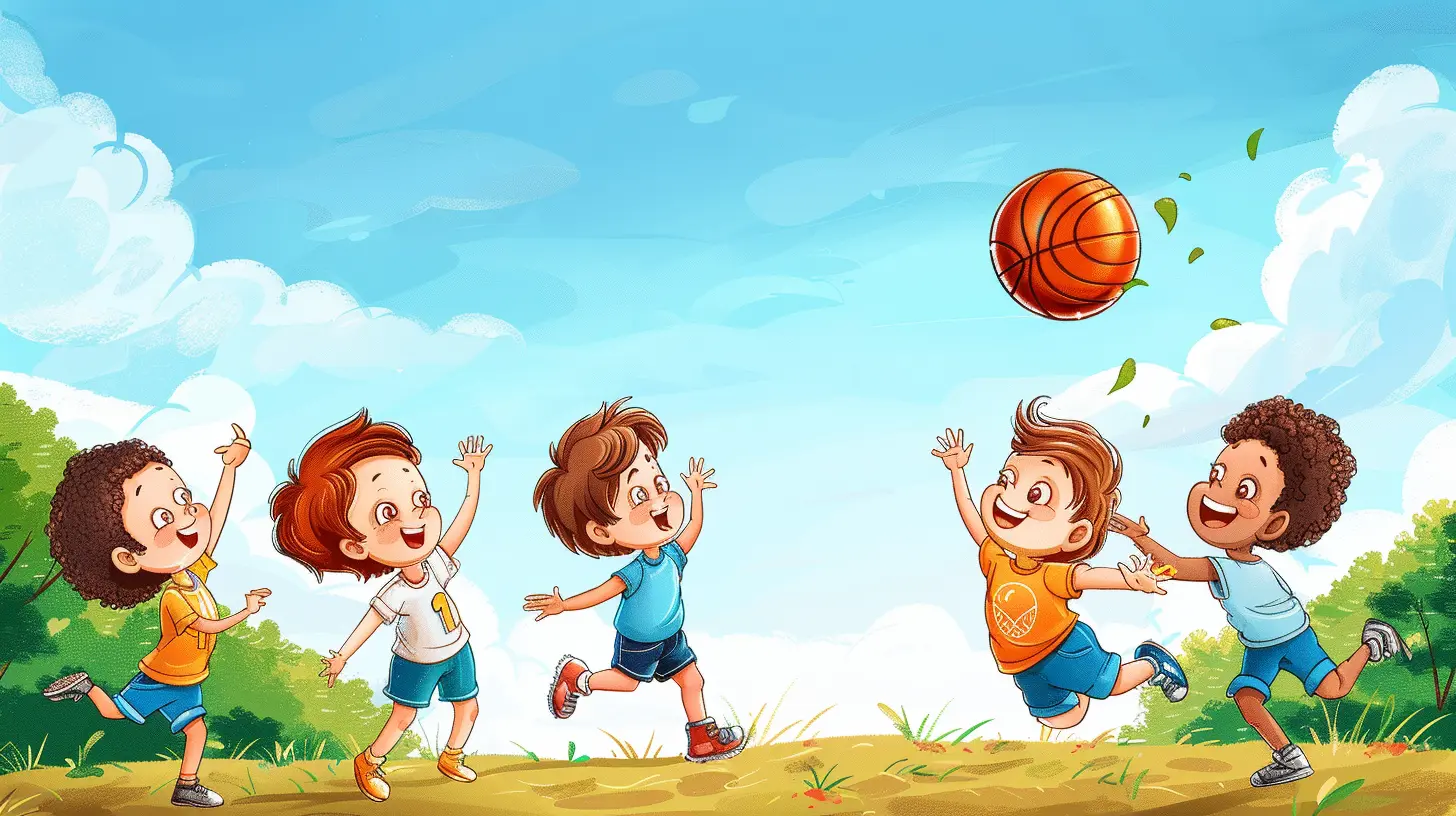
The Role of Parents and Teachers
Leading by Example
Parents and teachers play a crucial role in shaping kids' attitudes toward physical activity. When adults model healthy behaviors – like taking walks, playing sports, or participating in fitness classes – kids are more likely to follow suit.Teachers can also integrate movement into other areas of the school day. Brain breaks, classroom stretching, and outdoor learning activities can help reduce sedentary time and keep kids active throughout the day.
Creating Screen-Free Zones at Home
Parents can also help reduce screen time by creating screen-free zones at home. Setting boundaries around when and where screens can be used (like no screens at the dinner table or before bedtime) can encourage kids to find other ways to entertain themselves, like playing outside, reading, or engaging in creative play.Encouraging Outdoor Play
One of the easiest ways to reduce screen time is by encouraging outdoor play. Whether it’s a trip to the park, a bike ride around the neighborhood, or a backyard game of catch, getting kids outside and moving is an excellent way to limit their time on screens.Conclusion: Active Play is the Key
In a world where screens are increasingly taking over our lives, it’s more important than ever to encourage kids to get moving. PE offers a screen-free, structured environment where students can engage in active play, develop physical and social skills, and build healthy habits that will last a lifetime. By making PE fun, varied, and inclusive, we can motivate students to move more, both in and out of the classroom.And let’s not forget – reducing screen time isn’t just about limiting technology. It’s about replacing it with something better. Active play isn’t a punishment for too much screen time; it’s a gift that kids will carry with them for the rest of their lives.
all images in this post were generated using AI tools
Category:
Physical EducationAuthor:

Monica O`Neal
Discussion
rate this article
2 comments
Faelith Thomas
Great insights on promoting active play in PE! Reducing screen time is crucial for children's physical and mental health. Incorporating fun, engaging activities not only fosters physical fitness but also enhances social skills. Let's inspire educators to prioritize active play in their curricula!
April 24, 2026 at 11:49 AM
Monica O`Neal
Thank you for your kind words! Encouraging active play truly makes a difference in children's lives. Let's keep pushing for these vital changes in education.
Luna Blair
This article effectively highlights the importance of active play in PE as a way to reduce screen time. Encouraging physical activity not only promotes fitness but also fosters social skills and creativity in children.
April 15, 2026 at 12:52 PM
Monica O`Neal
Thank you for your insightful comment! I completely agree that active play in PE is crucial for reducing screen time while promoting fitness, social skills, and creativity in children.