Promoting a Growth Mindset Through Physical Challenges
24 May 2026
Let’s be real—when most people hear “growth mindset,” they think of classrooms, test scores, and maybe a motivational quote or two slapped on a poster in the hallway. But here's the thing: developing a growth mindset isn't just about academic performance. In fact, one of the most powerful arenas to shape and flex that mindset is outside the classroom—yep, we’re talking physical challenges.
Physical challenges—whether it's running a mile, climbing a rope, trying out for the basketball team, or even just keeping up with a yoga routine—push you in ways that your brain can’t ignore. They test your limits, force you to adapt, and, most importantly, show you that progress isn’t instant, but totally possible.
So, let's dive into how physical challenges actually promote a growth mindset and why it's something every educator, parent, coach, and student should care about.
What’s a Growth Mindset, Anyway?
Before we get into the sweaty stuff, let's back up a sec.A growth mindset is a belief that abilities and intelligence can be developed through dedication, effort, and learning from mistakes. The opposite? A fixed mindset, where people think their talents are static—basically, you either “have it” or you don’t.
Dr. Carol Dweck, a Stanford psychologist, made this idea popular. And it’s a game-changer. Instead of thinking "I’m just bad at this," a growth mindset says, "I’m not good at this yet."
Yep. That little word—“yet”—makes all the difference.
Why Physical Challenges Are the Perfect Growth Mindset Playground
Think about the last time you tried something physically hard. Maybe it was your first 5K run, or even just a fitness class you weren’t totally prepared for. Did you nail it on your first try? Probably not. And that's okay.Physical challenges create immediate feedback. You feel when something’s hard. You notice when you’re improving. You can’t really fake a push-up or pretend to have good endurance. You either do it—or you build up to it.
And honestly, that process? That's the sweet spot for growing a growth mindset.
They Teach You That Effort Actually Matters
Effort is the cornerstone of improvement. In physical activities, this truth becomes crystal clear. You don’t become stronger by sitting on the bench. It's about showing up—even when your muscles ache and your brain is screaming "Nope."When kids (and honestly, adults too) see that consistent effort leads to visible progress—like doing more reps, running faster, or jumping higher—they start to internalize the idea that effort pays off in the long run.
Failure Becomes Part of the Process
Let’s get one thing straight: failing during physical challenges isn’t just common—it’s expected. You might fall off the climbing wall. You might miss a serve. You might trip on your own shoelaces. But failure in this setting isn't a dead-end. It's feedback.And guess what? That’s exactly what we want in a growth mindset. Failing doesn’t make you a “failure.” It makes you someone who’s trying, adjusting, and aiming to do better next time.
Resilience Gets a Natural Boost
Physical challenges push your mental endurance as much as your muscles. When you’re gasping for air halfway through a hike or your arms are shaking in a plank, your mind starts whispering, “You can’t do this.”But each time you push past that voice, you’re building resilience. That internal toughness transfers from the gym or the field to the classroom and beyond. It sends a clear message: “I can do hard things.”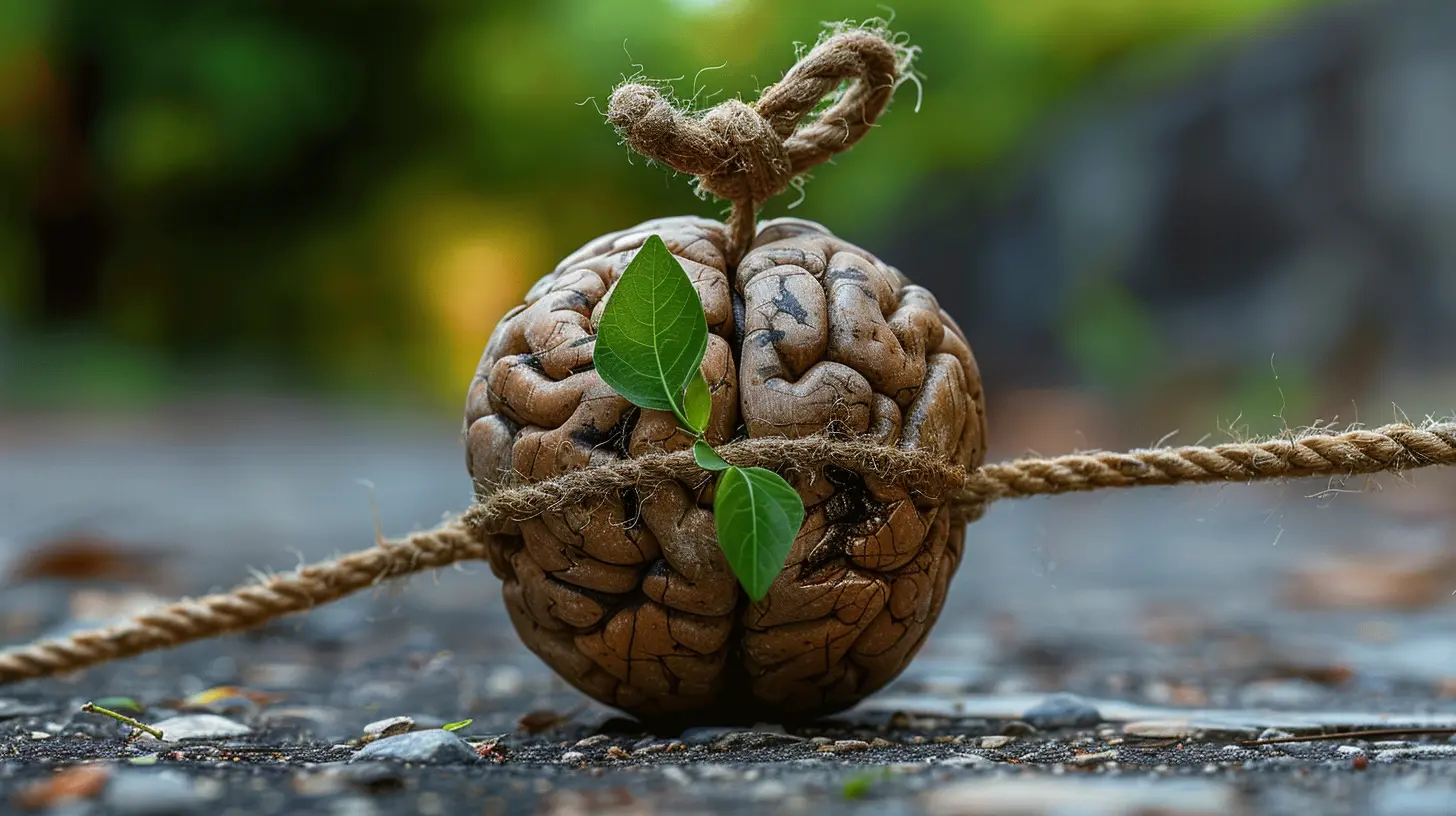
Real-Life Examples of Physical Challenges Nurturing a Growth Mindset
Still not convinced? Let’s look at some real-world cases where physical activities encourage a growth-based way of thinking.1. Long-Distance Running
Distance running is one of the rawest forms of self-improvement. It’s not about natural speed. It’s about pushing through discomfort, setting small goals, and celebrating personal records—even when they’re just seconds faster than your last run.Runners often talk about “hitting the wall.” It’s that moment when your body screams to quit. But those who push through that wall? That’s the mindset magic kicking in.
2. Martial Arts
From karate to jiu-jitsu, martial arts are rooted in discipline, patience, and constant learning. You don’t start as a black belt. In fact, every belt level requires mastery of new techniques—and getting it wrong many times first.Martial artists have to embrace feedback and keep tweaking their form to improve. That's textbook growth mindset.
3. Adventure-Based Learning Programs
Programs like Outward Bound or school ropes courses put students in uncomfortable, physical situations—often in nature. These experiences challenge them mentally and emotionally. It's not about who’s the fastest climber. It's about who keeps going, listens to teammates, and learns with each fall and success.
Integrating Physical Challenges into Education—Without a Gym
You might be thinking, “Okay, but I’m not a PE teacher… how do I bring this into my space?”Great news: You don’t need a fancy gym or varsity team to build growth through physical effort. There are easy ways to incorporate movement and challenges into any educational setting.
1. Micro-Challenges
Start small. Organize daily physical “micro-challenges” in class. Think: balancing on one foot for a minute, doing 10 squats while answering math problems, or timing how fast students can switch between groups.The key? Emphasize improvement, not competition. Reward effort over outcome.
2. Cross-Curricular Activities
Tie physical tasks into learning. Studying the solar system? Have students orbit “planets” in the classroom. Reading a book about a mountain climb? Set up an obstacle course that mirrors the journey.Movement helps memory—and effort reinforces mindset.
3. Reflective Journaling
After any physical challenge, ask students to reflect. What was hard? What did they do well? What will they try next time?This bridges the gap between doing and thinking, helping them internalize the growth mindset lessons they just experienced physically.
Mindset Language Matters
How we talk during these challenges makes a big impact.Swap out fixed language like:
- “You’re a natural at this!”
- “Wow, you’re fast!”
With growth-aligned praise like:
- “You really pushed through when it got tough.”
- “I saw how hard you were trying to improve your form.”
This subtle shift reinforces that progress isn’t about innate talent—it’s about the grind.
The Role of Adults in Modeling a Growth Mindset
Look, kids are like sponges. They absorb what they see. So if adults throw up their hands and say “I can’t do this!” when a challenge gets tough, guess what message that sends?But if we model curiosity, persistence, and even vulnerability (“I’ve never done this before, but I’m going to give it my best shot”), we’re writing the script for how kids respond to challenge.
So next time you're out there trying something new—let them see you struggle a bit. Then let them see you grow.
Physical Challenges Build the Whole Person
Let’s zoom out for a second.In education, we often say we’re trying to support “the whole child.” That means building not just academic smarts but emotional intelligence, social capability, and physical well-being. Physical challenges hit all those notes.
They develop grit, self-awareness, teamwork, humility, and yes, physical health. They turn discomfort into opportunity. They stir up the kind of self-talk that rewires belief systems.
Most importantly, they prove that you don’t need to be the best to get better.
Final Thoughts: More Than Muscle
Promoting a growth mindset through physical challenges isn’t about sports or fitness goals. It’s about creating opportunities for students (and ourselves) to bump up against our limits, reflect, and push a little further next time.It’s about turning “I can’t” into “I can’t yet.”
And honestly, when you approach life with that attitude—whether you're climbing a mountain or learning algebra—you’re unstoppable.
So go ahead. Take on that challenge. Sweat a little. Fail a few times. Then get up, shake it off, and grow.
all images in this post were generated using AI tools
Category:
Physical EducationAuthor:

Monica O`Neal
Discussion
rate this article
1 comments
Noemi Hernandez
Engaging in physical challenges fosters resilience and adaptability, key components of a growth mindset.
May 31, 2026 at 11:07 AM
Monica O`Neal
I completely agree! Physical challenges really push us to grow and adapt in ways that extend beyond just fitness.