How to Help Students Navigate Complex Texts
17 March 2026
Let’s be honest—reading difficult texts isn't exactly a walk in the park for most students. Whether it's a Shakespearean sonnet, a scientific journal, or a historical document from centuries past, complex texts can feel like a maze with no exit. As educators, we're not just handing students a map—we're helping them decode the landmarks, understand the language, and stay motivated along the journey. So, how can we actually help them?
In this guide, we’ll break down practical strategies, tools, and mindset shifts that truly make a difference. Whether you're a classroom teacher, tutor, or parent, this article will help you empower students to tackle complex texts with confidence and better comprehension.
Why Students Struggle With Complex Texts
Before diving into solutions, it's important to understand the root of the problem. Complex texts come with a handful of challenges—and students usually face more than one at a time:- Advanced Vocabulary – Big, unfamiliar words can turn a simple sentence into a riddle.
- Dense Grammar – Long, winding sentences can be intimidating to unwind.
- Abstract Ideas – Many texts explore concepts that require higher-level thinking.
- Unfamiliar Context – Historical or cultural references might go over students' heads.
- Lack of Motivation – If students feel lost early on, they tend to check out mentally.
Understanding these barriers helps us craft strategies that meet students where they are.
Strategy #1: Activate Prior Knowledge
Ever try to watch the second season of a show without watching the first? You feel lost, right? That’s how students feel diving straight into a complex text without any context.How to Do It:
- Pre-teach Vocabulary: Give them a heads-up on key terms they'll encounter.- Build Background Knowledge: Offer short videos, articles, or discussions that introduce the topic.
- Ask Guiding Questions: Spark interest and curiosity by asking, "What do you already know about...?"
Getting students mentally prepared helps reduce confusion from the get-go.
Strategy #2: Break It Down—Chunking is Key
Give a student a five-paragraph passage filled with tough words, and they'll likely skim it or shut down. But break it into manageable parts? Totally doable.How to Do It:
- Split Texts Into Sections: Assign paragraphs or pages one at a time.- Use Headings or Notes: Add annotations or summarize each chunk.
- Discuss as You Go: Pause to check for understanding after each section.
It’s just like eating an elephant—you do it one bite at a time.
Strategy #3: Teach Active Reading Skills
Reading isn’t just about absorbing words—it’s about engaging with them. Active reading turns a passive task into an interactive experience.Skills to Teach:
- Highlighting & Annotating: Encourage students to mark key ideas or confusing parts.- Asking Questions: Get them to write down questions as they go, even if they feel silly.
- Making Predictions: Teach them to guess what might come next—it keeps them engaged.
- Summarizing: After each section, have them sum it up in their own words.
Engagement increases when students feel like they're part of the story, not just spectators.
Strategy #4: Use Graphic Organizers
Complex information can be hard to juggle mentally. Visual tools help students process and remember what they’re reading.Useful Organizers Include:
- Story Maps: Track characters, plot, and setting.- Venn Diagrams: Compare and contrast ideas or characters.
- Cause and Effect Charts: Trace the logic in argumentative or historical texts.
- Timeline Charts: Great for sequencing events in nonfiction.
Think of graphic organizers like GPS for a road trip—they help students navigate more smoothly.
Strategy #5: Model the Process Out Loud
Ever tried learning to cook just by reading a recipe? It’s way easier when someone shows you how, right? The same goes for reading tough texts.How to Do It:
- Think Aloud: Read a section and narrate your thoughts. Say things like, “Hmm, I’m not sure what this word means—let me read the next line for clues.”- Demonstrate Strategies: Show how you highlight, question, or summarize.
- Make Mistakes: Let students see you get stuck, then model how to get unstuck.
It makes the process less intimidating and more human.
Strategy #6: Encourage Group Discussions
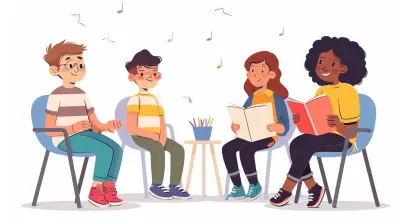
Two brains are better than one—especially when you're trying to decode something difficult. Small group discussions can open up new perspectives and clarify confusion.How to Facilitate:
- Assign Roles: One student asks questions, another summarizes, a third defines challenging words.- Use Guiding Questions: Provide prompts to keep things focused.
- Create a Safe Space: Remind students that it’s okay not to “get it” right away.
Talking it out helps solidify understanding and boosts confidence.
Strategy #7: Scaffold the Text
Scaffolding means giving students temporary support—just like the scaffolds used to build skyscrapers.Ways to Scaffold:
- Provide Summaries: Give a high-level overview before diving into the text.- Use Adapted Versions: Start with simpler versions before moving to the original.
- Add Visuals: Images, maps, and charts make abstract ideas more concrete.
- Offer Reading Guides: Pose questions alongside the text to guide thinking.
Over time, as students gain confidence, you can slowly remove the scaffolds.
Strategy #8: Make It Relevant
Let’s face it—if students don’t care about the material, they won’t engage with it. Connecting the text to their lives can spark genuine interest.Ideas to Try:
- Relate Themes to Modern Issues: Link a historical event to something that’s happening today.- Use Pop Culture Parallels: Compare a classic character to a superhero or movie character.
- Give Students Choice: Let them pick among several complex texts.
If students see the "why," they’re more likely to invest in the "what."
Strategy #9: Build Reading Stamina
Just like running, students can’t expect to go from 0 to 10 miles overnight. Reading stamina builds over time.How to Grow It:
- Start Small: Begin with shorter, less complex texts.- Set Goals: Create reading targets—“read for 10 minutes without stopping.”
- Celebrate Progress: Recognize when students make it through a tough text.
The more they practice, the more muscle they build.
Strategy #10: Use Technology Wisely
Tech doesn’t have to be a distraction—it can actually help make complex texts more accessible.Tools to Consider:
- Text-to-Speech Programs: Help auditory learners hear the text.- Online Dictionaries: Let students define tough words instantly.
- Annotation Apps: Tools like Kami or Google Docs support collaborative reading.
- Reading Platforms: Tools like CommonLit and Newsela tailor content to reading levels.
The right tech can act like training wheels—supporting students without doing the work for them.
Final Thoughts: Confidence is Half the Battle
Helping students navigate complex texts isn’t about making things “easy”—it’s about making them feel capable. When they believe they can handle tough material, everything changes.It’s our job to hand them the tools, show them how to use them, and cheer them on as they build their skills. Because once they crack the code, they unlock a lifetime of learning.
So, the next time a student groans at the sight of a textbook, remind them: you’ve got this—and I’ve got your back.
all images in this post were generated using AI tools
Category:
Reading ComprehensionAuthor:

Monica O`Neal
Discussion
rate this article
2 comments
Jaxon Cannon
This article effectively highlights the importance of teaching students strategies for decoding complex texts. By emphasizing critical thinking and active engagement, educators can empower learners to build comprehension skills, fostering independence and confidence in navigating challenging materials across various subjects.
April 3, 2026 at 12:42 PM
Monica O`Neal
I'm glad you found the article helpful. Empowering students with these strategies is key to their success in tackling complex texts.
Olympia Alvarez
Great insights! Your strategies for helping students tackle complex texts will empower them to build confidence and critical thinking skills. Thank you for sharing these valuable tips to enhance their learning experience!
March 18, 2026 at 5:07 AM
Monica O`Neal
Thank you for your kind words! I'm glad you found the tips helpful for supporting students.