Project-Based Learning: A Mainstream Trend by 2027
8 May 2026
Let me ask you something. When was the last time you sat through a lecture, took notes, and actually remembered the content a week later? For most of us, that's a rare event. Now, think about the last time you built something, solved a real problem, or worked with a team to create a project you cared about. You probably remember every detail. That's the difference between passive learning and active, project-based learning (PBL). And here's the thing: by 2027, PBL isn't going to be just a niche teaching method for progressive schools. It's going to be the mainstream.
I've been watching education trends for years, and the shift toward PBL feels different this time. It's not a fad. It's a response to a broken system. We've spent decades stuffing kids with facts they'll never use, testing them on recall, and calling it "education." But the world has changed. Employers don't care if you can memorize the periodic table. They want people who can think critically, collaborate, and adapt. PBL does that. And by 2027, I predict most schools, from kindergarten to college, will have adopted some form of it.
Why Now? The Perfect Storm for PBL
You might be thinking, "People have been talking about project-based learning for years. What makes 2027 different?" It's a fair question. PBL isn't new. John Dewey was pushing for experiential learning over a century ago. But the stars are finally aligning.First, technology has matured. Ten years ago, setting up a PBL classroom was a logistical nightmare. You needed materials, space, and time. Now, kids have laptops, tablets, and access to tools like 3D printers, coding platforms, and video editing software. They can design, prototype, and present projects without leaving the classroom. By 2027, AI assistants will handle the boring stuff-like grading and scheduling-freeing teachers to focus on coaching students through projects.
Second, the job market is screaming for change. Automation has killed off routine jobs. What's left are roles that require creativity, emotional intelligence, and problem-solving. Standardized tests don't measure those skills. PBL does. Schools are starting to realize that if they keep churning out test-takers, they're doing their students a disservice.
Third, parents and students are fed up. The pandemic accelerated this. When kids were stuck at home with Zoom lectures, everyone saw how hollow traditional schooling could be. Students who did hands-on projects, even remotely, were more engaged. Parents started asking, "Why can't school be more like this?" The answer is, it can.
What PBL Actually Looks Like (And What It's Not)
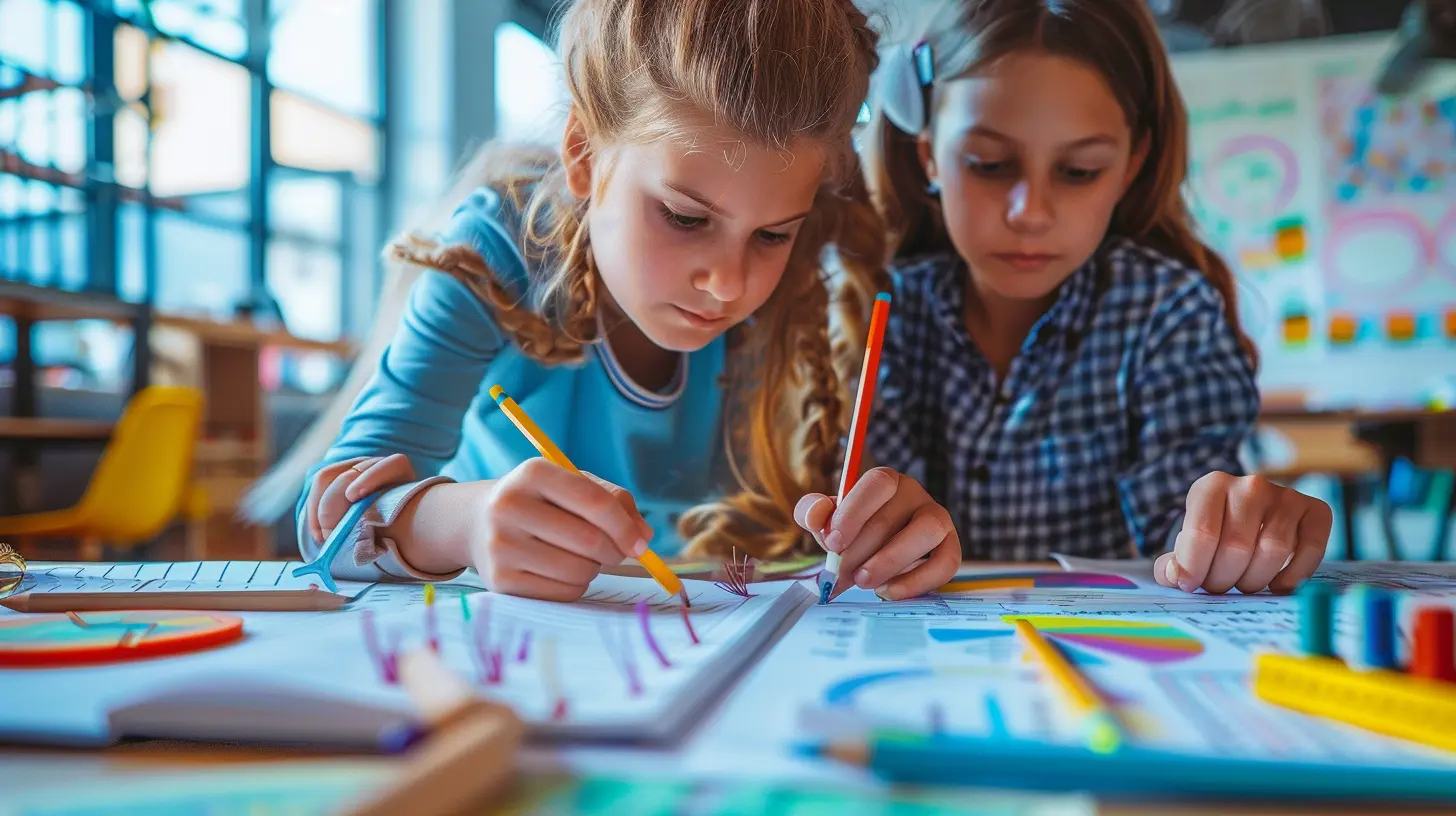
Let's clear up a common misconception. Project-based learning isn't just "doing a project" at the end of a unit. That's a craft project. Real PBL is the unit. The project drives the learning, not the other way around.Here's a concrete example. Imagine a middle school science class studying ecosystems. In a traditional classroom, kids would read a textbook chapter, watch a video, and take a quiz. In a PBL classroom, the teacher says, "Your challenge is to design a sustainable garden for the school courtyard that uses native plants, conserves water, and attracts pollinators. You have four weeks. Go."
Suddenly, students aren't just learning about ecosystems. They're researching soil types, calculating water runoff, debating plant choices, budgeting materials, and presenting their designs to a panel of actual gardeners from the community. They're learning biology, math, writing, and public speaking-all at once. And they care because the outcome matters. It's not a grade. It's a garden.
That's the magic of PBL. It flips the script from "learn this because I said so" to "learn this because you need it to solve a problem." It's like teaching someone to cook by having them prepare a meal for guests, instead of handing them a cookbook and testing them on ingredients.
The Research: It's Not Just Feel-Good Fluff
I'm not asking you to take my word for it. The data backs this up. A 2021 study from the University of Michigan found that students in PBL classrooms scored 8% higher on standardized tests than their peers in traditional settings. That's impressive, but the real gains were in non-cognitive skills: collaboration, persistence, and self-regulation.Another study from the Lucas Education Research group looked at high school students in PBL science classes. They found that these students were 20% more likely to say they felt "challenged and engaged" in their work. Engagement is the holy grail of education. When students are engaged, they learn faster and retain more.
But here's the kicker: PBL also closes achievement gaps. Students from low-income backgrounds often struggle in traditional classrooms because the content feels abstract and disconnected from their lives. PBL makes learning tangible. When a kid designs a water filtration system for a community in need, they're not just learning about chemistry. They're seeing how their knowledge can make a difference. That's powerful.
The Critics: Addressing the "Buts"
Every trend has its skeptics, and PBL is no exception. I've heard all the objections. Let me address the big ones."But it takes too much time." Yes, a single PBL unit can take weeks. But think about what you're actually measuring. In a traditional classroom, you might cover ten topics superficially in a month. In a PBL classroom, you cover one topic deeply. Which approach leads to real understanding? The deep dive, every time. It's the difference between skimming a hundred books and reading one book thoroughly. You'll remember the one book.
"But teachers don't have the training." This is a real issue. PBL requires a different skill set. Teachers become facilitators, not lecturers. By 2027, I expect teacher training programs to emphasize this. Schools that invest in professional development for PBL see huge returns. It's not about throwing teachers into the deep end. It's about giving them a life jacket and a map.
"But what about testing?" Standardized tests aren't going away completely, but they're evolving. Many states are already piloting performance-based assessments, where students demonstrate skills through projects instead of multiple-choice questions. The College Board has redesigned some AP exams to include more project work. By 2027, I predict the SAT will look very different, or be replaced entirely.
How Schools Are Already Making the Shift
You don't have to wait until 2027 to see this in action. Schools across the US and around the world are already pioneering PBL. Let me give you a few real examples.High Tech High in San Diego is the poster child for PBL. They've been doing it for 20 years. Students build everything from electric cars to documentary films. Their graduation rate is over 95%, and 98% of graduates go to college. Not bad for a school that doesn't give letter grades.
In Finland, the entire national curriculum is based on "phenomenon-based learning," which is PBL by another name. Students study topics like "climate change" or "the European Union" across multiple subjects. Finland consistently ranks at the top of global education assessments.
Even traditional schools are getting in on the action. The New York City Department of Education has launched "PBL schools" in underserved neighborhoods. Early results show improved attendance and higher student motivation. It's not a silver bullet, but it's a start.
The Role of Technology: Not a Crutch, but a Tool
Some people worry that PBL will turn into "let kids play with iPads all day." That's a valid concern. Technology should enhance PBL, not replace it. The best PBL classrooms use tech as a tool for research, collaboration, and presentation.By 2027, AI will play a bigger role. Imagine a student working on a project about urban planning. An AI assistant could pull up real-time traffic data, suggest relevant case studies, or even simulate the impact of their design on carbon emissions. That's not cheating. That's using the tools of the modern world.
But the heart of PBL remains human. It's about conversations, debates, and messy collaboration. Technology can't replace the moment when a student looks at their teammate and says, "Wait, I think we're doing this wrong." That's where real learning happens.
Why 2027? The Timeline Makes Sense
You might wonder why I'm picking 2027 specifically. It's not an arbitrary date. Look at the trends. By 2027, the first wave of students who experienced pandemic-era learning will be in middle and high school. Their parents and teachers already see the value of hands-on work. The technology will be cheaper and more accessible. The job market will demand even more creative problem-solvers.Also, the education system is slow to change, but it does change. The Common Core standards took about a decade to implement. PBL is already in the pipeline. By 2027, it will be the default, not the exception.
What This Means for You
If you're a parent, start asking your child's school about their approach to PBL. If they don't have one, advocate for it. Volunteer to help with projects. Show up for presentations. The more you support this shift, the faster it happens.If you're a teacher, start small. You don't have to redesign your entire curriculum overnight. Try one PBL unit per semester. See how it goes. You'll be surprised at how students respond.
If you're a student, embrace it. PBL is harder than sitting in a lecture. You have to think, plan, and execute. But it's also more rewarding. When you finish a project, you have something to show for your effort. That feeling beats a gold star on a test any day.
The Big Picture: Education as a Verb, Not a Noun
Here's my final thought. For too long, we've treated education as a noun. It's a thing you get. A diploma. A certificate. A transcript. But real education is a verb. It's something you do. It's active, messy, and alive.Project-based learning captures that. It turns students into makers, thinkers, and doers. By 2027, I believe this approach will be so normal that we'll look back at lecture-based classrooms the way we look at old medical practices-with a mix of disbelief and gratitude that we moved on.
So, are you ready for the shift? Because it's coming. And honestly, it can't come soon enough.
all images in this post were generated using AI tools
Category:
Education TrendsAuthor:
Monica O`Neal
Discussion
rate this article
2 comments
Phoebe McHugh
Project-Based Learning is truly the future of education. By 2027, we will see students engaged in hands-on experiences that ignite creativity and critical thinking. Embracing this trend empowers learners to tackle real-world challenges and prepares them for success in a dynamic world. Keep pushing forward!
August 1, 2026 at 4:42 AM
Callista McManus
While Project-Based Learning offers engaging, hands-on experiences, its effectiveness hinges on thoughtful implementation and adequate teacher training. Without proper support, it risks becoming another educational trend that prioritizes novelty over meaningful learning outcomes for students.
May 14, 2026 at 3:51 AM
Monica O`Neal
You make an excellent point. Thoughtful implementation and strong teacher support are key to maximizing the benefits of Project-Based Learning. Otherwise, it may fall short of delivering genuine educational value.