Preparing Students for a Multilingual World
10 October 2026
Let’s face it: we don’t live in a one-language-fits-all kind of world anymore. We text friends in acronyms, listen to K-pop, watch anime with subtitles, and scroll through TikToks from every corner of the globe. Language is everywhere. Not just English. Not just our mother tongue. But Spanish, Mandarin, Arabic, French—and a hundred more—buzzing around us like a global symphony.
So, here’s the million-dollar question: Are we giving students the tools they need to thrive in this multilingual world? Or are we still stuck in a monolingual mindset in a world that’s clearly moved on?
Let’s unpack it.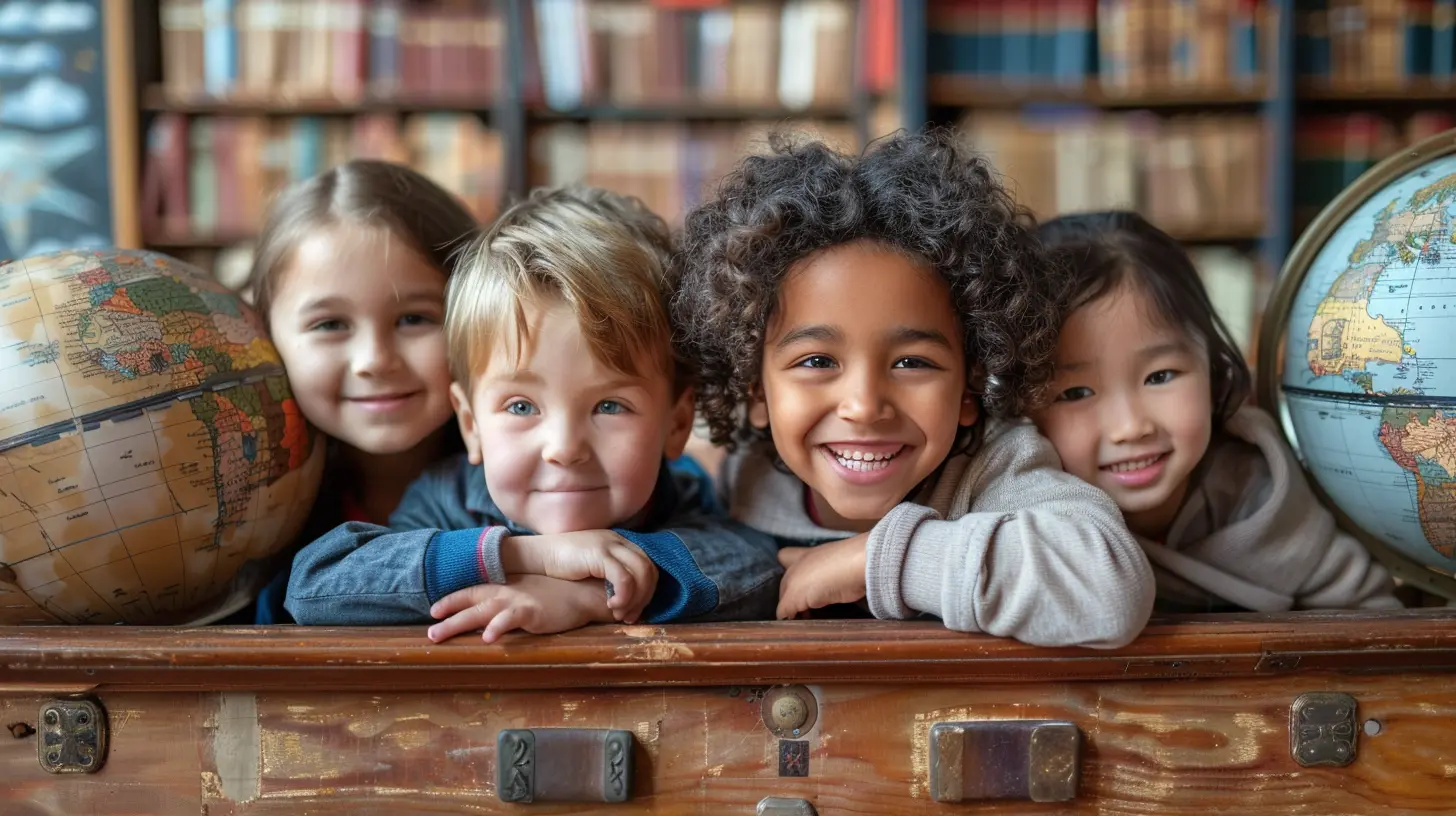
Why Being Multilingual Matters More Than Ever
Think of language like a passport—it opens doors to cultures, connections, and careers. But it’s more than that. Being multilingual boosts brain power, social skills, cultural empathy, and even confidence.Globalization Says Hello
In today's job market, you're not just competing with your classmates or neighbors—you’re going head-to-head with people across time zones. More businesses are international, more teams are remote, and more customers speak anything but English. If students can’t adapt linguistically, they risk being left behind.It’s Brain Food, Seriously
Science backs this up too. Being multilingual improves memory, attention span, problem-solving, and multitasking. Think of the brain like a muscle—the more languages it lifts, the stronger it gets.Cultural Curiosity is Trendy Now
Let’s admit it—we’re all a little obsessed with learning about other cultures. Whether it’s travel vlogs or foreign films, there’s power in understanding others. And language is the key to that puzzle.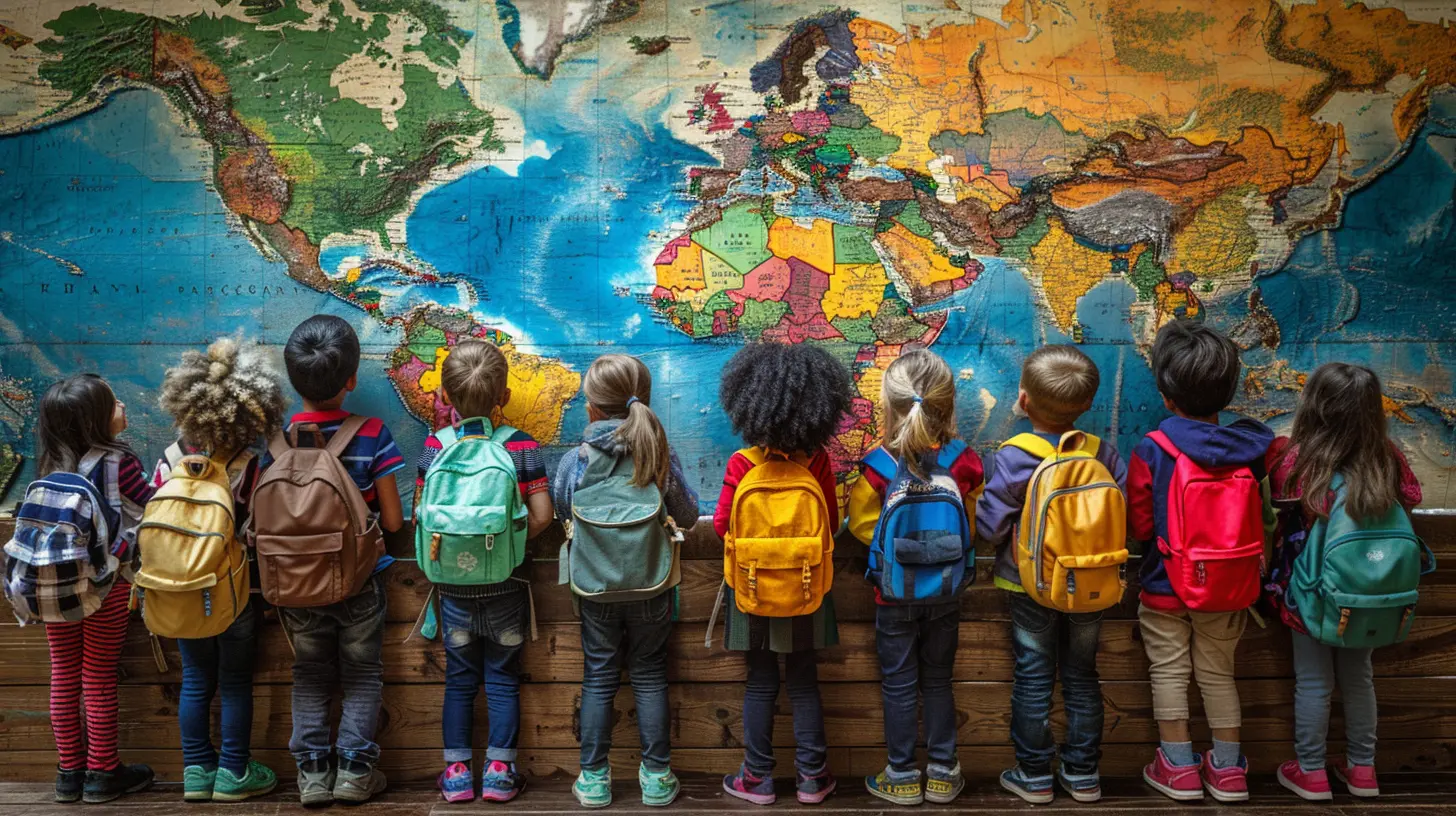
The Current State of Language Learning in Schools
So where do we stand?Well, many schools still treat language learning like a checkbox—they stick it in as an elective, teach it for a few years, and call it a day. But here’s the problem: that just doesn’t cut it anymore. It’s like giving someone a cookbook, showing them how to boil water, and expecting them to become a five-star chef.
The Monolingual Trap
Too often, schools prioritize English (or the dominant local language) and leave other languages in the dust. This approach not only limits students' opportunities—it sends the quiet message that other languages aren’t as valuable.Lack of Immersive Experiences
Let’s be honest: memorizing verb charts from a textbook is not the best way to learn a language. Exposure, real conversation, cultural context—that's where the magic happens. Without that, we risk turning language learning into a chore rather than a superpower.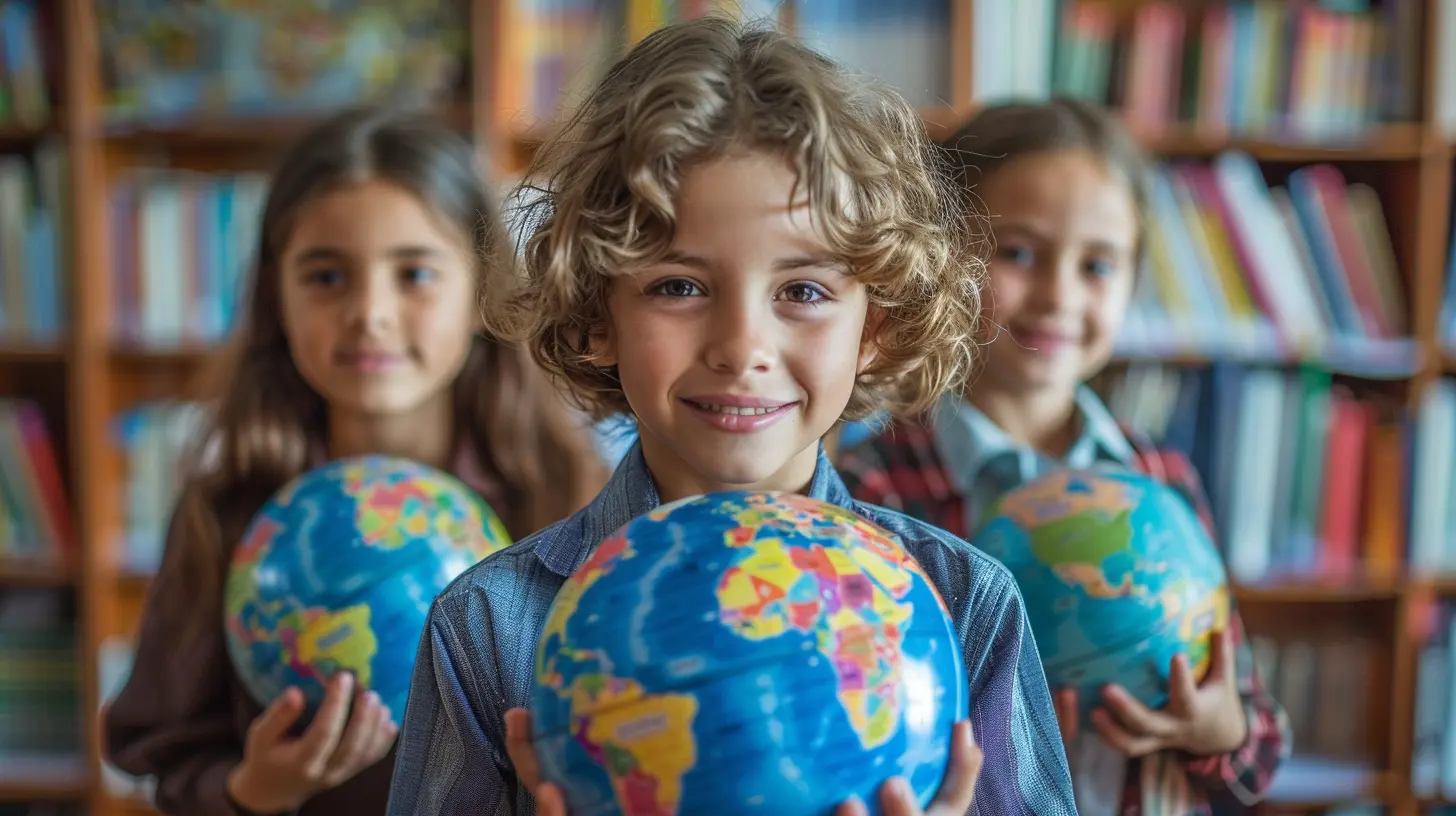
Building a Better Path: How to Prepare Students for a Multilingual World
So what now? How do we fix the system? The good news: we can change the game. It’s totally doable—and way more fun than you might think.Here’s how we can make language learning a powerful, engaging, and essential part of a student’s journey.
1. Start Early, Start Strong
Kids are linguistic sponges. They absorb sounds, words, and patterns way faster than adults. So why wait?What to Do
- Introduce multiple languages in early childhood education.- Use games, songs, and stories in different languages.
- Encourage parents to continue language exposure at home.
Why It Works
Studies show early exposure leads to better pronunciation, faster acquisition, and longer retention. Also, they’re having fun and don’t even realize they’re learning. Genius, right?2. Make It Relevant, Make It Real
Let’s ditch the boring worksheets and bring language to life.What to Do
- Incorporate pop culture, music, food, and film into lessons.- Use real-life scenarios like ordering food, haggling at a market, or chatting online.
- Connect with native speakers around the world through virtual exchanges.
Why It Works
Students pay attention when they feel something is relevant. No one remembers conjugations they never use—give them phrases they’ll say in life, not just in exams.3. Celebrate Multilingualism (Don’t Just Teach It)
If a student speaks a second or third language at home, that should be a badge of honor, not something they hide.What to Do
- Host multicultural days where students showcase their linguistic heritage.- Encourage bilingual students to speak their languages proudly.
- Involve families in sharing traditions and stories.
Why It Works
Creating an inclusive environment makes students feel seen and valued. Plus, it builds a classroom community enriched by authenticity and cultural pride.4. Use Tech to Bridge the Gap
We've got the world in our pockets—why not use that?What to Do
- Use language apps like Duolingo, Babbel, or Memrise.- Watch YouTube channels in different languages or play video games with multilingual options.
- Join international social media challenges or forums.
Why It Works
Today’s students are digital natives. If we meet them where they are—with tech they already use—we make language learning feel less like schoolwork and more like a lifestyle.5. Train Teachers Differently
Teachers are the superheroes of this story, but they need better tools and support too.What to Do
- Offer professional development in immersive and cultural teaching techniques.- Create mentorship programs with language experts.
- Encourage collaborative planning across disciplines.
Why It Works
When teachers are excited and empowered, that energy spreads. The more confident they are in teaching languages, the more dynamic the classroom experience becomes.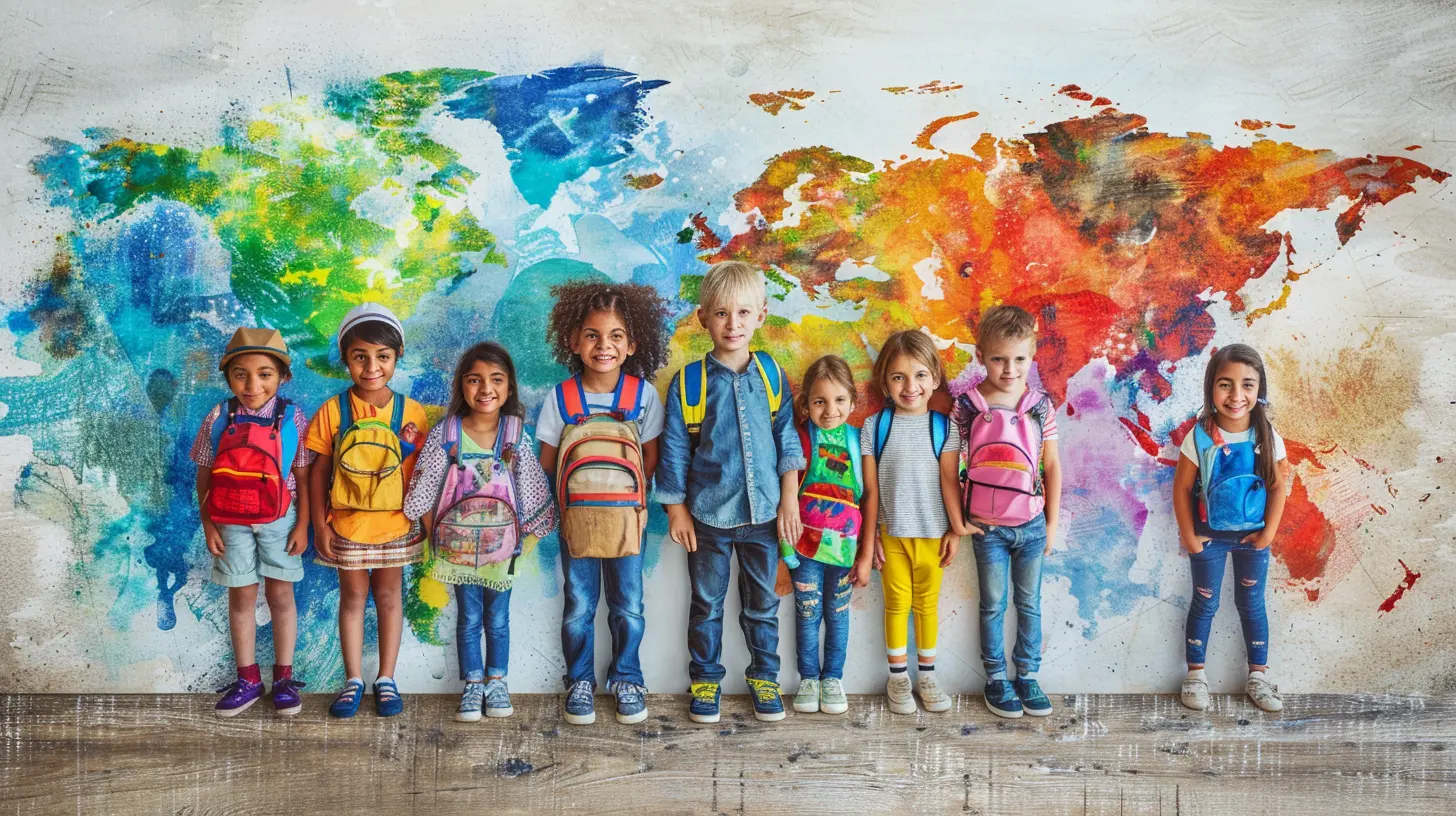
Multilingual Classrooms: A Peek into the Future
Let’s imagine a classroom where students flip between languages the way we switch between apps. Where learning French isn't about passing a test but connecting with a pen pal in Paris. Where heritage languages aren’t sidelined but celebrated.That’s possible.
In fact, it's already happening in some schools around the world. From dual-language immersion programs to global citizenship curriculums, the shift is underway—we just need more of it.
Common Myths That Hold Us Back
Let’s clear the air on a few misconceptions:"It's Too Hard for Kids to Learn More Than One Language"
False. Kids are wired for it. Many grow up speaking multiple languages at home and school without confusion."English Is Enough"
Not anymore. Yes, English is widely spoken—but not everywhere, not with everyone, and not always well. Multilingual skills are a competitive edge."We Don’t Have the Resources"
Maybe not yet, but creativity goes a long way. Language exchanges, local volunteers, community events—resources are all around if we’re willing to look.Real Talk: Your Role in All This
Whether you're a parent, teacher, student, or just someone who cares about education, you’ve got a role to play.- Encourage language learning at home.
- Push for better programs in schools.
- Advocate for policies that fund language teachers and materials.
- Celebrate linguistic diversity in your community.
Every step counts.
Wrapping It Up: Languages Are Bridges, Not Barriers
Here’s the truth: language connects us. It tells our stories, builds empathy, and helps us belong. In a world that sometimes feels divided, multilingualism is the ultimate connector.Preparing students for a multilingual world isn’t just about giving them more vocabulary—it’s about giving them more empathy, more understanding, and more opportunities. It’s about preparing them not just to survive the future but to shape it with open minds and open hearts.
Let’s raise a generation that can say hello in a dozen languages—and mean it every time.
all images in this post were generated using AI tools
Category:
Bilingual EducationAuthor:

Monica O`Neal