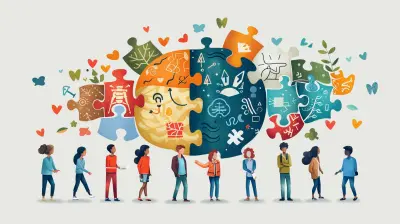
The Role of Continuing Education in a Competitive Job Market
11 October 2026
In today’s fast-paced world, job markets are evolving faster than ever. New technologies, changing industry standards, and emerging trends make it crucial for professionals to keep up if they want to stay relevant. That’s where continuing education comes into play.
But what exactly is continuing education, and why is it so important? Simply put, it’s the ongoing process of learning new skills, enhancing existing knowledge, or gaining advanced qualifications after formal education. Whether it’s enrolling in online courses, attending workshops, or pursuing certifications, continuing education helps individuals remain competitive in an ever-changing job market.
So, if you're wondering whether investing in ongoing learning is worth it, let’s take a deep dive into how it can give you an edge in today's work environment.

Why Continuing Education Matters More Than Ever
The days of landing a job straight out of college and sticking with it for decades are long gone. Today, industries shift overnight, and job requirements keep evolving. Skills that were in demand five years ago may now be outdated.Here’s why continuing education is no longer optional:
1. Staying Relevant in a Changing Industry
Industries are constantly evolving. Think of how rapidly fields like technology, healthcare, and marketing have changed. If you’re not updating your skills, you risk falling behind.For instance, imagine a software developer who stopped learning after mastering a programming language five years ago. Today, newer languages and frameworks are dominating the field. Without continuous learning, they might struggle to compete with newcomers who are up-to-date with current trends.
Similarly, a digital marketer who ignores advancements in SEO, social media algorithms, or AI-driven marketing tools may find themselves outpaced by more knowledgeable professionals.
2. Boosting Career Growth Opportunities
Want to climb the career ladder? Continuing education can be your ticket to better job opportunities. Many employers prefer candidates with additional certifications or specialized training over those who have stayed stagnant.For example, if you’re in project management, earning a PMP (Project Management Professional) Certification can elevate your credentials, making you a more attractive candidate for leadership roles.
Employers value professionals who show initiative in learning. It demonstrates commitment, adaptability, and a growth mindset—all essential qualities in today’s job market.
3. Increasing Job Security
The fear of job loss is real, especially in uncertain economic conditions. However, employees who continuously upgrade their skills are less likely to be on the chopping block during layoffs.Think about it—if a company is downsizing, they’ll likely retain employees who bring the most value. Those who have expanded their skills and kept up with industry trends will always have the upper hand.
4. Higher Earning Potential
One of the biggest advantages of continuing education? Higher salaries. Studies have consistently shown that individuals with specialized skills and certifications often earn more than their peers who don’t invest in further education.For instance, IT professionals with certifications like AWS Certified Solutions Architect or Certified Ethical Hacker (CEH) can command significantly higher salaries than those without specialized credentials.
The same goes for finance, healthcare, and other industries where additional qualifications can unlock better-paying roles.
5. Switching Careers Becomes Easier
Looking to switch careers? Continuing education can make the transition smoother. Many people realize at some point that they want to pivot into a new industry, but the lack of relevant skills holds them back.Online courses, bootcamps, and certification programs offer a faster way to gain the necessary expertise without going back to college for another degree. Want to move from customer service to data analysis? Enroll in a data analytics certification program, and you’ll be on your way.

Ways to Continue Your Education Without a Traditional Degree
Some people assume continuing education means spending years in school again—but that’s far from the truth. There are plenty of flexible, cost-effective ways to keep learning while working full-time.1. Online Courses & Certifications
Platforms like Coursera, Udemy, LinkedIn Learning, and edX offer thousands of courses on nearly every subject imaginable. You can earn valuable certifications at your own pace without leaving your house.Popular certifications include:
- Google Data Analytics Certificate (for aspiring data analysts)
- HubSpot Content Marketing Certification (for marketing professionals)
- Certified Financial Planner (CFP) (for finance enthusiasts)
2. Workshops & Seminars
Many organizations conduct industry-specific workshops and training sessions. These are great for gaining hands-on experience while networking with professionals in your field.3. Professional Associations & Networking Groups
Joining professional organizations like the Project Management Institute (PMI) or Society for Human Resource Management (SHRM) can provide learning resources, mentorship, and networking opportunities.4. Employer-Sponsored Learning Programs
Many companies offer tuition reimbursement, in-house training, or skill development programs. If your employer provides learning benefits, take full advantage of them!5. Self-Directed Learning
Not all learning has to be structured. Reading industry blogs, listening to podcasts, or watching YouTube tutorials can also keep you updated on trends and best practices in your field.
Overcoming Common Barriers to Continuing Education
Despite its benefits, many people hesitate to pursue further education due to time constraints, financial concerns, or self-doubt. Here’s how to overcome these challenges:“I Don’t Have Time”
Balancing work, family, and personal life is tough, but continuing education doesn’t have to be time-consuming. Micro-learning—where you spend just 20-30 minutes a day on a skill—can still make a huge impact over time.Set aside small chunks of time daily, whether it’s during lunch breaks or evenings, to continue learning at your own pace.
“It’s Too Expensive”
Not all education requires hefty tuition fees. Many online platforms offer affordable courses, and some even provide free learning options. Scholarships and employer-sponsored programs are also great ways to fund your learning journey.“I’m Too Old to Learn”
Learning has no age limit. Many professionals switch careers, upskill, or even start from scratch well into their 40s, 50s, or beyond. It’s never too late to invest in yourself!
The Key Takeaway
In a job market that’s more competitive than ever, continuing education is no longer just an option—it’s a necessity. It keeps you relevant, opens doors to better opportunities, increases job security, and boosts your earning potential.The best part? You don’t need to go back to college for a degree to keep learning. With the variety of online courses, certifications, workshops, and networking events available, there’s no excuse to stay stagnant.
So, if you’re looking to future-proof your career, start investing in your education today. After all, learning never stops—it just evolves with time!
all images in this post were generated using AI tools
Category:
Continuing EducationAuthor:

Monica O`Neal