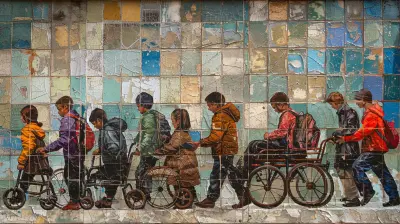
How Education Policy Can Support Student Mental Health
12 October 2026
Let’s be real for a moment: school today isn't just about grades, homework, and report cards. Behind every student who walks into a classroom, there's a whole person—carrying insecurities, facing pressure, and sometimes wrestling with stress and anxiety that’s too heavy for their age.
So, here's the big question: What can education policy do to really support student mental health?
Well, the answer isn't exactly simple, but it isn't rocket science either. It all boils down to building systems that see students not just as test-takers but as human beings.
In this article, we’ll unpack how thoughtful education policy can become a lifeline for students struggling mentally. We'll look at what’s going on, what’s missing, and what steps schools and policymakers can take to make real differences in students' lives.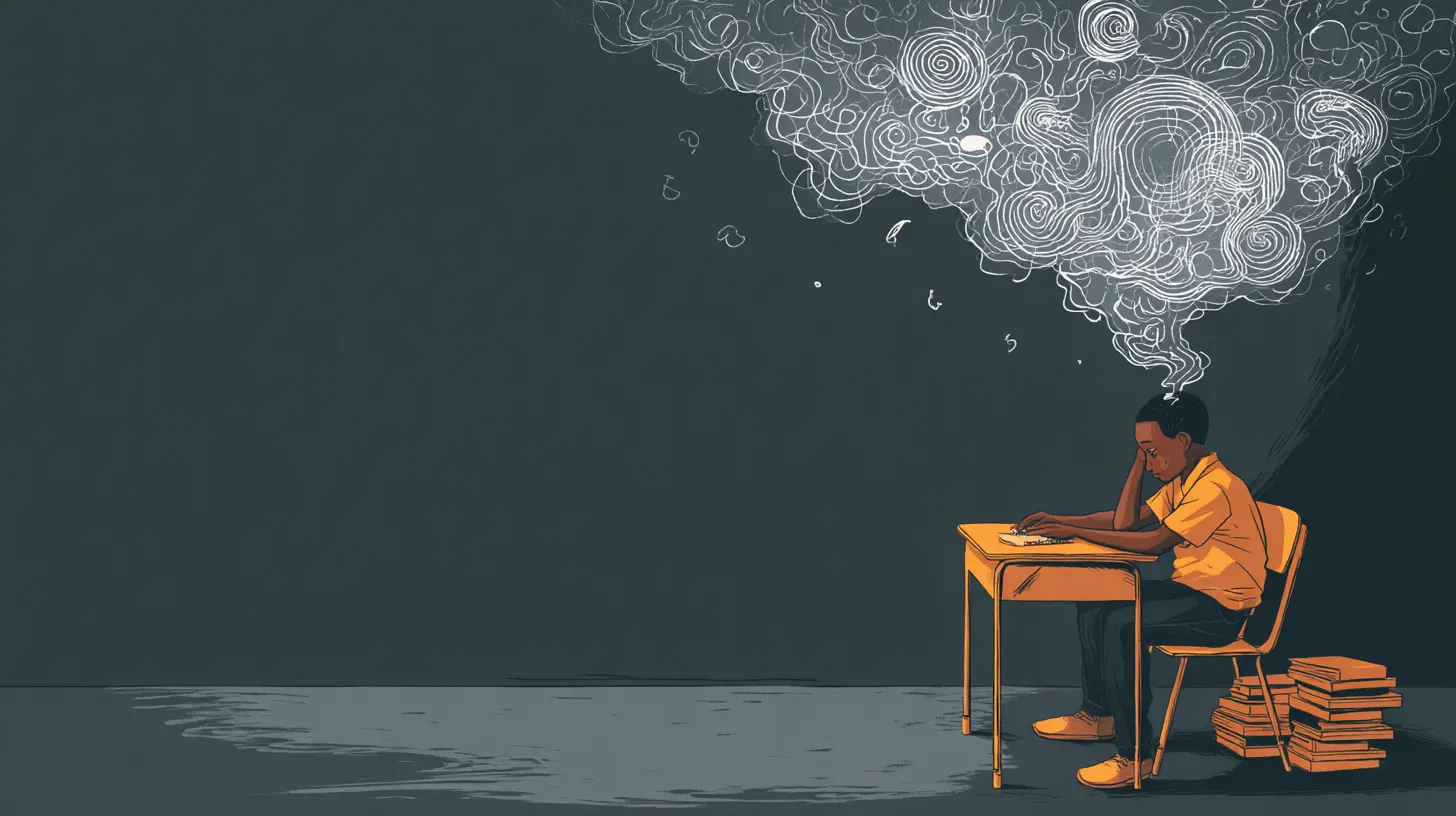
Why Student Mental Health Needs to Be a Priority
If you’ve ever been a student—or known one—you know navigating school life can sometimes feel like walking a tightrope. There's academic pressure, social dynamics, future worries, and personal struggles. Now toss in a global pandemic, social media obsession, and economic instability, and it's no surprise that student mental health is hitting all-time lows.According to the CDC, rates of anxiety and depression among kids and teens have skyrocketed in recent years. And here's the kicker—many schools still aren’t equipped to handle these crises.
Now imagine this: schools where mental health is prioritized just as much as math and science. Policies that set this foundation can create environments where students don’t just survive—they thrive.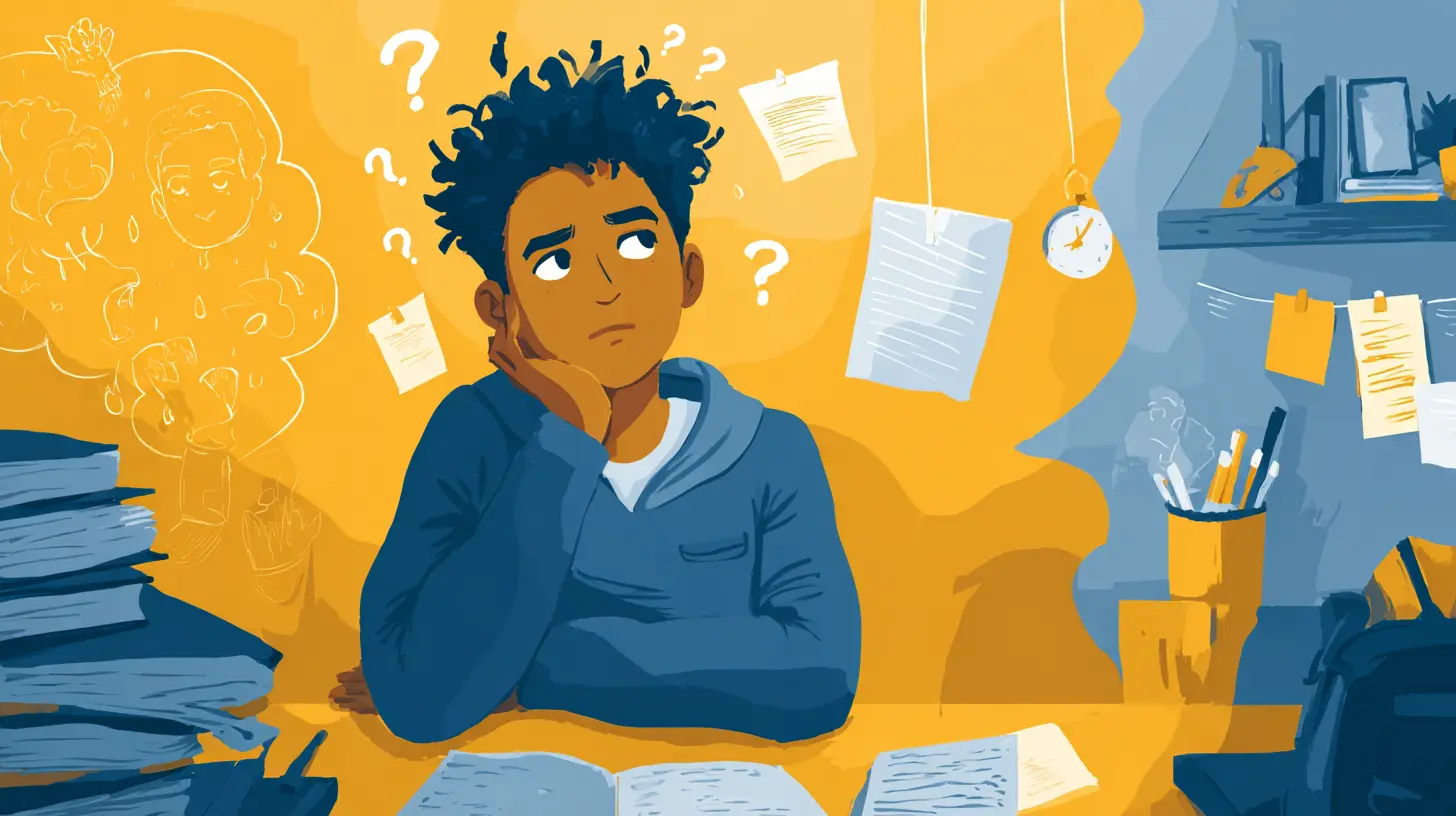
A Quick Look at the Current Landscape
Before we talk about what needs to change, let’s talk about where things stand.Some schools do have mental health programs. But most support systems are patchy at best. Budgets are tight. Counselors are overloaded. Teachers aren't trained in mental health basics. And students? Many are afraid to even speak up.
Here are the common gaps in current education systems:
- Lack of mental health professionals in schools
- Inconsistent policies across districts
- Stigma around mental health issues
- Little to no mental health education
- Overemphasis on academic achievement
If we want to build better futures, we’ve got to build better present-day systems.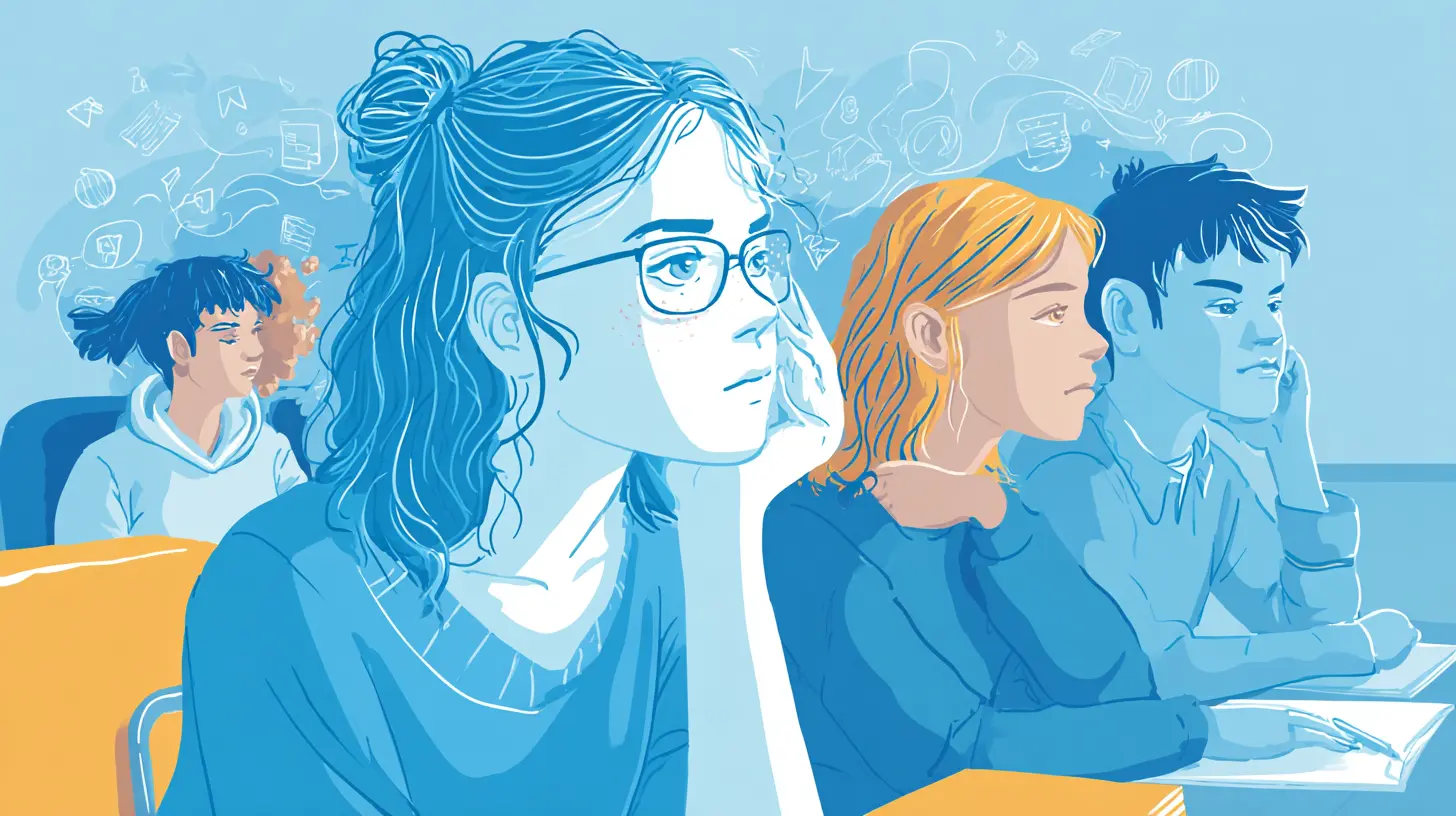
What Role Does Education Policy Really Play?
So, what can education policy actually do here?A lot, actually.
Education policy sets the rules of the game—from what’s taught in classrooms to how resources are allocated. When we craft policies with students’ mental health in mind, we can embed support systems into the very structure of a school.
Think of education policy as a blueprint for student well-being. With the right designs, we can construct an environment where every child gets the mental and emotional support they need.
Let’s break it down.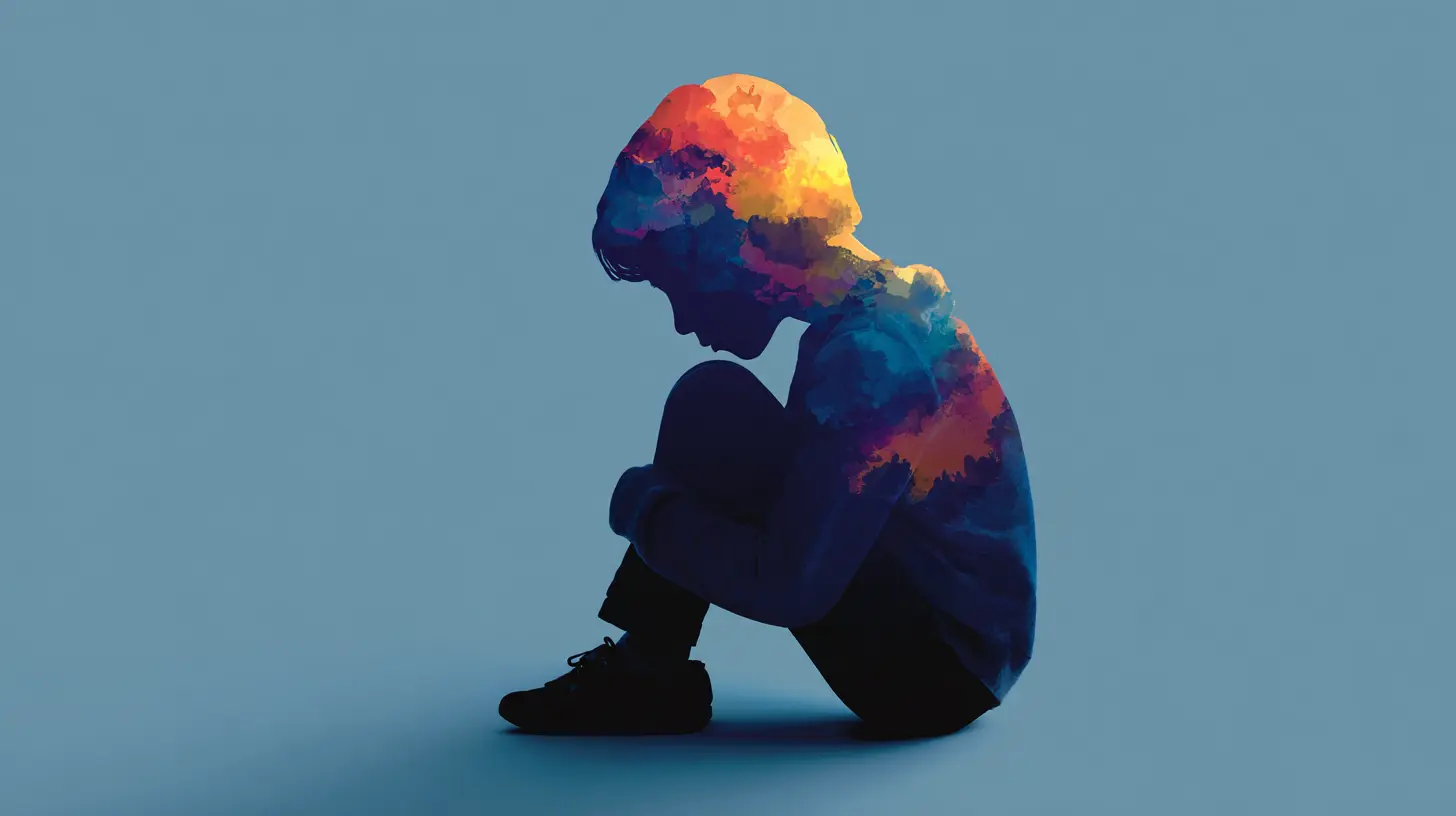
1. Mandate Mental Health Education
Wouldn’t it be great if students learned about mental health the same way they learn about muscles in biology or formulas in math?Policies can require schools to include mental health topics in their curriculums. Not just a one-off seminar during Mental Health Awareness Month, but an ongoing part of education.
It teaches kids from a young age that emotions are normal, anxiety is manageable, and asking for help isn’t weak—it’s wise.
Some ways it can look:
- Age-appropriate mental health lessons across all grade levels
- Real-life strategies for coping with stress and anxiety
- Role-plays and peer discussions to bust stigma
This kind of policy normalizes conversations around mental health, which is the first step to healing.
2. Increase Funding for School Mental Health Resources
Let’s face it—wanting to help is one thing, having the money to do it is another.Most schools rely on very limited budgets. That’s why education policy must allocate funds specifically for mental health initiatives.
Here’s what increased funding can bring:
- More licensed school counselors and psychologists
- Access to therapy for at-risk students
- Training programs for teachers and staff
- Creation of calming spaces like zen rooms or quiet corners
Imagine a school where kids can get support before things get overwhelming. That only happens when we put our money where our mission is.
3. Reduce Academic Pressure Through Smarter Policies
Let’s talk about the elephant in the room: standardized testing.This rigid, “one-size-fits-all” approach to measuring learning often does more harm than good—especially to students already struggling mentally.
Policies can shift the focus from high-stress testing environments to more holistic forms of learning and assessment. This means:
- Project-based assessments
- More flexibility in deadlines for students with mental health needs
- Less emphasis on grading, more on personal growth
Because let’s be honest: a test score doesn’t define a student’s worth.
4. Train Educators in Mental Health Awareness
Teachers are the frontlines. They're often the first to notice when something’s off with a student. But if they aren't trained in mental health, they may not know what to do—or worse, they may unintentionally ignore it.With policy-driven training requirements, schools can turn teachers into early responders.
This doesn’t mean turning them into therapists, but giving them basic knowledge:
- How to spot signs of anxiety or depression
- How to create safe, inclusive classroom environments
- How to refer students to proper support systems
When every teacher becomes a mental health ally, students don’t fall through the cracks.
5. Include Student Voices in Policy Discussions
Who knows what students need better than, well… students?Policies often get made in boardrooms by adults who haven’t stepped inside a classroom in decades. By bringing student voices to the table, policies become more grounded in reality.
Some ways to include students:
- Youth advisory councils
- Regular mental health surveys
- Open forums at schools for discussing wellness
Students are more likely to engage in mental health programs when they’ve had a say in shaping them.
6. Build Partnerships With Local Mental Health Organizations
Schools don’t have to do it all alone—and they shouldn’t.Education policy can encourage or even mandate partnerships with local mental health centers and nonprofits. This creates a wider net of support.
Benefits of collaboration:
- Access to specialized therapists
- Community programs for families
- Crisis intervention teams
- Workshops and group therapy
When schools and communities unite, students win. It really does take a village.
7. Protect Time for Mental Health
Ever feel like there's just no time to think, breathe—or feel?Students are constantly pushed from class to homework to extracurriculars. Education policies can give them room to simply be.
Ideas that work:
- Mental health days as excused absences
- Built-in breaks during the school day
- Quiet periods or mindfulness activities in school schedules
Because sometimes, pausing is the most powerful thing we can do.
8. Monitor and Measure Outcomes
Any good policy needs a system of accountability.It’s not enough to say, “Yeah, we care about mental health.” We need to track whether the policies are actually making a difference.
That means collecting data on:
- Student well-being through regular surveys
- How many students are accessing counseling services
- Behavioral incidents and attendance rates
When we measure what matters, we can fix what’s broken.
Final Thoughts: It Starts with the Will to Change
At the end of the day, supporting student mental health through education policy isn’t just about buzzwords or feel-good campaigns. It’s about real actions backed by thoughtful choices. It’s about giving students tools to face the world, not just pass a test.This isn’t a side project. Mental health is the project. And until policies reflect that, we’re letting kids down.
But here's the good news: change is possible. It starts small, with awareness. Then with advocacy, action, and transformation. Every school can be a safe space. Every student can feel seen. We just have to make the choice.
So, the next time someone says education is only about academics, you’ll know better. Education is about preparing kids to be whole, healthy humans in a messy, beautiful world. And that begins with policies that put their mental health front and center.
all images in this post were generated using AI tools
Category:
Education PolicyAuthor:

Monica O`Neal