Mastering Meal Prep in a Dorm Room
13 November 2026
Meal prepping can be a game-changer for students living in dorm rooms. With limited space and resources, it's essential to approach meal prep thoughtfully. This guide will provide you with the tools, techniques, and insights necessary to make meal prep not just feasible, but enjoyable and efficient in a dorm setting.
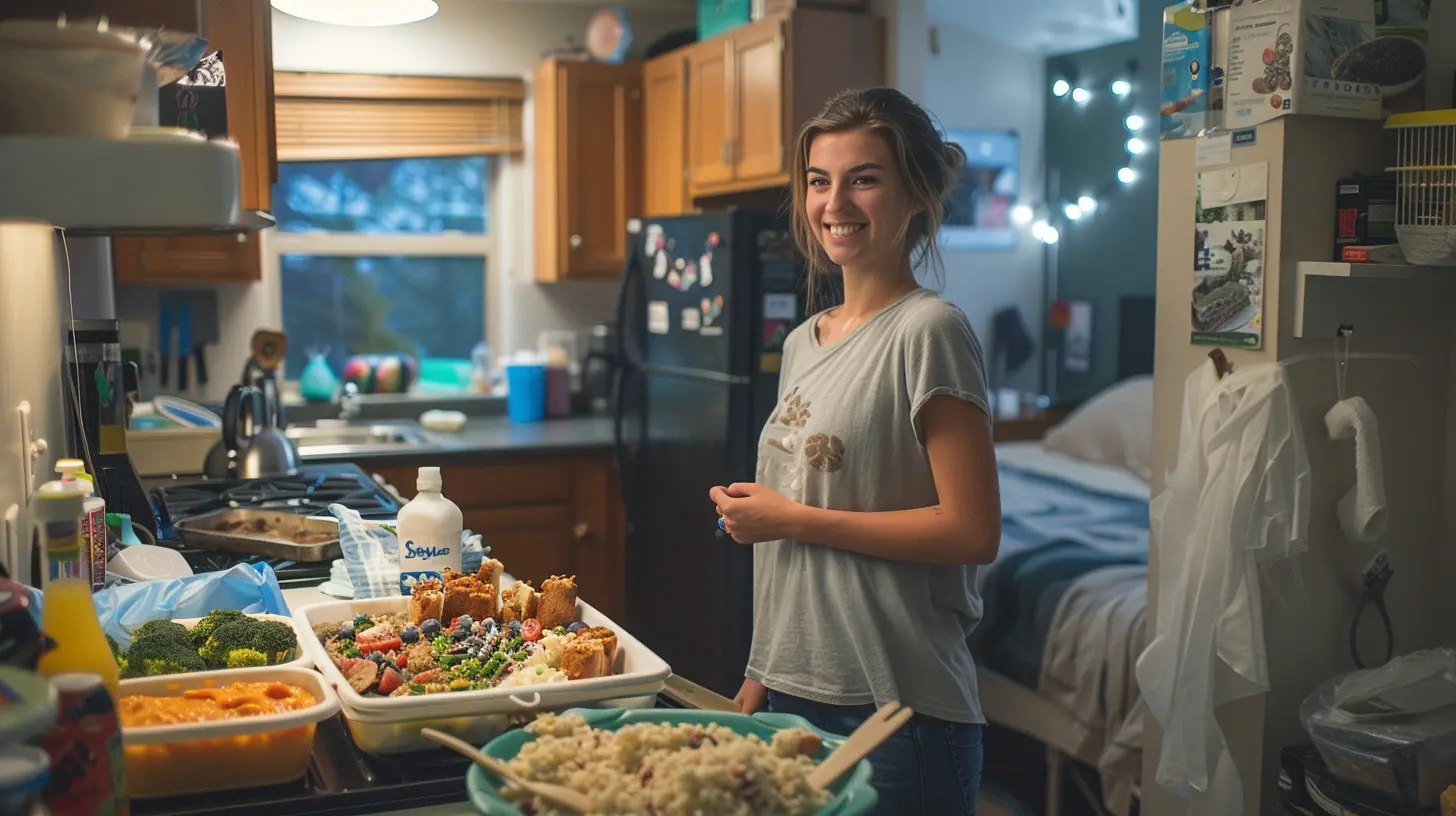
Why Meal Prep Matters
Meal prep saves time, reduces stress, and promotes healthier eating habits. For students juggling classes, assignments, and social lives, preparing meals in advance can ensure that nutritious options are readily available, minimizing the temptation of unhealthy snacks or takeout.Benefits of Meal Prep
1. Time Efficiency: Preparing meals in batches can free up your schedule for studying or social activities.2. Cost-Effective: Buying ingredients in bulk and cooking at home can significantly cut down on food expenses.
3. Healthier Choices: You have control over ingredients, allowing for healthier meals compared to typical dorm fare.
4. Reduced Food Waste: Planning meals can help you use up ingredients before they spoil.
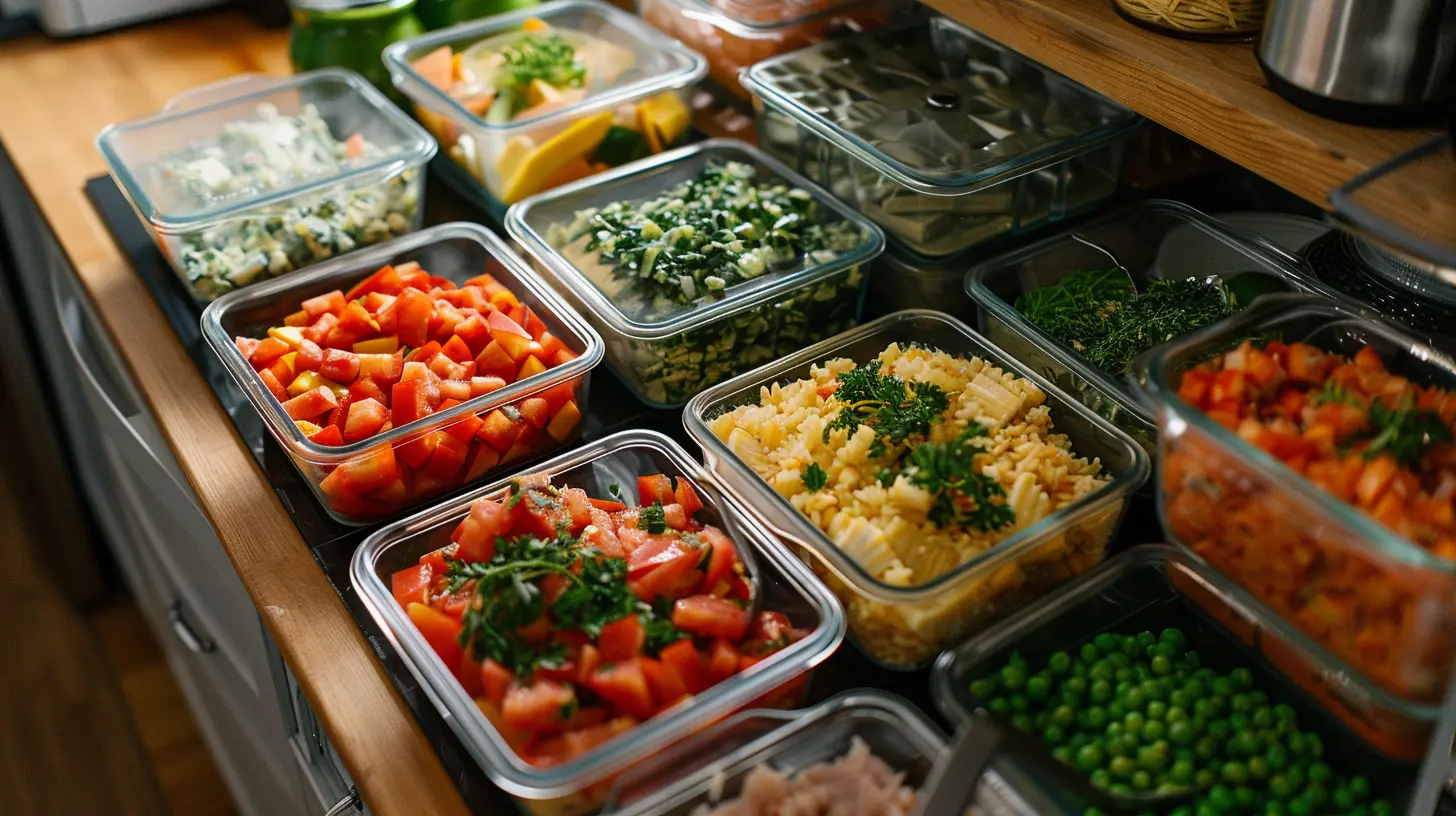
Understanding Your Dorm Room Kitchen
Most dorms come equipped with minimal cooking facilities. Understanding your tools and space is crucial for effective meal prep.Common Dorm Appliances
1. Microwave: A versatile tool for cooking and reheating.2. Mini Fridge: Essential for storing perishables.
3. Hot Plate or Electric Kettle: Useful for boiling water or cooking simple dishes.
4. Blender or Food Processor: Great for smoothies or sauces, depending on your diet.
Space Management
Space is often limited, so maximizing storage and cooking area is key. Consider vertical storage solutions, like stacking containers or using shelf organizers, to keep your ingredients and tools accessible without cluttering your limited countertop space.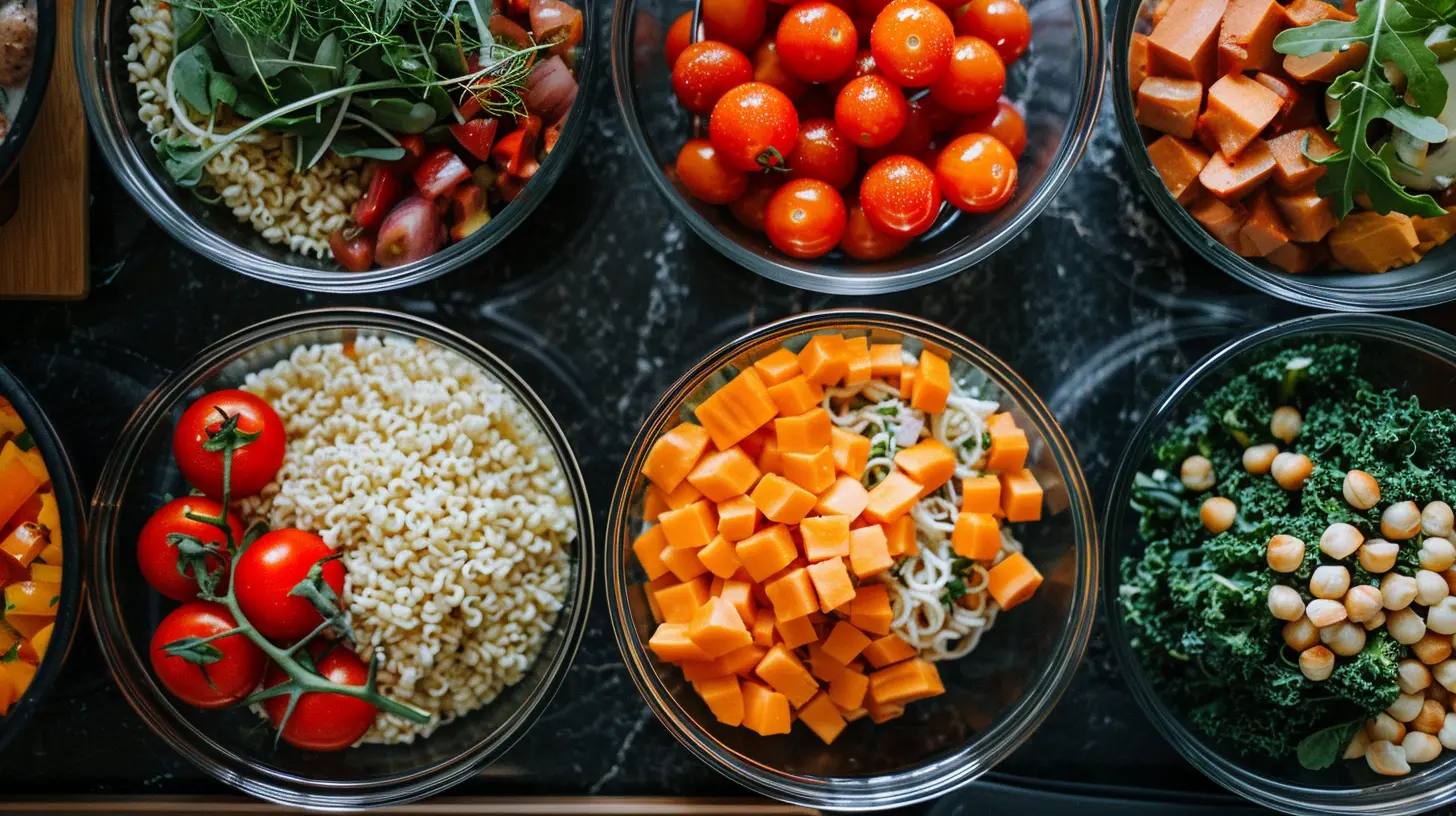
Meal Prep Basics
Getting started with meal prep involves a few foundational steps. Here's how to set up your meal prep routine.Step 1: Planning Your Meals
Before cooking, decide what meals you want to prepare. This should include:- Breakfast: Overnight oats, smoothies, or egg muffins.
- Lunch/Dinner: Grain bowls, stir-fries, or pasta dishes.
- Snacks: Energy bars, fruit, or veggie sticks with hummus.
Step 2: Creating a Grocery List
Once you have a meal plan, list the ingredients you need. Stick to this list while shopping to avoid impulse purchases. Consider buying items that have versatile uses across multiple meals.Step 3: Batch Cooking
Choose a day to cook several meals at once. This might involve roasting vegetables, cooking grains, or preparing proteins in bulk. Aim for meals that can be easily reheated or mixed and matched throughout the week.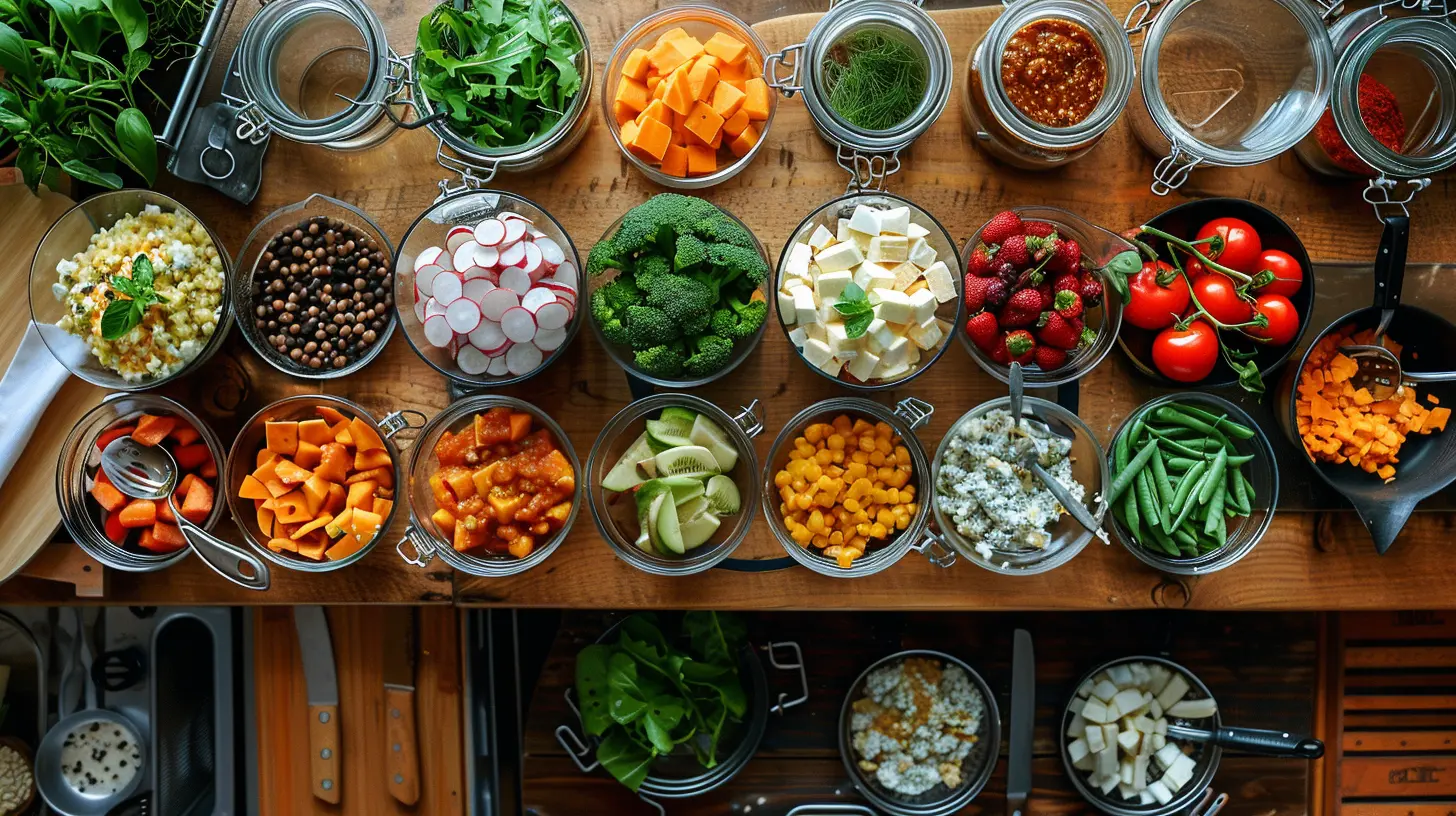
Meal Prep Techniques
Different cooking methods can enhance your meal prep. Here are several techniques that work well in a dorm setting.One-Pot Meals
Utilizing single-pot recipes can save time on both cooking and cleaning. Dishes like one-pot pasta or rice and beans can be filling and nutritious, and they minimize the number of dishes you need to wash.Freezing Meals
If your dorm freezer is large enough, consider preparing meals that freeze well. Soups, stews, and casseroles can be portioned out and stored for weeks. This not only helps avoid food waste but also provides easy meals for those particularly busy weeks.Mason Jar Meals
Mason jars are not only trendy but also practical for meal prep. Layering ingredients for salads, overnight oats, or parfaits in jars keeps them fresh and makes for easy grab-and-go meals.Choosing the Right Ingredients
Selecting the right ingredients can make or break your meal prep. Here are some tips for stocking your dorm kitchen.Fresh vs. Frozen Produce
Fresh produce can be delicious but often spoils quickly. Frozen fruits and vegetables are often just as nutritious and have a longer shelf life, making them ideal for dorm cooking.Whole Grains
Whole grains like quinoa, brown rice, or whole wheat pasta provide essential nutrients and fiber. They can be cooked in bulk and stored in the fridge for easy meal assembly.Protein Sources
Consider various protein sources, including canned beans, lentils, tofu, eggs, and pre-cooked chicken. These options are often affordable and can be added to multiple dishes.
Common Mistakes in Meal Prep
Even the most organized meal preppers can make missteps. Here are some common pitfalls to avoid.Overcomplicating Recipes
Complex recipes can lead to frustration, especially in a limited kitchen. Start with simple meals that don't require lengthy preparation or difficult techniques. As you become more comfortable, you can gradually incorporate more elaborate dishes.Ignoring Proper Storage
Using the wrong containers can lead to spoilage or mess. Invest in airtight containers that are microwave and dishwasher safe. Labeling your meals with dates can help you keep track of freshness.Failing to Plan for Variety
Eating the same meals repeatedly can lead to burnout. To maintain enthusiasm for meal prep, include a mix of flavors and cuisines. Rotate your recipes weekly to keep things interesting.Advanced Meal Prep Strategies
Once you've mastered the basics, you can adopt advanced strategies to streamline your meal prep process.Theme Nights
Designate specific nights for certain cuisines or types of meals, such as Taco Tuesday or Stir-Fry Friday. This approach adds structure and variety to your week while simplifying your planning process.Prepping Ingredients Only
If cooking full meals feels overwhelming, consider prepping ingredients instead. Chop vegetables, marinate proteins, or cook grains ahead of time. This allows you to whip up meals quickly on busy evenings.Collaborating with Roommates
If you have roommates, consider collaborating on meal prep. Pooling resources can lead to larger batch cooking, and sharing meals can reduce food costs while also providing a fun communal activity.
Sticking to Your Meal Prep Routine
Consistency is key in meal prep. Here are some tips to help you maintain your routine.Set Reminders
Use your phone or calendar to set reminders for meal prep days. Treat it as an important appointment to ensure you make time for it in your schedule.Reflect on Your Experience
After a few weeks of meal prepping, take time to evaluate what worked and what didn't. Adjust your meal plans, ingredient choices, and cooking methods based on your findings.Keep It Fun
Experiment with new recipes, cooking methods, or ingredients to keep your meal prep experience enjoyable. Involve friends in the process or try themed meals to break the monotony.Conclusion
Mastering meal prep in a dorm room is not just about saving time; it is about creating a sustainable lifestyle that supports your health and academic success. Through careful planning, clever use of space, and a willingness to adapt, you can make meal prep a rewarding part of your routine. With practice, you will find yourself not only eating healthier but also enjoying the process of cooking and sharing meals with friends.
all images in this post were generated using AI tools
Category:
Student LifeAuthor:

Monica O`Neal