The Impact of Learning Styles on Digital Literacy
16 February 2026
In today’s hyper-connected world, digital literacy isn’t just a skill—it’s a necessity. But here’s a twist: not everyone develops digital literacy the same way. Why? Because we all learn differently. Our individual learning styles play a massive role in how we process digital information, engage with online tools, and navigate the virtual world. So, if you’ve ever wondered why some people breeze through tech tutorials while others struggle, it all starts with understanding learning styles.
Let’s break it down and see how learning styles shape our digital literacy in ways you might not have thought about.
What is Digital Literacy, Anyway?
Before we jump into learning styles, let’s get clear on what digital literacy means.Digital literacy is more than just knowing how to use a computer. It’s the ability to find, evaluate, use, create, and communicate information using digital technologies. This includes things like:
- Navigating websites and apps
- Understanding online privacy and security
- Evaluating credible sources
- Using digital tools for communication and collaboration
- Engaging in digital citizenship
In short, it’s the roadmap for surviving and thriving in the modern world. Now, let’s connect the dots between this and how you learn.
Decoding Learning Styles: What Are They?
Learning styles refer to how individuals absorb, process, and retain information. It’s like the user manual for your brain. Some people grasp concepts better by seeing them, others by hearing, some by doing.Here are the big four learning styles you’ll often hear about:
1. Visual (spatial) – You learn best by seeing. Diagrams, charts, videos? Bring it on.
2. Auditory (aural) – You’re all ears. You pick up more from lectures, discussions, and audio materials.
3. Reading/Writing – Give you a book or written instructions, and you’re good to go.
4. Kinesthetic (physical) – You’re hands-on. You learn best through experience and movement.
Most of us are a mix, but usually, one style tends to stand out. And guess what? This preference affects the way we develop digital literacy skills.
How Visual Learners Tackle Digital Literacy
Visual learners thrive on imagery and spatial understanding. For these folks, a picture is truly worth a thousand words. When it comes to digital literacy, visuals play a huge role in making things click.Strengths of Visual Learners:
- Easily interpret graphs, screenshots, and infographics- Great at navigating interfaces using icons and layout design
- Excel in software that includes drag-and-drop visuals
Challenges:
- May get overwhelmed with text-heavy content- Need visually appealing layouts, or attention may drift
For visual learners, learning digital skills through video tutorials, infographics, and step-by-step graphical guides is gold. They’re the kind of people who say, “Just show me how it’s done,” and then they get it.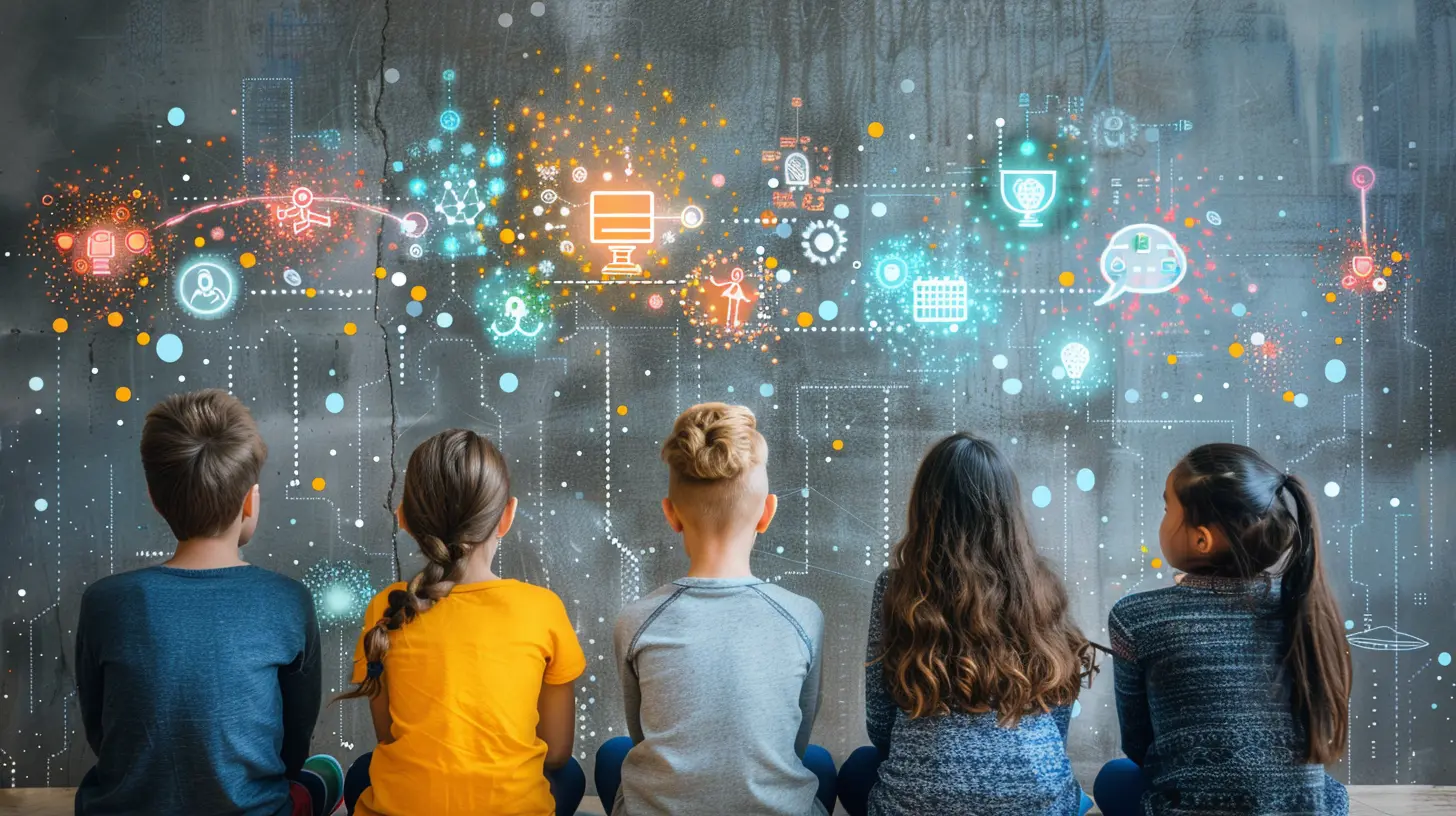
Auditory Learners in the Digital World
Ever learn something better after just hearing it once? That’s an auditory learner in action. These learners are tuned into the spoken word—from podcasts to educational videos with lots of narration.Strengths of Auditory Learners:
- Great at following spoken instructions- Excel in virtual discussions, group chats, and webinars
- Pick up on tone, emphasis, and storytelling in digital content
Challenges:
- Might struggle with silent, visual-only content- Need sound or verbal cues to stay engaged
Audiobooks, narrated tutorials, and educational podcasts are like rocket fuel for auditory learners' digital growth.
Reading/Writing Learners: Digital Literacy Hustlers
These are the note-takers, the blog-readers, the instruction-manual lovers. They live in their own textual world and often adapt well to digital learning environments, especially where reading and writing are central.Strengths of Reading/Writing Learners:
- Thrive with written instructions, articles, and eBooks- Excel at written communication like emails and forums
- Often self-motivated, making them great online learners
Challenges:
- May tune out from really visual or audio-heavy content- Can find interactive media distracting
For this group, the key lies in clear, well-organized textual content. PDFs, blogs, and searchable databases are their comfort zones. They’re the people who prefer reading the transcript over watching the video.
Kinesthetic Learners: The Doers of Digital Literacy
If you’ve got to click it, move it, or break it to understand it, you’re likely a kinesthetic learner. These are the hands-on folks who learn best by doing—trial and error is their teacher.Strengths of Kinesthetic Learners:
- Learn well by interacting with devices, software, and apps- Excel in project-based or experiential learning environments
- Immensely creative problem solvers when faced with real-world tasks
Challenges:
- Get bored with passive learning (just reading or listening)- Need constant engagement to stay focused
Interactive simulations, coding bootcamps, and app-building tools give kinesthetic learners the playground they need to grow their digital literacy.
The EdTech Boom and Customized Learning
The rise of EdTech (education technology) has cracked open new possibilities for personalized learning. Algorithms now adapt to your pace, learning style, and preferences. Whether you’re using Duolingo to learn Spanish or Khan Academy to brush up on math, smart platforms customize the experience.But here's the kicker—it only works if the tool aligns with your preferred learning style.
For instance:
- Visual learners thrive on platforms like Canva or Prezi, where design is at the core.
- Auditory learners benefit from voice-driven learning assistants like Alexa Skills.
- Reading/writing learners love platforms like Medium or Notion.
- Kinesthetic learners level up with coding tools like Scratch or AR/VR modules in STEM learning.
Making digital literacy more accessible means catering to how students naturally engage with content. That’s not just good teaching—it’s smart learning.
Why Ignoring Learning Styles Can Hurt Digital Literacy
You wouldn’t hand a French-language manual to someone who only reads Japanese, right? Well, ignoring learning styles in digital education is kind of like that. When there's a mismatch between teaching style and learning preference, students become disengaged, frustrated, or worse—technologically illiterate.The result? A digital divide that’s not just about access, but also about method. Even when the tools are there, if the approach doesn't fit the learner, they're less likely to succeed.
Bridging the Gap: Strategies for Educators and Learners
Now the big question: how do we use this knowledge to actually improve digital literacy?Here are some actionable strategies:
For Educators:
- Incorporate mixed media in digital lessons: videos, podcasts, readings, and hands-on exercises.- Use quizzes and surveys to identify students’ learning styles early on.
- Design lessons that allow for flexible learning paths.
- Encourage peer collaboration that leverages varied learning strengths.
For Learners:
- Identify your learning style (there are tons of free quizzes online).- Choose resources that match how you naturally learn.
- Don’t be afraid to ask for content in another format.
- Mix it up occasionally—stretching into other styles can enhance your adaptability.
The goal isn’t to pigeonhole anyone but to empower everyone.
Learning Styles and Future Digital Skills
Digital literacy isn’t static. As AI, machine learning, VR, and other tech advances sweep into education, new digital skills will become critical. Understanding your learning style today helps you future-proof your skillset.Take coding, for example. It might seem dry to some, but when taught through a style-fitting method—visual coding for visual learners, project-based for kinesthetic types—it suddenly clicks.
As we move toward more immersive learning environments like virtual classrooms and AI tutors, integrating learning styles into these designs will be the difference between inclusion and exclusion.
Final Thoughts
Let’s face it: digital literacy is vital in the 21st century. But how we get there isn’t one-size-fits-all. Learning styles deeply influence how we absorb digital skills, which makes them a key ingredient in effective digital education.Whether you’re a teacher looking to tailor lessons or a student trying to make sense of online tech, knowing your learning style is like having the cheat code to the game of digital literacy.
So, next time you're stuck on an app, confused by an update, or trying to master a new digital skill—pause and ask yourself: Am I learning in a way that works for me?
Because when learning meets style, digital literacy isn’t just possible—it’s powerful.
all images in this post were generated using AI tools
Category:
Learning StylesAuthor:

Monica O`Neal
Discussion
rate this article
2 comments
Linnea McDaniel
Understanding learning styles is crucial in enhancing digital literacy; it reveals how individuals engage with technology. Embracing diverse approaches not only democratizes access to information but also fosters a more inclusive and adaptable learning environment for all.
March 24, 2026 at 12:39 PM
Monica O`Neal
I appreciate your insight. Recognizing different learning styles does play a key role in making digital literacy more accessible and inclusive for everyone.
Roman Gilbert
Great read! Embracing diverse learning styles can truly enhance digital literacy. Let’s celebrate our unique ways of learning and keep exploring the digital world with curiosity and joy! 🌟
February 16, 2026 at 3:41 AM
Monica O`Neal
Thank you! I completely agree—celebrating diverse learning styles enriches our digital literacy journey. Let’s keep exploring together! 🌟