Learning New Skills in a Changing Economy Through Continuing Education
13 January 2026
Hey there! If you’ve been paying any attention to how the world’s changing these days—and chances are, you have—you’ve probably noticed something: things aren’t staying the same for long. Jobs that were hot a few years ago are disappearing, and entirely new industries are popping up out of nowhere. Got you feeling like you’re in a constant game of career musical chairs? You’re not alone.
That’s where continuing education steps in. It’s like a life raft in the stormy ocean of economic changes. Whether you’re trying to move up in your current field, switch to something completely new, or simply stay relevant, learning new skills is more important than ever.
Let’s talk about why this matters and how continuing education can be your secret weapon in a shifting economy.
Why the Economy Keeps Changing (And What That Means for Your Career)
First things first—why do we even need to talk about a "changing economy”? Well, several reasons:1. Technology keeps evolving – Think AI, automation, remote work tools. They're not just buzzwords; they’re changing how we work.
2. Globalization is real – Jobs are no longer confined to your town or even your country. Competition (and opportunity) spans the globe.
3. Pandemics and crises – COVID-19 proved that industries can collapse overnight, while others boom.
4. Consumer behavior changes – The way people buy stuff, learn things, and spend their time is constantly shifting.
So, what does that mean for you? It means that even if you love your job, the skills that got you there might not keep you there. Or worse—they might not mean anything in a few years.
Scary? A little. But also exciting—if you’re ready to adapt.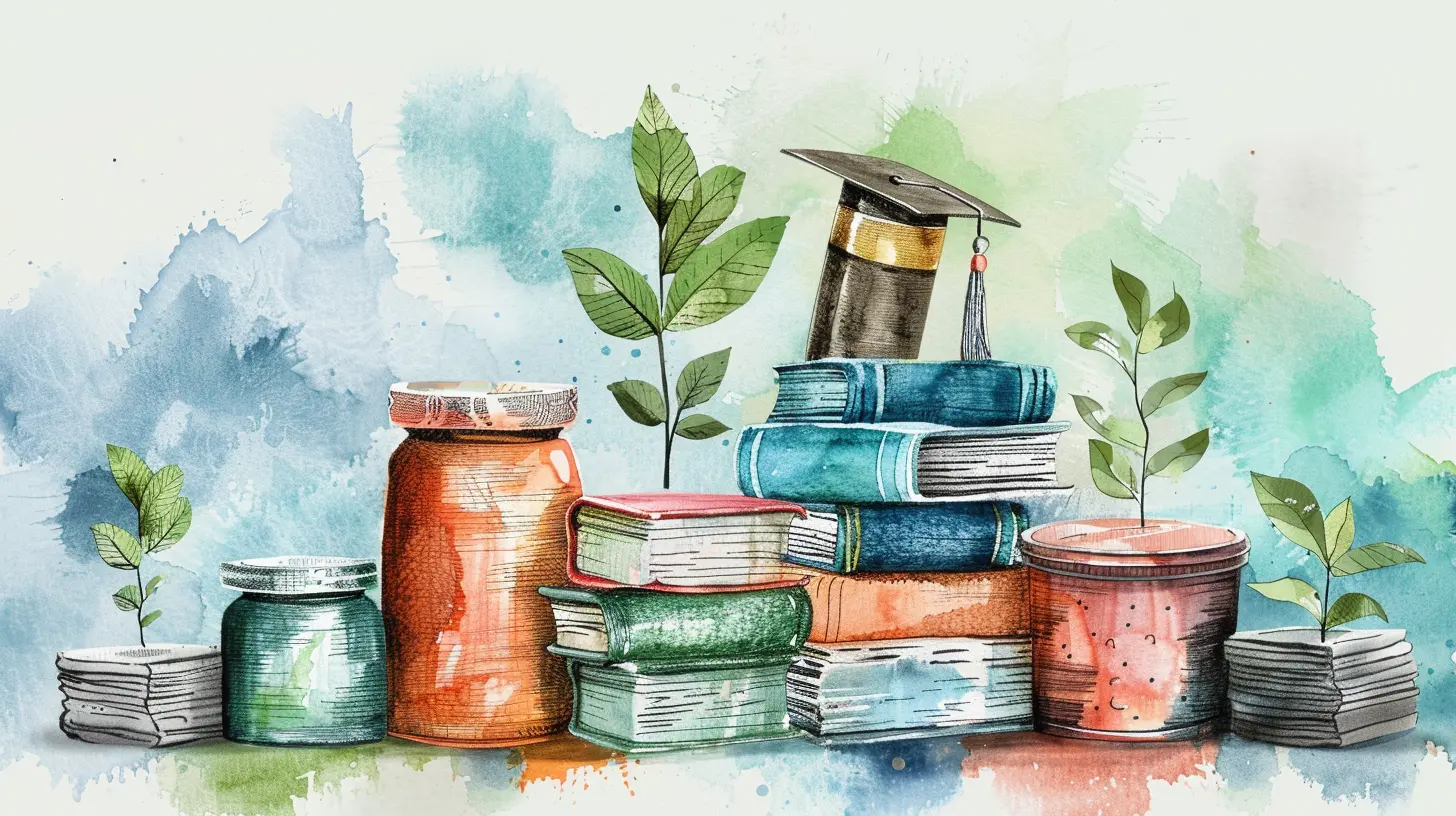
Continuing Education: Not Just For College Kids
When people hear “continuing education,” they often think of going back to college—and spending years (and loads of money) doing it. But the truth is, continuing education today looks very different. It’s flexible, accessible, and tailored to the real world.You’ve got:
- Online courses
- Certifications
- Bootcamps
- Workshops
- Industry events
- Webinars
- Micro-credentials
Heck, even watching a YouTube tutorial counts if it teaches you something valuable!
Continuing education is all about learning on your own terms. You don’t have to quit your job, uproot your life, or break the bank.
Why Learning New Skills is a Game-Changer
Let’s break it down. Why does picking up new skills matter so much right now?1. Stay Relevant in Your Current Role
Even if you’re not planning a career switch, your role is probably evolving. New tools and practices are always emerging. Think of it like updating your phone’s software—if you don’t, things start glitching.So staying sharp is about more than impressing the boss—it’s about holding your ground.
2. Open Up New Career Doors
Want to jump into a new field? Or maybe you’re eyeing a leadership position? Learning new skills is the bridge that gets you from “Maybe someday” to “I’m doing it now."From project management to coding, marketing, UX design, data analysis—there’s a whole buffet of skills out there, and each one opens a new door.
3. Boost Your Confidence
Let’s be honest—change is scary. But nothing builds confidence like competence. The more you know, the more in control you feel. And that confidence? It shows in interviews, meetings, and pretty much every professional situation.Think of continuing education as your self-esteem gym.
4. Increase Your Earning Potential
Want to make more money? (Who doesn’t?) Learning in-demand skills can make you more valuable to employers. Simple as that.People with up-to-date skills are often the first to get promoted, offered raises, or land better-paying jobs elsewhere.
Hot Skills in Today’s Job Market
So what skills are actually worth learning right now? Here’s a rundown of what employers are craving:1. Tech Skills
Even if you’re not in IT, understanding basic tech stuff can seriously boost your career. Think:- Data analysis
- Cybersecurity basics
- Coding (Python, JavaScript, SQL)
- Cloud computing
- Digital product management
2. Soft Skills
Soft skills are the secret sauce. They aren’t taught in school (well, not usually), but they’re super valuable:- Communication & collaboration
- Emotional intelligence
- Problem-solving
- Adaptability
- Leadership
Some say soft skills are the real hard skills in today’s workplace.
3. Business & Marketing Know-How
Got a side hustle? Want to move into management? These skills help you think big:- Digital marketing
- Project management (PMP, Agile, Scrum)
- Financial literacy
- Sales
- SEO & Content Marketing (yup, like what I’m doing now!)
How to Choose the Right Continuing Education Path for You
Not sure where to start? Don’t worry, this isn’t a one-size-fits-all deal. Here's how to figure out the best route for you:Step 1: Know Your Goal
Ask yourself: Why do I want to learn this skill? Is it for a promotion? Career switch? Personal growth?Having a clear goal will help you narrow down your options.
Step 2: Match Skills with Industry Trends
Do some light research. What are employers in your field looking for? What keywords keep popping up in job listings? That’s gold.Step 3: Pick the Right Learning Platform
A few great places to start:- Coursera
- LinkedIn Learning
- Udemy
- Skillshare
- edX
- General Assembly
Want more structured credentials? Look into certificate programs from universities or professional organizations.
Step 4: Make Time for It
This might be the hardest part—finding time. Try carving out 30 minutes a day or a few hours each weekend. Think of it like brushing your teeth: it becomes routine.Consistency beats intensity every time.
Real People, Real Impact: How Continuing Education Changed Lives
Let’s put a face to the facts. Meet Sarah. She was working in retail management for a decade. When COVID hit, her store closed. Instead of panicking, she took a UX design bootcamp online. Fast-forward a year—she’s working remotely for a design agency and tripled her salary.Or Jamal. He was a truck driver with a curious mind. He started watching YouTube tutorials on data analysis, then took some online courses. Within two years, he landed a data analyst job at a major logistics company.
These aren’t unicorns. These are regular people who said “yes” to learning.
Barriers to Continuing Education (And How to Crush Them)
Okay, time for a little tough love. A lot of folks want to learn new skills, but they get stuck. Why? Let’s tackle the big excuses:“I Don’t Have Time.”
Totally get it. But here’s a secret: You don’t need hours a day. With microlearning, 10 minutes here and there adds up. Maybe skip one Netflix episode and take a short course instead.“I Can’t Afford It.”
Education doesn’t have to cost a fortune. Tons of quality courses are free or super affordable. Plus, many employers offer education benefits—use them!“I’m Too Old.”
Nope. Not true. Lifelong learning is for everyone. Whether you’re 25 or 55, your mind is still capable of amazing things.“I Don’t Know Where to Start.”
Start small. Pick one skill, one course, one week. As you build momentum, the path becomes clearer.The Future Belongs to the Curious
Here’s the thing: we can’t control the economy. We can’t predict every twist and turn the job market takes.But we can control how we respond. Continuing education isn’t just about learning—it’s about staying ready. It’s about building the kind of career that can weather any storm because you’ve got the skills to steer the ship.
So ask yourself: What skill have I always wanted to learn? And what’s stopping me?
Open that laptop. Sign up for that course. Join that webinar. Step by step, you’ll move closer to a future you can feel good about.
Because it's not just about survival out there—it’s about thriving.
Final Thoughts
Learning new skills in a changing economy through continuing education isn’t just a smart move—it’s absolutely essential. Whether you’re planning a career overhaul or just want to fine-tune your current expertise, education puts the power back in your hands.So next time someone says “the economy is shifting,” you can smile and say, “So am I.
all images in this post were generated using AI tools
Category:
Continuing EducationAuthor:

Monica O`Neal
Discussion
rate this article
2 comments
Quinn Lee
This article highlights the importance of continuing education in adapting to a rapidly evolving job market. By embracing lifelong learning, individuals can acquire new skills, enhancing their employability and resilience in an unpredictable economy.
February 17, 2026 at 1:31 PM
Monica O`Neal
Thank you for your insights! I agree that lifelong learning is crucial for staying relevant and adaptable in today's job market.
Heather Tucker
Exciting possibilities await with lifelong learning in our evolving economy!
January 16, 2026 at 4:52 AM
Monica O`Neal
Absolutely! Lifelong learning is key to adapting and thriving in today’s dynamic job market.