How to Encourage Second Language Acquisition in Adolescents
30 July 2026
Learning a second language as a teenager isn't always easy. Adolescents juggle school, social lives, and personal growth, so adding language acquisition to the mix can feel overwhelming. But the truth is, learning a new language opens doors—to new cultures, careers, and connections.
So, how can we encourage teenagers to embrace the challenge of learning a second language? Whether you're a parent, teacher, or mentor, supporting their journey can make all the difference. In this guide, we'll explore effective strategies to make language learning engaging, meaningful, and fun for adolescents.
Why Is Second Language Acquisition Important for Teens?
Before diving into strategies, let's discuss why learning a second language matters:- Boosts Cognitive Skills – Studies show that bilingualism improves memory, problem-solving, and analytical thinking.
- Enhances Career Opportunities – Being multilingual gives teens a competitive edge in the job market.
- Encourages Cultural Awareness – Language learning helps them appreciate different cultures and perspectives.
- Improves Social Skills – Speaking another language fosters communication and connection with diverse groups of people.
Understanding these benefits can help teens feel more motivated to stick with language learning, even when it gets tough.
1. Make It Relevant to Their Interests
Let's be honest—if something doesn't feel relevant, teens won’t care about it. So, tie language learning to what excites them.- If they love music, introduce them to songs in the target language.
- Are they into gaming? Find multiplayer games where they can chat with native speakers.
- For aspiring travelers, show them how knowing another language can enhance their future adventures.
When language learning feels personal and engaging, motivation skyrockets.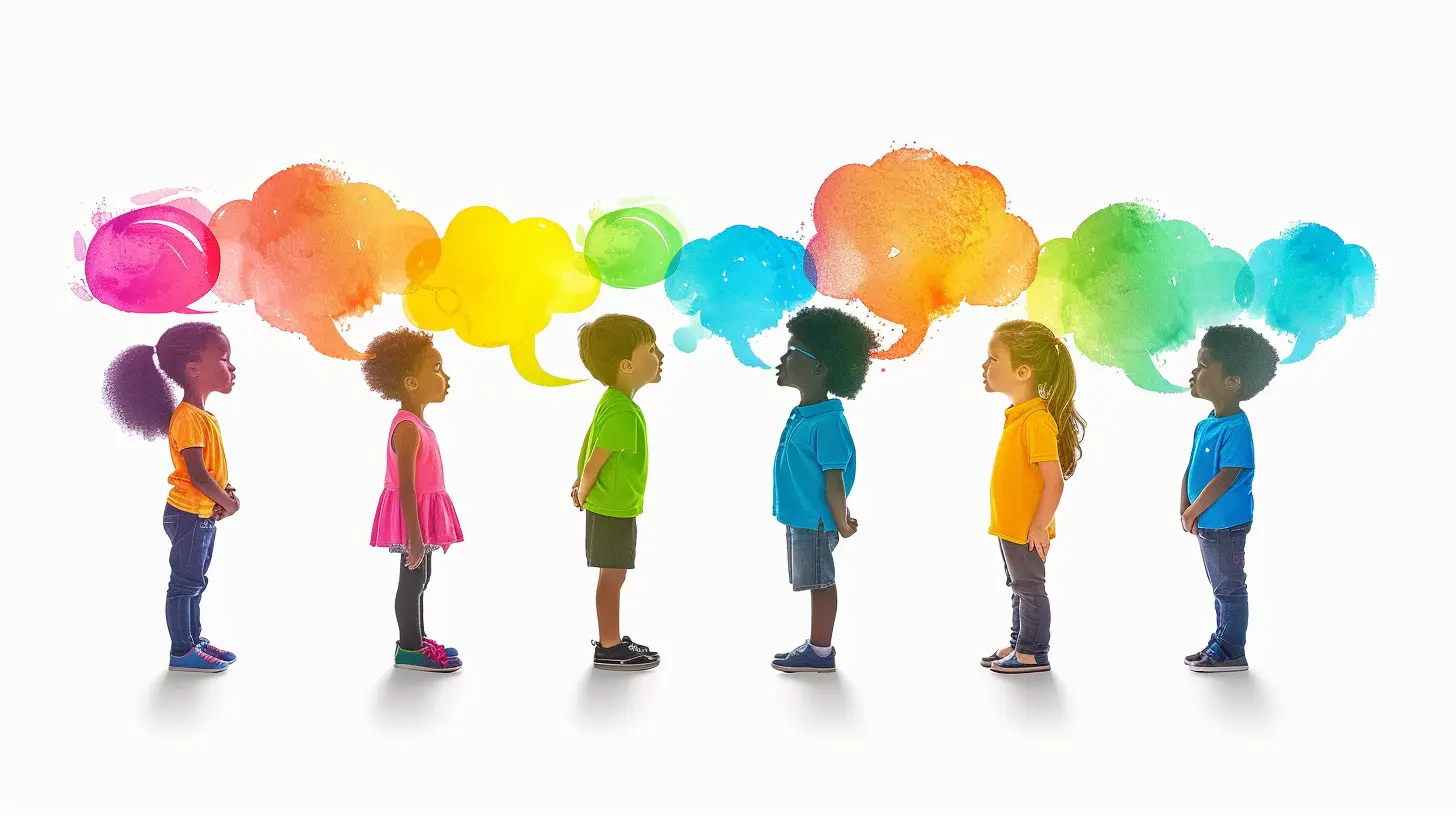
2. Create a Low-Pressure Learning Environment
Nobody likes feeling forced to do something. If learning a second language feels like a chore, teens will resist it. Instead, foster a relaxed, supportive atmosphere.- Encourage progress rather than perfection.
- Praise efforts, even if they make mistakes.
- Create opportunities to practice in fun and informal ways.
Learning a language is like learning to ride a bike. Falls and mistakes are part of the process—what matters is getting back up and trying again.
3. Expose Them to Media in the Target Language
One of the easiest ways to immerse adolescents in a second language is through entertainment they already enjoy.- Movies & TV Shows – Watch with subtitles first, then gradually switch to full immersion.
- YouTube & Podcasts – Find content creators who speak in the target language.
- Books & Comics – Start with simple books, then build up to more complex materials.
When language exposure happens naturally, it doesn’t feel like studying—it feels like entertainment.
4. Encourage Daily Practice in Small Doses
Consistency is key when learning a language. But expecting a teen to sit down for hours of grammar drills? That’s a recipe for frustration.Instead, encourage bite-sized learning:
- 5-10 minutes of app-based practice (Duolingo, Babbel, or Memrise).
- Label household objects with Post-it notes in the target language.
- Encourage journaling in the second language—even if it’s just a few sentences per day.
Language learning is a marathon, not a sprint. Small, daily efforts create lasting progress over time.
5. Connect Them with Native Speakers
Interacting with native speakers gives language learning real-world meaning. If possible, help your teen connect with people who speak the language fluently.- Language Exchange Programs – Websites like Tandem or HelloTalk offer free language exchanges.
- Pen Pals – Writing letters or emails to a native speaker can be a fun way to practice.
- Community Events – Encourage them to attend cultural festivals or foreign language meetups.
Speaking with real people builds confidence and makes the language feel alive.
6. Make Learning Competitive and Fun
Sometimes, a little competition can spark motivation. Turn language learning into a fun challenge:- Set Goals – Challenge them to learn 10 new words daily.
- Gamify Learning – Use apps with leaderboards and rewards.
- Practice With Friends – Encourage them to study with friends by quizzing each other.
Turning language acquisition into a game makes the process feel exciting instead of exhausting.
7. Travel (If Possible) or Create Immersive Experiences
Traveling to a country where the language is spoken is an incredible way to motivate teens. But if a trip isn’t possible, bring the culture to them:- Cook a meal from that country and learn the ingredients in the target language.
- Visit local cultural centers or international restaurants.
- Create a "language immersion day" where they only communicate in the target language.
Even small immersive experiences can make language learning feel more meaningful and real.
8. Encourage a Growth Mindset
Learning a language is a journey, and setbacks are normal. The key is teaching teens that mistakes are part of the process.- Celebrate progress, no matter how small.
- Remind them that fluency takes time.
- Focus on communication over perfection.
Language learning isn’t about being "perfect"—it’s about being understood. Encourage them to embrace the struggle and keep pushing forward.
9. Make Language Learning a Social Experience
Teens are social creatures, so making language learning interactive can boost engagement.- Join a language club – If their school has one, great! If not, consider starting one.
- Use social media – Encourage them to follow influencers who speak the target language.
- Find a study buddy – Practicing with a friend makes learning more enjoyable.
Learning a language doesn’t have to be a solo journey. The more social it is, the more they'll stick with it.
10. Help Them See the Bigger Picture
When motivation dips, remind them why learning a second language is worth it.- Want to work abroad someday? Learning another language helps.
- Dream of studying internationally? Many scholarships are available for bilingual students.
- Passionate about making a difference? Knowing another language allows them to connect with more people worldwide.
Helping teens see the long-term benefits can reignite their motivation when they feel frustrated.
Final Thoughts
Encouraging a teenager to learn a second language requires patience, creativity, and support. The key is making the journey enjoyable rather than stressful. When they see language learning as a tool for connection, self-improvement, and personal growth, they're more likely to stay committed.So whether it's through music, movies, travel, or friendly competition, find what excites them. With the right approach, teens won’t just learn a language—they’ll embrace a whole new world of opportunities.
all images in this post were generated using AI tools
Category:
Bilingual EducationAuthor:

Monica O`Neal
Discussion
rate this article
1 comments
Sablethorn Carter
Forget the textbooks. Hand them a phone and let them chat with their friends in another language!
July 30, 2026 at 4:11 AM
Monica O`Neal
That's a great point! Real conversations make learning vibrant and engaging.