Addressing the Teacher Shortage Crisis Through Policy Changes
13 August 2026
Let’s be real—our classrooms are facing a crisis. Not the kind that makes front-page news every day, but one that's quietly impacting millions of children and families: a growing teacher shortage. You’ve probably heard about it. Maybe your local school has had trouble hiring educators, or maybe your child’s class had a substitute teacher for weeks on end. Either way, it’s a problem that’s becoming harder to ignore.
But here’s the truth: the teacher shortage didn't just fall from the sky. It's been brewing for years. And while there isn’t a single magic fix, smart, intentional policy changes can make a massive difference. So, let’s unpack this issue in plain English and talk about how we can actually start addressing the teacher shortage crisis through policy changes.
What's Really Behind the Teacher Shortage?
Before we dive into solutions, let’s get something straight—this shortage isn’t just about “not enough teachers.” It’s about why fewer people want to become teachers and why so many are leaving the profession.1. Low Pay, High Stress
Let’s cut to the chase—teachers are underpaid and overworked. Imagine pouring your heart and soul into your job, shaping young minds, only to struggle to pay the bills. Doesn’t sound too appealing, does it?Many potential teachers are put off by the idea of taking on student loan debt just to walk into a career that doesn’t offer financial stability. And those already in classrooms? Burnout is real. Long hours, constant testing, and unrealistic expectations have many heading for the exit.
2. Lack of Respect and Support
Teachers are often treated like babysitters instead of professionals. Policies are passed without educator input, and when the going gets tough, teachers can feel like they’re being blamed instead of backed up. Who wants to stay in a career where you feel unheard and unsupported?3. Poor Working Conditions
Think about working in a building with broken air conditioning, large class sizes, and insufficient supplies. Now add behavioral challenges, paperwork, and little time for planning. Welcome to the reality many teachers face daily.4. Teacher Preparation Pipeline Is Drying Up
Enrollment in teacher prep programs has been steadily declining. Why? For many, it’s just not worth it. Between the cost of education and the dim job outlook, it’s no wonder fewer students are saying, “I want to be a teacher.”
How Policy Can Start Turning the Tide
So, what’s the fix? Well, we can’t solve a complex issue like this with one giant policy hammer. But thoughtful policy changes—crafted with input from educators—can absolutely start turning things around.Let’s look at some of the ways policies can help.
1. Pay Teachers What They’re Worth
Okay, let’s start with the obvious: money talks. Boosting teacher salaries isn’t just about giving educators a raise—it’s about showing that we value the work they do.Policy Suggestion:
- Implement minimum salary thresholds for teachers nationwide, with adjustments for cost of living.- Offer loan forgiveness and stipends for those entering and staying in the profession, especially in high-need areas.
Simply put, we need to stop expecting teachers to be martyrs. Paying them fairly is a great place to start.
2. Reduce Testing, Increase Trust
Standardized testing has taken over our classrooms like weeds in a garden. While some assessment is necessary, the overwhelming focus on test scores has turned learning into a numbers game. And guess who takes the hit? Teachers and students.Policy Suggestion:
- Scale back on high-stakes testing and shift toward more holistic assessments.- Provide professional development focused on meaningful instruction rather than test prep.
When we trust teachers as professionals and give them room to teach, morale grows—and so does retention.
3. Improve Working Conditions
No one wants to work in a toxic environment, and that includes teachers. Crowded classrooms, outdated materials, and lack of support make for a miserable experience.Policy Suggestion:
- Fund classroom improvements and practical resources—yes, that includes basics like working printers and enough chairs!- Cap class sizes to manageable numbers, especially in early grades.
- Hire more support staff, like counselors and paraprofessionals, to reduce teacher workload.
When schools are healthy, safe, and well-equipped, teachers are more likely to stay.
4. Support Career Pathways and Advancement
Most jobs offer opportunities to grow, take on new roles, and get promoted. Teaching? Not so much. There’s often little room to grow unless you leave the classroom entirely.Policy Suggestion:
- Develop career ladders that allow teachers to take on mentor or leadership roles without giving up teaching.- Provide regular, high-quality professional development that’s relevant and actually useful.
By giving teachers a clear path forward, we show them there’s a future in education.
5. Strengthen the Teacher Pipeline
We need to make teaching an attractive career choice again. It starts with removing the barriers that keep people from entering the field.Policy Suggestion:
- Offer scholarships and financial incentives for students entering teacher training programs.- Partner with universities and districts to create residency programs that give aspiring teachers real-world experience before graduation.
- Support alternative certification routes that maintain quality but open doors for career changers.
When we make it easier and more appealing to become a teacher, more people will say yes to the job.
Addressing Equity: Because Every School Deserves Great Teachers
Let’s not forget that the teacher shortage hits some communities harder than others. Rural and high-poverty areas are often left scrambling to fill positions. It’s not just unfair—it’s a massive equity issue.Policy Tip:
- Target incentives (housing support, bonuses, loan forgiveness) for teachers who commit to underserved areas.- Ensure equitable funding so every school—regardless of zip code—gets the resources it needs to attract and retain quality teachers.
Because every kid, no matter where they live, deserves an awesome teacher.
Listening to Teachers: The Policy Gold Mine We're Ignoring
Here’s a wild idea—let’s ask teachers what they need. Sounds simple, right? But too often, policies are made by people far removed from the daily grind of the classroom.We need to flip the script.
What Teachers Say They Need:
- More planning time.- Mental health support.
- Respect and autonomy.
- Reasonable evaluation systems.
Policy makers should be holding regular listening sessions with educators and incorporating their feedback into legislation. After all, who knows the solutions better than the people doing the job every day?
A Cultural Shift: Making Teaching Cool Again
Let’s talk perception. When kids grow up hearing that teaching is a “fall-back job” or a “thankless task,” why would they aspire to it?We need a cultural rebrand.
Policy Angle:
- Launch national campaigns highlighting the impact and importance of teachers.- Feature teacher voices and successes in media and public discussions.
- Include teacher representation in education policy boards and decision-making bodies.
If we treat teaching like the noble, skilled profession it is, more young people will be proud to join it.
Conclusion: Policy Can Be the Game-Changer
The teacher shortage crisis won’t fix itself. But here’s the good news—we can change this. Not overnight, but with real policy shifts that focus on respect, support, and investment in our educators.Imagine a world where teachers are celebrated, supported, and fairly compensated. Where classrooms are filled with passionate professionals, not just because they love kids, but because society values their work enough to sustain their careers.
We owe it to our kids—and our future—to make that world a reality. It starts with policy. And it starts now.
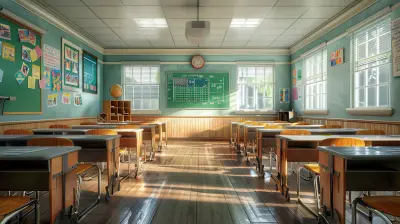
all images in this post were generated using AI tools
Category:
Education PolicyAuthor:

Monica O`Neal
Discussion
rate this article
1 comments
Sophia Lane
Thank you for shedding light on this critical issue. It's vital we support educators with meaningful changes. Investing in our teachers ensures a brighter future for students.
August 22, 2026 at 12:32 PM
Monica O`Neal
I appreciate your thoughts. Supporting educators is indeed crucial for the future of our students. Let's keep pushing for meaningful change.