How to Effectively Assess Students in Physical Education
1 April 2026
Physical education (PE) is one of those subjects that often gets misunderstood. Some think it's just about running laps or playing dodgeball. But any good PE teacher knows it’s way more than that. It’s about helping students improve their physical fitness, understand their bodies, work as a team, and gain the confidence to lead active lives. So, how do we actually measure that growth? That’s where assessment comes in.
But here’s the tricky part — assessing students in PE isn’t as cut-and-dry as grading a math test. It can feel like trying to catch smoke with your bare hands. So, how do you do it effectively? Let’s unpack that together.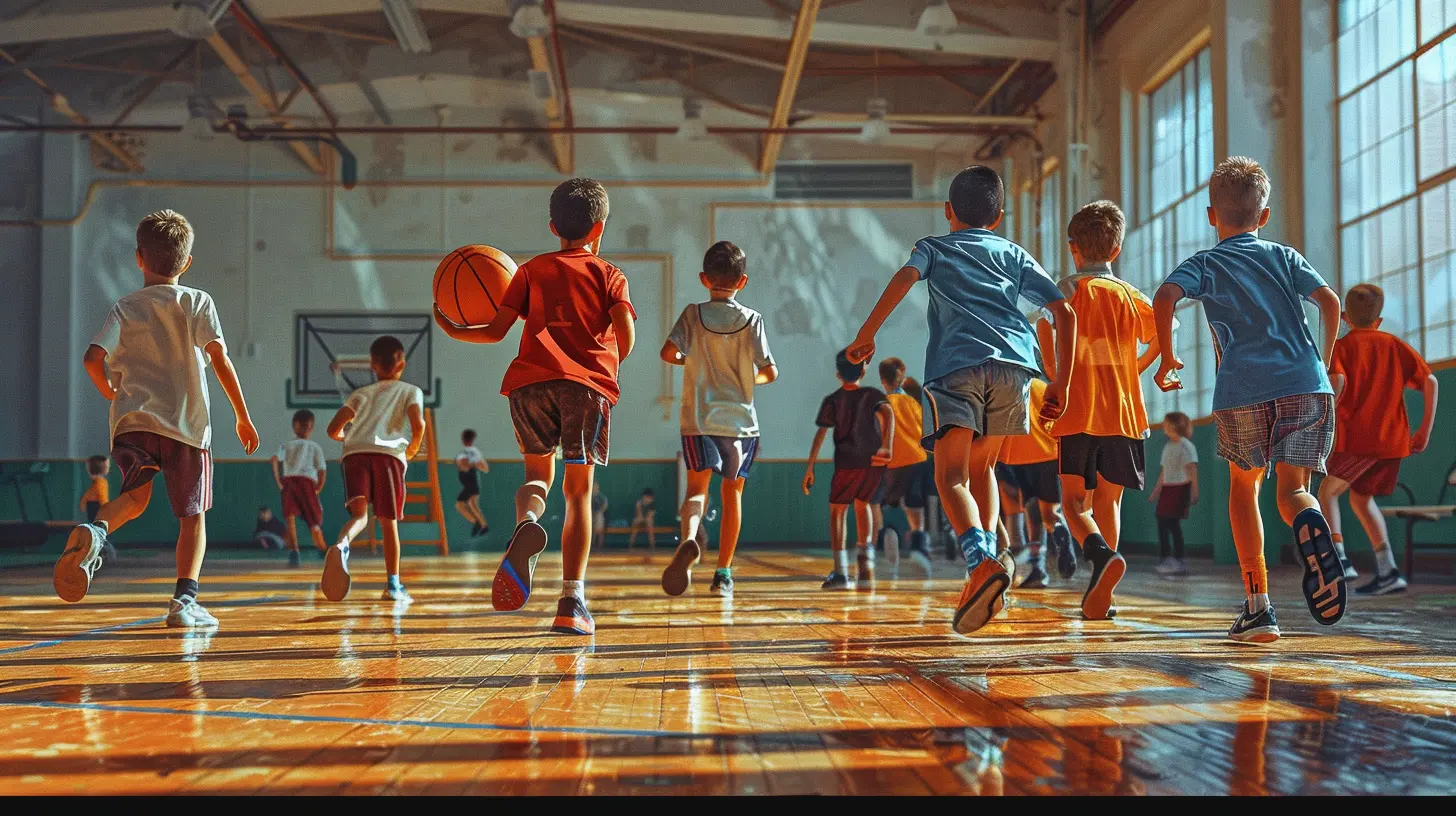
Why Is Assessment in Physical Education Important?
Before we dive into the how, let’s talk about the why.When you assess students in PE, you're not just handing out grades. You're giving them feedback on their progress, recognizing their hard work, and helping them set goals. More importantly, you're teaching them that physical education isn’t about being the fastest or the strongest — it’s about improvement, participation, effort, and learning new skills.
Want students to stay motivated? Want parents to understand what their children are doing in PE? Want to improve your teaching? Assessment is your golden ticket.
The Challenges of PE Assessment
Let’s be real — assessing in PE comes with its own set of speed bumps:- Different skill levels: Not every student will be athletic or naturally coordinated.
- Large class sizes: It’s hard to monitor every student closely.
- Subjectivity: It’s easy to let personal bias creep in.
- Time constraints: You’re often juggling instruction, setup, and cleanup within a tight schedule.
Sound familiar? Don’t worry. The good news is there are practical ways to overcome these obstacles and assess students fairly and effectively.
Types of Assessment in Physical Education
There isn’t a one-size-fits-all approach to assessment. In fact, variety is key. Let’s look at a few different types and how to make the most of them.1. Formative Assessment
Think of this as "assessment for learning" rather than "assessment of learning". It’s ongoing, informal, and low-stress.Examples:
- Observing students during a game or activity
- Giving quick feedback on performance
- Self-assessment checklists
- Peer feedback
You’re not necessarily grading these moments, but they help you and the student know where they’re at and what they need to improve.
2. Summative Assessment
This is where the rubber meets the road — the grade goes in the book.Examples:
- Skill tests (dribbling a basketball, completing a fitness circuit)
- Written quizzes on rules and techniques
- End-of-unit projects or presentations
Make sure your summative assessments align with what you’ve taught. If you’ve never practiced volleyball serves, don’t make it the final exam.
3. Self and Peer Assessment
Let’s be honest, students tend to tune in a bit more when their peers are giving feedback — and that can be a huge plus.Benefits:
- Encourages reflection
- Builds accountability
- Increases engagement
Just be sure to provide guidance and criteria. Otherwise, peer assessment can turn into a popularity contest real fast.
What Should You Actually Assess?
Okay, you’ve got the tools. Now what exactly are you assessing? Let’s break it down:1. Skill Proficiency
This is the bread and butter — can they perform the skill?- Focus on improvement, not perfection.
- Use rubrics that describe levels of competency.
- Film students (with permission) to track progress over time.
2. Effort and Participation
Remember, not all students will be sports stars. But showing up, trying their best, and bringing a positive attitude? That deserves recognition.- Use participation logs or journals.
- Reward consistency and sportsmanship.
3. Fitness Levels
While you shouldn’t make every kid run a mile for a grade, it’s still useful to measure general fitness — things like endurance, strength, flexibility.- Use the FitnessGram or other age-appropriate assessments.
- Compare students to their own past performance, not their peers.
4. Knowledge and Understanding
Do they know the rules? Can they explain the strategies? Do they understand why warm-ups are important?- Use simple quizzes or short reflections.
- Incorporate group discussions or exit slips.
5. Social and Emotional Skills
PE is a goldmine for building teamwork, communication, and resilience.- Observe how students collaborate.
- Use rubrics to evaluate group work and leadership roles.
How to Make Assessment Fair and Inclusive
Every student deserves to feel seen — and assessed in a way that’s fair to their abilities.Modify for Different Needs
Got students with physical limitations? Adjust your criteria without lowering your expectations.- Offer alternative activities.
- Focus on effort, attitude, and personal growth.
Use a Variety of Assessment Tools
Don’t rely on just one method. Mix it up with videos, journals, peer reviews, and teacher observation. It’s like using a Swiss army knife instead of a hammer.Be Transparent
Share expectations upfront.- Use clear rubrics.
- Show examples.
- Give ongoing feedback.
When students know how they’ll be assessed, they’re more likely to own their learning.
Practical Tips for PE Teachers
Alright — let’s get into the nitty-gritty. Here are some practical ways to effectively assess your students without losing your sanity.1. Use Checklists and Rubrics
Simplify your life. Create checklists for different skills or behaviors you want to observe. Rubrics give both you and your students something concrete to work with.2. Incorporate Technology
Apps like Seesaw, Google Classroom, and Coach’s Eye can be game-changers. Use them to track progress, share videos, or let students reflect on their own performances.3. Rotate Through Stations
Set up assessment stations during class. This way, you can move from one group to another and gather observational data without overwhelming yourself.4. Keep Records Organized
Use spreadsheets or digital gradebooks. Keeping everything organized makes reporting and parent communication a breeze.5. Encourage Student Voice
Let students help shape the assessment process. Ask:- What do you think you should be graded on?
- How do you want to show what you’ve learned?
It fosters ownership and motivation.
Real-Life Assessment Ideas You Can Use Tomorrow
Need some quick wins? Here are a few assessment ideas that are easy to implement and super effective:- ✅ Skill Rubric: Rate students on a 1–4 scale for specific skills.
- ✅ Fitness Portfolio: Let students log their workouts or improvements.
- ✅ Reflection Journal: After a lesson, ask “What did you learn?” or “How did you feel today?”
- ✅ Video Analysis: Record students doing a skill and have them evaluate their own performance.
- ✅ Teamwork Badge: Give out awards or badges for collaboration and encouragement.
The Power of Feedback in PE
Assessment isn’t a one-and-done deal. The real magic happens in the feedback.- Be specific and constructive.
- Highlight growth, not just scores.
- Keep it positive — celebrate the small wins!
Imagine telling a student, “You improved your push-up count by 5 since last month — awesome progress!” That kind of encouragement sticks.
Final Thoughts
Assessing students in physical education doesn’t need to be overwhelming. Really, it boils down to this: Know your students, set clear goals, use a mix of methods, and keep the focus on growth. Remember, you're not just grading them — you're guiding them toward healthier, more confident lives.And at the end of the day, isn’t that what PE is all about?
So, take a deep breath, grab your clipboard (or tablet), and head out there with a plan. You’ve got this.
all images in this post were generated using AI tools
Category:
Physical EducationAuthor:

Monica O`Neal
Discussion
rate this article
2 comments
Sienna Hurst
Great article! Your insights on assessing students in physical education are both valuable and practical. I’m excited to implement these strategies to enhance student engagement and learning outcomes. Thank you!
April 24, 2026 at 4:59 AM
Monica O`Neal
Thank you for your kind words! I'm glad you found the insights helpful. Good luck with implementing the strategies!
Rune Wilcox
Great tips! Assessing students in physical education can feel like herding cats, but with the right strategies, it’s a breeze! Let’s make evaluations as fun as a game of dodgeball—engaging, dynamic, and even a little competitive. Who knew assessment could be this much fun? Keep those sneakers ready! 🏃♂️🏃♀️
April 3, 2026 at 2:47 AM
Monica O`Neal
Thank you! I love the dodgeball analogy—let's transform assessments into engaging experiences that keep students motivated and active! 🏃♂️🏃♀️