Using Dance to Promote Physical Fitness in PE
22 January 2026
Physical education (PE) is an essential part of a well-rounded school curriculum, helping students stay active, build healthy habits, and develop important motor skills. But let’s be honest—traditional PE activities don’t always appeal to every student. Some kids love sports, while others may find them intimidating or boring. That’s where dance comes in!
Dance is more than just a fun way to move—it’s an incredible tool for improving physical fitness, boosting confidence, and fostering creativity. So, why not incorporate dance into PE classes? Let’s dive into how dancing can revolutionize physical education and help students stay active in a way that feels like pure joy rather than exercise.
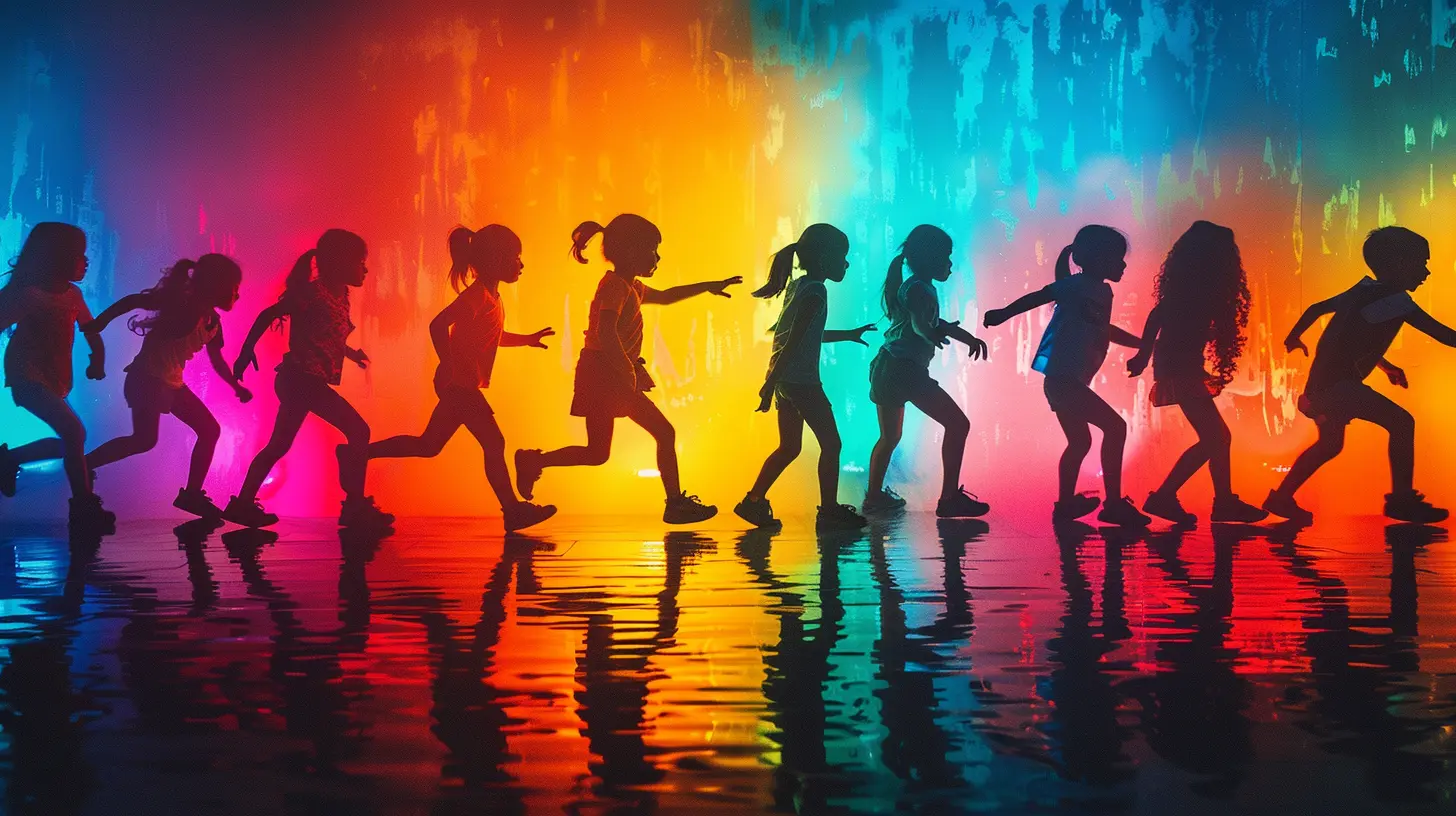
The Connection Between Dance and Physical Fitness
Many people think of dance as an art form, but it’s also a fantastic workout. Whether it’s hip-hop, salsa, ballet, or freestyle, dance requires endurance, strength, coordination, and flexibility—all key components of physical fitness.When students dance, they engage multiple muscle groups, enhance cardiovascular endurance, and improve their balance. Unlike traditional exercises that might feel repetitive, dance keeps things fresh and engaging.
Why Dance Works for Physical Fitness
1. Full-Body Workout – Dance moves engage the legs, core, and arms, giving students a full-body workout without them even realizing it.2. Cardiovascular Endurance – Fast-paced routines get the heart pumping, improving overall stamina.
3. Strength and Flexibility – Dance incorporates stretching and strength-building moves, helping students develop a balanced level of fitness.
4. Improved Coordination – Choreography requires memorization and precise movements, which strengthen motor skills and body awareness.
By integrating dance into PE, educators can offer a well-rounded fitness program that appeals to students of all interest levels.
How Dance Makes PE More Inclusive
Not everyone enjoys traditional sports. Some students may feel uncomfortable in competitive settings, while others might struggle with the coordination required for activities like basketball or soccer. Dance levels the playing field by offering a non-competitive, expressive way to stay active.Benefits of Dance for Different Students:
- For the shy student – Dancing can be a form of personal expression without the pressure of competition.- For the student struggling with coordination – Dance helps improve movement control in a fun and non-intimidating way.
- For the highly active student – High-energy dance styles provide an outlet for movement without the structure of team sports.
By incorporating dance in PE, teachers create an environment where all students feel included, confident, and eager to participate.
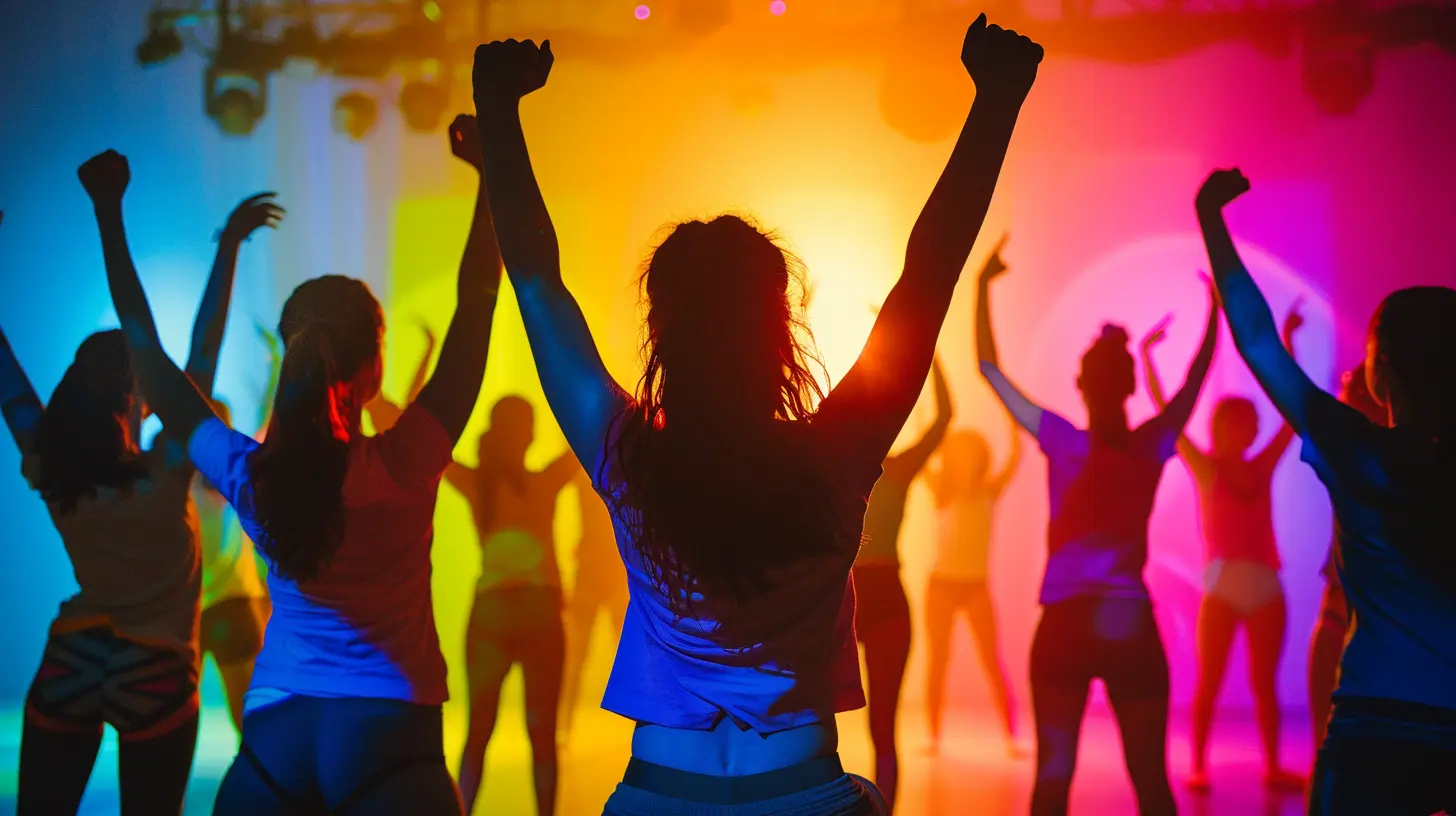
Types of Dance Styles That Work Well in PE
Introducing different dance styles keeps things interesting. Here are some great options:1. Hip-Hop
A student favorite! Hip-hop dance is energetic, modern, and based on urban music, making it highly accessible and fun for kids of all ages.2. Zumba
A blend of dance and aerobic fitness, Zumba is high-energy and perfect for getting students’ heart rates up while having a blast.3. Jazz
Jazz dance includes dynamic movements, jumps, and turns that help students improve coordination and balance.4. Ballroom & Latin Dance
Partner dances like salsa or cha-cha help students develop rhythmic skills and social interaction.5. Freestyle & Creative Dance
Encouraging students to create their own dance moves fosters individuality and boosts confidence.Each style offers unique benefits, making it easy to tailor dance lessons to different fitness and skill levels.
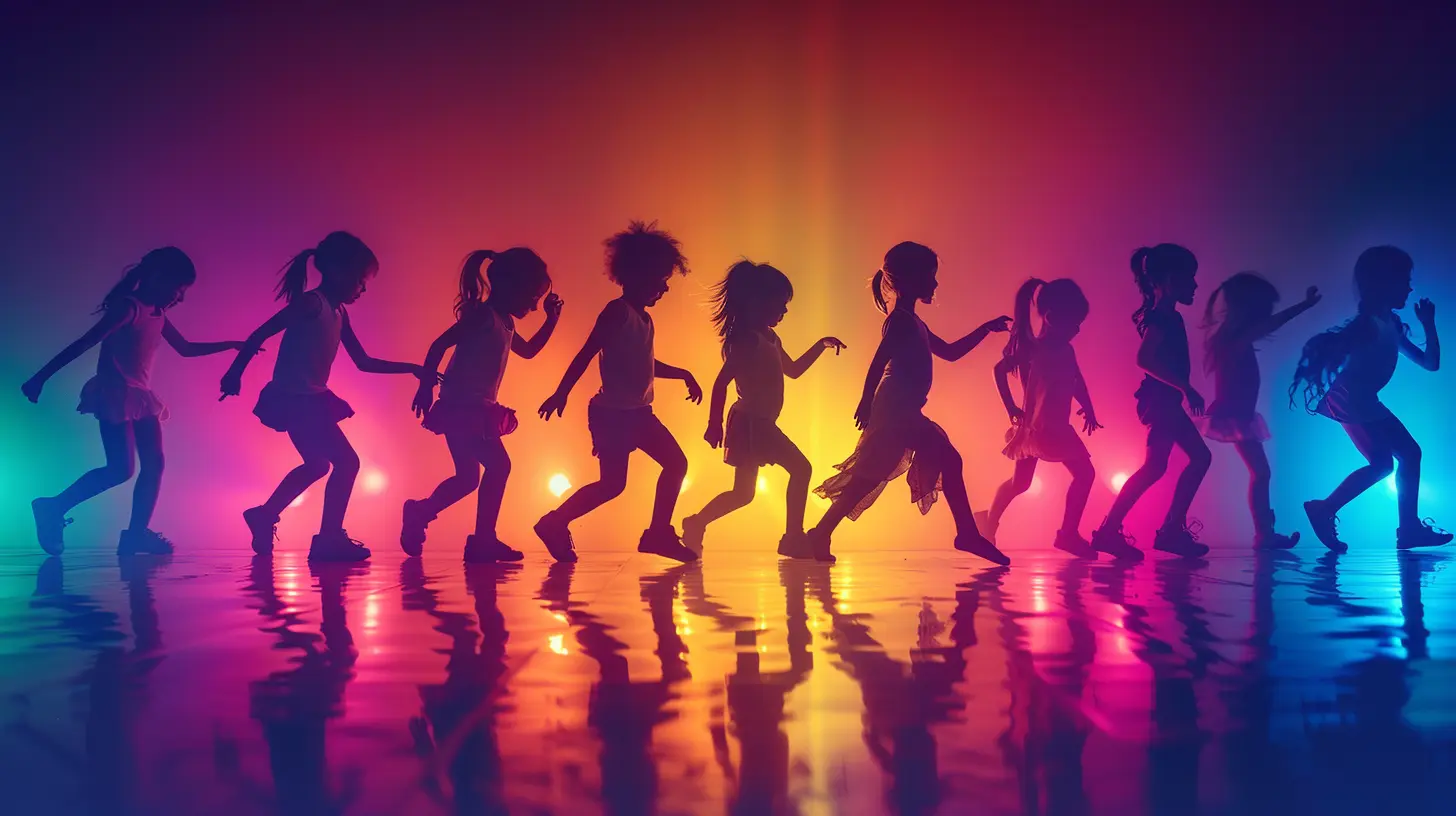
Mental and Emotional Benefits of Dance in PE
Physical fitness isn’t just about the body—movement also has powerful effects on the mind. Dance has been shown to reduce stress, increase self-esteem, and even boost cognitive function.The Mental Perks of Dancing:
- Reduces Stress & Anxiety – Movement releases endorphins, the body’s natural stress relievers.- Boosts Self-Confidence – Learning new routines and performing in front of peers can improve self-esteem.
- Enhances Focus & Memory – Memorizing dance steps strengthens brain function, benefiting students in and out of the classroom.
By bringing dance into PE, schools not only improve students’ physical health but also support their emotional well-being.
Tips for Incorporating Dance into PE Class
Thinking about adding dance to your physical education program? Here are some easy ways to get started:1. Start Simple
Begin with basic movements and let students build confidence before advancing to more complex routines.2. Use Popular Music
Playing current, upbeat songs keeps students engaged and makes dance feel more like a fun break rather than a workout.3. Mix Dance with Other Activities
Combine short dance sessions with other PE routines like stretching, warm-ups, or cool-downs.4. Encourage Creativity
Let students create their own dance moves or routines—it makes the experience more personal and exciting.5. Make It a Group Effort
Incorporate group dances and partner routines to encourage teamwork and social bonding.With these strategies, teachers can easily integrate dance into PE and make fitness a celebration rather than a chore.
Final Thoughts
Dance is a game-changer for physical education. It offers a full-body workout, promotes inclusivity, supports mental health, and, most importantly, makes fitness fun. Whether students are busting out hip-hop moves or creating their own freestyle routines, dance keeps them moving, smiling, and engaged.So, why not shake things up in PE class? By adding dance into the mix, educators can turn physical activity into something every student looks forward to. After all, when fitness feels like fun, staying active becomes second nature!
all images in this post were generated using AI tools
Category:
Physical EducationAuthor:
Monica O`Neal
Discussion
rate this article
2 comments
Diesel McCullough
This article effectively highlights the benefits of incorporating dance into physical education. By promoting creativity and enjoyment, dance can enhance students' physical fitness while fostering a positive attitude toward exercise. It's a valuable approach to engage diverse learners in PE.
February 24, 2026 at 3:21 AM
Monica O`Neal
Thank you for your thoughtful comment! I'm glad you found the article highlights the importance of dance in promoting fitness and engagement in physical education.
Xavier Hensley
This article effectively highlights dance as a dynamic tool for enhancing physical fitness in PE. However, it could benefit from deeper exploration of inclusivity and diverse dance forms to ensure all students feel represented and motivated. Engaging all abilities is key to holistic fitness education.
January 22, 2026 at 1:58 PM
Monica O`Neal
Thank you for your insightful feedback! I appreciate your suggestion on exploring inclusivity and diverse dance forms, which is crucial for engaging all students in physical fitness. I'll consider this for further development.