Creating Personalized Learning Plans for Students with Special Needs
25 March 2026
Education should never be a one-size-fits-all approach, especially when it comes to students with special needs. Every student learns differently, and a personalized learning plan (PLP) ensures that each child gets the support, strategies, and tools they need to succeed in school and beyond.
But how do you create an effective PLP? What factors should educators and parents consider? Let’s dive into the intricacies of crafting a customized learning roadmap for students with special needs.
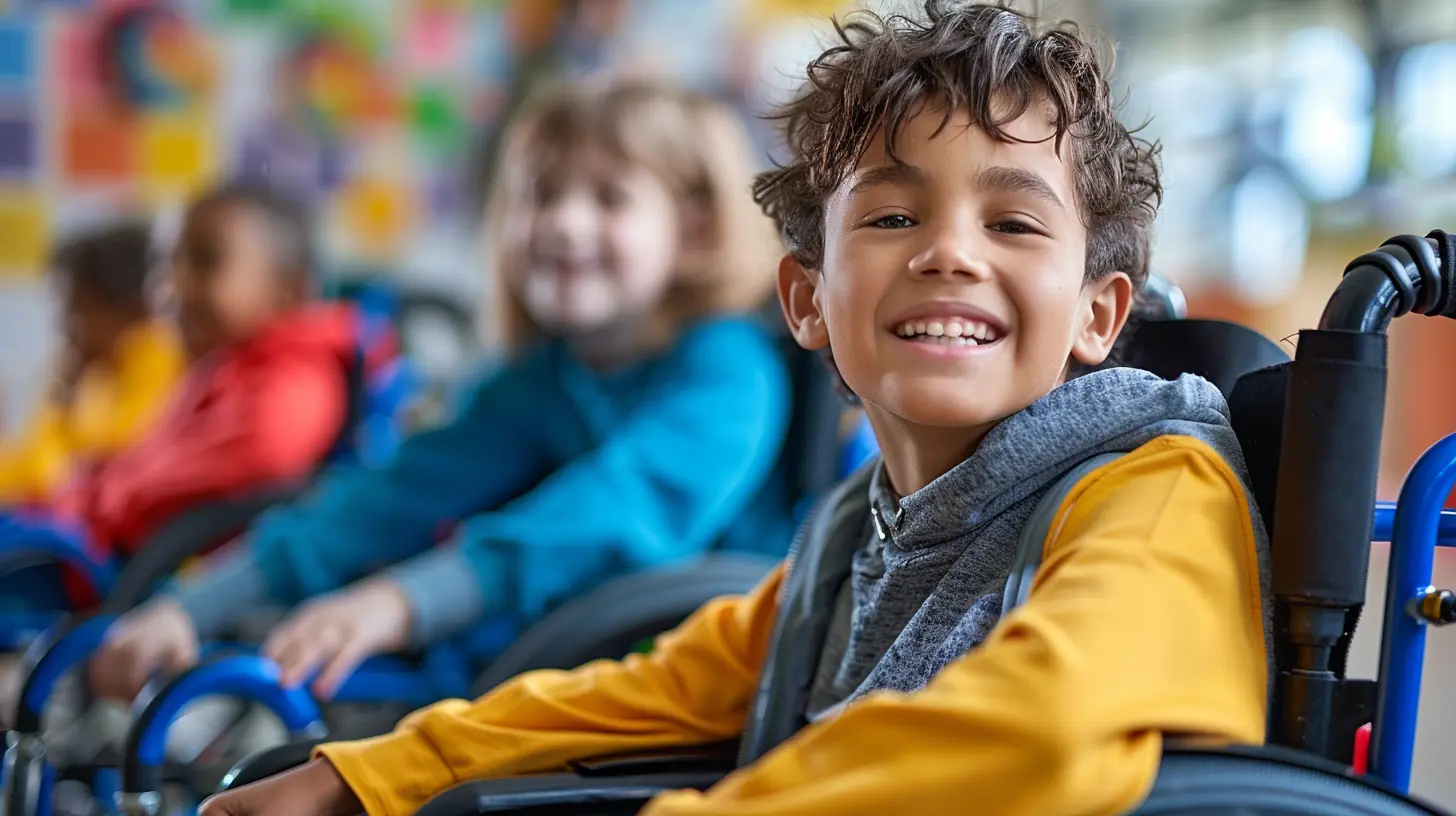
What is a Personalized Learning Plan (PLP)?
A Personalized Learning Plan (PLP) is a customized educational approach tailored to a student’s unique abilities, learning style, interests, and challenges. Unlike a standard curriculum, which applies the same teaching methods to everyone, a PLP adapts to the student's pace and preferred way of learning.For students with special needs, a PLP isn't just a tool—it’s a game-changer. It ensures that educational goals are realistic, achievable, and aligned with their abilities while also addressing their unique challenges.
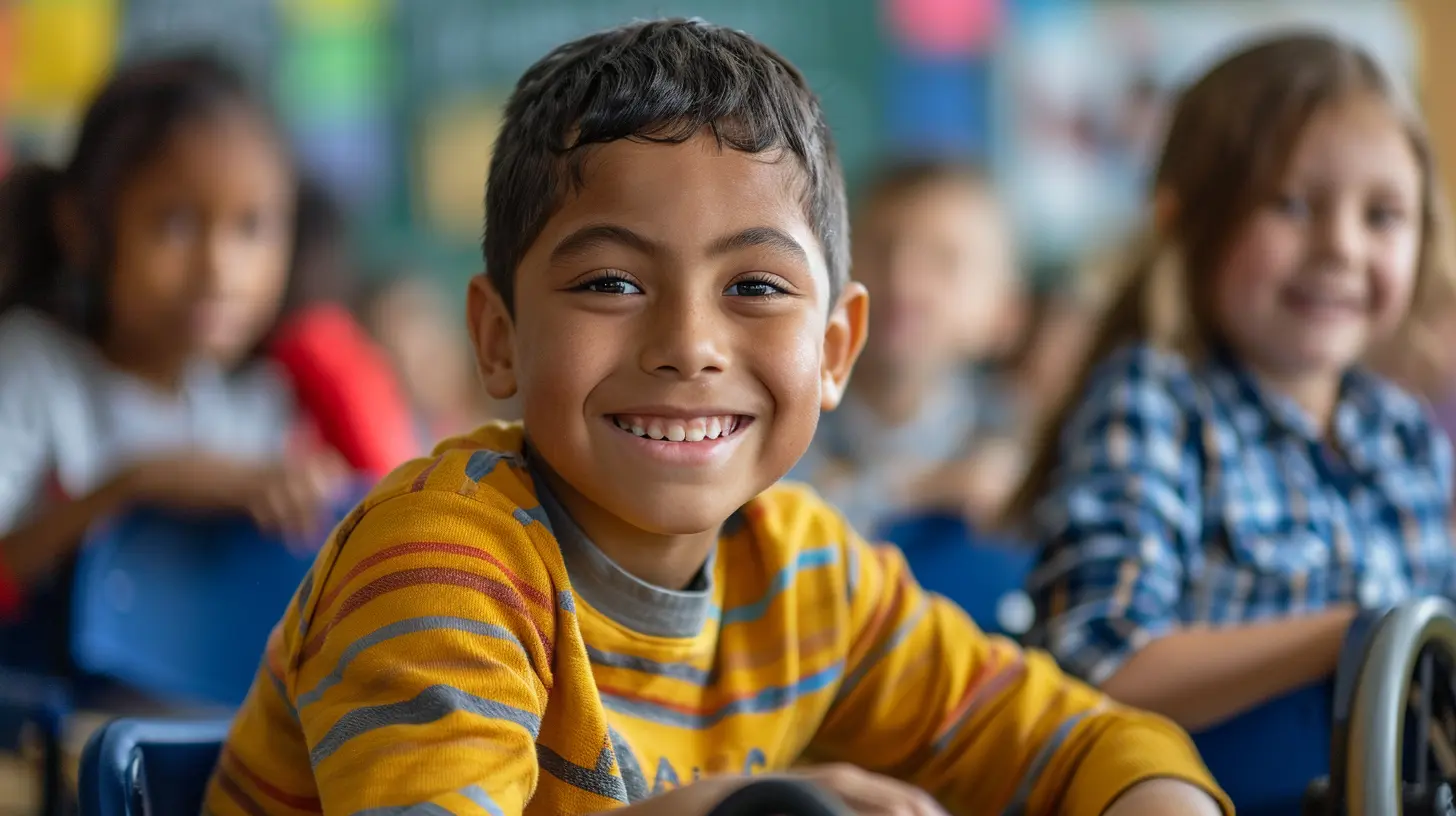
Why Personalized Learning Plans Matter for Students with Special Needs
Imagine trying to fit a square peg into a round hole—it just doesn’t work. That’s what happens when students with special needs are expected to learn using traditional methods that don’t accommodate their unique challenges.A well-structured PLP helps by:
- Catering to individual learning styles – Whether a student thrives on visual aids, hands-on activities, or auditory instructions, a PLP ensures lessons are delivered in the most effective way.
- Building confidence – When students experience success at their own pace, their self-esteem grows. They feel encouraged to keep learning.
- Providing flexibility – A rigid curriculum doesn’t work for everyone. PLPs allow adjustments based on progress, interest, and specific challenges.
- Encouraging independence – By focusing on strengths and interests, students develop essential life skills that promote long-term independence.
Now that we understand the importance of PLPs, let’s break down the steps to creating an effective one.
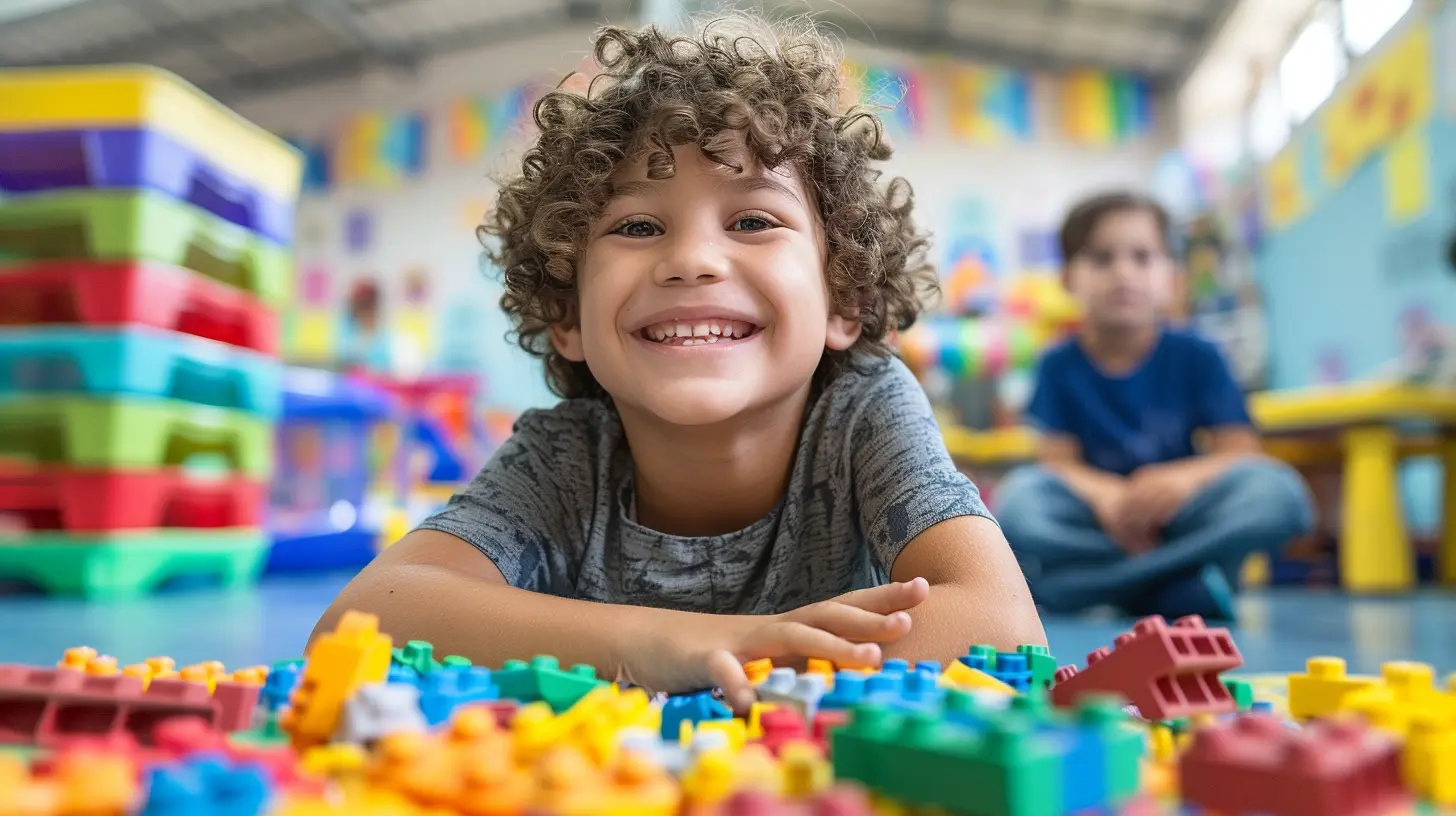
Steps to Creating a Personalized Learning Plan
1. Understand the Student’s Unique Needs
Before setting up a PLP, the first step is to assess the student’s strengths, weaknesses, and learning preferences. This can be done through:- Educational assessments – Standardized tests, cognitive evaluations, and skill-based assessments can provide insight into the student’s academic standing.
- Observations and teacher feedback – Teachers who work closely with students often have valuable input on their learning styles and challenges.
- Parent and caregiver insights – Parents know their children best. Their observations about behaviors, frustrations, and strengths are crucial.
2. Set SMART Goals
Setting Specific, Measurable, Achievable, Relevant, and Time-bound (SMART) goals ensures that the PLP is practical and effective. Instead of vague objectives like “improve math skills”, a SMART goal would be:> "The student will complete five double-digit multiplication problems correctly within 10 minutes, with 80% accuracy, by the end of the semester."
This approach makes progress easy to track and gives students a clear sense of achievement.
3. Adapt Teaching Strategies
Once goals are in place, adapting teaching methods to suit the student’s needs is essential. Here are some strategies:- Visual learners – Use charts, diagrams, and videos to explain concepts.
- Auditory learners – Incorporate verbal explanations, audiobooks, and discussions.
- Kinesthetic learners – Hands-on activities, role-playing, and interactive tools can be highly effective.
- Multi-sensory approaches – Combining different styles (e.g., reading aloud while visualizing a story) can enhance understanding.
4. Incorporate Assistive Technology
Technology is a powerful tool in personalized learning. Depending on a student’s needs, various assistive technologies can boost engagement and comprehension:- Speech-to-text software – Helps students who struggle with writing.
- Screen readers – Assist visually impaired students by reading text aloud.
- Educational apps and games – Make learning interactive and enjoyable.
5. Create a Supportive Learning Environment
A personalized learning plan won’t be effective if the environment isn’t supportive. Small modifications in the classroom setting can make a big difference:- Flexible seating arrangements to accommodate comfort levels.
- Reduced distractions for students who need quiet spaces to focus.
- Clear, structured routines to provide consistency and stability.
6. Monitor Progress and Adjust the Plan
A PLP isn’t set in stone—it should evolve based on the student’s progress. Regular evaluations help identify what’s working and what needs improvement.- Frequent check-ins – Regular meetings between teachers, parents, and specialists ensure everyone is aligned.
- Adjustments as needed – If a method isn’t working, don’t hesitate to tweak it. Flexibility is key in personalized learning.
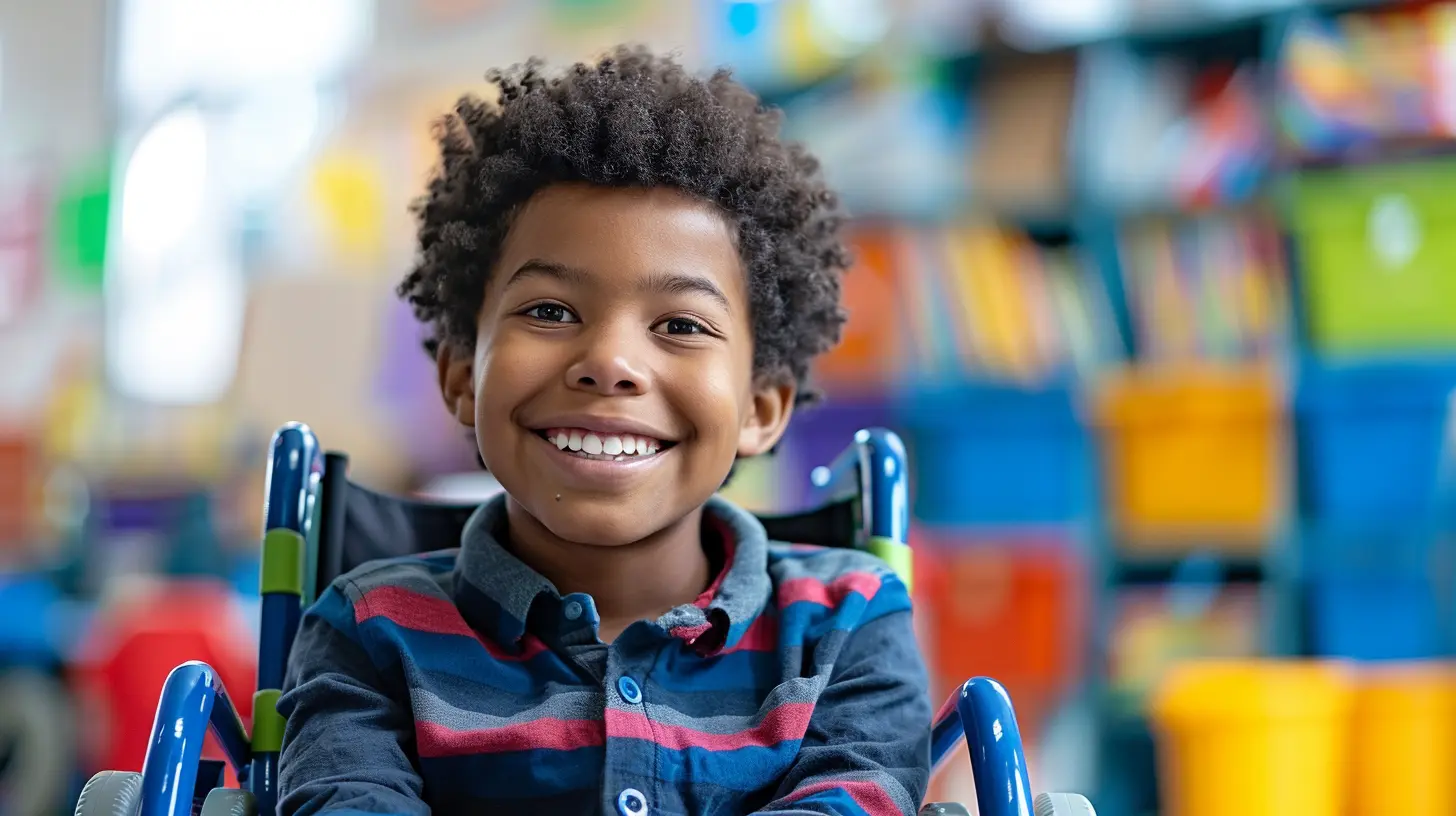
Overcoming Common Challenges
1. Lack of Resources
Not all schools have access to the latest technology or special education experts. In such cases, educators can leverage creative teaching techniques, collaborate with parents, and utilize free online resources to enhance learning.2. Resistance to Change
Some educators may be hesitant to adopt PLPs, especially in traditional school systems. Professional development sessions, workshops, and success stories from other institutions can encourage openness to personalized learning.3. Balancing Individual and Group Learning
While personalization is important, students also need social interaction. Striking a balance between individualized instruction and group activities allows students to develop both academically and socially.4. Keeping Motivation High
Students with special needs may experience frustration if they struggle with certain tasks. To keep motivation high:- Celebrate small wins regularly.
- Use positive reinforcement like rewards or praise.
- Plan engaging, interest-based activities to make learning fun.
The Role of Parents in Personalized Learning
Parents play a crucial role in the success of a PLP. By staying actively involved, they can:- Communicate with educators to ensure the child’s needs are being met.
- Reinforce learning strategies at home.
- Advocate for necessary adjustments to the learning plan.
A strong collaboration between teachers, parents, and therapists creates a seamless learning experience that meets the student’s needs holistically.
Final Thoughts
Creating a personalized learning plan for students with special needs is not just about adapting lesson plans—it’s about empowering children to learn in a way that works best for them. Every student deserves the opportunity to realize their full potential, and PLPs pave the way for meaningful, individualized education.By understanding a student’s unique learning style, setting achievable goals, incorporating technology, and fostering a supportive environment, we can reshape the educational experience for students with special needs.
At the end of the day, education isn’t about forcing students into a mold—it’s about celebrating differences and unlocking each child’s hidden potential.
all images in this post were generated using AI tools
Category:
Special EducationAuthor:

Monica O`Neal
Discussion
rate this article
2 comments
Clara McMichael
Empowering diverse learners starts with personalized plans—unlocking potential one tailored approach at a time. Let's innovate education!
April 12, 2026 at 2:42 AM
Monica O`Neal
Absolutely! Personalized learning plans are essential for fostering growth and engagement in diverse learners. Innovation is key!
Rhett Hall
Empowering students through tailored learning experiences.
March 25, 2026 at 5:19 AM
Monica O`Neal
Absolutely, personalized learning plans can make a significant difference in helping students thrive. Tailored experiences really empower them to succeed.