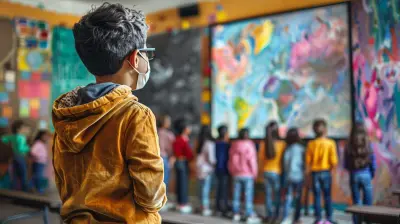
How Physical Education Can Help Reduce Anxiety in Students
10 April 2026
Anxiety among students is nothing new. From academic pressure to social expectations, students today are juggling a lot. But did you know that something as simple as physical education (PE) could be a game changer for managing anxiety?
Yep, you heard that right—exercise isn’t just about staying fit; it’s also a powerhouse for mental well-being. Let’s dive into how PE can be a secret weapon in helping students tackle anxiety head-on. 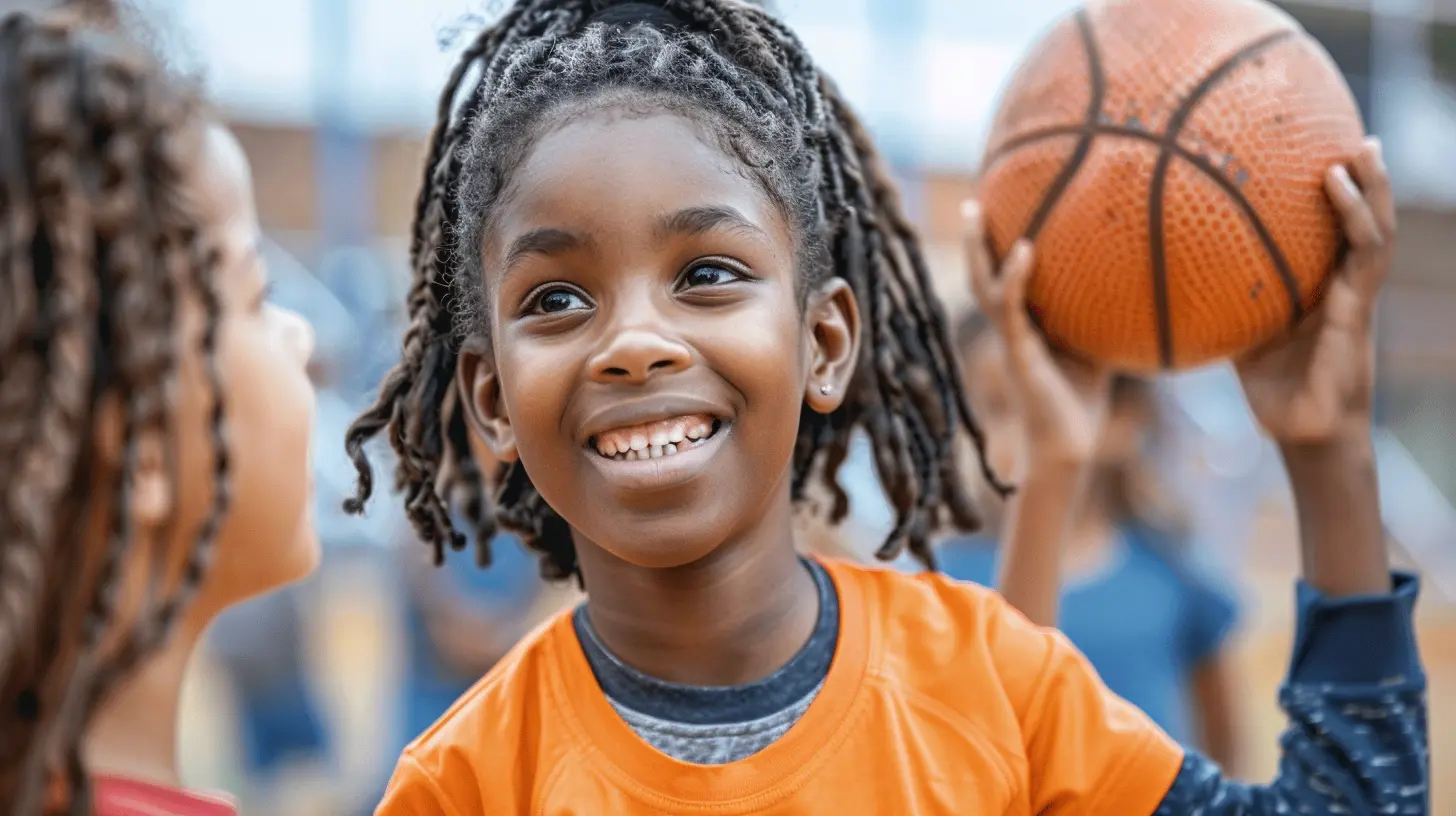
Understanding Anxiety in Students
Before we talk solutions, let’s break down the problem. Anxiety is more than just feeling nervous before an exam. It’s a constant state of worry, fear, and unease that can affect a student’s concentration, sleep, and even physical health.Common Causes of Anxiety in Students
1. Academic Pressure – The need to get good grades and meet expectations.2. Social Challenges – Feeling left out, peer pressure, and bullying.
3. Performance Anxiety – Fear of failing in sports, presentations, or exams.
4. Lack of Physical Activity – A sedentary lifestyle can worsen stress and anxiety.
Now that we’ve outlined the problem, let’s explore how PE can help combat it. 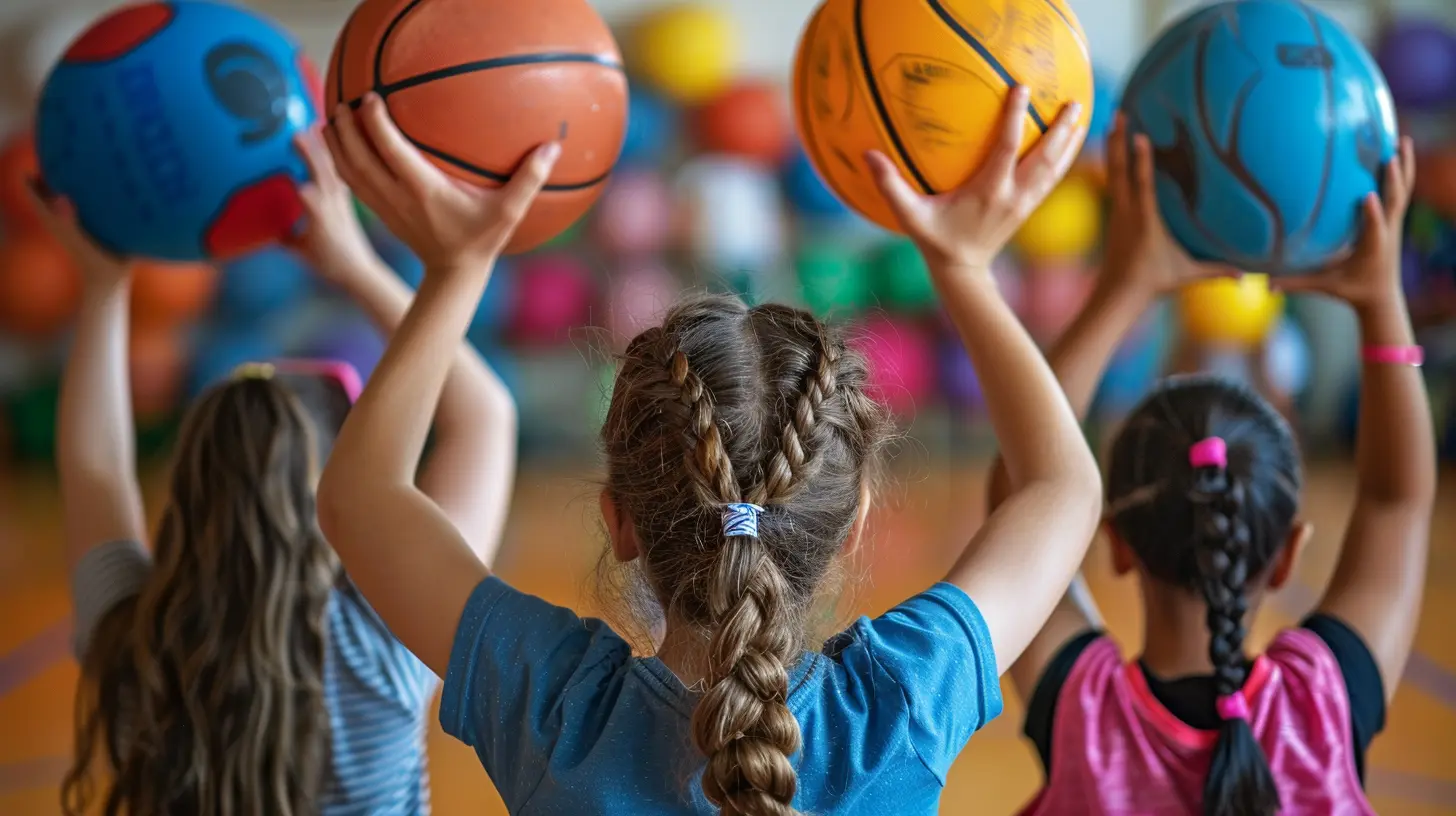
How Physical Education Helps Reduce Anxiety
1. Releases “Feel-Good” Chemicals
Ever heard of endorphins? These are the body’s natural mood lifters. When students engage in physical activity, their brains release endorphins, dopamine, and serotonin—chemicals that help reduce stress and boost happiness levels.Think of it like nature’s version of an anti-anxiety pill, minus the side effects!
2. Reduces Cortisol Levels
Cortisol is the stress hormone that wreaks havoc on the body. High levels of cortisol can make students feel anxious, drained, and overwhelmed. Exercise helps regulate cortisol levels, bringing a sense of calm and balance.3. Promotes Better Sleep
An anxious mind finds it hard to rest. Physical activity tires the body in a good way, helping students fall asleep faster and enjoy deeper, more restorative sleep. And guess what? Better sleep = better mood and focus!4. Encourages Social Interaction
PE is not just about running laps; it’s about teamwork, building friendships, and developing social skills. Group activities like basketball, soccer, or dance classes encourage students to interact, share, and support each other—thus reducing social anxiety.5. Improves Self-Confidence
Many students struggle with low self-esteem, which can fuel anxiety. Physical education helps students set goals, improve skills, and see their own progress. Whether it’s running a faster mile or mastering a new sport, these small wins boost self-confidence.6. Teaches Stress-Relief Techniques
PE classes often include mindfulness exercises, yoga, and breathing techniques. These practices help students regulate their emotions, stay present, and manage stress better—skills they can use throughout life.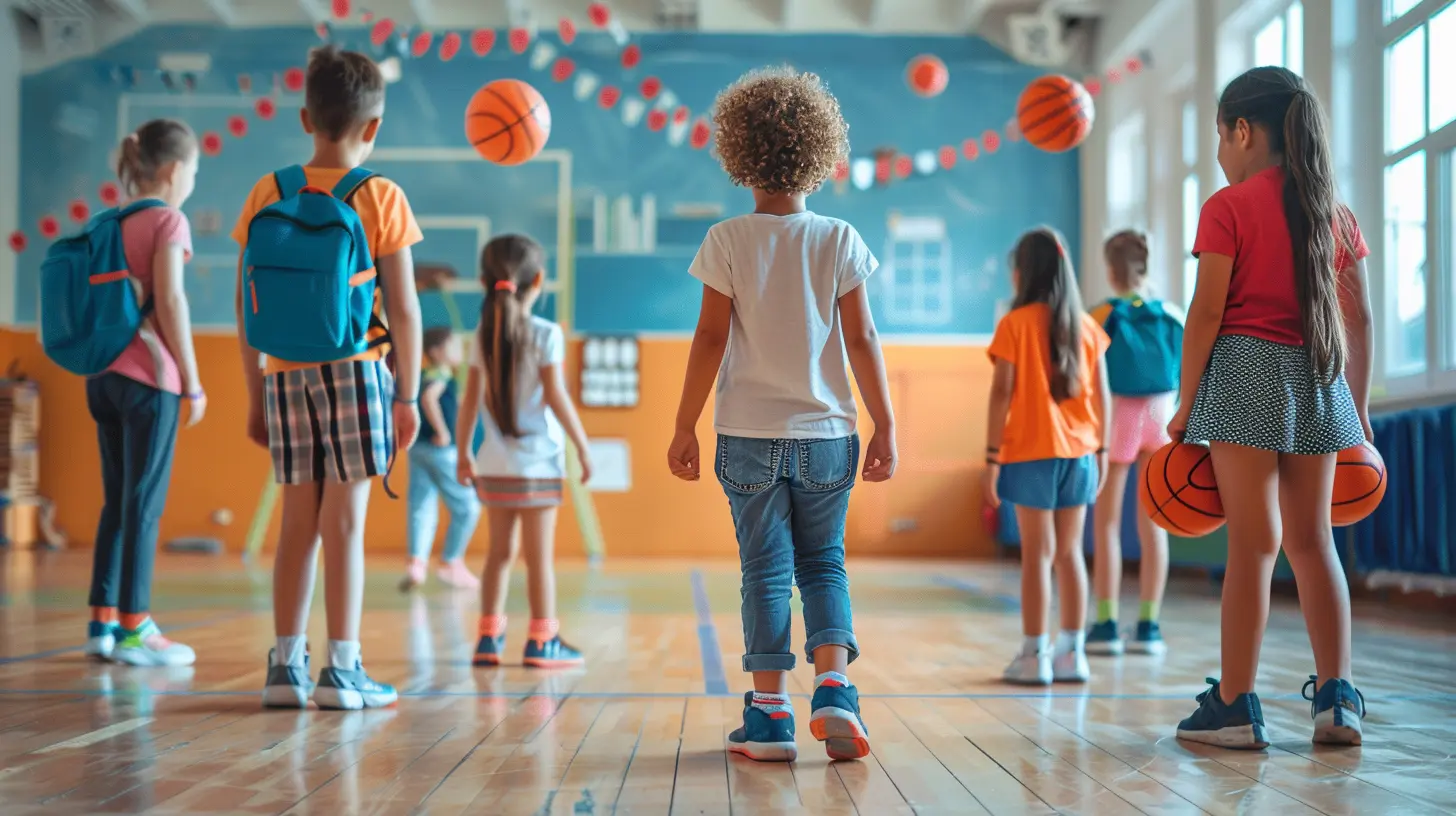
The Role of Schools in Prioritizing Physical Education
Schools play a huge role in shaping a student’s overall well-being. While academics are important, so is mental health. Here’s how schools can make PE more impactful:1. Make PE a Daily Requirement
Many schools limit PE to just one or two days a week. But to get the full benefits, students need regular physical activity. Schools should consider making PE a daily routine.2. Offer a Variety of Activities
Not every student loves traditional sports. Schools should introduce yoga, dance, martial arts, and other physical activities to keep things interesting.3. Educate Students on the Mental Health Benefits of Exercise
Many students don’t realize the connection between exercise and mental health. Schools should educate them on how staying active can help manage anxiety and boost overall well-being.4. Provide a Safe and Inclusive Environment
Some students feel anxious about participating in PE because they fear judgment or failure. Schools should foster an inclusive, encouraging environment where every student, regardless of skill level, feels comfortable.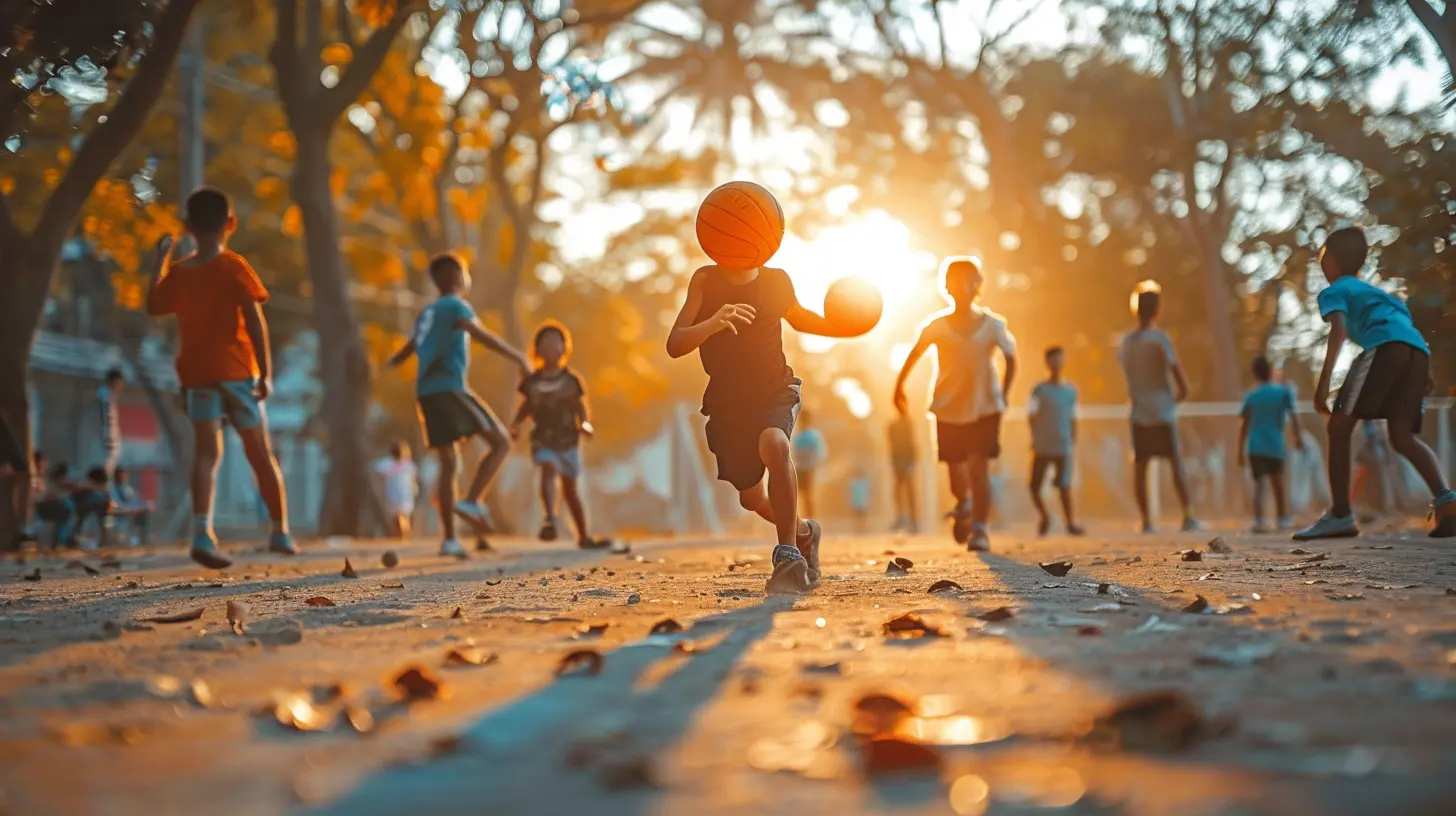
How Parents Can Support Physical Activity at Home
Schools can do a lot, but parents also play a key role in ensuring their kids stay active. Here’s how parents can help:1. Encourage Outdoor Activities
Instead of letting kids spend too much time on screens, encourage them to go biking, hiking, or play outside with friends.2. Lead by Example
Kids are more likely to engage in physical activity if they see their parents doing the same. Make exercise a family activity—go for walks, play sports, or do yoga together.3. Limit Screen Time
Excessive screen time is linked to higher anxiety levels. Set limits on screen usage and encourage movement-based activities instead.4. Support Their Interests
Not every child loves running or basketball. If your child enjoys dance, martial arts, or swimming, support their passion! Let them explore different activities until they find what they love.Why Physical Education Should Be Taken Seriously
In a world where anxiety and stress levels are skyrocketing among students, PE shouldn’t be seen as a “break” from academics—it should be treated as an essential part of the curriculum.Think about it: If physical activity can help students feel less anxious, sleep better, focus more, and even perform better academically, isn’t it worth prioritizing?
By integrating more movement into school routines and daily life, we can help students build not just physical strength, but mental resilience too.
So, the next time someone says, “PE isn’t important,” remind them—it might just be the key to a healthier, happier generation.
Final Thoughts
Anxiety in students is real, but so is the power of movement. Physical education isn’t just about getting kids to sweat—it’s about helping them manage stress, build confidence, and develop lifelong habits for emotional well-being.If we truly care about students’ mental health, then making PE a priority is a no-brainer.
all images in this post were generated using AI tools
Category:
Physical EducationAuthor:

Monica O`Neal
Discussion
rate this article
2 comments
Damian Dillon
This article compellingly highlights the critical link between physical education and mental health. Engaging in regular physical activity not only improves students' fitness but also significantly alleviates anxiety, fostering a healthier school environment.
April 24, 2026 at 11:49 AM
Monica O`Neal
Thank you for your insightful comment! I'm glad you found the connection between physical education and mental health compelling. It's crucial for fostering a supportive school environment.
Vanta Lawson
Movement nurtures minds; in joyful play, anxiety fades, letting calmness stay.
April 13, 2026 at 2:53 AM
Monica O`Neal
Thank you for your insightful comment! Indeed, joyful movement plays a crucial role in promoting mental well-being and reducing anxiety in students.