How Dual Language Programs Help Close the Achievement Gap
23 August 2026
Education is a fundamental right, yet many students in the U.S. face an achievement gap that limits their potential. This gap disproportionately affects students from diverse linguistic backgrounds, particularly those who speak a language other than English at home. But what if the very thing that seems like a barrier—speaking another language—could actually be a key to success?
That's where dual language programs come in. These programs offer a unique approach to education that not only fosters bilingualism but also enhances academic performance, boosts confidence, and encourages cultural pride. In this article, we'll dive into how dual language programs are playing a crucial role in closing the achievement gap and giving students the tools they need to thrive. 
Understanding the Achievement Gap
Before we get into dual language programs, let's talk about the achievement gap. This term refers to the persistent disparities in academic performance between different groups of students, particularly between:- Students from high-income vs. low-income backgrounds
- Native English speakers vs. English Language Learners (ELLs)
- White students vs. students from historically marginalized communities
According to numerous studies, ELL students often struggle more in traditional classrooms because they’re expected to learn English while simultaneously keeping up with other subjects—all in a language they’re still mastering. This puts them at a disadvantage and can lead to lower test scores, higher dropout rates, and fewer opportunities later in life.
So how do we fix this? Dual language programs offer an effective solution—one that helps students succeed without forcing them to abandon their native language. 
What Are Dual Language Programs?
Dual language programs (sometimes called bilingual immersion programs) are educational models where students are taught in two languages—typically English and another language, like Spanish, Mandarin, or French. Unlike traditional ESL (English as a Second Language) programs that focus solely on English acquisition, dual language programs value both languages equally.There are two main types of dual language programs:
1. Two-Way Immersion (TWI): These classrooms mix native English speakers with native speakers of another language. The goal is for both groups to learn from each other and become fully bilingual.
2. One-Way Immersion: These programs are primarily for students who come from the same linguistic background (e.g., all Spanish-speaking students). They’re designed to help them develop strong bilingual skills while still achieving academic success.
The key idea? Students don’t lose their first language—they build upon it. And research shows that this makes a huge difference in their academic success. 
How Dual Language Programs Help Close the Achievement Gap
1. They Improve Academic Performance
Contrary to the outdated myth that bilingualism confuses children, research proves that bilingual students actually perform better academically. Dual language learners tend to excel in reading, writing, and problem-solving skills, often outperforming their monolingual peers by middle and high school.Why? Because learning in two languages enhances cognitive flexibility—the ability to switch between different ideas, think critically, and solve complex problems. Plus, when students learn in their native language, they grasp concepts more quickly rather than struggling to understand everything in English first.
2. They Build Stronger Literacy Skills
One of the biggest challenges for English Language Learners is developing strong literacy skills in English. But here’s the thing: literacy skills transfer between languages. That means if a student learns how to read and write in their native language first, they’ll pick up English literacy much faster.Think of it like learning how to ride a bike. Once you know how to balance, pedal, and steer, switching to a new bike doesn't mean you have to relearn everything—you just adjust. Similarly, when students develop literacy in their home language, they can apply those same skills to English with ease.
3. They Boost Confidence and Self-Esteem
Imagine being a child who speaks Spanish at home but is expected to learn everything in English at school. Without support, you might feel lost, embarrassed, or even ashamed of your native language. Unfortunately, this is a common struggle for many ELL students, leading to low self-esteem and disengagement from school.Dual language programs change this narrative. Instead of seeing their native language as a setback, students view it as an asset. They feel proud of their bilingual abilities, which boosts their confidence and encourages them to actively participate in class.
And when students feel valued, they’re more likely to stay engaged, leading to better attendance, higher grades, and greater long-term success.
4. They Encourage Cultural Awareness and Inclusion
In traditional classrooms, students from non-English backgrounds often feel pressured to assimilate—to forget their culture and "fit in." But in dual language programs, diversity is celebrated, not erased.By learning in two languages, students gain a deeper appreciation for different cultures, fostering empathy and understanding among classmates. This not only benefits ELL students but also helps native English speakers develop greater cultural sensitivity—a critical skill for success in our increasingly globalized world.
When students of all backgrounds feel understood and respected, it creates a more inclusive and supportive school environment—one where everyone has an equal chance to succeed.
5. They Provide Long-Term Economic Advantages
Let’s talk about the bigger picture. Students in dual language programs aren’t just getting better grades—they’re gaining skills that will benefit them for life.Bilingual individuals have access to:
- More job opportunities: Many employers seek bilingual employees, especially in fields like healthcare, education, business, and government.
- Higher salaries: Studies show that bilingual workers earn, on average, 5-20% more than their monolingual counterparts.
- Stronger cognitive abilities: Bilingual individuals have better memory, problem-solving skills, and even a lower risk of dementia later in life.
In short, being bilingual isn’t just useful in school—it’s a lifelong advantage. And by providing students with these opportunities early on, dual language programs help break cycles of poverty and inequality. 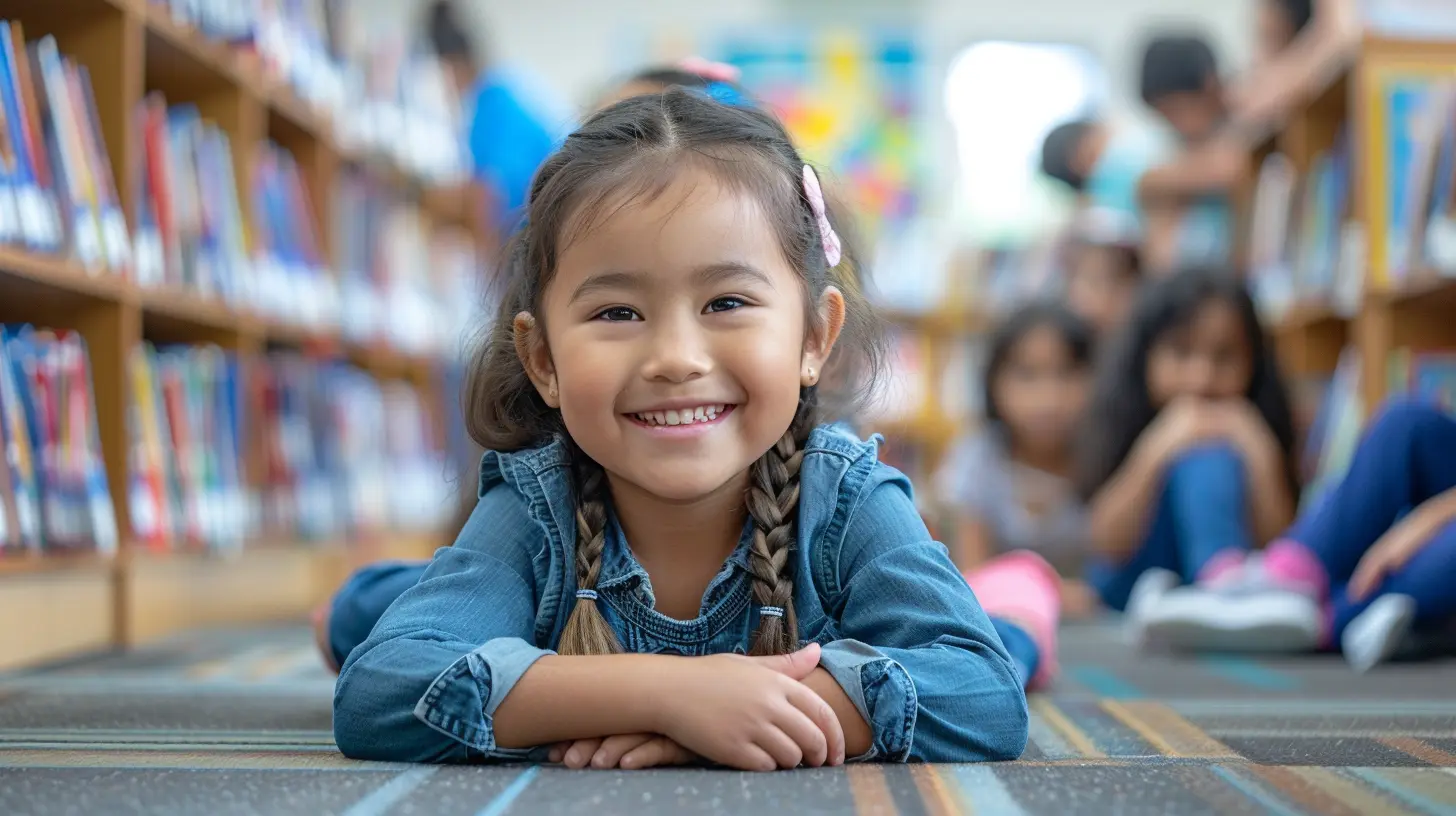
Overcoming Challenges in Dual Language Education
Despite their benefits, dual language programs still face challenges:- Limited funding: Many schools struggle to secure resources for bilingual education.
- Shortage of qualified teachers: Finding educators who are fluent in both languages and trained in bilingual education can be difficult.
- Parental concerns: Some parents worry that bilingual education might slow their child’s English acquisition (though research proves otherwise).
To ensure the success of these programs, schools, policymakers, and communities must work together to provide funding, recruit bilingual educators, and educate parents on the benefits of dual language learning.
Final Thoughts
Dual language programs are more than just a way to teach kids a second language—they’re a powerful tool for closing the achievement gap and giving every student the chance to succeed. By improving academic performance, boosting confidence, fostering cultural pride, and opening doors to better career opportunities, these programs empower students in ways traditional education often fails to do.If we truly want to create a more equitable education system, investing in dual language programs isn’t just an option—it’s a necessity.
all images in this post were generated using AI tools
Category:
Bilingual EducationAuthor:

Monica O`Neal
Discussion
rate this article
2 comments
John Morgan
Interesting perspective on language learning!
August 30, 2026 at 3:08 AM
Monica O`Neal
Thanks! I'm glad you found it interesting. Language learning can truly make a difference.
Finley McCoy
Dual language programs are like secret superhero squads for students. They swoop in, battling language barriers and boosting brains, all while making learning a fun, bilingual adventure. Who knew closing achievement gaps could be this exciting? Bring on the language power!
August 28, 2026 at 3:00 AM
Monica O`Neal
I love the superhero analogy! Dual language programs truly empower students and make learning engaging. It's amazing how they can turn challenges into opportunities for growth.