How Bilingual Learning Prepares Students for Global Competitiveness
4 October 2026
Ever wished you had a superpower? Well, guess what—being bilingual is like having a language-based superpower, minus the cape (but feel free to wear one if that helps you feel the part). In today’s hyper-connected, fast-paced world, speaking more than one language isn’t just cool—it’s a serious advantage.
Bilingual learning isn’t just about memorizing vocabulary and perfecting accents; it’s about developing a global mindset, sharpening critical thinking, and preparing students to thrive in an increasingly competitive world. So, let’s dive into the world of bilingual education and why it’s basically the cheat code for success. 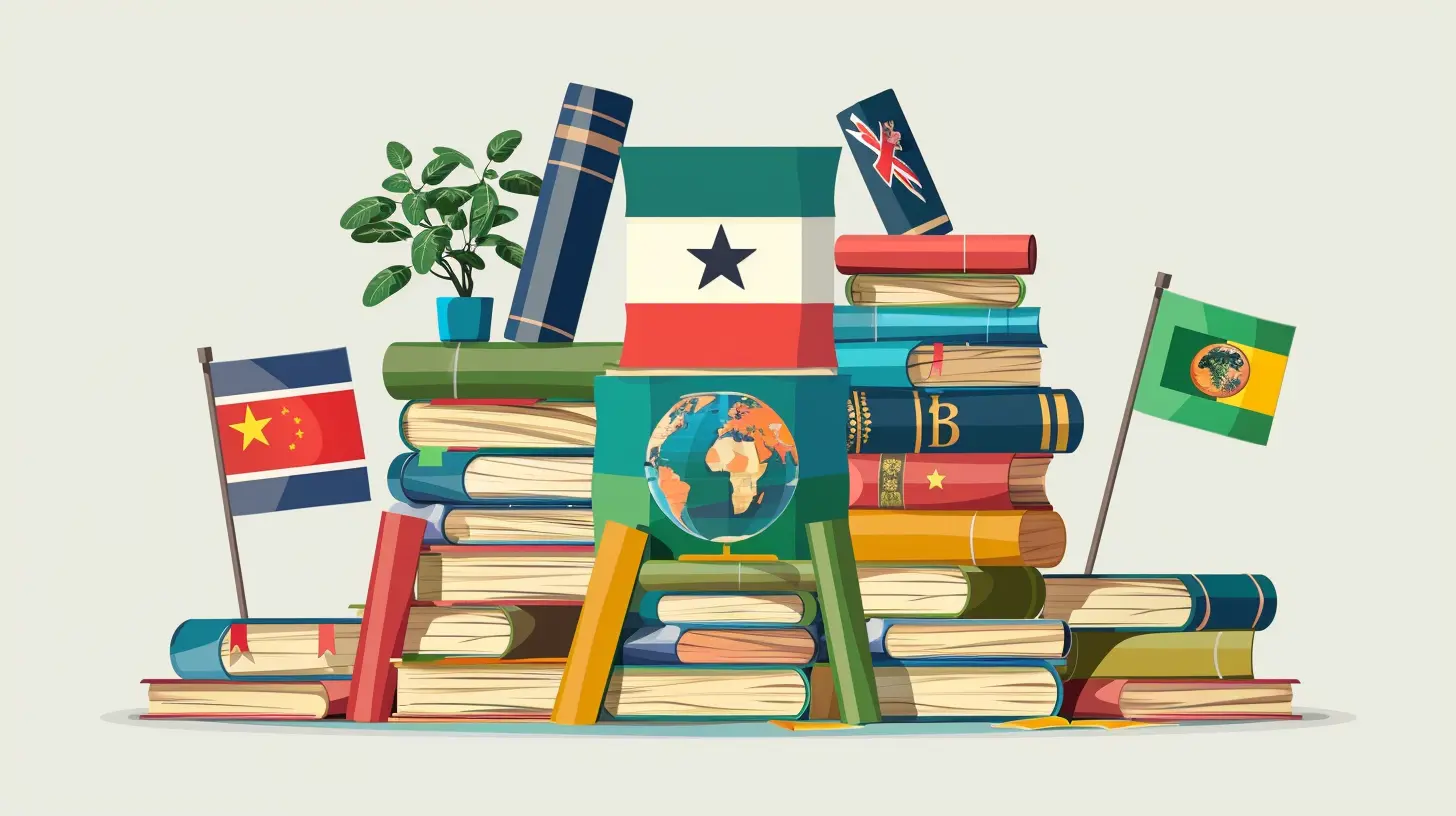
The Global Job Market Wants More Than Just Monolinguals
Let’s be real: competition in the job market is fiercer than ever. With businesses expanding across borders faster than you can say “multilingual,” companies are on the lookout for candidates with language skills that can help them connect with international clients.Think about it—if an employer has to choose between two equally talented candidates, but one speaks multiple languages, guess who’s getting the job? (Spoiler: not the monolingual one.) In a world where communication rules, being bilingual is like having VIP access to the professional world. 
Cognitive Benefits: Your Brain on Bilingualism
Speaking more than one language isn’t just impressive on a résumé. It actually makes your brain stronger. Here’s how:- Sharper Problem-Solving Skills – Ever tried switching between two languages mid-conversation? Bilinguals do this effortlessly, making their brains better at multitasking and problem-solving.
- Enhanced Memory – Learning languages forces the brain to store and recall vocabulary, improving overall memory and retention skills.
- Improved Focus – Bilinguals are pros at ignoring distractions. (Yes, even that tempting scroll through social media.)
Essentially, bilingual learning gives students the mental workout their brains need to stay agile, much like a personal trainer—except with fewer push-ups. 
Cultural Awareness: Understanding Beyond Borders
Imagine visiting a foreign country and understanding the language, local jokes, and traditions. That’s the magic of bilingualism—it doesn’t just unlock new words; it unlocks doors to different cultures.Students who learn multiple languages gain:
- A Broader Worldview – They understand cultural nuances, making them more adaptable in diverse environments.
- Better Communication Skills – They can connect with people from various backgrounds, making travel and work interactions smoother.
- Higher Emotional Intelligence – Since language holds cultural depth, bilinguals are often better at empathy and social interaction.
In a way, learning another language is like downloading a cultural expansion pack in a video game—it makes everything more interesting and immersive. 
Boosting Academic Performance: Because Smarter is Always Better
If you think bilingual students just stick to language classes, think again. Studies have shown that bilingualism actually boosts academic performance across subjects:- Better Math Skills? Check.
- Stronger Reading Comprehension? Absolutely.
- Higher Standardized Test Scores? You bet.
Bilingual students tend to excel in multiple areas, thanks to their enhanced cognitive flexibility and ability to process complex information. It’s almost like learning two languages gives your brain a built-in “smart mode.”
Bilingual Learning = Entrepreneurial Edge
If you dream of starting your own business someday, bilingualism is your secret weapon. Business is no longer just local—it’s global. Knowing an extra language means you can:- Expand your business to international markets without relying on Google Translate.
- Build relationships with global partners and customers effortlessly.
- Negotiate deals in different languages like a pro.
In short, bilingualism gives entrepreneurs a serious edge. Who wouldn’t want to have that advantage when taking on the business world?
Social Confidence: Say Goodbye to Awkward Conversations
You know those awkward moments when you’re trying to communicate in a foreign country and end up just pointing at things like a lost tourist? Yeah, bilinguals don’t have that problem.Learning a second (or third) language builds confidence, making students more comfortable in diverse social settings. Whether it’s traveling, networking, or just making new friends, bilingual students have the upper hand.
It’s kind of like having a social superpower—suddenly, the world doesn’t feel so intimidating when you can talk to more people.
Technology and Language: The Future is Multilingual
With AI and automation taking over, you might be wondering: "Won't technology just translate everything for us?" Well, yes, but no.While translation apps are great, they can’t replace the depth and nuance of human conversation. Businesses still need people who can bridge cultural gaps, negotiate effectively, and truly understand global clients.
Plus, ever used an auto-translate feature and gotten a sentence that made absolutely no sense? Exactly. Being bilingual saves you from ever relying on that nonsense.
The Earlier, The Better
Like learning to ride a bike or playing an instrument, language learning is easier when you start young. Kids who grow up bilingual have a natural advantage—they don’t just memorize words, they absorb them like sponges.That’s why bilingual education at an early age is so important. It not only makes language learning easier but also ensures that students are well-prepared for future opportunities.
Final Thoughts: Bilingualism Is the Future
In a world that’s getting smaller (thanks to technology) and more connected, being bilingual isn’t just a skill—it’s a necessity. From career opportunities to social benefits, cognitive advantages to cultural awareness, bilingual learning is the ultimate tool for success.So, if you're still on the fence about learning another language, think of it this way: it's like investing in your future self. And trust me, your future self will thank you when they’re landing dream jobs, making global connections, and navigating the world with ease.
all images in this post were generated using AI tools
Category:
Bilingual EducationAuthor:

Monica O`Neal