Growth Mindset in Higher Education: Preparing Students for the Future
22 July 2026
Let’s get something straight: the world is changing at lightning speed. It’s not just about the job market becoming more competitive—it's a whole new ball game. Automation, AI, remote work, digital transformation... you name it. And guess what? The tried-and-true formula of memorizing textbooks just isn’t cutting it anymore.
If universities and colleges want to stop pumping out students who feel lost after graduation, they need to shift gears. Enter: the growth mindset. This isn’t just a trendy buzzword; it’s a game-changer. It's about ditching the fixed mentality of “I'm either smart or I’m not” and embracing the powerful idea that “I can get better with effort.”
In this article, we’re digging deep into what a growth mindset really means, why it matters like crazy for higher education, and how it prepares students to dominate the future—not just survive it.
What Exactly Is a Growth Mindset?
Okay, let’s break this down in plain English.A growth mindset is believing your abilities aren't set in stone. It’s knowing you can develop your talents through hard work, smart strategies, and input from others. On the flip side, a fixed mindset is when someone thinks their intelligence or skills are static—they either have it, or they don’t.
Think of it like this: you’re not born with a set of “brain muscles.” You actually build them. Just like hitting the gym, your brain needs exercise, stretching, discomfort, and rest to grow stronger.
Psychologist Carol Dweck coined the whole concept, and it’s been a total paradigm shift in education, business, and personal development ever since.
Why Growth Mindset Should Be a Core Part of Higher Education
College isn’t just about scoring A’s and passing finals. Or at least, it shouldn’t be.Let’s face it: the real world doesn’t hand out report cards. It throws problems at you that Google can’t solve. It expects you to collaborate, figure things out, bounce back from failure, and keep evolving.
A growth mindset teaches students to:
- Take challenges head-on instead of running from them.
- Push through setbacks without giving up.
- See effort as part of the process, not a sign of weakness.
- Welcome feedback, even when it stings.
- Celebrate others’ success instead of feeling threatened.
When colleges bake this mindset into the student experience, they're not just creating better learners—they're producing resilient, adaptable, future-ready humans.
How a Fixed Mindset Is Holding Students Back
Let’s talk about the elephant in the classroom.Lots of students show up to college already wired with a fixed mindset. Years of praising “natural talent” or rewarding perfect grades over growth has conditioned them to avoid failure at all costs. That fear? It’s paralyzing.
Here’s what that looks like:
- Avoiding tough courses because they might tank their GPA.
- Not applying for internships they don’t feel 100% qualified for.
- Cracking under pressure during exams or presentations.
- Missing out on leadership roles because of imposter syndrome.
When students believe that messing up means they’re “not cut out for it,” they miss massive learning opportunities. Growth mindset flips that narrative on its head.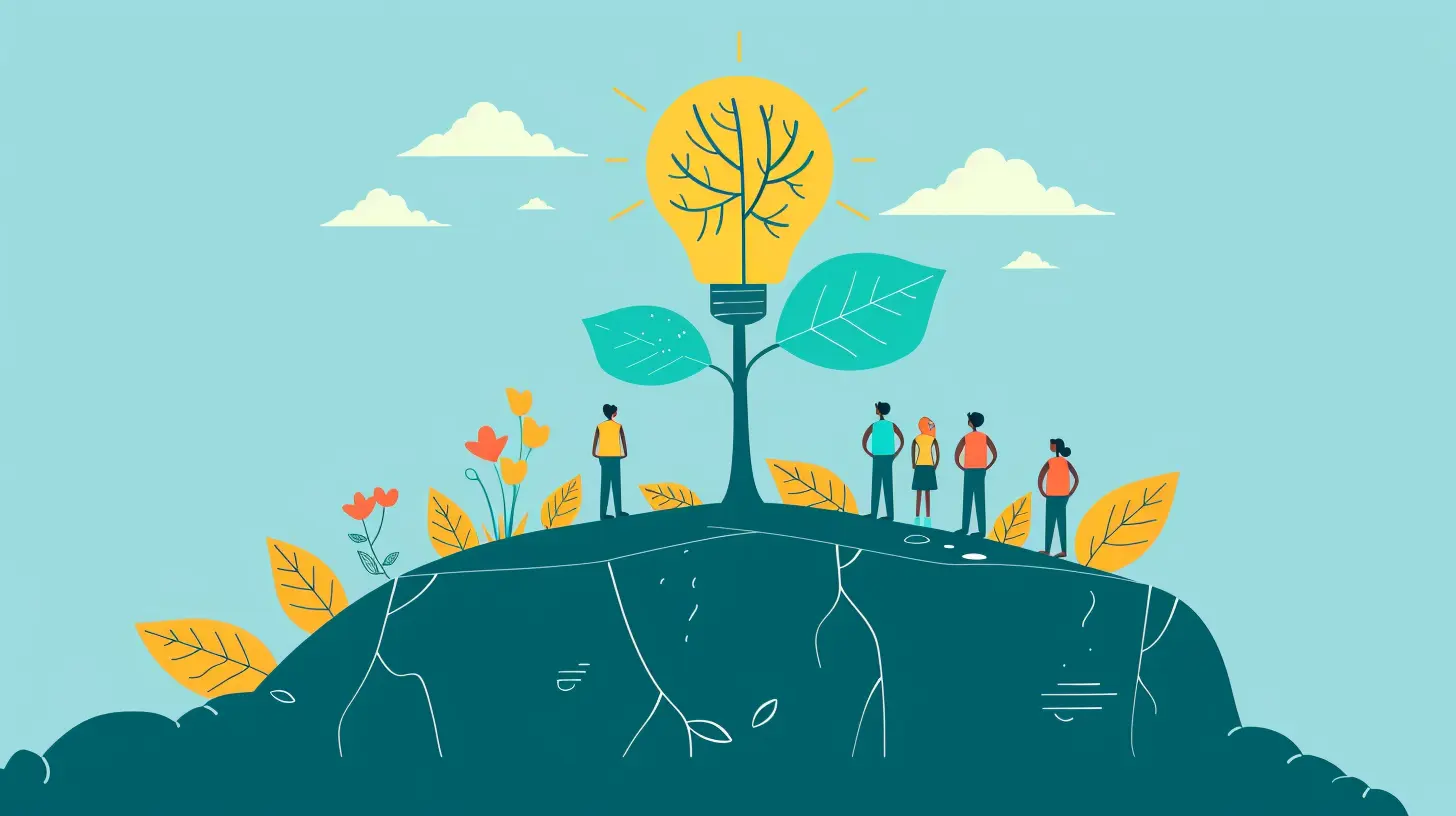
Creating a Culture of Growth on Campus
So how do we shift from lip service to action when it comes to growth mindset in higher ed? It starts with the culture. Every corner of the campus—from lecture halls to dorm rooms—should scream: “We grow here.”1. Professors Need to Walk the Talk
Instructors shouldn't just teach growth mindset; they need to model it. That means:- Sharing their own learning struggles.
- Encouraging questions and curiosity over “right answers.”
- Rewarding effort and iteration, not just perfection.
- Giving constructive feedback that promotes growth, not shame.
2. Reframe Failure as Fuel
Failure isn’t the opposite of success—it’s the staircase to it. Higher ed programs must teach students that setbacks aren’t the end. They’re data. They’re redirection. They’re feedback from reality.Schools should build this into the curriculum through:
- Reflective assignments on what students learned from failures.
- Opportunities for assignment revision and resubmission.
- Workshops and talks featuring relatable “failure stories” from professionals.
3. Promote Peer Learning and Collaboration
When students only compete against each other, they hoard knowledge. But when they collaborate, they compound it.Group projects shouldn’t just be dreaded busywork. They should teach conflict resolution, leadership, active listening, and bouncing back when things fall apart. All of these are real-life skills where growth mindset thrives.
4. Make Mental Health a Priority
Growth mindset thrives in a space where students feel safe and supported. Stress, anxiety, and burnout are mindset killers. Colleges need to:- Provide accessible counseling services.
- Run workshops on mindfulness, resilience, and self-compassion.
- Normalize asking for help without stigma.
Tech, AI, and the Future: Why Mindset Matters More Now Than Ever
We’re living in exponential times. The fastest-growing jobs today didn’t exist ten years ago. The skills employers want today won’t be enough five years from now. AI is replacing repetitive tasks left and right.What’s your edge in a world like this?
Your mindset—period.
Students with a growth mindset don’t panic when new tech upends their industry. They say, “Cool. Time to learn something new.” They pivot. They reskill. They reinvent.
That’s not just valuable. It’s priceless.
Building Growth Mindset Into the Curriculum
Let’s get practical. How can colleges hardwire growth mindset into the actual classroom experience? It goes way beyond posters and motivational quotes. We’re talking real design changes.1. Emphasize Process Over Product
Instead of just grading final outputs, encourage reflection journals, peer reviews, and drafts so students can value the journey, not just the destination.2. Use Formative Assessments
Regular, low-stakes quizzes or check-ins help students track progress without the pressure of “high stakes.” It’s like giving them a compass instead of dropping them in a jungle with no map.3. Scaffold Big Challenges
Break big projects into smaller steps. Teach students how to organize, plan, iterate, and revise instead of just winging it and praying it works out.4. Celebrate Effort in Grading Criteria
Yes, results matter. But improvement, dedication, and grit should carry weight too. When students know effort counts, they’re more likely to push through rough patches.Teaching Faculty to Embrace Growth Mindset, Too
Newsflash: professors aren’t immune to a fixed mindset.The academic world can be brutal. Publish or perish. Constant comparison. Fear of being seen as “not expert enough.” That culture trickles down to students faster than anyone wants to admit.
That’s why universities also need to:
- Offer faculty training on growth mindset principles.
- Encourage cross-disciplinary collaboration instead of competition.
- Create safe spaces for faculty to share failures and challenges.
Because when professors believe in their ability to grow, they inspire students to do the same.
Growth Mindset for Career Readiness
Let’s tie it back to the real world.Employers today don’t just want degrees. They want:
- Problem-solvers
- Continuous learners
- Team players
- Critical thinkers
- People who can bounce back from failure without drama
Guess what? All of that screams growth mindset.
When students graduate with not just technical know-how, but the ability to adapt, unlearn, and relearn—suddenly, they’re not job seekers. They’re value creators.
Final Thoughts: This Isn’t Optional Anymore
Look, higher education is standing at a major crossroads right now. The economy’s shifting. Students are demanding more value. Employers are raising the bar.If colleges and universities want to stay relevant, preparing students with a growth mindset isn’t a luxury—it’s a must. It’s the secret sauce that turns knowledge into wisdom, degrees into careers, and graduates into leaders.
We don’t need more students who can recite facts. We need bold, curious, unstoppable learners who can rewrite the future.
And it all starts with mindset.
all images in this post were generated using AI tools
Category:
Growth MindsetAuthor:

Monica O`Neal
Discussion
rate this article
1 comments
Misty Jackson
Great article! Embracing a growth mindset truly empowers students to thrive in today's ever-changing world.
July 22, 2026 at 4:04 AM
Monica O`Neal
Thank you! I'm glad you found it impactful. Embracing a growth mindset really can make a difference for students.