Exploring the Connection Between Digital Literacy and Information Overload
20 August 2026
So, you’ve got Wi-Fi, a smartphone, fifteen open browser tabs (at least one of them is a cat video, right?), and your brain is basically fried from trying to figure out whether what you're reading is fact, fiction, or some Frankenstein-style mix of the two. Welcome to the 21st century — where information is power, and also a massive headache.
Let’s talk about something that sounds super academic but is basically the root of our internet-induced existential crisis:
Digital literacy — aka knowing how to not drown in a tsunami of cat memes, conspiracy theories, and clickbait headlines.
And information overload — that brain-melting feeling when you physically can’t take in another article, email, or social media post without screaming into the void.
Now, you’re probably wondering: Wait… aren’t these two supposed to help each other out? Isn't being digitally literate supposed to SAVE me from information overload?
In theory, yes. In reality? Let me just say: LOL.
Let’s dig deep (grab your digital snorkel), peel back the layers, and figure out how digital literacy and information overload are connected — and why your brain sometimes feels like it's buffering.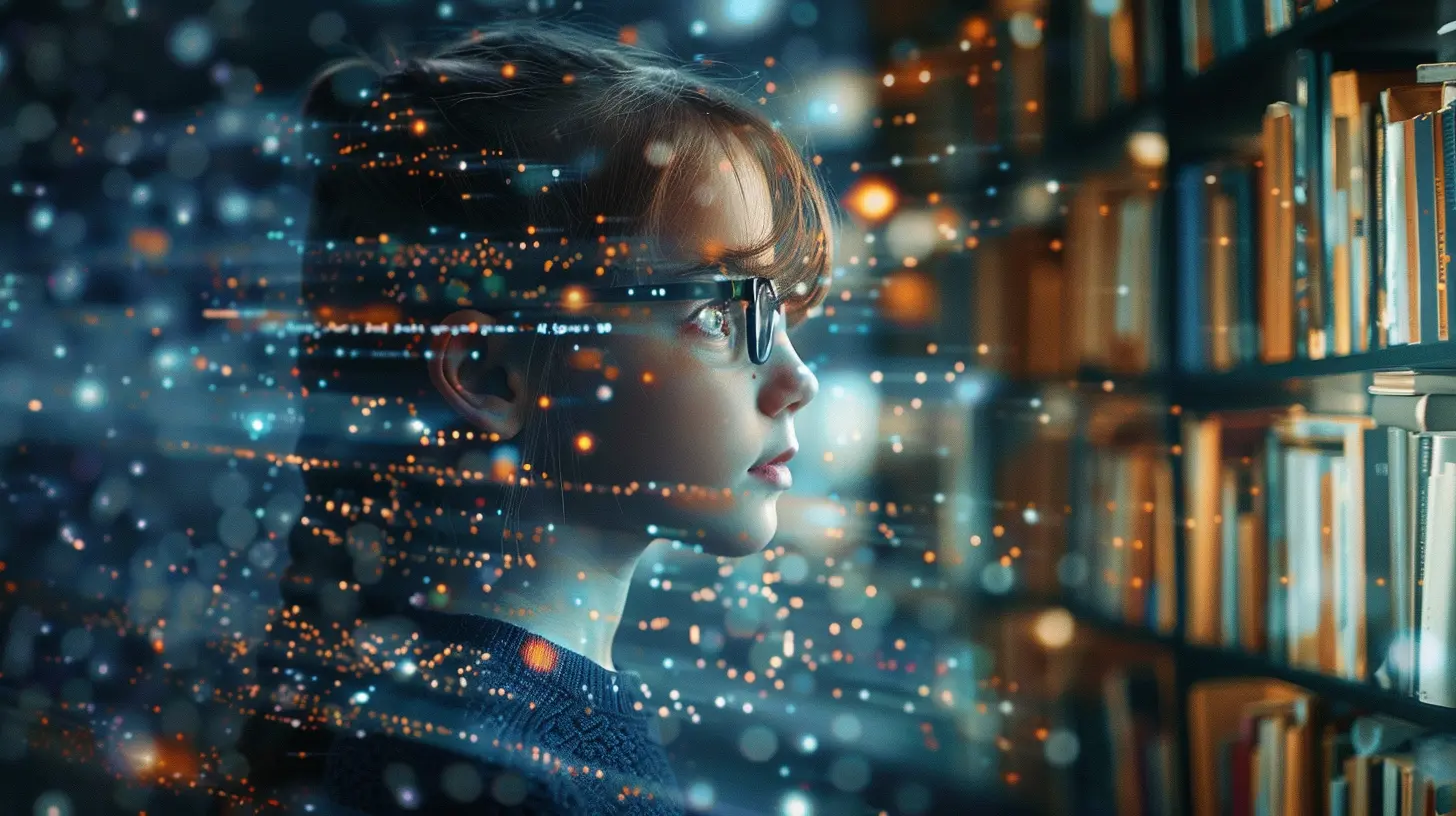
What is Digital Literacy, Anyway?
Let’s start with the basics. Digital literacy is not just about knowing how to turn on your laptop without calling your teenage cousin for tech support. It’s waaaay more than that.Digital literacy means:
- Knowing how to find reliable info online.
- Understanding how to evaluate sources (hint: not everything on TikTok is gospel).
- Knowing how to interact online thoughtfully, safely, and without rage-commenting on strangers' posts.
- And — here’s the kicker — being able to filter through a digital avalanche without losing your mind.
It’s not just being smart online. It’s being street smart on the internet.
But don’t worry if you’re still falling for fake headlines about celebrity alien sightings — you’re not alone.
The Firehose of Information: Welcome to Overload City
Now let’s talk about our frenemy, information overload.Imagine drinking from a firehose. That’s your brain on the internet. Emails, news alerts, tweets, DMs, notifications from that one app you downloaded three years ago and forgot existed — all pouring into your eyeballs at once.
Information overload is what happens when your brain's "Too Much Info" meter hits red and your attention span goes whooshing out the window. Suddenly, you can't focus, make decisions, or finish a sentence without forgetting what you were doing in the first place.
And the worst part? It’s not always obvious. Sometimes, it just feels like a low-level buzz of stress — like you're always one email away from a mental breakdown.
Fun, right?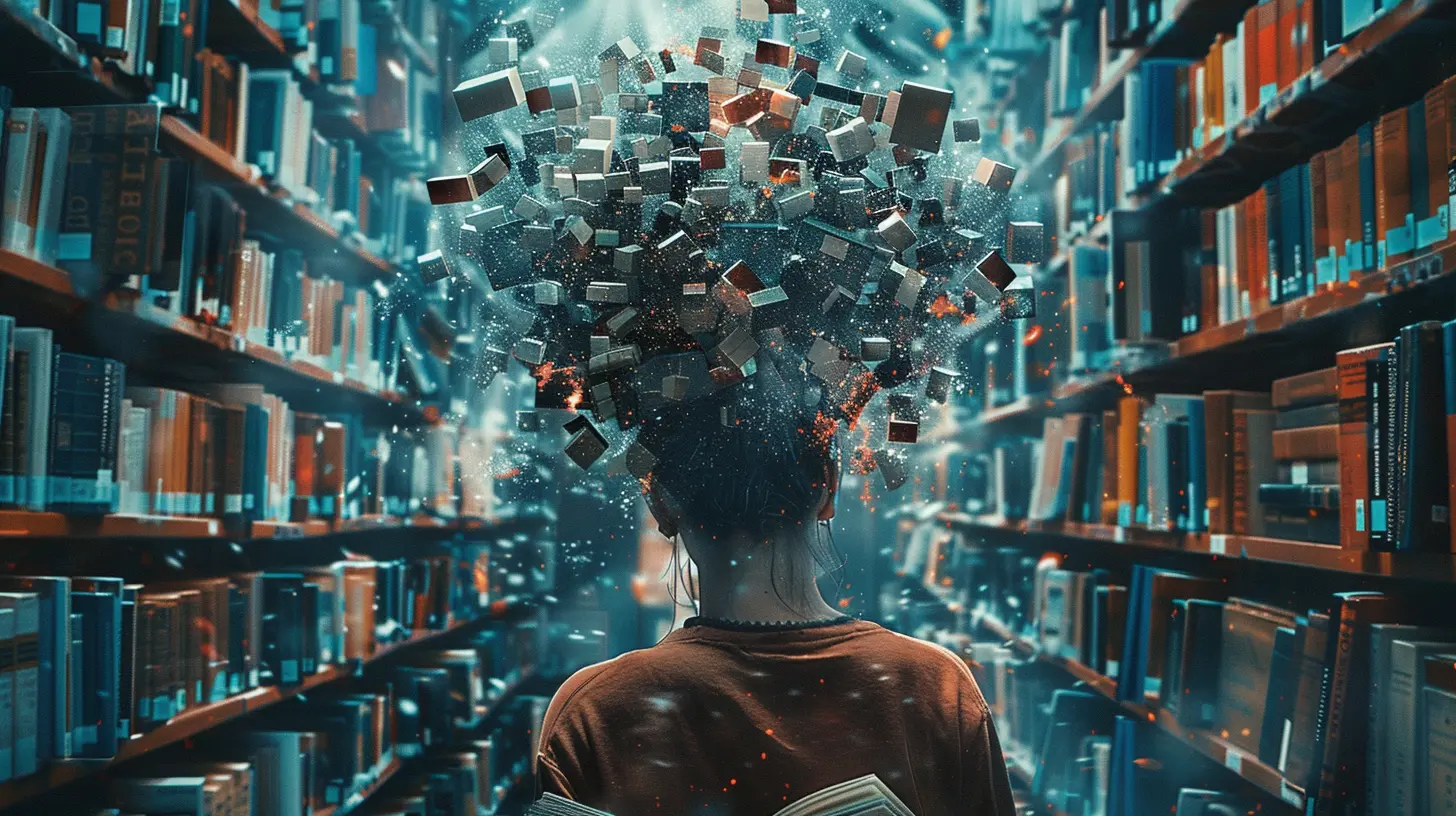
The (Messy) Relationship Between Digital Literacy and Information Overload
Now here’s the plot twist: Digital literacy is supposed to help you avoid information overload.But does it?
That’s like saying owning running shoes automatically makes you a marathon runner. Technically possible. But realistically, you still have to put in some serious effort to make that magic happen.
1. More Skills = More Responsibility = More Pressure
The more digitally literate you are, the more you realize how much nonsense floats around online. You're constantly analyzing, fact-checking, and second-guessing.That’s exhausting.
You can’t just scroll anymore. You’re thinking:
“Is this a legit source?”
“Who funds this website?”
“Why does this YouTuber sound like they’ve had one too many energy drinks?”
Being digitally literate can actually make your brain work harder because you care more about consuming quality content. And let’s face it — quality content isn’t always what the algorithm shoves in your face.
2. The Illusion of Control (Spoiler: You Have Less Than You Think)
Digital literacy gives you the illusion that you can conquer the chaos. “I know how to Google properly,” you say, proudly typing your 27-word query into the search bar like a champ.But what you get is 12 million results in 0.62 seconds. And somehow, none of them answer your question directly.
Just because you know how to navigate the digital world doesn’t mean the digital world plays nice. Algorithms are sneaky. Clickbait is ruthless. And don’t even get me STARTED on pop-up ads.
3. Multitasking Makes It Worse (Yes, Even for You)
You might think you’re good at multitasking. Reading an article, checking Slack, watching a lecture, and texting your group chat about dinner plans — all at once?Nope. Your brain hates that.
One of the cruel ironies is that the more digitally literate we are, the more we try to do all the things at once, because we know how to use all the tools. But cognitive overload doesn’t care how tech-savvy you are — it will clap back regardless.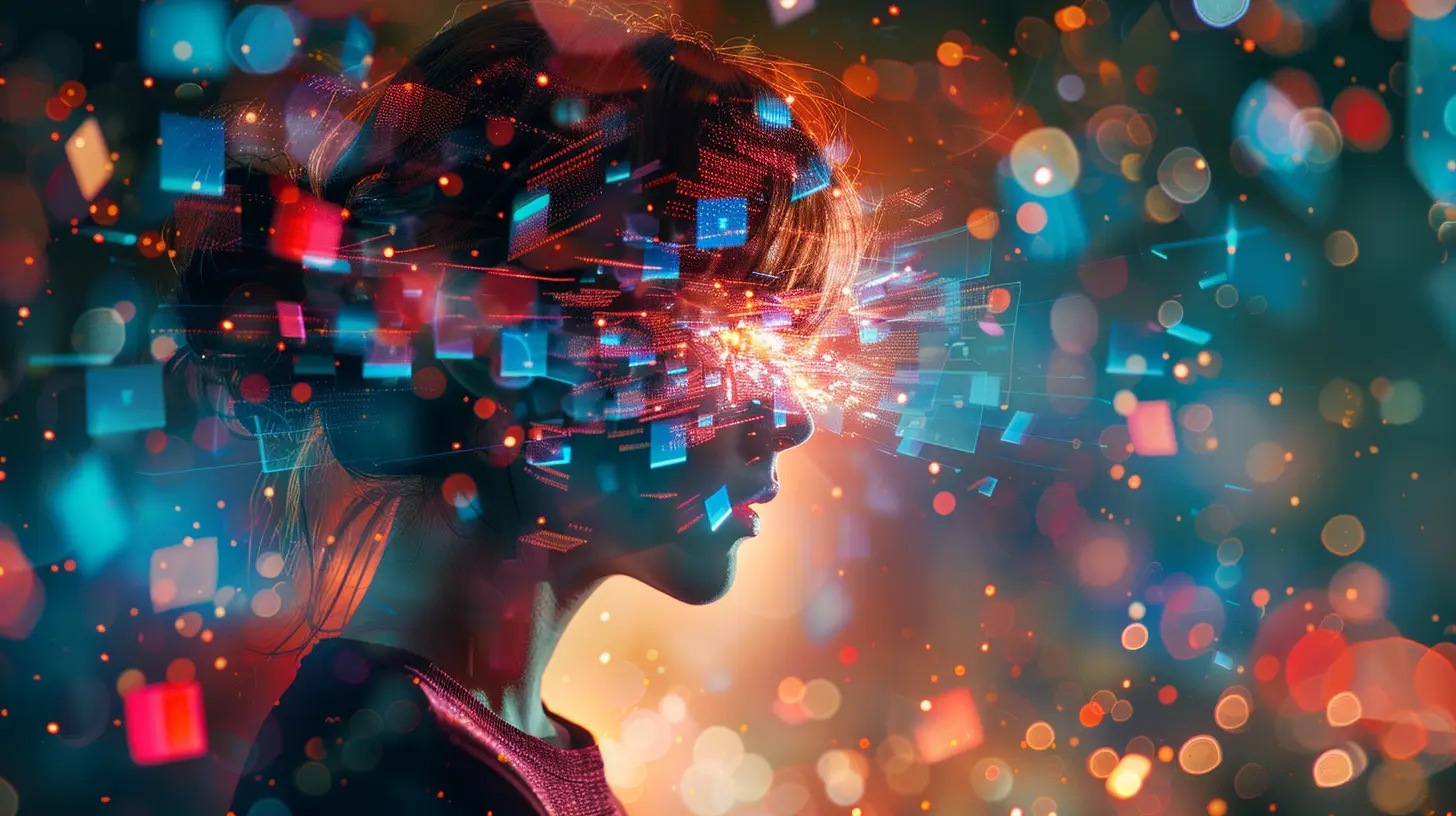
Why We Can’t Just “Unplug”
Now, you might be thinking: “Fine, I’ll just unplug. I’ll go off-grid. Live in a cabin. Write poetry. Eat berries.”That’s cute. But digital life is kind of required now. Classes are online. Jobs are Zoom-based. Even Grandma learned how to FaceTime. There is no going back. The digital world is not optional anymore — it’s survival.
So staying plugged in is non-negotiable. But so is staying sane.
How do we balance digital literacy with not feeling like our brains are melting?
Let’s chat about that.
How to Be Digitally Literate Without Losing Your Mind
1. Curate, Don’t Consume
Think of the internet like an all-you-can-eat buffet. Just because there are 1,000 options doesn’t mean you need to pile them all onto your plate.Instead:
- Choose your sources wisely.
- Follow creators, journalists, and platforms that value truth over shock value.
- Unfollow chaos. Yes, even that one friend who posts 20 articles a day with CAPS LOCK conspiracy theories.
2. Filter the Noise (Take Control of the Algorithm)
Algorithms feed you what you engage with. So if you clicked on one trashy celebrity divorce story, guess what’s in your feed for the next week?Trash. More trash.
Fix that:
- Hit “not interested.”
- Use browser extensions to block junk.
- Follow topics that nourish your brain, not fry it.
You’re the bouncer of your digital nightclub. Start acting like it.
3. Embrace the Power of “Nope”
When you see yet another article about productivity tips or someone ranting on a digital soapbox, you don’t HAVE to read it. You’re allowed to say, “Nope, not today, Satan.”Digital literacy also means knowing when to scroll past and protect your peace.
4. Take Breaks (No, Really, Take the Dang Break)
You are not a machine. Even your phone needs to recharge.Use digital detox tools. Set screen time limits. Go touch grass. Literally.
Ironically, being digitally literate also includes knowing when to step away from digital spaces.
Education’s Role: Teaching More Than Just “How to Google”
And here’s where schools, teachers, and educational blogs like this one tap dance into the spotlight.Digital literacy education needs to go beyond teaching students how to log in or make a PowerPoint.
We need to teach:
- Critical thinking.
- Media analysis.
- How to recognize bias.
- How to sift through 10 different “facts” and spot the ones that actually make sense.
Because without that? We’re just handing people a high-powered jetpack with no instruction manual.
Is There Hope, Or Are We Doomed?
Okay, before you go full doomsday, let’s zoom out.Yes, the digital world is a mess. Yes, your brain is tired. But also?
We’re getting better.
More people are talking about this issue. Schools are updating curriculums. People are more suspicious of clickbait (thank you, finally). And tools exist to help manage the mess.
The relationship between digital literacy and information overload is complicated — like every rom-com couple ever. But it’s not hopeless.
You’ve just got to learn how to date your information — not marry it blindly.
Final Thoughts: Your Brain Deserves Better
Digital literacy isn’t about being perfect. It’s about being aware. It’s about asking questions, making smarter choices, and giving yourself permission to log off now and then.And information overload? It’s not your fault. You’re swimming in a sea of data without a lifeguard. But if you arm yourself with some digital wisdom, you can at least float without panicking.
So next time you feel overwhelmed, remember:
- You don’t have to read everything.
- You don’t have to believe everything.
- You most definitely don’t have to click on everything.
You’re in control (kind of). You’ve got this.
Now go hydrate. Your brain needs it.
all images in this post were generated using AI tools
Category:
Digital LiteracyAuthor:

Monica O`Neal
Discussion
rate this article
2 comments
Calder McCloud
Great insights on digital literacy! In a world flooded with information, mastering it is key. Keep exploring and stay curious... you've got this!
August 30, 2026 at 3:08 AM
Monica O`Neal
Thank you! I'm glad you found it insightful. Staying curious is definitely essential in navigating all this information.
Sylph Marks
This article highlights a crucial issue. As digital literacy improves, the risk of information overload increases. We must prioritize skills that help individuals navigate and critically assess abundant information.
August 26, 2026 at 11:35 AM