The Evolution of Learning Spaces by 2027
17 April 2026
Remember the smell of chalk dust? The squeak of a dry-erase marker? The rigid, forward-facing rows of desks bolted to the floor? For generations, that was the universal blueprint for “learning.” It was a factory model, designed for an industrial age, where knowledge was poured from one vessel (the teacher) into many others (the students). But here’s a question for you: when was the last time you solved a real-world problem by sitting silently in a row, listening to a lecture, and then filling out a worksheet?
The world doesn’t work in rows anymore. It works in networks, in projects, in bursts of collaborative genius. And our spaces for learning—the very physical and digital containers where growth happens—are undergoing a radical, breathtaking transformation to catch up. By 2027, the concept of a “classroom” will be almost unrecognizable from its 20th-century ancestor. We’re not just moving furniture around; we’re rewiring the fundamental architecture of how and where we learn. This isn't a minor renovation. It's a total reinvention.
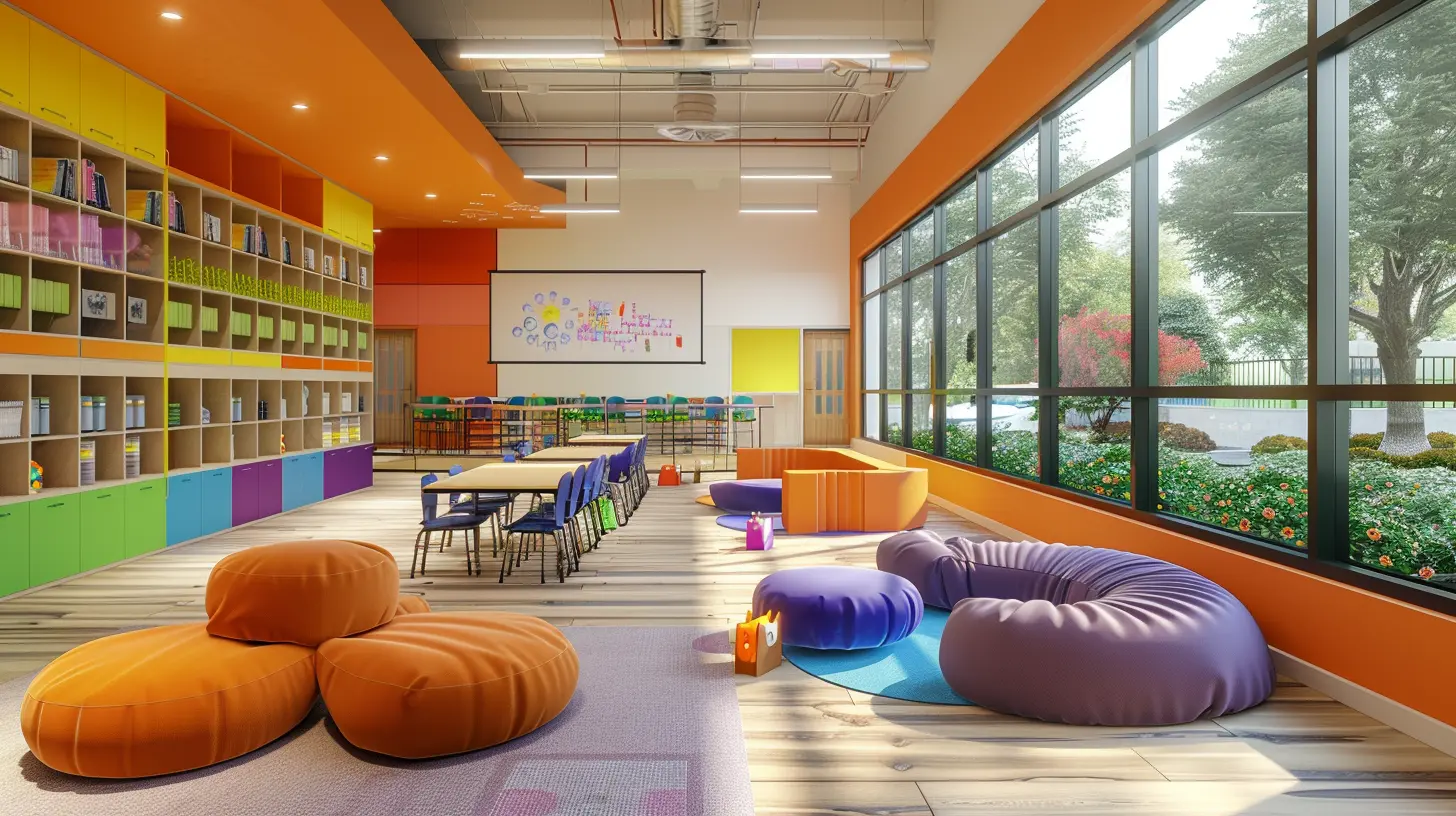
From Static Rooms to Dynamic Ecosystems
Let’s start by dismantling a big myth: that learning is a place you go to. By 2027, learning will be seen as an activity you immerse yourself in, anywhere, anytime. The four-walled classroom won’t disappear, but its role will shift dramatically. It will become less of a lecture hall and more of a home base—a launchpad for exploration.Think of it like the difference between a static, single-player video game and a vast, open-world multiplayer universe. The old model was the single-player game: one path, one leader, predictable levels. The emerging model is the open world: rich with possibilities, where learners choose their quests, form parties to tackle challenges, and the environment itself reacts to their actions.
The physical space will become an adaptive partner. Walls will move. Furniture will be lightweight, reconfigurable, and tech-integrated. You might start your morning in a cozy “think pod” for deep focus, shift to a circular collaboration hub for a design sprint, and then gather in a mini-amphitheater for a peer-led discussion. The room itself will morph to support the task at hand, acknowledging that human brains don’t thrive in monotony. We need variety—bursts of social energy followed by pools of quiet reflection. The spaces of 2027 will be designed with this neurological rhythm in mind.
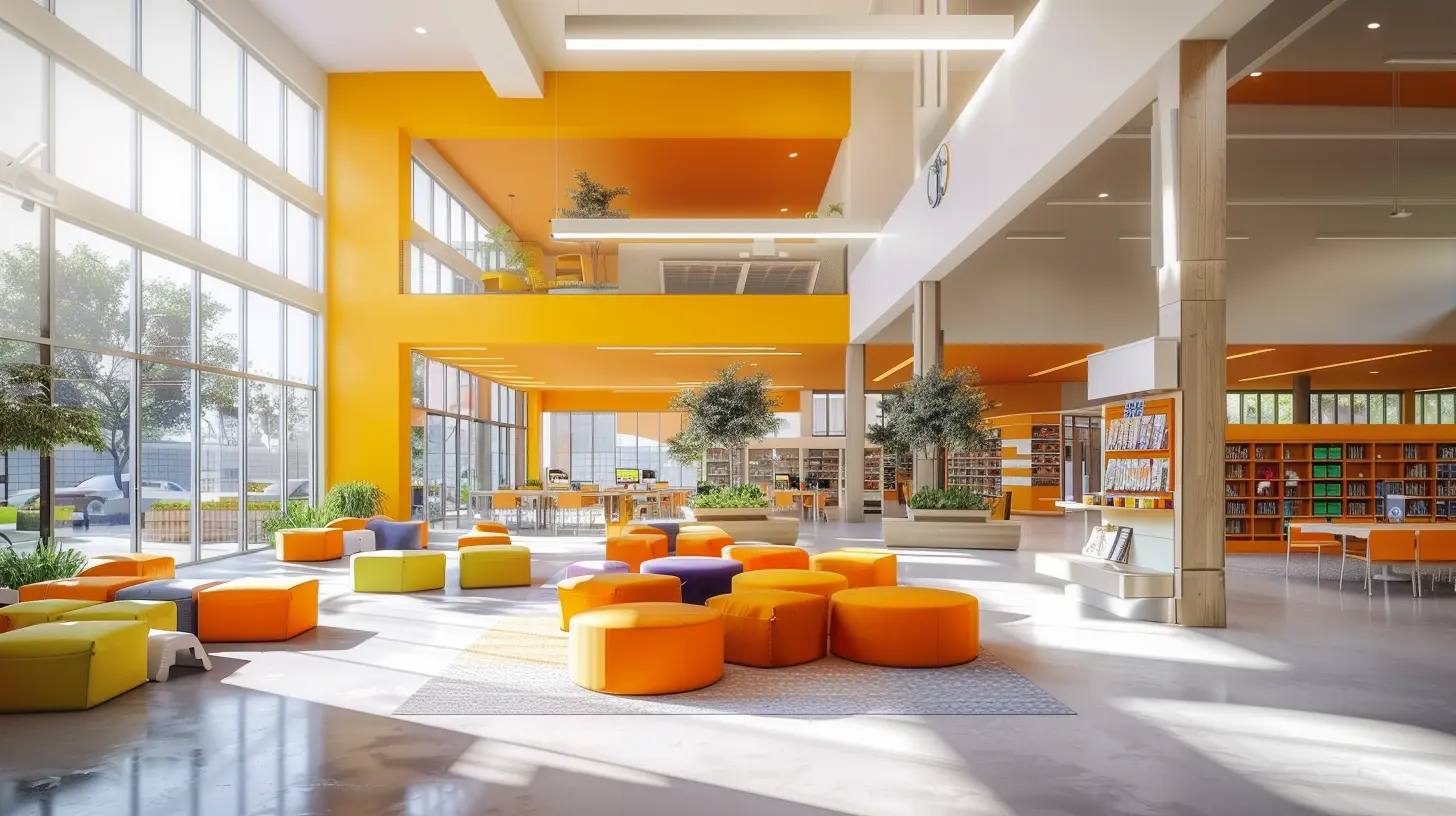
The Seamless Blend: Where Physical Meets Digital (No Glasses Required)
Ah, technology. It’s not about slapping a smartboard on the wall and calling it a day. That’s just a blackboard in a fancy dress. The true evolution lies in seamless integration. By 2027, the line between the physical and digital learning environment will not just be blurred; it will be functionally irrelevant.Imagine a biology student examining a 3D holographic heart, rotating it with a gesture, peering into its chambers alongside classmates from across the globe who are manipulating the same model in real-time. The lab table is both physical and a portal. Or a history class standing in their empty room, which, through augmented reality (AR), transforms into the Roman Forum. They can walk around, see the structures superimposed on their space, and interact with AI-generated historical figures. This isn’t science fiction; it’s the logical endpoint of tools already in their infancy.
The key word is contextual. Technology won’t be a distraction bolted onto the side of learning. It will be the invisible fabric that connects resources, experts, data, and simulations directly to the learner’s immediate context and curiosity. The space becomes “smart” not because it has Wi-Fi, but because it understands what you’re trying to do and offers the right tools at the right moment.
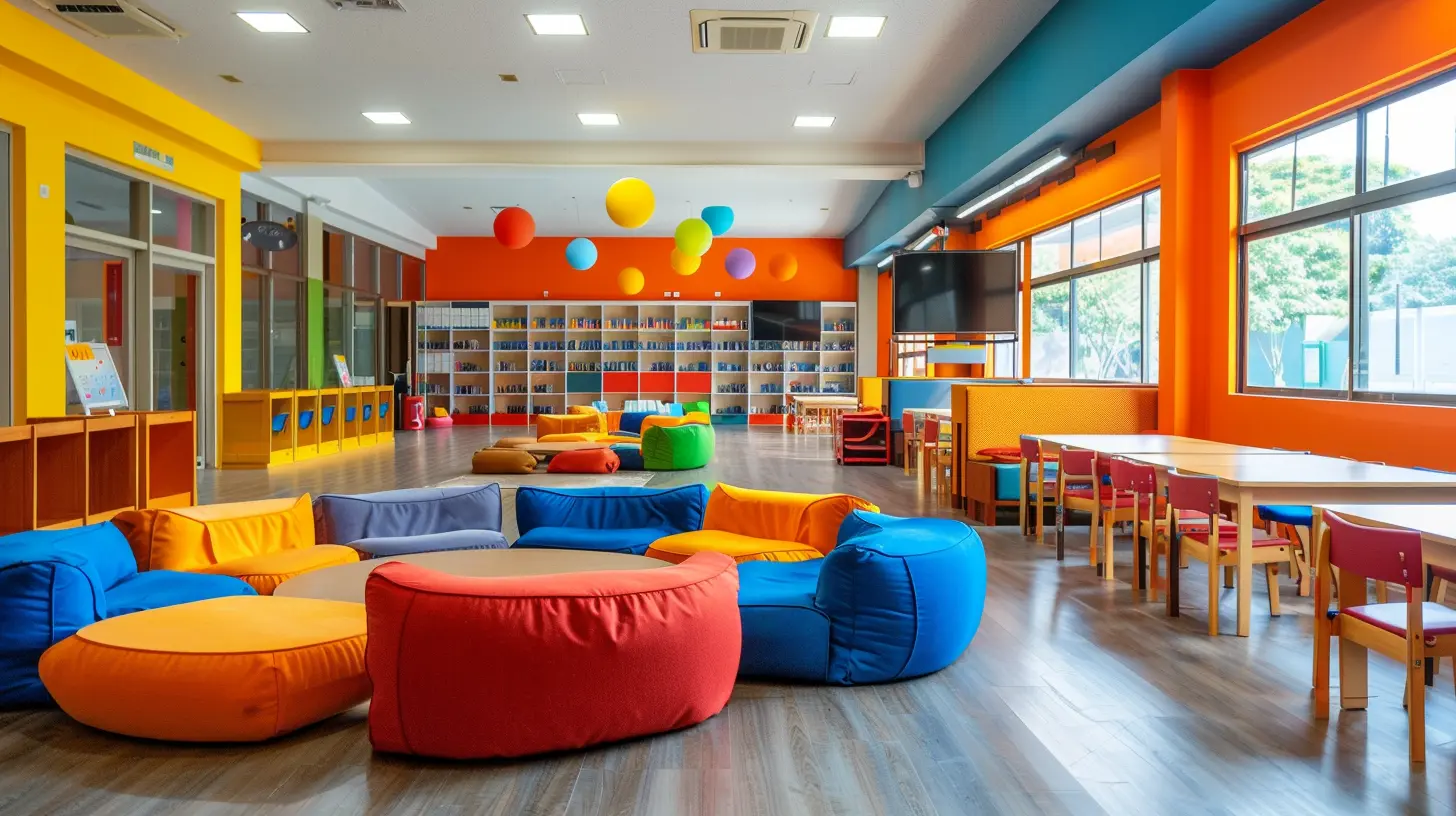
Hyper-Personalization: The Space That Knows You
This is where it gets personal. Literally. The monolithic, one-size-fits-all approach to teaching is crumbling. Learning spaces by 2027 will be deeply responsive to individual learners. Think of a masterful coach who knows exactly when to push you, when to support you, and what tools you work best with. Now, imagine the environment itself having that capability.Through ethical and privacy-centric AI, spaces will learn from anonymous, aggregate data. Lighting might adjust subtly to boost concentration during individual work for a particular group. Acoustic zones will dampen sound for those needing focus and allow lively chatter in collaboration areas. A digital dashboard might suggest a specific simulation module to a student struggling with a physics concept, all while they’re sitting in the flexible, reconfigurable common area.
It’s like the learning space becomes a gentle, supportive guide. It doesn’t replace the teacher—it amplifies them. The educator is freed from being the sole source of information and logistics manager to become a mentor, a facilitator of experiences, and a curator of personalized learning journeys. The space handles the “how,” so the human can focus on the “why.”
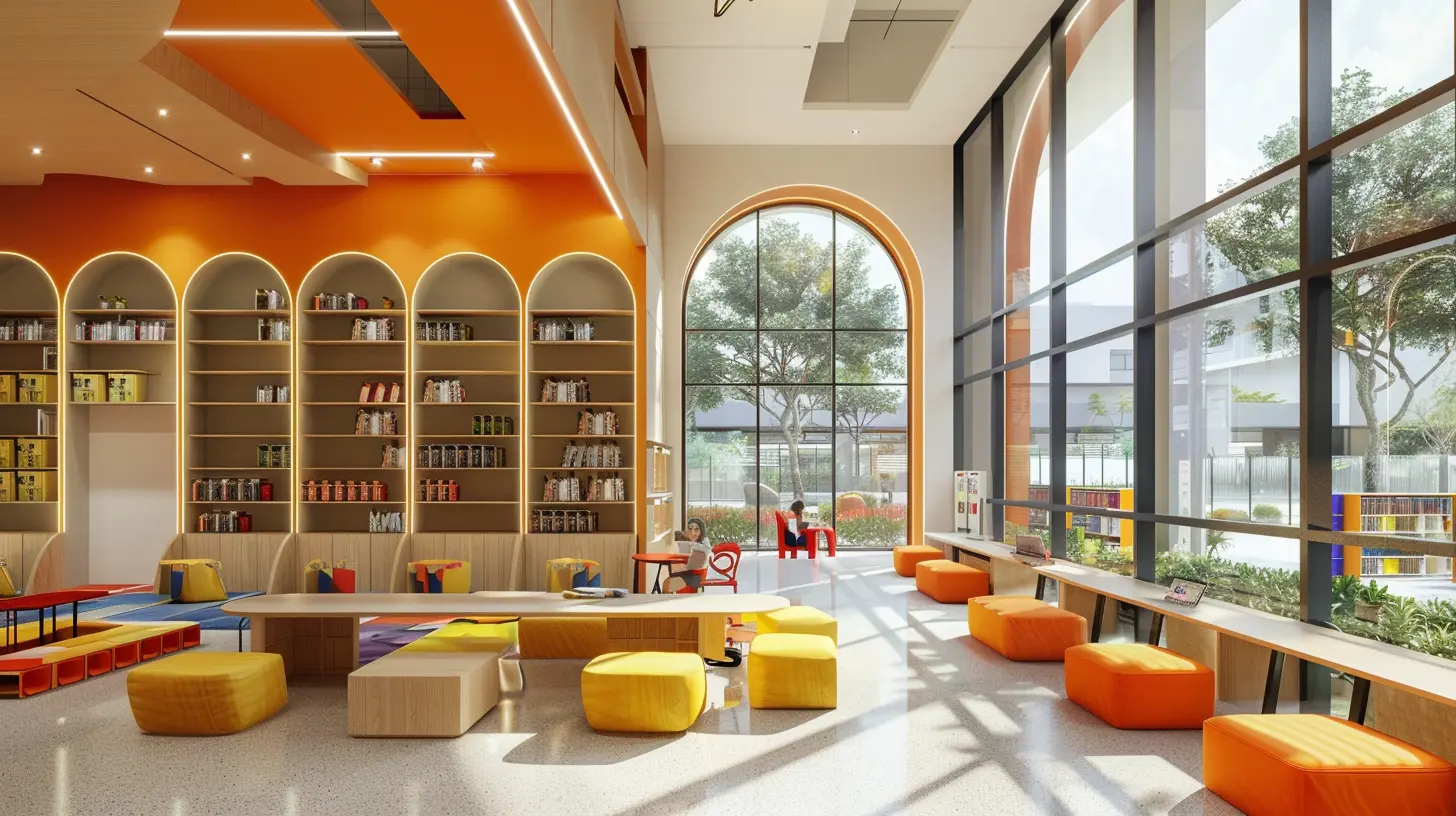
Beyond the Campus: The Learning Network
Here’s a liberating thought: by 2027, the most powerful learning “space” might not be owned by a school at all. The community becomes the campus. We’re seeing the rise of the learning ecosystem.A project-based learning group might spend their morning at a local tech startup, using the company’s meeting rooms and mentors. Their afternoon could be at a museum’s innovation lab, and their reflection session might happen virtually in a shared digital workspace from their homes. The brick-and-mortar school building becomes one node in a vast, rich network of learning locations—libraries, makerspaces, nature centers, businesses, art studios.
This breaks the “bell schedule” mentality. Learning becomes asynchronous and synchronous, remote and in-person, all woven together. The physical hub is for what it does best: human connection, complex hands-on projects, and social-emotional development. The rest of the network provides authentic context and expertise. It’s apprenticeship for the digital age.
Wellbeing as Infrastructure: Designing for Humans First
Perhaps the most profound shift is the move from designing for efficiency to designing for human flourishing. We’ve finally internalized the research: anxious, stressed, uncomfortable people don’t learn well. The learning spaces of 2027 will prioritize wellbeing as a core feature, not an afterthought.This means biophilic design—flooding spaces with natural light, incorporating living plants, using natural materials like wood and stone, and providing easy access to outdoor learning gardens and courtyards. The brain calms in nature, and our spaces will reflect that. It means dedicated quiet zones for mindfulness and decompression, not just noisy common areas. It means furniture that supports posture and movement—standing desks, wobble stools, soft floor seating.
The space itself will signal, “You are valued here as a whole person.” Air quality sensors, circadian lighting systems that mimic the sun’s natural rhythm, and color psychology in design will all be standard. We’re building environments that don’t just house brains, but nurture the bodies and spirits those brains are connected to.
The Educator’s New Role: Space Choreographer and Experience Designer
With all this change, what happens to the teacher? Their role evolves from the “sage on the stage” to the “guide on the side” and, I’d argue, to the “designer of the experience.” They become choreographers of the learning space.They won’t just plan lessons; they’ll curate resources from the global network, design challenge-based scenarios that use the full potential of the adaptive environment, and mentor students through self-directed projects. Their expertise will be in asking the perfect question, facilitating powerful discussions, and building a classroom culture where risk-taking and curiosity are the norms. They’ll need to be fluent in the language of both pedagogy and space—understanding how a room’ configuration can encourage debate or how a digital tool can make an abstract concept tangible.
The Challenges on the Horizon: Equity, Access, and the Human Touch
This vision isn’t without its hurdles. The biggest is equity. We must avoid a future where these transformative spaces are only available to the privileged few. The digital divide must be bridged completely, not just for devices, but for bandwidth and digital literacy. Public policy and community investment will be crucial to ensure the evolution of learning spaces lifts everyone, not just those in wealthy districts.And then there’s the question of the human touch. In a world of AI tutors and holographic field trips, the irreplaceable magic of human connection—a teacher’s encouraging smile, the collaborative buzz of a team solving a problem, the empathy felt in a shared space—must remain central. The technology, the furniture, the architecture… it’s all in service of enhancing these human moments, not replacing them.
Conclusion: Building the Future, One Space at a Time
So, by 2027, learning spaces will be more than rooms. They will be dynamic, responsive, and deeply human ecosystems. They will be physically flexible, digitally immersive, personalized, connected to the wider world, and fundamentally designed for wellbeing. They will acknowledge that learning is messy, non-linear, social, and deeply personal.We are moving from the age of the information warehouse to the age of the experience incubator. The goal is no longer to simply transmit knowledge. It’s to create environments where curiosity is ignited, where complex problems are tackled with creative courage, and where every learner feels seen, supported, and empowered to build their own understanding of the world.
The evolution is already underway. It’s in every school that replaces rows with group tables, in every library that adds a makerspace, in every teacher who lets students choose how to demonstrate their learning. By 2027, this won’t be the exception. It will be the expectation. We’re not just changing where we learn; we’re changing what it means to learn. And that is a future worth building, together.
all images in this post were generated using AI tools
Category:
EducationAuthor:

Monica O`Neal
Discussion
rate this article
2 comments
Nathaniel Rhodes
The evolution of learning spaces by 2027 will revolutionize education. With technology integrated into flexible environments, collaboration will thrive, and personalized experiences will become the norm. Embracing these changes is essential for preparing students to succeed in a dynamic world.
April 26, 2026 at 11:35 AM
Monica O`Neal
I completely agree. The integration of technology and flexible environments will reshape how we learn, making education more collaborative and personalized. It's an exciting time for both students and educators.
Wynter McLaury
This article effectively highlights the transformative nature of learning spaces through 2027. By integrating technology and flexible designs, educators can foster collaboration and creativity. Embracing these changes will be essential for enhancing student engagement and adapting to diverse learning styles.
April 18, 2026 at 12:23 PM
Monica O`Neal
Thank you for your insights! I agree that technology and flexibility are key to enhancing engagement and fostering collaboration in learning environments. Exciting times ahead!