Cyberbullying Awareness and Prevention in the Digital Classroom
9 March 2026
Let’s face it—education today isn’t just about pencils and notebooks anymore. It’s digital. With students spending a chunk of their time online, especially in virtual classrooms, there's a new challenge that educators, parents, and students all need to tackle: cyberbullying.
Yep, it’s real. It’s growing. And it’s a lot more dangerous than most people realize. Cyberbullying is sneaky. It hides behind screens, usernames, and comments. It follows kids home, right into their bedrooms, through their phones or laptops.
So how do we, as educators, guardians, and digital citizens, deal with it head-on? Stick around. We’re going deep on what cyberbullying looks like in today’s digital classroom and what we can all do to stop it in its tracks.
What Is Cyberbullying, Really?
Okay, let’s clear up what we’re talking about. At its core, cyberbullying is using any form of digital communication to harass, threaten, humiliate, or target another person—usually over a period of time.We’re not talking about one rude message here or there. True cyberbullying is persistent, intentional, and damaging. And in the context of school, it can hurt academic performance, affect mental health, and even lead to long-term trauma.
Common Forms of Cyberbullying:
- Name-calling or spreading rumors via chats or social media- Sending threatening or demeaning messages
- Doxxing (sharing private information)
- Excluding someone from online groups or discussions (a.k.a. “cyber ostracism”)
- Impersonating others to cause drama or conflict
- Posting embarrassing photos or videos without consent
Sound familiar? Even if you're not experiencing it first-hand, chances are someone in your digital classroom is.
Why Cyberbullying Hits Harder in Digital Classrooms
Let’s think about it: in a physical school setting, bullying is terrible, no doubt. But students can find safe spaces—recess, office time with a teacher, or even just the walk home.Now flip that into a digital classroom.
The walls are gone. The boundaries are blurry. What should be a safe space for education is now another screen where bullying can pop up anytime—before class, in group chats, even during virtual lessons.
Here’s why it can feel worse:
- Anonymity: Students feel bolder when they can hide behind a screen.
- Permanence: Screenshots and recorded messages stick around long after they're sent.
- 24/7 Access: Unlike traditional bullying, cyberbullying doesn't end after school.
- Wider Audience: Online content can go viral, humiliating the victim to a much bigger crowd.
- Lack of Supervision: Teachers can’t monitor all digital interactions, especially beyond classroom hours.
See the problem? It's a brewing storm if we don’t act fast.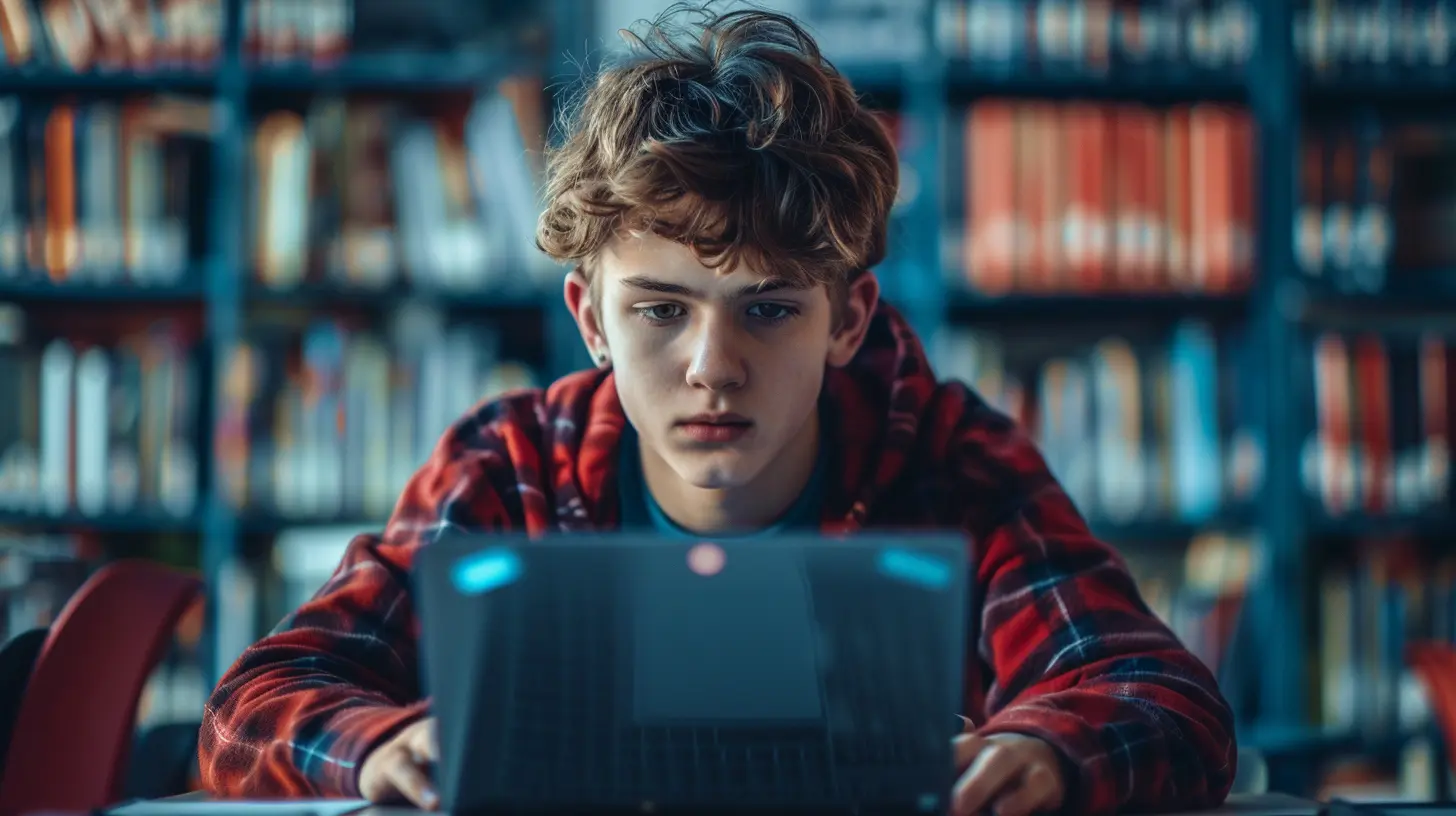
The Emotional Toll: More Than Just “Teen Drama”
Let’s not sugarcoat it. The impact of cyberbullying can be devastating.Kids and teens already struggle with self-identity, peer pressure, and academic stress. Add cyberbullying into the mix, and it’s like giving someone emotional weights to carry every day.
Short-term Effects:
- Anxiety and depression- Poor academic performance
- Changes in eating/sleeping habits
- Avoiding school or group activities
Long-term Effects:
- Low self-esteem- Difficulty forming relationships
- Risk of self-harm or suicidal thoughts
It’s not just a “kids being kids” issue. It’s a real emotional and mental health threat—and the digital classroom can sometimes make it invisible to the adults who need to intervene.
Spotting Red Flags: Signs a Student Might Be a Victim
Fortunately, even in a virtual setting, there are clues that something’s off. You just have to know what to look for.Behavioral Signs:
- Frequent absence or disengagement from online classes- Sudden drop in participation or grades
- Emotional outbursts during class discussions
- Reluctance to use cameras or microphones
- Being unusually quiet or withdrawn
Social Clues:
- Avoiding group activities or discussion boards- Suddenly changing email IDs or usernames
- Asking to leave certain classes or group projects
If you spot these signs, don’t brush them off. A quick check-in with that student can go a long way.
Prevention Starts with Awareness
You know the saying: “An ounce of prevention is worth a pound of cure.” That couldn’t be truer here.While you may not be able to stop cyberbullying entirely, creating awareness is the first and most powerful weapon you have.
What Schools Can Do:
- Teach Digital Citizenship: Every kid needs to know the ethics, etiquette, and responsibility that come with being online.- Establish Clear Guidelines: Anti-bullying policies should be part of the student handbook—digital or not.
- Create a Reporting System: Make it easy and private for students to report abuse without fear.
- Foster Inclusion: Celebrate diversity and discourage cliques, even online.
- Host Cyberbullying Workshops: Bring in guest speakers, real-life testimonials, and interactive sessions to show students the real effects.
What Teachers Can Do:
- Monitor discussion boards and chats regularly- Set the tone for respectful communication
- Intervene early—even if it “seems minor”
- Encourage open conversations about digital behavior
Empowering Students to Speak Up
One of the biggest hurdles in stopping cyberbullying? Silence.Victims often feel ashamed, scared of retaliation, or just unsure of what will happen if they tell someone. That’s why creating a culture of support is vital.
Encourage Peer Intervention:
- Kids often confide in friends before adults. Help them understand the importance of speaking up.- Teach them how to support victims without putting themselves in harm’s way.
Create Safe Spaces:
Whether it's an email hotline, a mentoring program, or digital “office hours”—students need to feel there’s always someone they can turn to.Normalize the Conversation:
Talk about cyberbullying like you would talk about homework or class projects. The more open the dialogue, the less power bullies have.Tools and Tech to Help Out
You’ve got software and platforms at your fingertips—make them work for you in the fight against cyberbullying.Helpful Tools:
- Monitoring Apps: Platforms like Bark or GoGuardian can help flag inappropriate behavior or language.- Restrictive Settings: Limit private chats or file-sharing options in your virtual classroom tools.
- Anonymous Feedback Forms: Google Forms or Microsoft Forms allow students to report incidents discreetly.
- Digital Pledges: Get students to digitally “sign” a code of conduct for online behavior.
It’s not about policing everything—it’s about promoting accountability and safety.
Parents: The Missing Piece of the Puzzle
Here’s the thing—schools can only do so much. Parents are the other half of the equation. Often, they have no idea what’s going on in their child’s digital world, especially if the bully or the bullied is playing it close to the chest.For Parents:
- Keep the conversation open about your child’s online activity.- Set boundaries around screen time and app access.
- Watch out for mood changes or sudden withdrawal.
- Encourage your child to come to you, no matter what.
Even just knowing that someone at home has their back can make a huge difference for a student dealing with cyberbullying.
Wrapping It Up: It Takes a Digital Village
Look, cyberbullying isn’t going away anytime soon. But that doesn’t mean we’re powerless.We need to build digital classrooms where respect and kindness aren’t just expected—they’re enforced. Where students feel seen, safe, and heard. And where online education becomes an opportunity for growth, not fear.
It starts with awareness. It grows with prevention. And it succeeds when we all—teachers, students, and parents—step up and say, “Not in my classroom. Not on my watch.”
So, let’s not wait for a wake-up call. Let’s make the digital classroom a better place for everyone. Because every student deserves to feel safe—on the playground and online.
all images in this post were generated using AI tools
Category:
Digital LiteracyAuthor:

Monica O`Neal
Discussion
rate this article
2 comments
Adria Howard
Cyberbullying is a serious issue that can undermine the learning environment. Educators must foster open communication, implement clear policies, and encourage empathy among students. Utilizing digital tools to educate and empower students about respectful online behavior will create a safer and more inclusive digital classroom for everyone.
April 2, 2026 at 4:47 AM
Monica O`Neal
Thank you for highlighting the importance of open communication and empathy in addressing cyberbullying. Your insights emphasize the need for proactive measures to create a safe and inclusive digital classroom.
Myles Sawyer
Cyberbullying in the digital classroom? That's like finding out your favorite snack has gone stale! Let’s equip our students with the right tools to keep those cyber bullies at bay and make the internet a friendlier place!
March 12, 2026 at 4:10 AM
Monica O`Neal
Absolutely! Empowering students with the right tools is crucial for fostering a supportive and safe online environment. Let's keep the digital classroom positive!