Bilingual Education and Its Role in Promoting Social Justice
17 August 2026
Education has always been a powerful tool for change, empowering individuals and shaping societies. But what happens when language itself becomes a barrier to learning? That’s where bilingual education steps in—not just as a teaching method but as a way to promote social justice.
In a world that’s more connected than ever, language plays a crucial role in shaping opportunities. Yet, millions of students face systemic disadvantages simply because they don’t speak the dominant language of instruction. This begs the question: Is a monolingual education system fair?
Bilingual education doesn’t just help students learn; it fosters equality, strengthens communities, and fights discrimination. Let’s dive into how bilingual education is a key player in promoting social justice. 
What Is Bilingual Education?
Bilingual education refers to teaching academic content in two languages—typically a student’s native language and a second language, often the dominant language of the country. This method ensures that students don’t fall behind in subjects like math, science, or history while they’re still mastering a new language.There are various types of bilingual education programs:
- Transitional Bilingual Education (TBE) – Students start learning in their native language while gradually transitioning to the second language.
- Dual-Language Immersion – Both native and non-native speakers of a language are taught in two languages, ensuring fluency in both.
- Heritage Language Programs – Designed for students from minority language backgrounds to maintain their cultural and linguistic heritage.
Bilingual education is more than just language instruction—it’s a bridge that connects diverse communities, challenges inequality, and ensures no student is left behind. 
How Language Barriers Perpetuate Inequality
Imagine being thrown into a classroom where everything is taught in a language you barely understand. How would you keep up? How would you express your ideas, ask questions, or even make friends? This is the reality for countless students worldwide.When students face language barriers, they often:
- Struggle academically, not because they lack intelligence but because they don’t understand the language of instruction.
- Experience isolation and lower self-esteem, making them more likely to disengage from school.
- Face higher dropout rates, limiting their access to better job opportunities and economic mobility.
This cycle of disadvantage isn't just an individual problem—it’s a systemic issue rooted in unequal access to education. If a system is designed only for native speakers of the dominant language, it automatically excludes those who don’t fit that mold. And that’s where bilingual education plays a crucial role in leveling the playing field. 
Bilingual Education as a Tool for Social Justice
1. Breaking Down Educational Barriers
One of the biggest injustices in education is when students are forced to abandon their native language to succeed. But bilingual education challenges that norm. By supporting students in their first language while they acquire a second one, we ensure that learning isn’t just for those who were lucky enough to be born into the dominant language group.For instance, Hispanic students in the U.S. often struggle in English-only instruction. However, bilingual programs that incorporate Spanish not only improve their academic performance but also boost their confidence and sense of belonging.
2. Preserving Cultural Identity
Language isn’t just a means of communication—it’s a reflection of culture, heritage, and identity. When students are forced to abandon their native language, they often lose a vital connection to their roots.Bilingual education ensures that students don’t have to choose between learning and maintaining their cultural identity. Instead of seeing their first language as a disadvantage, they can embrace it as a strength.
3. Increasing Economic Opportunities
In a global economy, being bilingual is a huge advantage. Countries like Canada and Switzerland, which promote bilingualism, have thriving multicultural workforces. In contrast, suppressing bilingual education can leave entire communities at an economic disadvantage.Students in bilingual programs often develop stronger cognitive and problem-solving skills, making them valuable in the job market. Plus, companies increasingly seek bilingual employees to navigate international business environments.
4. Fostering Empathy and Cross-Cultural Understanding
When students learn in a bilingual environment, they’re exposed to diverse cultures and perspectives. This fosters empathy, reduces prejudice, and encourages a more inclusive society.Think about it: When children grow up in classrooms where multiple languages are spoken, they naturally develop an appreciation for different cultures. This challenges stereotypes and builds bridges between communities.
5. Empowering Marginalized Communities
Historically, many minority language speakers have been silenced or excluded from mainstream society. Bilingual education empowers these communities by giving them a voice. It restores linguistic and cultural pride, ensuring that future generations don’t feel ashamed of their heritage.In countries with indigenous populations, bilingual education has been a game-changer. Programs that support indigenous languages help revive languages at risk of extinction while promoting social inclusion. 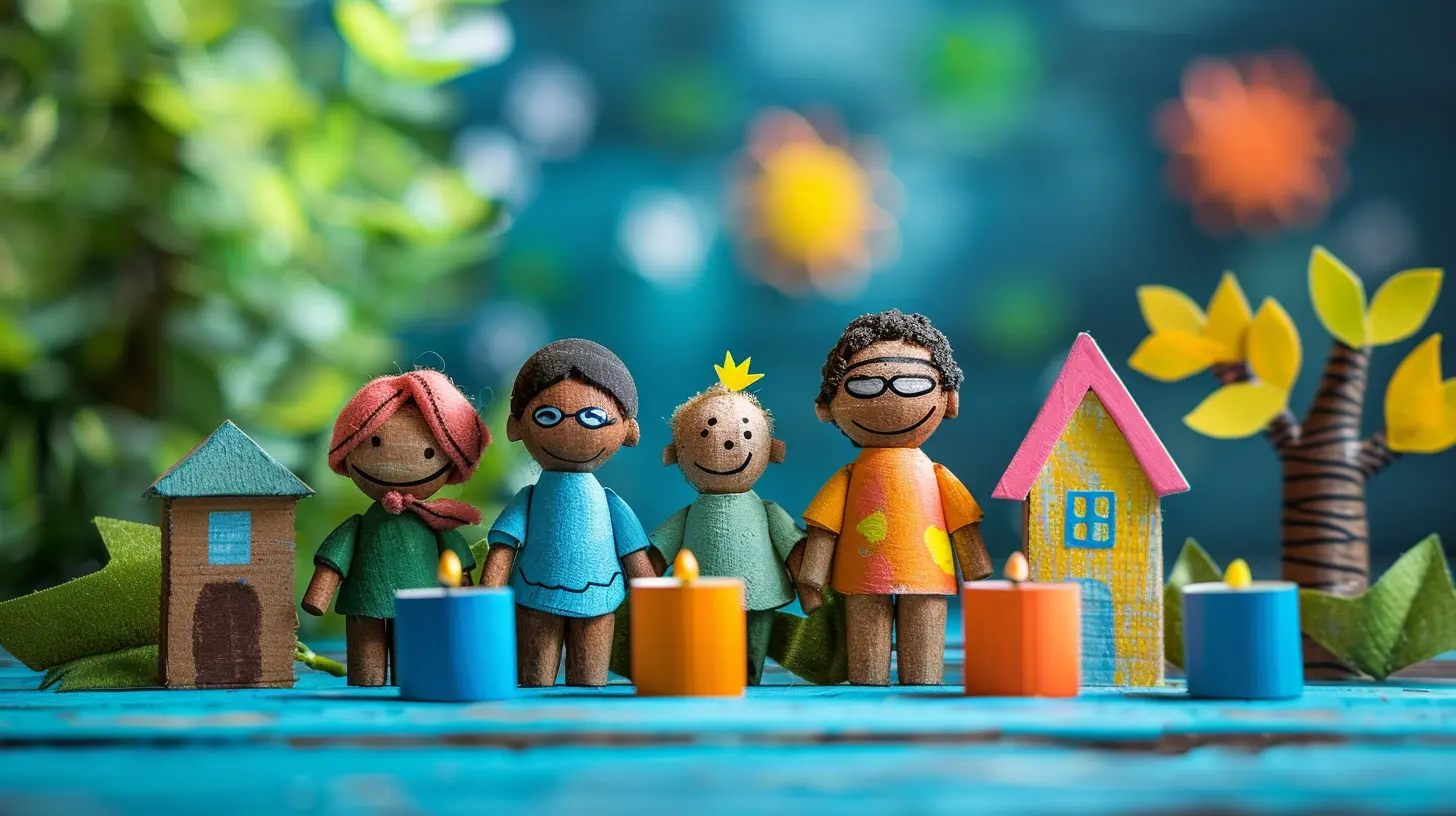
Challenges and Criticisms of Bilingual Education
Like any educational reform, bilingual education isn’t without its challenges. Some critics argue that:- It may slow down English acquisition or the dominant language transition.
- There’s a lack of qualified bilingual teachers.
- It requires additional funding, which not all schools can afford.
However, research overwhelmingly supports the long-term benefits of bilingual education. Rather than hindering students, it enhances their cognitive flexibility, improves academic performance, and strengthens communities.
As for funding? Investing in bilingual education now prevents economic and social disparities later. The cost of NOT supporting bilingual students is far greater—higher dropout rates, lower-paying jobs, and increased social inequality.
The Future of Bilingual Education and Social Justice
So, where do we go from here? For bilingual education to truly promote social justice, governments, educators, and communities need to work together. This means:- Increasing Funding – Schools need resources to implement strong bilingual programs.
- Training More Bilingual Teachers – The demand for qualified bilingual educators is growing.
- Implementing Inclusive Policies – Education laws must support bilingual programs rather than suppress them.
- Encouraging Parental and Community Involvement – Learning isn’t limited to classrooms; support at home and in communities is crucial.
The fight for social justice includes fighting for an inclusive education system—one that doesn’t marginalize students based on language.
Final Thoughts
Bilingual education isn’t just about learning another language—it’s about justice, inclusion, and equal opportunities for all students. It challenges outdated education models, empowers minority communities, and fosters understanding in an increasingly diverse world.Education should never be a privilege reserved only for those who speak the dominant language. Language should be a bridge, not a barrier. And as we move forward, promoting bilingual education isn’t just the right thing to do—it’s necessary for a fairer, more just society.
all images in this post were generated using AI tools
Category:
Bilingual EducationAuthor:

Monica O`Neal
Discussion
rate this article
1 comments
Murphy Vasquez
Bilingual education is crucial in fostering social justice as it not only acknowledges linguistic diversity but also empowers marginalized communities. However, the implementation must go beyond mere language teaching to address systemic inequities, ensuring that all students have equal opportunities to thrive in a multicultural society.
August 19, 2026 at 11:28 AM
Monica O`Neal
I appreciate your insights. Bilingual education indeed plays a vital role in promoting equity, but we must ensure that its implementation tackles broader systemic issues to create lasting change.