Bilingual Education and Its Role in Cognitive Flexibility
13 September 2026
Let’s face it—being able to understand more than one language is pretty impressive. But what if I told you that bilingual education does more than just help you say “hello” in two languages? It might actually rewire your brain to be sharper, more adaptable, and better at juggling multiple tasks. That’s where cognitive flexibility comes into play.
In this article, we're going to break down what bilingual education is all about, how it links to cognitive flexibility, and why that could really matter for kids (and adults) in today’s fast-paced, here-one-second-gone-the-next kind of world.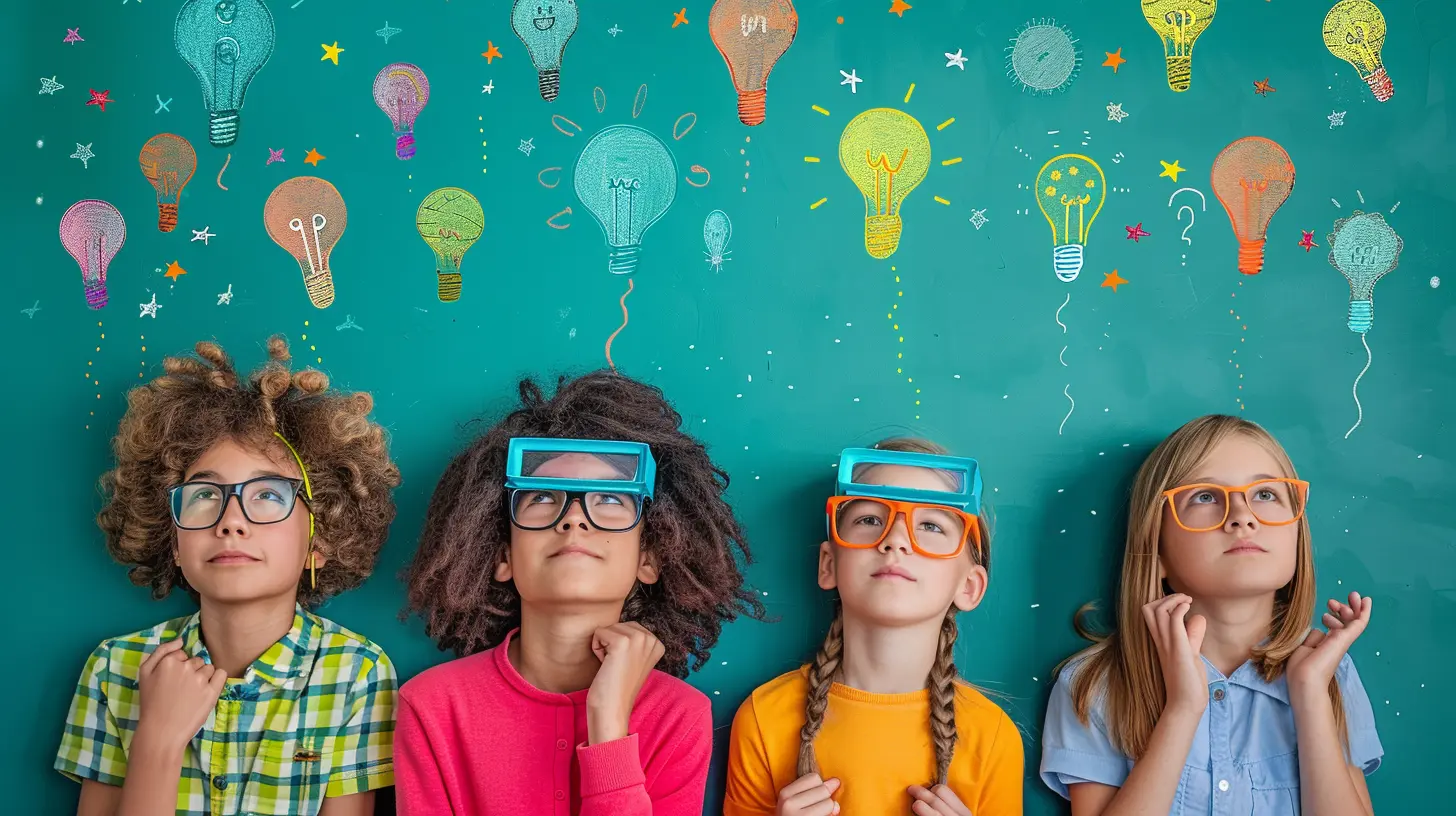
What Is Bilingual Education, Really?
Bilingual education is more than just taking a few Spanish or French classes in high school. It’s a method of teaching that uses two languages as the medium of instruction. This approach helps students become fluent in both languages while learning academic subjects like math, science, or social studies.There are different types of bilingual education programs, and they vary quite a bit:
- Transitional Bilingual Education: Focused on shifting students from their native language to the mainstream language.
- Dual-Language Immersion: Where native speakers of two languages learn together and learn from each other.
- Maintenance Bilingual Education: Designed to preserve and develop the students’ native language along with the second language.
But no matter the type, the goal is simple: nurture bilingual brains and make them stronger all around.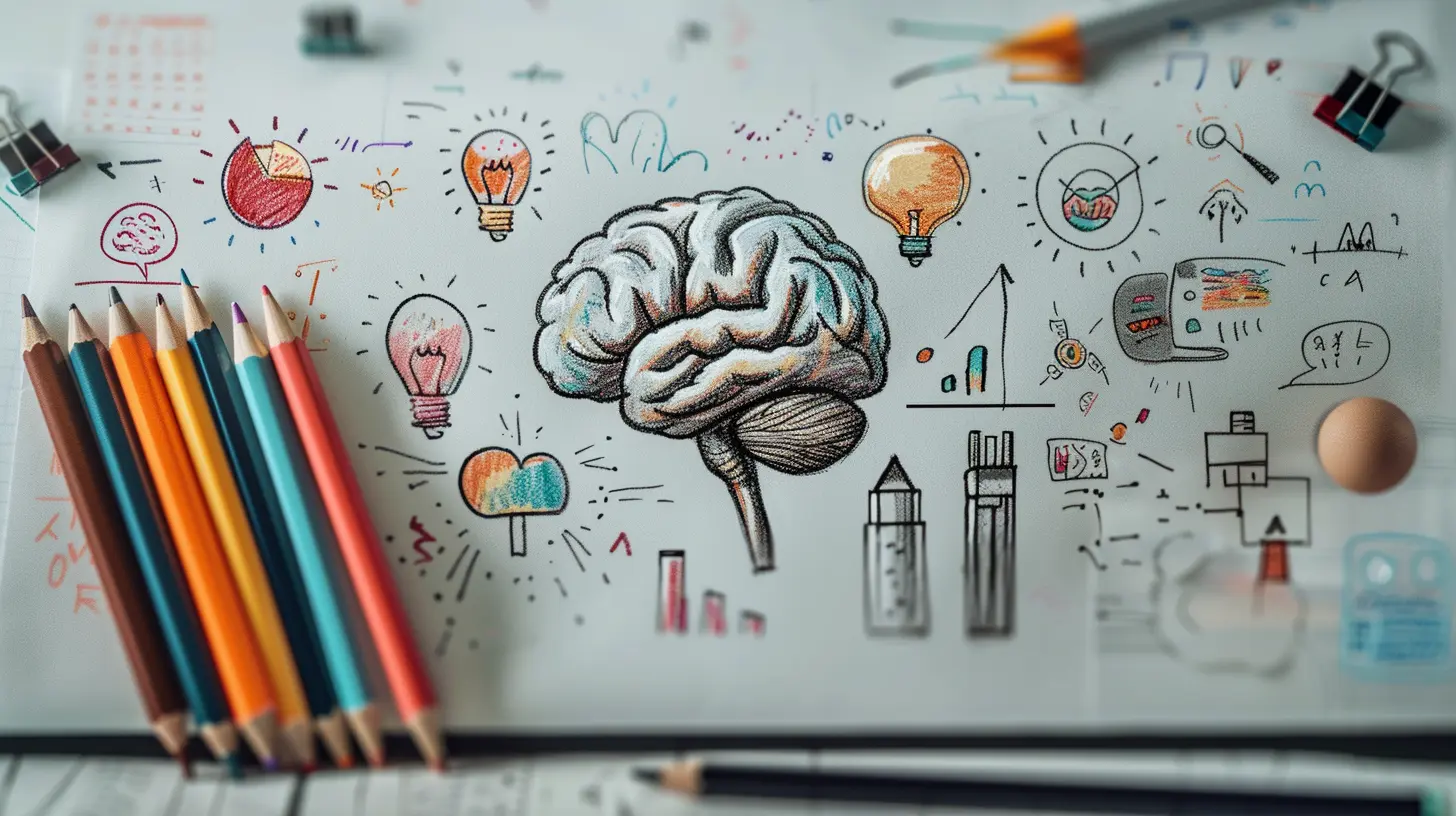
Cognitive Flexibility: It’s Brain Gymnastics
Okay, picture this—your mind is like a gymnast, flipping and twisting between ideas, adjusting to new situations, and solving problems on the fly. That’s cognitive flexibility in action.To break it down: cognitive flexibility is the brain’s ability to switch between thinking about two different concepts or to think about multiple concepts at once. It helps you adapt fast, like when the plan changes last minute, or you have to solve a problem from a totally new angle.
Pretty valuable skill, right?
The Connection: How Bilingual Education Boosts Cognitive Flexibility
Alright, here’s where things get interesting.1. Constant Language Switching Builds Mental Muscle
When you're bilingual, you often have to switch between languages depending on the situation. That’s a workout for your brain every time. It’s like doing mental sprints—and over time, this builds up your ability to shift focus and think flexibly.Studies even show that bilingual individuals perform better on tasks that require quick changes of attention or switching perspectives. Their brains are basically more “mentally agile.”
2. Inhibition Control: Saying “No” to the Wrong Word
Ever try to remember a word in another language but get one from your native tongue instead? Bilinguals often face that inner battle. So, their brains get really good at inhibition control—that is, resisting the wrong word and going with the right one.Why does that matter? Because it helps people make better decisions and avoid distractions. That’s cognitive flexibility in action—deciding quickly and effectively, even under pressure.
3. Improved Working Memory
Bilingual education has also been linked to stronger working memory. Think of working memory like your brain’s sticky note—it holds information temporarily so you can work with it.When kids are exposed to two languages through their schooling, they get better at juggling extra info in their minds. That means better learning, more efficient problem-solving, and quicker task-switching. Sounds like a win to me.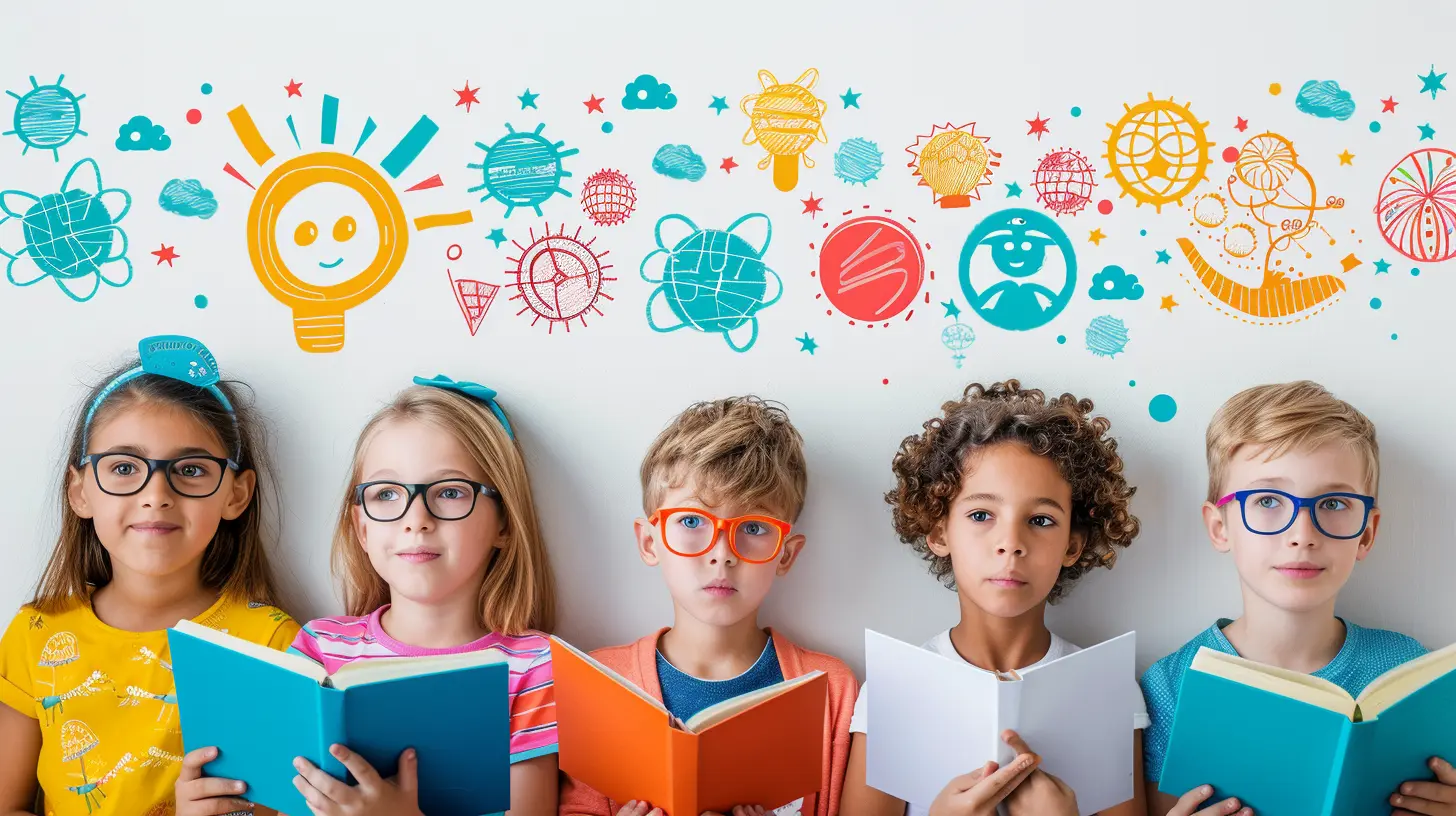
The Lifelong Benefits of Cognitive Flexibility
So, why should we care if bilingual education gives a boost to cognitive flexibility? Because it’s not just about doing better on spelling tests—it spills over into real-life advantages.1. Academic Achievement
Kids in bilingual education programs often outperform their monolingual peers in terms of academic performance. Why? Because they’re building brain skills that help across the board: better focus, improved memory, and quicker adaptation to new topics.2. Better Social Skills
Being bilingual isn't just unlocking cool vocabulary—it also helps students relate better to different people and cultures. When you can understand the language, you also tune in to different ways of thinking. That makes kids more empathetic and open-minded.Add cognitive flexibility into the mix, and now you’ve got someone who's great at seeing others’ perspectives. That’s social gold, especially in diverse classrooms and communities.
3. Career Advancements
Let’s talk long-term. Adults who grew up in bilingual education programs often have a leg up in the job market. They’re not only fluent in two languages—they’re also problem solvers, multitaskers, and quick thinkers. Employers eat that up.4. Delayed Cognitive Decline
Crazy but true: being bilingual might help delay the onset of dementia and Alzheimer’s. Studies have found that older bilingual adults show stronger cognitive functioning than monolingual seniors. It seems all those years of brain workouts really pay off.Addressing the Criticisms: Is Bilingual Education Always Better?
Hold up—this wouldn’t be a balanced look if we didn’t consider the other side of the argument. Not everyone is sold on bilingual education as a silver bullet.Some critics argue that:
- Initial delays in academic subjects can occur since students are splitting their focus between learning a language and learning content.
- Quality matters more than method. Poor implementation of bilingual programs can do more harm than good.
- There’s no “one size fits all”. Children vary widely in how they respond to language instruction based on factors like home environment, motivation, and exposure.
These are totally valid points. But many of these concerns are about execution, not the concept itself. In well-designed programs, these issues are often minor or temporary.
Bilingual vs. Monolingual: Not a Competition
Let’s clear something up. Promoting bilingual education doesn’t mean saying monolingual education is bad. It’s not about choosing sides—it's about understanding the added cognitive perks that can come from being exposed to two languages.Monolingual students can and do succeed all over the world. But bilingual education adds a layer of mental gymnastics that can help students develop extra tools to thrive in a complex, ever-changing world.
Let’s think of it like this: learning to play the piano doesn’t make you better than someone who doesn’t—it just gives you another way to express yourself and interact with the world. The same goes for bilingualism.
What Parents Should Know
If you’re a parent wondering whether to enroll your child in a bilingual education program, here are some things to consider:- Start early: Younger children pick up languages more naturally and easily.
- Stay consistent: Language learning is a marathon, not a sprint.
- Support at home: Reinforcing both languages at home can really boost results.
- Pick the right program: Do your research—some schools offer immersion, others transition programs. Choose one that matches your goals.
And remember, it’s not just about learning words—it’s about training the brain for flexibility, resilience, and success.
Final Thoughts: A Brain Designed for Change
In a world where change is the only constant—markets shift, tech evolves, and cultures blend—cognitive flexibility is more important than ever. Bilingual education helps prepare students not just to speak another language, but to think differently.It’s like giving someone not just a second voice, but a second lens through which to see the world. And that’s powerful.
So whether you’re a parent, educator, or just someone curious about how our brains work, one thing’s for sure: bilingual education isn’t just about vocabulary; it’s about building brains that can bend, flip, twist, and evolve. That’s cognitive flexibility—and it’s a game changer.
all images in this post were generated using AI tools
Category:
Bilingual EducationAuthor:

Monica O`Neal
Discussion
rate this article
2 comments
Azurael Lambert
Bilingual education fosters cognitive flexibility by encouraging diverse thinking patterns, enhancing problem-solving skills, and promoting cultural awareness, ultimately preparing students for a globalized world.
October 2, 2026 at 12:50 AM
Sofia Moses
Bilingual education not only enhances language skills but also fosters cognitive flexibility. By navigating between languages, students develop better problem-solving abilities and adaptability, equipping them for a diverse world where quick thinking is essential.
September 14, 2026 at 2:20 AM
Monica O`Neal
Absolutely. Bilingual education does more than teach languages; it shapes adaptable thinkers ready to tackle diverse challenges.