This School Was Priscilla Chan’s Bold Education Experiment. It Just Closed.
August 1, 2026 - 21:11
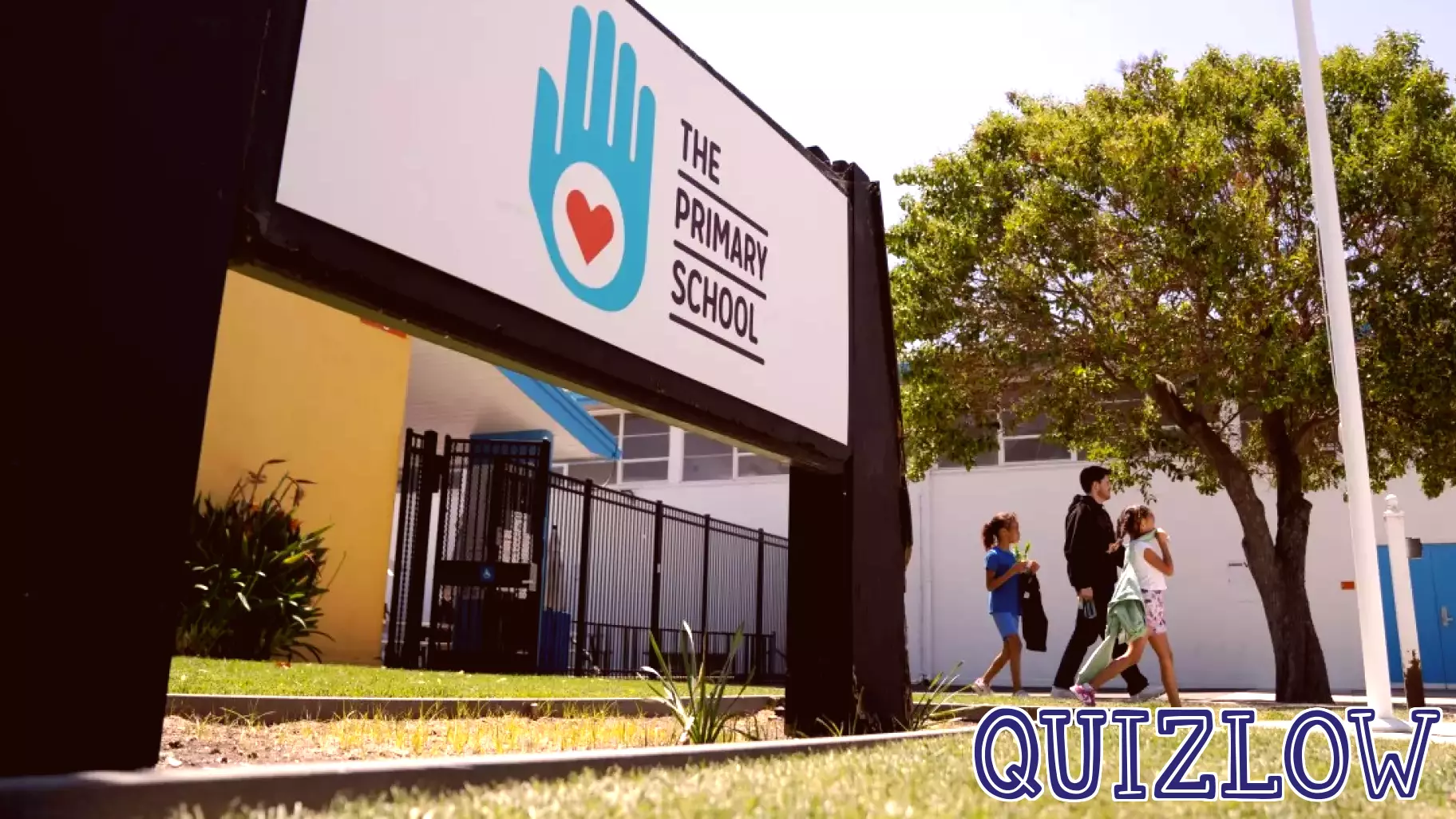
What was once hailed as a pioneering effort to reshape American education has quietly come to an end. The school, a signature project backed by Priscilla Chan and the Chan Zuckerberg Initiative, closed its doors in June after more than a decade of operation. Over that time, the venture received more than $125 million in funding, making it one of the most generously supported experiments in modern schooling.
The institution was designed to test a radical idea: that personalized, technology-driven learning could replace the traditional classroom model. Students worked at their own pace, with software tailoring lessons to their individual strengths and weaknesses. Teachers acted more as coaches than lecturers, and the curriculum emphasized real-world projects over standardized tests. For a time, it drew national attention and praise from education reformers who saw it as a blueprint for the future.
But the reality proved more complicated. Despite the money and enthusiasm, the school struggled with consistent enrollment and faced ongoing challenges in translating its model to a broader audience. Critics pointed to uneven academic outcomes and questioned whether the heavy reliance on screens truly served students' social and emotional needs. Supporters argued that the experiment was never meant to be a finished product, but rather a test bed for ideas that could influence public schools.
The closure marks a sobering moment for the Chan Zuckerberg Initiative, which has increasingly shifted its focus away from direct school operations and toward grants and partnerships with existing districts. In a statement, the organization said it remains committed to supporting educators and students, but acknowledged that the school's model was not sustainable in its current form.
For the families and staff who were part of the community, the shutdown is a loss. Many had moved across the country to join the project, believing in its mission. Now, they are left to wonder what will become of the lessons learned. Some of the school's tools and practices are already being used in other settings, but the grand vision of a new kind of school has, for now, faded. The experiment is over, but the questions it raised about how children learn best are far from settled.
MORE NEWS

September 15, 2026 - 23:40
Rider University Expands Vocational Training With New Grant InitiativeRider University has secured a new grant aimed at strengthening vocational college education on its campus. The funding supports a broader push to help students think about careers earlier and more...
September 15, 2026 - 02:33
UI launches Education Innovation HubThe University of Iowa has established a new Education Innovation Hub designed to test products, systems, and teaching methods aimed at solving problems facing schools and communities. The...
September 14, 2026 - 21:04
Richard Redner Honored for Commitment to Higher EducationRichard Redner, a mathematics professor at the University of Tulsa, has been recognized with the Higher Learning Commission`s 2026 Clutch Collaborator Award. This accolade celebrates his dedication...

September 14, 2026 - 01:31
Federal Probe Finds Berkeley Law Discriminates Based on RaceA federal investigation has determined that the University of California, Berkeley School of Law discriminates against white and Asian students in its admissions process. The findings mark a...