Jon Decker: Could Meta plan revolutionize education?
August 24, 2026 - 07:23
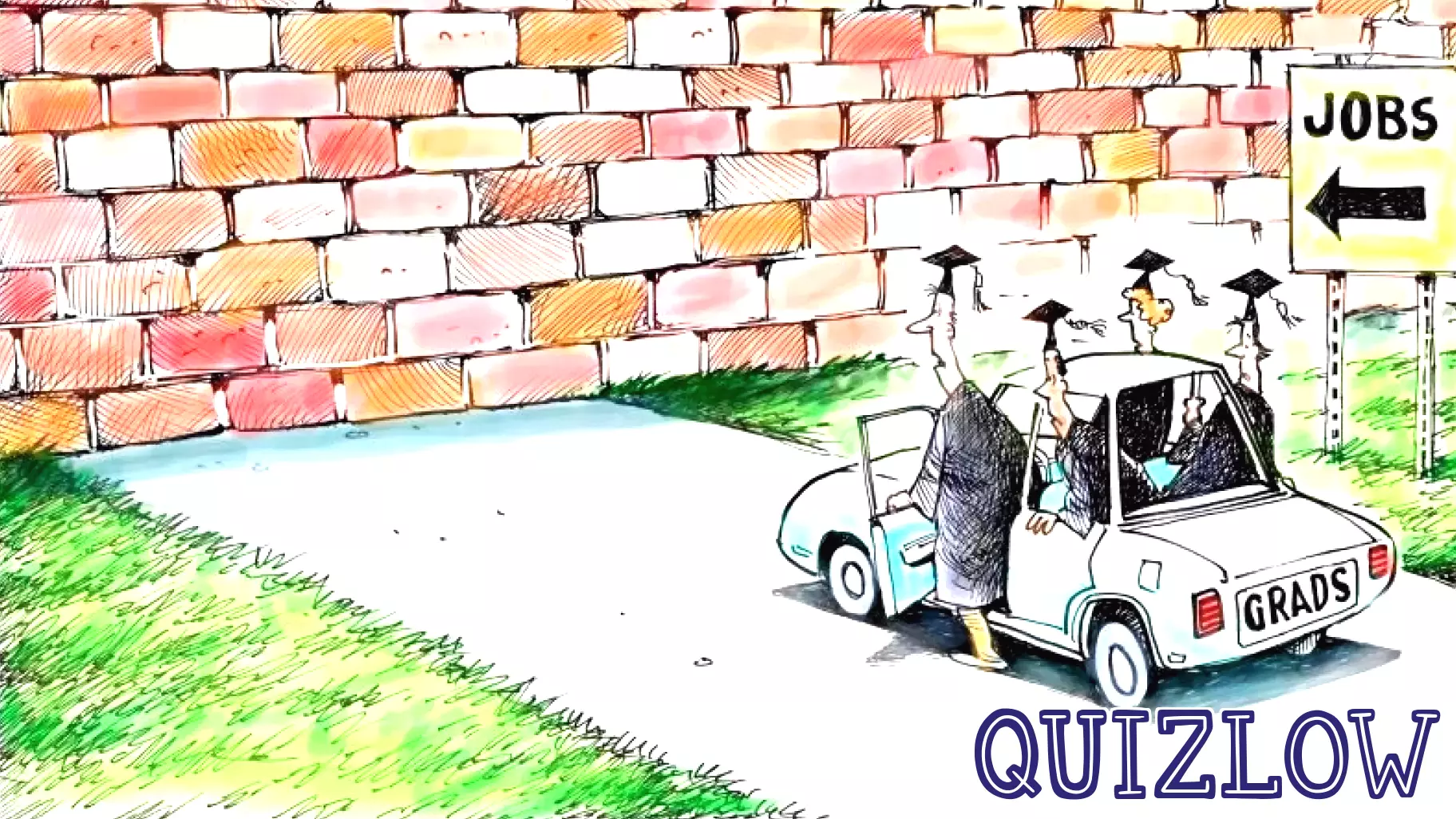
For decades, politicians have wrestled with America's $1.8 trillion student debt problem, offering everything from blanket loan cancellation to income-based repayment schemes. But a quieter, more structural shift may be coming from an unexpected corner: Meta's recent push into immersive learning tools. The question is no longer just about who pays for college, but whether the traditional college experience itself becomes obsolete.
Meta's plan, as floated in recent policy papers and pilot programs, centers on virtual reality classrooms where students can attend lectures, conduct lab experiments, or collaborate on projects without ever stepping onto a physical campus. The pitch is simple: if a high-quality engineering course costs $50,000 in tuition at a brick-and-mortar school, a VR version might cost $500. That would slash the need for massive loans, and for many, eliminate the debt trap entirely.
Skeptics are quick to point out the hurdles. VR headsets are still clunky, and the digital divide means low-income students may lack the hardware or broadband access to benefit. There is also the question of accreditation and whether employers will value a virtual degree the same way they value one from a named university. And critics worry that a push toward tech-driven learning could gut the social and networking aspects of campus life, which for many are just as valuable as the coursework.
Still, the idea has traction. Several community college systems have already tested VR welding and nursing simulations, reporting that students learn faster and retain more than with textbooks alone. If Meta can scale that success, the economics of higher education could flip. Instead of borrowing six figures for a four-year degree, a student might pay per module, learning at their own pace, and enter the workforce with skills that are actually current.
The real revolution would not be the technology itself, but what it does to the cost structure. Loan forgiveness is a political battle that never ends. A cheaper, credible alternative to the traditional degree could make the debt crisis a thing of the past, not by wiping out what is owed, but by making the next generation not need to borrow in the first place. That is the promise Meta is dangling, and it is worth watching whether lawmakers, universities, and students take the bait.
MORE NEWS

October 8, 2026 - 00:04
Virginia doubles ‘distinguished’ schools as state accountability results show major gainsVirginia has nearly doubled the number of schools earning its top accountability rating, with 44 percent of campuses now designated as distinguished. That marks a 21 percent jump in performance...

October 7, 2026 - 00:30
Connecticut Should Reject the Federal Scholarship Tax CreditThe U.S. Treasury has released guidance on Trump`s Federal Scholarship Tax Credit, and the picture it paints for public schools and students is bleak. The program, described by critics as the...
October 6, 2026 - 02:41
Jason Woods Takes on Undergraduate Recruitment Role at Maryville UniversityMaryville University has appointed Jason Woods as its new Associate Vice President for Undergraduate Recruitment. Woods steps into the position with a strong background in enrollment management and...

October 5, 2026 - 12:53
Tensions Rise in Liege as Student Protests Lead to Arrests and Weapon FindsProtests in the Belgian city of Liege continued this week as students marched against proposed changes to the national education system. Authorities reported ten arrests during the demonstrations,...