Why Multilingualism is the Future of Global Education
24 July 2026
Imagine walking into a classroom where students aren’t just learning facts—they’re learning to speak the world’s languages. Sounds powerful, right? That’s because it is. In a world that’s becoming more connected by the second, multilingualism isn’t just a "nice to have"—it’s a must-have skill for future generations.
Let’s dive deep into why multilingualism is shaking up the traditional education system and why it's set to become the backbone of global learning.
What Is Multilingualism, Anyway?
Before we go further, let's clear up one thing. Multilingualism simply means the ability to communicate in more than one language. It’s not just about fluency—it’s about understanding, adapting, and making connections across cultures. Whether it’s speaking English and Spanish or mixing Korean, French, and Arabic, multilingualism is linguistic dexterity in action.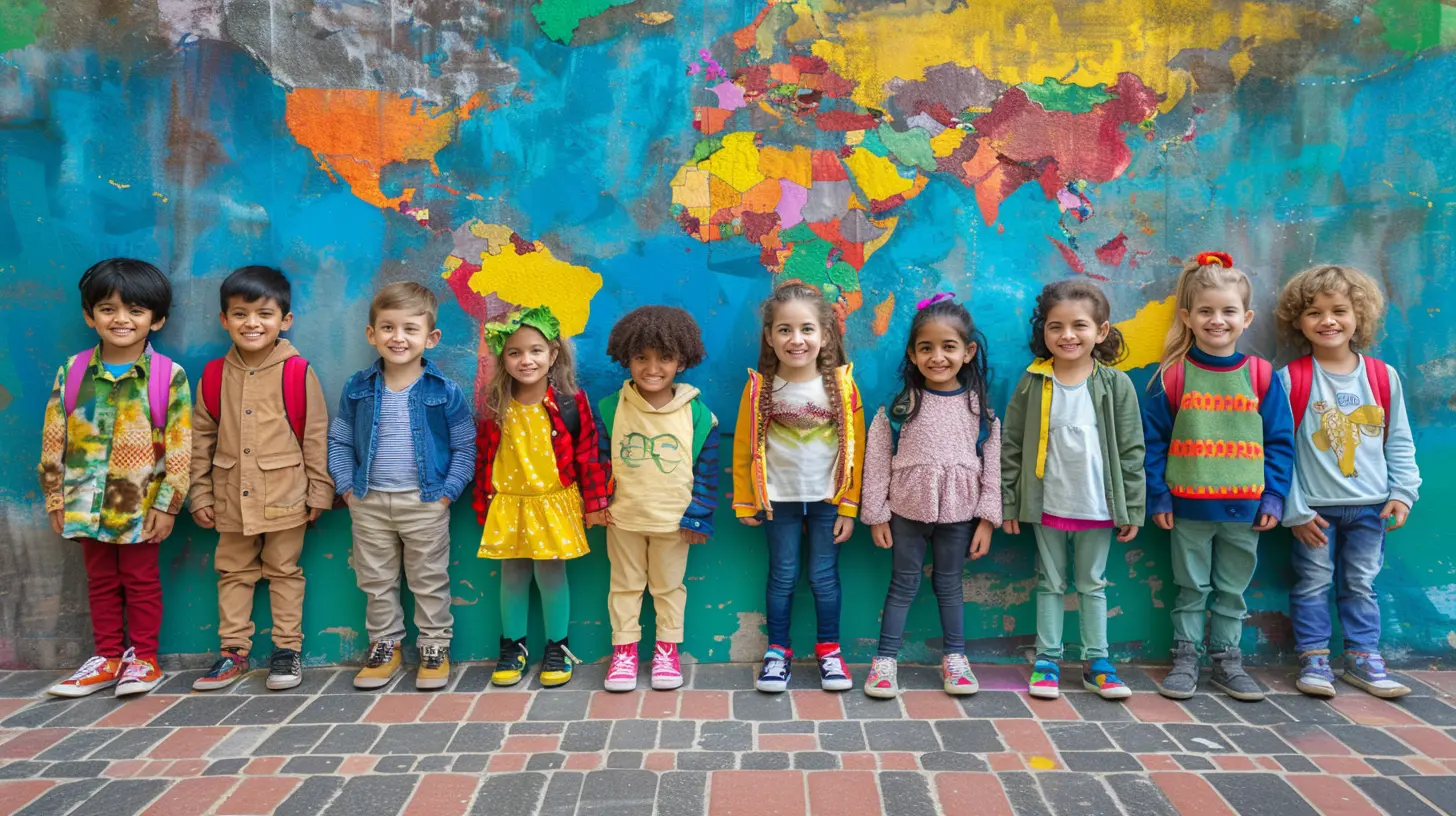
Why the Fuss About Multilingualism?
So, why is everyone from school teachers to education ministers talking about multilingualism like it’s the secret sauce to success?Because the World Is Shrinking
Nope, the earth isn’t physically getting smaller, but technology is making distances feel irrelevant. A kid in rural India can chat with someone in Brazil over Instagram. Businesses are hiring talent from anywhere in the world.If we're that connected, shouldn't our education systems reflect that? Languages are the bridges that connect us, and multilingualism teaches students how to build and cross those bridges with ease.
It's More Than Just Language — It’s Culture
Learning a new language doesn’t stop at vocabulary and grammar. You start to understand how other people think, what they value, and how they express themselves. In short, you step into someone else’s shoes—and that's a powerful tool in a world that desperately needs empathy.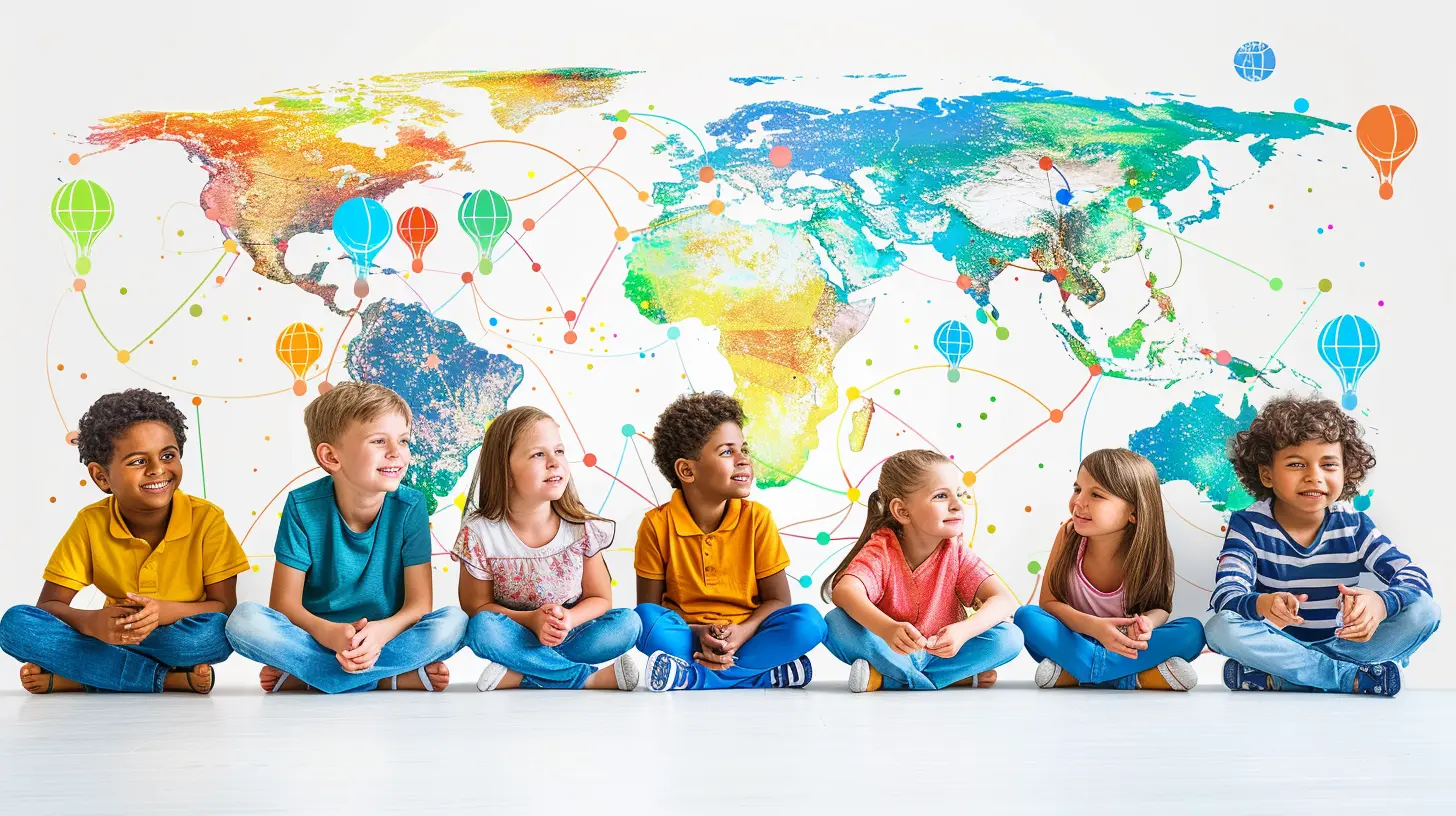
Global Job Market Is Screaming for Multilinguals
Let’s be real—education isn’t just about learning for learning’s sake. It's also preparation for the real world. And guess what?Employers Want Multilingual Employees
Companies are going global. Whether it’s marketing, customer support, or tech, speaking more than one language gives you a competitive edge.Think about it: If you're hiring someone for a global company, would you pick the one who speaks one language or someone who can effortlessly bounce between three?
Higher Salaries and More Opportunities
It's simple supply and demand. Multilingual professionals are in demand, and that drives up their value. Studies have even shown that bilingual or multilingual professionals can earn more over their lifetimes than their monolingual peers.So yes, speaking multiple languages could literally pay off.
Brain Gains: The Cognitive Perks of Multilingualism
Looking for a brain workout? Learn another language.Boosts Brain Function
Learning and using multiple languages strengthens memory, improves attention, and sharpens problem-solving skills. Multilingual students often show higher academic performance—not just in language arts but in STEM subjects too.Delays Cognitive Decline
Here’s a wild one: being multilingual can delay the onset of Alzheimer’s and other forms of dementia. That’s right—languages can help keep that brain of yours fresh and youthful for longer.Education Systems Are Catching On
The shift is already happening.Schools Are Going Multilingual
From dual-language immersion programs to schools offering Mandarin, French, or Arabic as part of their core curriculum, multilingualism is gaining serious traction.In Europe, it’s not uncommon for students to speak three or more languages by the time they graduate. Other parts of the world are catching up fast.
Online Learning Has Opened the Floodgates
Thanks to platforms like Duolingo, Babbel, or even YouTube, learning a new language is more accessible than ever. Students can now learn from native speakers, watch foreign films, or join conversation clubs—all from their phones.Education has officially gone global, and multilingualism is leading the charge.
It Promotes Inclusivity
Let’s pause for a second and think about the social benefits of multilingualism.Breaking Language Barriers
Multilingual education doesn't just benefit "elite" students. In fact, it’s a lifeline for immigrant and refugee students. It honors their native languages while helping them integrate.When schools embrace multiple languages, they say, “You belong here.” And let’s be honest—everyone needs to feel seen and heard, especially kids.
Fostering Global Citizens
By encouraging students to speak multiple languages, we’re also telling them to respect diverse cultures, viewpoints, and traditions. That’s how we raise empathetic, open-minded global citizens.Multilingualism Offers Flexibility in Thinking
You know what’s cool about thinking in multiple languages? It trains your brain to see problems from different angles.Better Decision-Making
Studies have shown that people who think in a second language often make more rational and less emotionally-biased decisions. That’s a game-changer in areas like business, diplomacy, and science.Enhances Creativity
Multilingual individuals are constantly code-switching, translating, and adapting. That mental juggling? It boosts creativity like nothing else.Multilingualism in the Age of AI and Global Technology
Okay, let’s talk tech.Machines Can Translate—But Should They Lead the Conversation?
Sure, Google Translate is helpful. But AI translations lack nuance, tone, and emotion. They can't understand cultural references or sarcasm. Humans can. So, multilingual humans aren’t becoming obsolete—they’re becoming essential.The Future of Work Is Multilingual AND Multicultural
The jobs of tomorrow won’t just need coders or engineers—they’ll need people who can connect across borders, understand cultural subtleties, and collaborate with global teams. That’s where multilingualism becomes the MVP.The Challenges... and the Opportunities
Let’s not paint everything in fairy dust. There are challenges to implementing multilingual education.What Holds Us Back?
- Lack of trained language teachers- Resistance from traditional education systems
- Limited resources in underfunded schools
But here’s the thing: every challenge is also an opportunity.
What Can We Do?
- Invest in teacher training for multilingual programs- Use technology to close resource gaps
- Rethink rigid curriculums and promote language flexibility
When we prioritize multilingualism, we ignite curiosity, build global awareness, and prepare students for the future they’ll actually live in.
So, What’s Next?
You’ve read all the reasons. You’ve seen the benefits. Now what?Whether you’re a parent, a teacher, a student, or just someone curious about the future of education, it's time to embrace multilingualism as a superpower.
Let’s stop treating language learning as an extracurricular, and start treating it as essential education.
Because in a world that’s constantly shifting, the ability to communicate across borders is the ultimate passport.
Final Thoughts
Multilingualism isn’t just a trend—it’s a movement. And it’s reshaping the way we teach, learn, and connect. As we look to the future, one thing is certain: The students who speak multiple languages won’t just get by—they’ll thrive.So, whether you're teaching a kindergartner their first foreign word or learning one yourself, just remember: Every new language learned is another door opened to the world.
The future of global education? It speaks more than one language—and it’s waiting for you to join the conversation.
all images in this post were generated using AI tools
Category:
Bilingual EducationAuthor:

Monica O`Neal
Discussion
rate this article
1 comments
Xander McPhee
This article beautifully captures the importance of multilingualism in education. Embracing diverse languages opens doors to new cultures and ideas, enriching the learning experience for everyone.
August 2, 2026 at 3:49 AM
Monica O`Neal
Thank you! I'm glad you found the article insightful. Multilingualism truly enhances our understanding of the world.