Using Data to Monitor Progress in Special Education
18 February 2026
Let’s be honest: when someone throws around words like “data” and “monitoring,” most of us either picture a scientist in a lab coat looking at blinking lights or a security guard watching 20 CCTV screens while sipping cold coffee. But in the world of special education, data isn’t just for statisticians or surveillance junkies—it’s a magical tool that can help educators track the incredible progress of students with unique learning needs.
Imagine if every small success had a spotlight on it—like a standing ovation after a student pronounces a tricky word or finally cracks the mystery of multiplication. That’s what using data in special education feels like when it's done right. Ready to dive in and figure out how data can be your secret weapon? Let’s roll!
🎯 What Even Is “Data” in Special Ed Anyway?
Picture this: Little Johnny, a student with a learning disability, has been working on improving his reading fluency. He reads a passage every week. If we jot down how many words he reads correctly per minute each time—bam! That’s data.Data in special education comes in many flavors:
- Quantitative Data (the number stuff): How many words read, questions answered, or steps completed.
- Qualitative Data (the descriptive stuff): Observations like “Johnny grinned after finishing the paragraph” or “Sally used finger-pointing to track words.”
It’s like having a map on a road trip—you could wing it, sure, but it’s way more efficient (and less panic-inducing) when you know exactly where you’re going.
📊 Why Use Data? Isn’t Teaching Hard Enough?
Great question. Yes, teaching is already like juggling flaming swords while riding a unicycle during a windstorm. But using data isn’t about adding more to your plate—it’s about serving smarter, not harder.Here’s why data is your trusty sidekick:
1. Personalizes Instruction
Every student learns differently, especially in special education. Data gives you a behind-the-scenes look into how each student learns best. It’s like putting on night vision goggles during a blackout. Suddenly, you can see what works, what doesn’t, and what’s just noise.2. Tracks Progress Like a FitBit for Learning
You know how fitness apps cheer you on when you take more steps? Imagine that, but for learning goals. Data lets you see real growth over time, even if it’s just baby steps.3. Supports IEP Goals
Remember those Individualized Education Programs (IEPs)? They aren’t just fancy paperwork. Data helps measure a student’s progress toward meeting those IEP goals. No guesswork, no “I think he's doing better?” vibes—just cold, hard facts.4. Keeps Everyone Accountable
Teachers, parents, specialists—data keeps the whole team on the same page. It’s like a family group chat, but with fewer memes and more actionable insight.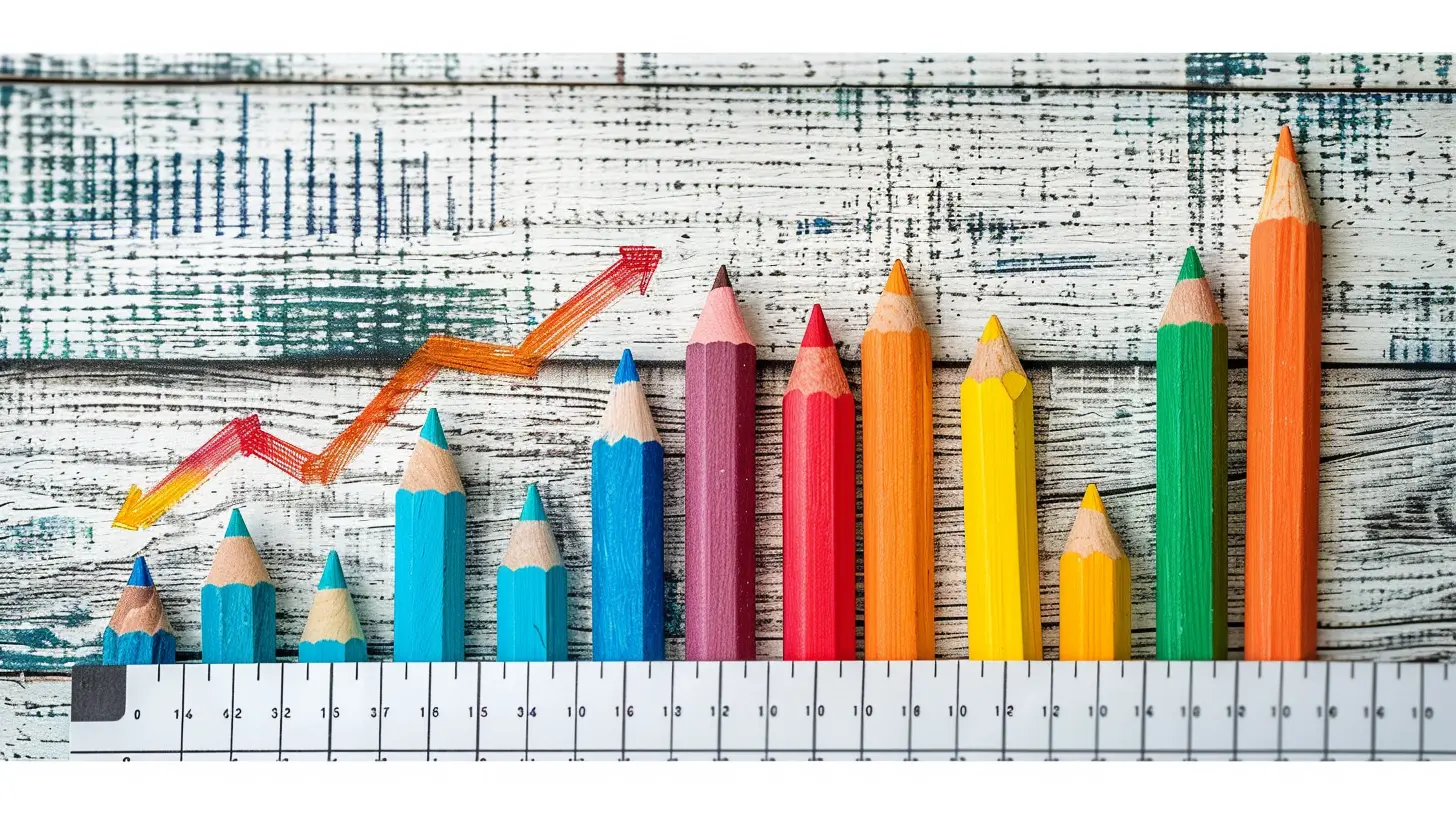
🧠 Types of Data You Can Collect Without Losing Your Mind
Not all data is created equal. Let’s talk about the types of data that can help without sending you diving under your desk.🔢 Frequency Data
“How often does Tim raise his hand without yelling ‘HEY TEACHER!’?”Useful for tracking behaviors or skills that happen repeatedly. Just tally it up—easy peasy.
🕒 Duration Data
“How long can Mia focus on a task before she tries to staple her hair?”Track the time a behavior or task lasts. Great for attention spans, tantrums, or engagement. (And no, you don’t need a stopwatch. Your phone works fine.)
📈 Permanent Product Data
Did the student complete the assignment? Create a drawing? Solve a math problem? Snap a photo or grab the worksheet—that’s your data!🧪 Anecdotal Records
Short blurbs of what you observe. Think of these as bite-sized diary entries: “Zane used his visual schedule independently today!” Cue the confetti.
🧰 Tools of the Trade: How to Collect Data Without Going Bananas
You don’t need a PhD in statistics or a flowchart tattoo to start collecting data. In fact, there are plenty of tools (both old-school and tech-savvy) to make it a breeze.📝 Manual Methods
- Checklists- Behavior charts
- Sticky notes with scribbles (yes, those count!)
💻 Digital Tools
- Google Forms: Simple, customizable, and free.- ClassDojo: Great for tracking behavior with fun avatars.
- SPED-specific software: Tools like IEPWriter, Goalbook, or Educlimber offer more robust data-tracking options.
Think of it like choosing between writing a poem by candlelight or typing it out on a laptop. Both work—it just depends on your vibe.
🏗️ Building a Data-Friendly Routine (Without Burning Out)
Okay, here comes the part where most people cringe—'How do I fit all this data stuff into my already insane schedule?'Breathe. You’re not adding another full-time job. We're talking a few streamlined tweaks, like:
✅ Start Small
Track one behavior or goal for one student. That’s it. Just dip your toes before cannonballing into the deep end.☕ Make It a Habit
Dedicate five minutes at the end of the day to jot down notes or record data. Make it a ritual, like your end-of-day coffee (you know the one).🤝 Share the Load
Paras, therapists, and even older students can help record data. It doesn’t all fall on your shoulders. Tag team it!🧙♀️ Data-Driven Magic: Using Your Findings to Make Change
Okay, so you’ve got a bunch of data. Now what? Roll around in it like a dragon hoarding treasure? Nah.🎯 Adjust Instruction
If a student’s reading fluency skyrockets when you use visual aids, well, guess what you need more of? That’s right—visuals, visuals, visuals!✂️ Tweak IEP Goals
Sometimes goals are too easy (and students get bored), and sometimes they’re way out of reach. Data tells you when to modify them so they hit that Goldilocks spot—not too hard, not too easy.📣 Communicate Success
Raise your hand if you’ve ever sat in an IEP meeting hoping you remember exactly how the student has progressed. With data, you’ve got proof. And not just for the team—but to show students themselves how far they’ve come. Motivation? Check.🧩 Let’s Talk Challenges – Because It’s Not All Sunshine and Graphs
Listen, nothing this effective comes without hiccups. Here are the common potholes on the road to data bliss—and how to hurdle over them like a boss.😵💫 Data Overload
Too many spreadsheets can make you feel like a hamster on a wheel. Combat this by prioritizing critical goals and behaviors. Don’t track everything. Track what matters most.🤔 Subjectivity Creep
Try to keep things consistent. If “on-task behavior” means something different each time you track it, your data turns into mush. Define your terms clearly.⏰ Time Crunch
Who has time to write a novel on every student? Keep it short and sweet. Use codes, symbols, or quick notes. This isn’t a Shakespearean script—it’s a data log.🌈 Celebrating Wins, Big and Small
At the end of the day, using data in special education is all about seeing your students in high definition. It’s about noticing the “aha!” moments you might miss otherwise. Remember that time Jamie finally zipped his own backpack after weeks of trying? That’s data too, my friend.Progress in special education doesn’t always follow a straight path. It zigs, it zags, sometimes it moonwalks backward—but with the right data, you’re never truly lost. You’ve got a compass. You’ve got a map. And most importantly, you’ve got the magic to turn numbers into meaningful change.
🧁 Final Thoughts: Data Can Be Delightful (Yes, Really!)
We get it—data can sound dry, like eating unbuttered popcorn. But once you actually start using it, especially in special education, it becomes more like a multi-layer cake. Each layer tells a story: where the student started, how they grew, and where they’re going next.So go ahead, embrace your inner data nerd. Or at least stop running from the spreadsheets. Whether you're tracking tantrums or test scores, you're not just collecting numbers—you’re painting a picture of progress. And that, my friends, is worth its weight in gold stars.
all images in this post were generated using AI tools
Category:
Special EducationAuthor:

Monica O`Neal
Discussion
rate this article
2 comments
Aaron Benson
This article effectively highlights the importance of data-driven strategies in monitoring progress for students in special education. By leveraging assessments and analytics, educators can tailor interventions and support, ensuring that each student's unique needs are met. Such approaches foster accountability, enhance learning outcomes, and empower both students and teachers.
March 24, 2026 at 3:45 AM
Monica O`Neal
Thank you for your insightful comment! I'm glad you found the article emphasizes the crucial role of data in supporting student progress in special education.
Lys McTavish
This article highlights the critical role of data in tracking student progress in special education. By utilizing data-driven insights, educators can tailor interventions effectively, ensuring personalized support and promoting meaningful growth for each student.
February 19, 2026 at 4:23 AM
Monica O`Neal
Thank you for highlighting the importance of data in special education! Tailoring interventions based on insights is essential for fostering individual growth and success.