Understanding the Link Between Physical Activity and Cognitive Function
23 May 2026
Have you ever noticed how a quick workout leaves you feeling refreshed, energized, and even mentally sharper? It’s not just in your head—there’s solid science behind it! Physical activity and cognitive function are deeply connected. Moving your body doesn’t just help you stay fit; it also boosts brainpower, enhances memory, and improves overall mental clarity.
But how exactly does that work? Let’s break it down in simple terms.

How Physical Activity Affects the Brain
Your brain is like a high-powered engine, and exercise is the premium fuel that keeps it running efficiently. When you engage in physical activities like walking, jogging, or even dancing, several things happen inside your brain.1. Increased Blood Flow and Oxygen Supply
Exercise pumps more blood to your brain, delivering oxygen and vital nutrients. Think of it like watering a plant—give it the right nutrients, and it thrives. More oxygen means improved brain function and better focus.2. Release of Brain-Boosting Chemicals
Ever heard of endorphins? These “feel-good” chemicals flood your brain during exercise, acting as natural mood boosters. But that’s not all—exercise also increases the production of brain-derived neurotrophic factor (BDNF), a protein that helps grow new brain cells and strengthen existing ones.3. Reduced Stress and Anxiety
Stress is one of the biggest enemies of brain function. When you’re stressed, your body releases cortisol, which can damage brain cells over time. Physical activity helps keep cortisol levels in check, which in turn protects your cognitive abilities.4. Enhanced Neuroplasticity
Your brain has an incredible ability to adapt and rewire itself—this is called neuroplasticity. Exercise boosts this process, making it easier to learn new things, improve memory, and develop problem-solving skills.
The Connection Between Exercise and Memory
Have you ever studied for an exam, gone for a run, and suddenly remembered everything more clearly? That’s no coincidence! Exercise directly impacts memory formation in several ways.1. Strengthens the Hippocampus
The hippocampus is the part of the brain responsible for memory and learning. Studies show that regular physical activity enhances hippocampal function and even increases its size. This means better memory retention and recall.2. Improves Focus and Concentration
Exercise helps sharpen focus by increasing dopamine and norepinephrine levels in the brain. These neurotransmitters play a crucial role in attention and cognitive processing, making it easier to concentrate on tasks.3. Reduces Cognitive Decline
As we age, cognitive function naturally declines. However, staying active can slow down this process. Regular exercise has been linked to a lower risk of Alzheimer’s and dementia by keeping brain cells healthy and active.
Best Types of Exercise for a Sharper Mind
Not all exercises provide the same brain-boosting benefits. Some activities are particularly effective at enhancing cognitive function.1. Aerobic Exercise
Running, swimming, cycling—these are all great examples of aerobic exercise. These workouts get your heart pumping, increasing blood flow to the brain and promoting mental sharpness.2. Strength Training
Lifting weights isn’t just for bodybuilders! Strength training has been found to improve brain function by stimulating the release of BDNF and reducing inflammation in the brain.3. Yoga and Meditation
Mind-body exercises like yoga and meditation help reduce stress while also improving focus, memory, and mental clarity. These activities are especially beneficial for people dealing with anxiety or high levels of stress.4. Dancing
Dancing combines movement with coordination, memory, and creativity. It strengthens neural connections in the brain, improving both cognitive and motor skills. Plus, it’s fun!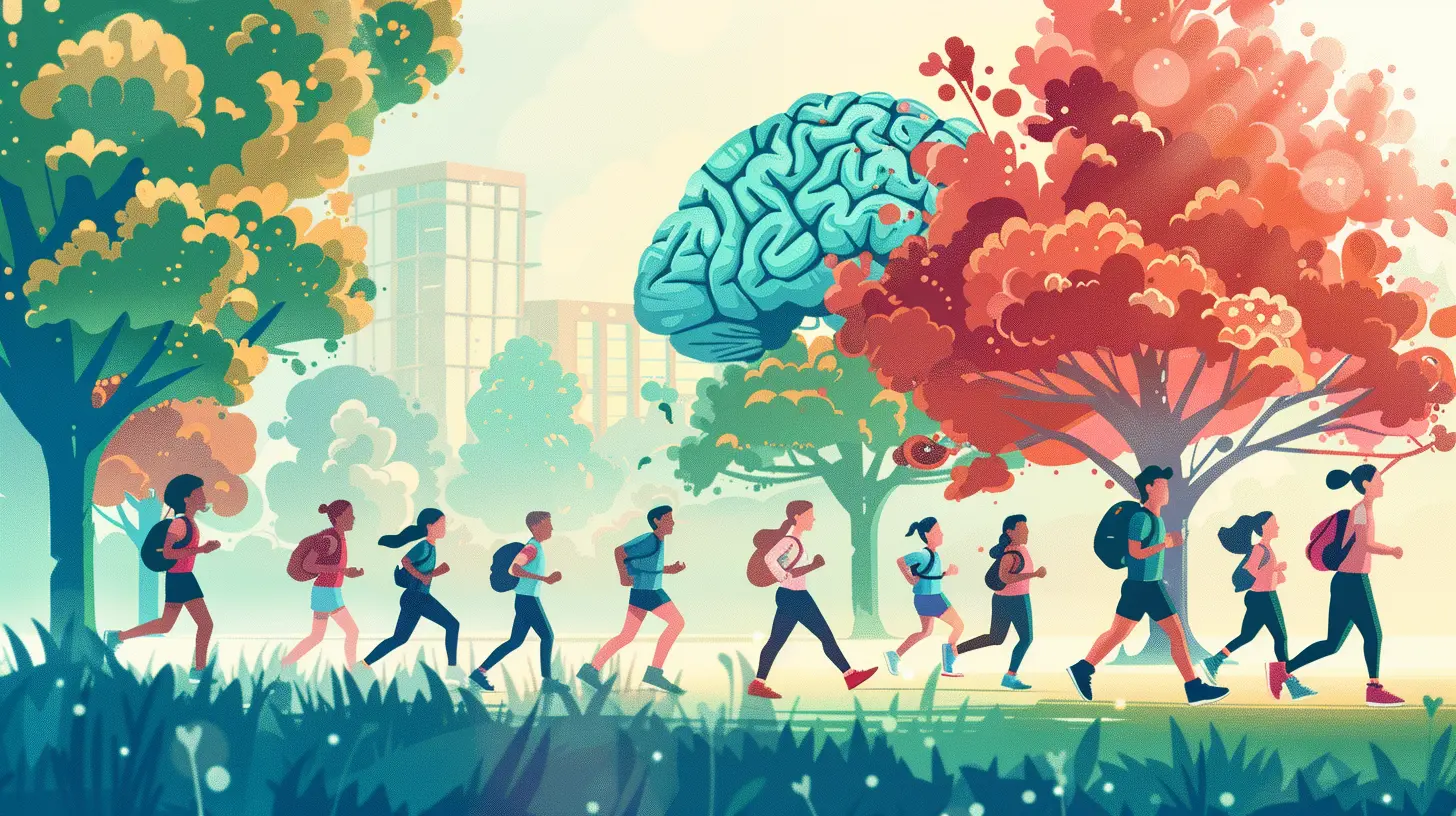
How to Incorporate Exercise into Your Daily Life
You don’t have to spend hours in the gym to reap the cognitive benefits of exercise. The key is consistency. Here are some easy ways to get moving:- Take short walks during your breaks.
- Opt for the stairs instead of the elevator.
- Try a 10-minute home workout in the morning.
- Join a dance or yoga class for a fun way to stay active.
- Engage in outdoor activities like hiking or playing a sport.
Even small movements add up over time. The important thing is to stay consistent and find activities you enjoy.
The Bottom Line
Exercise isn’t just about physical health—it’s one of the most powerful ways to boost brain function. Whether it’s improving memory, enhancing focus, or reducing stress, staying active plays a crucial role in keeping your mind sharp.So the next time you're feeling mentally sluggish, skip the extra cup of coffee and try a quick workout instead. Your brain will thank you!
all images in this post were generated using AI tools
Category:
Physical EducationAuthor:

Monica O`Neal
Discussion
rate this article
1 comments
Sloane McCray
This article highlights an important connection. Staying active not only boosts our bodies but also sharpens our minds... great read!
May 28, 2026 at 3:40 AM
Monica O`Neal
Thank you! I'm glad you found the connection valuable. Staying active truly makes a difference in both body and mind.