The Role of Education Policy in Combatting Chronic Absenteeism
19 August 2026
Let’s face it — schools aren't always students' favorite place to be. It's not because they don't like to learn (okay, maybe some don’t), but life gets messy. Alarm clocks mysteriously stop working, stomach bugs show up uninvited, and sometimes, the couch just looks way too comfortable. But when skipping school becomes more of a habit than an exception, we enter dangerous territory: chronic absenteeism.
Now, grabbing a day off here and there is one thing. Chronic absenteeism? That's when a student misses 10% or more of the school year — we're talking 18 days or more. That’s nearly a whole month gone. Vanished. Poof! And in the world of education, that’s a disaster waiting to happen.
So, what’s being done about it? Here’s where the big guns come in — education policy. Yep, those rules and guidelines that sound kinda boring but secretly hold a ton of power (like a librarian with nunchucks). Let’s break down how these policies play a starring role in getting butts back in seats.
First Things First: What Is Chronic Absenteeism?
Before we dive into the nitty-gritty of education policy, let's get on the same page. Chronic absenteeism isn’t just about ditching class to binge-watch Netflix or sneak in a quick nap. It’s a red flag that a student might be struggling — academically, emotionally, or otherwise.Here's the twist: it’s not always about laziness. Sometimes it’s about transportation issues, chronic illness, family responsibilities, or even bullying. Absenteeism can be a symptom of larger issues, and policies need to tackle root causes, not just the outcome.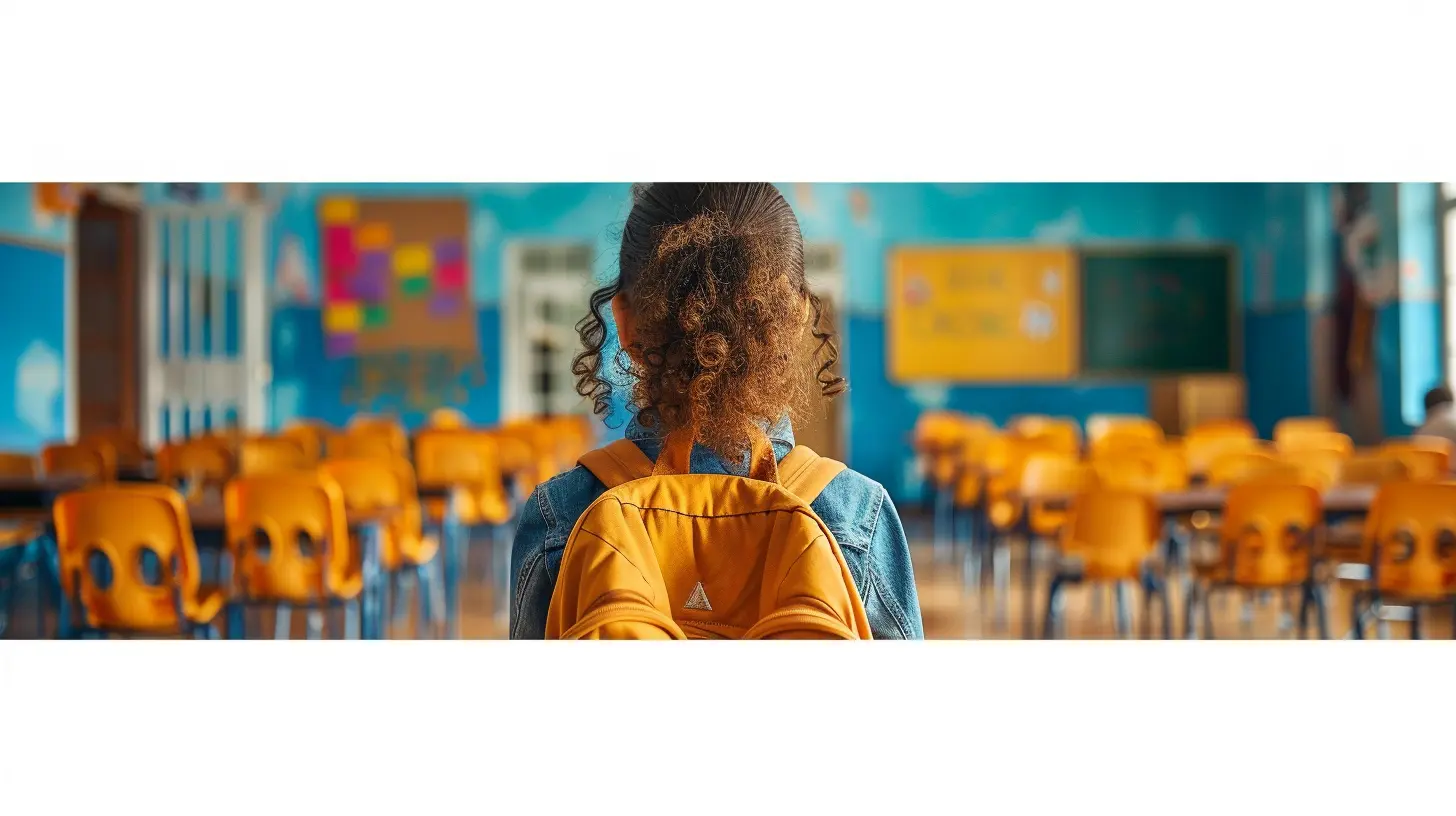
Why Chronic Absenteeism Is a Big, Hairy Deal
You might be thinking, “Okay, so a kid misses a few days — big whoop.” But this thing snowballs fast. Chronic absenteeism is one of the sneakiest predictors of academic failure, dropping out, and long-term impacts like lower income and higher chances of run-ins with the law.It’s like trying to bake a cake and forgetting to add flour — you’re just not going to get the results you want. And when a classroom has multiple chronically absent students, guess what? The entire vibe and learning progress takes a hit. Teachers spend more time catching kids up, and less time moving the lesson forward.
So, How Do Education Policies Fit Into All This?
Alright, here's where it gets juicy. An education policy isn’t just some dusty document hanging out in a superintendent’s office. It’s a strategy - think of it as the blueprint for how educators, schools, and districts respond to absenteeism.Education policies affect:
- How data on absences is collected and analyzed
- How schools identify at-risk students
- The kind of interventions schools use
- What resources are allocated to families
- Whether attendance is tied to funding or evaluations
In other words, policy is the behind-the-scenes wizard pulling the levers to keep students showing up.
The Power of Prevention: Policies That Work Ahead of the Problem
Wouldn’t it be better if we tackled absenteeism before it became chronic? Good policies think long-term. They’re proactive rather than reactive.Early Warning Systems: Like a Smoke Detector for Education
Some school districts are implementing Early Warning Systems (EWS). These systems track attendance, behavior, and grades to spot patterns that could indicate a kid is on the verge of going AWOL — school-wise.Policies that support EWS make sure schools have the tech, training, and capacity to respond in real-time. Imagine getting a text that says, “Hey! Your student missed two math classes this week. Everything okay?” — human touch + technology = magic.
Incentives and Rewards: Because Who Doesn’t Love Free Pizza?
Policies that allow for attendance-based incentives can be surprisingly effective. Perfect attendance? Boom, you’re getting a shoutout, maybe a certificate or even — if your school’s budget is feeling fancy — a pizza party.Now, we’re not saying pizza solves everything (though it does fix most things), but small incentives can turn attendance into a goal instead of a grind.
Intervention, Not Punishment: Time for a Policy Glow-Up
Once upon a time, the go-to response to absenteeism was... punishment. Detention, suspensions, even legal action against parents. Yikes. Turns out, that doesn’t really work and can actually make matters worse.Restorative Justice Approaches
Modern policies have started leaning into something kinder and smarter — restorative justice. That means instead of throwing the book at students or their families, schools ask: What’s going on? How can we help?Sure, it sounds a little kumbaya, but it’s ridiculously effective. When students feel heard and supported rather than punished, they’re WAY more likely to show up.
Family Engagement Policies: Team Effort, Anyone?
Absenteeism isn’t just a school problem — it’s a community issue. Strong policies encourage schools to involve families early and often. That means culturally responsive communication, flexible school hours, and parent liaisons who aren't just there to wag fingers but to offer support.When families and schools team up like Avengers, that’s when attendance rates start doing backflips.
Data, Baby! Using Numbers to Kick Absenteeism's Butt
Every good education policy needs to be backed by data — real, nitty-gritty, honest-to-goodness numbers. Tracking absenteeism helps educators see what’s working and what’s not.But data by itself? Pretty useless. That’s like having a treasure map written in Klingon. Policies need to make sure that data is:
- Accessible
- Transparent
- Actionable
That means dashboards teachers can actually use, data reports that don’t require a PhD to understand, and tech support that’s more “friendly nerd” and less “it’s in the manual.”
Funding: Because Good Intentions Don’t Pay the Bills
Let’s be real — combating chronic absenteeism costs money. Policies need to go beyond “thou shalt increase attendance” and actually provide the bucks to back it up.We’re talking funding for:
- Counselors and social workers
- Transportation (some kids literally can’t get to school)
- Mental health programs
- Professional development for teachers
- Outreach programs
If education policies are the gears, funding is the oil. Without it, everything grinds to a screeching halt. Schools can’t work miracles on a ramen-noodle budget.
The COVID Curveball: When Policy Meets the Apocalypse
Remember 2020? Of course you do — trauma like that doesn't just fade. The pandemic threw a massive wrench into attendance data and education policy. Suddenly, “attendance” included logging into a Zoom class while still in bed. Wild.Policies had to be rewritten like overnight. Some schools redefined attendance altogether. Others poured money into laptops, Wi-Fi hotspots, and remote learning tools.
The lesson? Flexibility needs to be built into every policy. Because the next curveball (be it global or local) might be just around the corner.
Real-World Examples: Wait, This Stuff Actually Works?
You might be wondering, “Okay, but does all this policy mumbo-jumbo actually help?” Spoiler: It totally does.New York City
NYC launched its “Every Student, Every Day” campaign with a focus on early intervention, mentorship, and community support. Chronic absenteeism went down, especially in high-need schools.Oregon
Oregon tied chronic absenteeism to its school quality ratings and offered grants for districts to implement intervention strategies. Attendance improved across several counties.California
With the Local Control Funding Formula (LCFF), California started requiring schools to track absenteeism and fund programs specifically aimed at improving it. That pushed schools to innovate and collaborate in new ways.The Future of Policy: What’s Next in the Attendance Arms Race?
We’ve made real progress, but there’s still a long road ahead. Future policies will need to:- Address digital absenteeism (logging in but not participating)
- Support holistic health and wellness (mental health matters!)
- Recognize trauma and socio-economic barriers
- Continue to evolve with student needs
Imagine policies that work like Google Maps — recalibrating in real-time, responsive to obstacles, guiding students back on track even when they take a detour. That’s where we’re headed. Hopefully.
Final Thoughts: We’re All Part of the Solution
At the end of the day, education policy isn't just for dusty boardrooms and academic nerds. It’s a living, breathing tool that affects real students — your neighbor's kid, your cousin, your own child.Combatting chronic absenteeism takes collaboration, creativity, and a whole lot of empathy. But with smart policies in place, we can turn “present” from a roll-call formality into a badge of pride.
And hey — anything that stops your kid from becoming a professional couch potato deserves some applause, right?
all images in this post were generated using AI tools
Category:
Education PolicyAuthor:

Monica O`Neal
Discussion
rate this article
2 comments
Reagan McFarland
Education policy must prioritize engagement strategies and support systems to effectively reduce chronic absenteeism and promote student success.
September 6, 2026 at 3:15 AM
Monica O`Neal
I completely agree. Engaging students and providing robust support systems are essential for tackling absenteeism and fostering success.
Zephira Curry
Great insights! Education policy can really make a difference!
August 25, 2026 at 2:44 AM