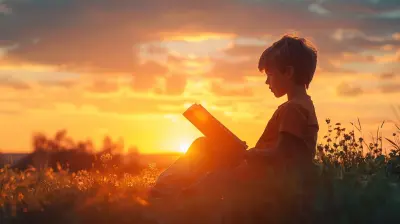
The Role of Bilingual Education in Preserving Indigenous Languages
31 December 2025
Have you ever wondered how a language disappears? It doesn’t happen overnight. It fades slowly — one word, one speaker, one generation at a time. Indigenous languages are vanishing all over the globe. And it’s not just about losing words — it's about losing stories, wisdom, culture, and identity. But here's the silver lining: bilingual education can help stop that from happening.
In today's world, where languages like English, Spanish, and Mandarin dominate, there's a growing movement to recognize the value of indigenous languages. And bilingual education? It's one of the best tools we’ve got to keep those languages alive. So, let’s break this down and see why bilingual education matters so much and how it’s shaping the future for indigenous communities.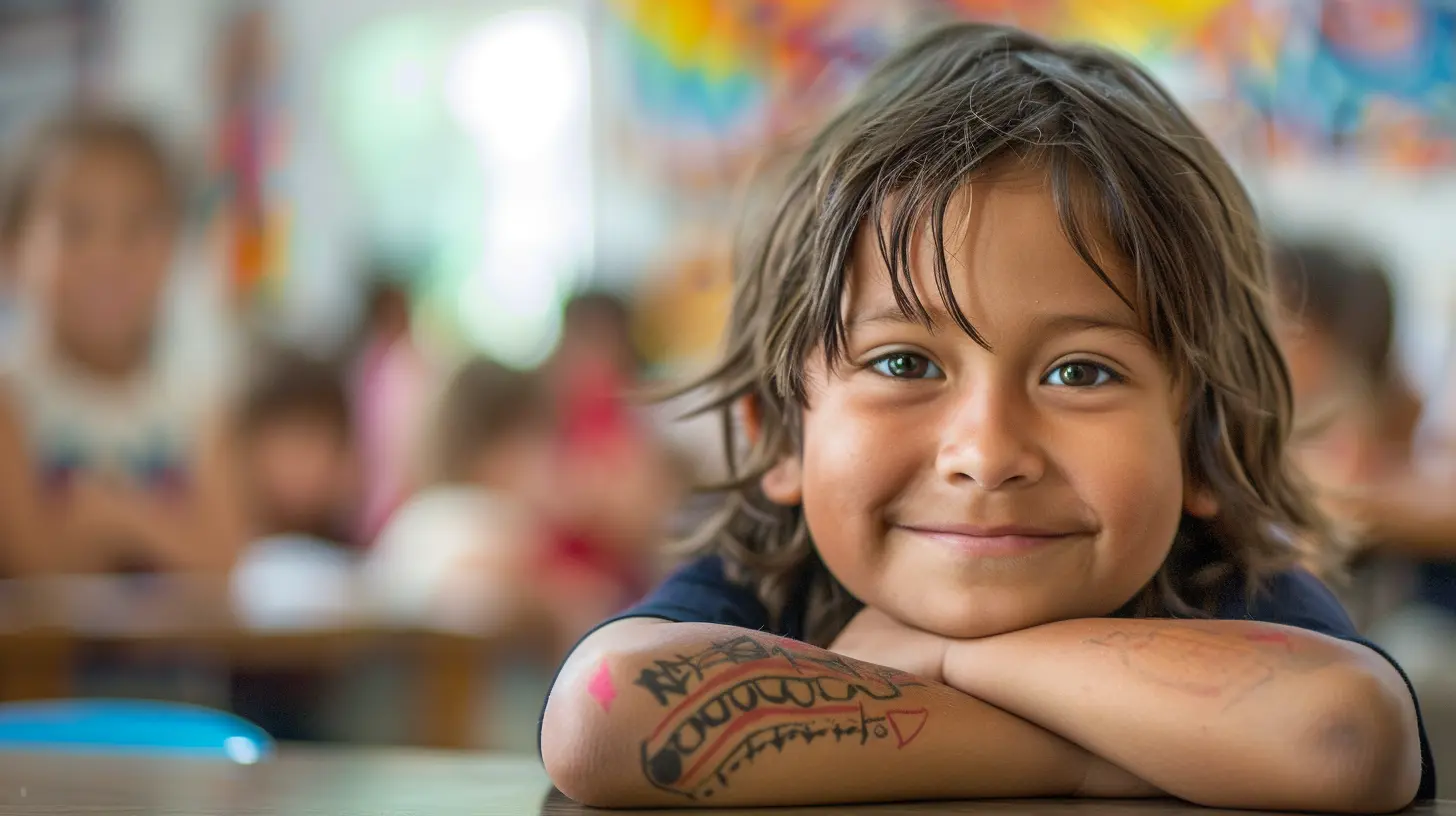
What Is Bilingual Education, Really?
Before diving into the deep end, let’s clarify what bilingual education is all about. Simply put, it’s a teaching method that uses two languages to educate students — typically a dominant national or global language, like English, along with a minority or indigenous language. The idea isn’t just to teach the second language — it’s about educating students in both languages so they become fluent in each.There are different models of bilingual education. Some schools teach a few subjects in the indigenous language, while others fully immerse students in both languages from day one. The goal? To build bilingual and bicultural individuals who are confident navigating multiple worlds — their own culture and the wider one.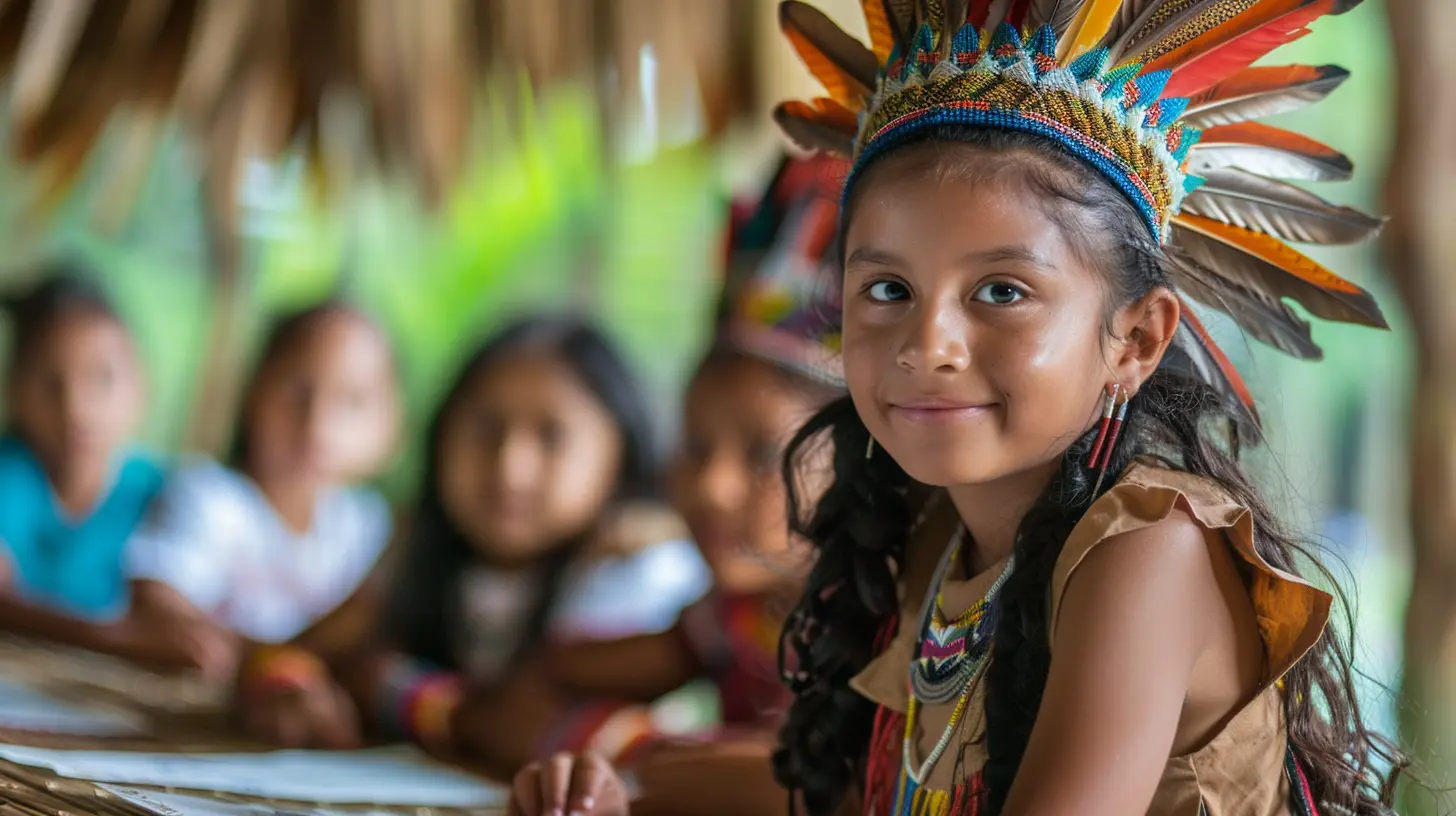
Why Indigenous Languages Are Disappearing
Let’s not sugarcoat it: indigenous languages are in danger. According to UNESCO, nearly 3,000 languages are at risk of disappearing in the next 80 years. That’s half of all languages spoken today — gone.What causes this? Colonization, globalization, migration, pressure to assimilate into mainstream cultures — they've all played a role. For generations, indigenous people were discouraged or even forbidden from speaking their own languages. Many parents, wanting better futures for their kids, encouraged them to speak the dominant language of their country instead. Over time, even fluent speakers stopped passing their native tongues down.
But a language is more than just words. It’s culture, spirituality, history, and identity. When a language dies, a piece of humanity dies with it.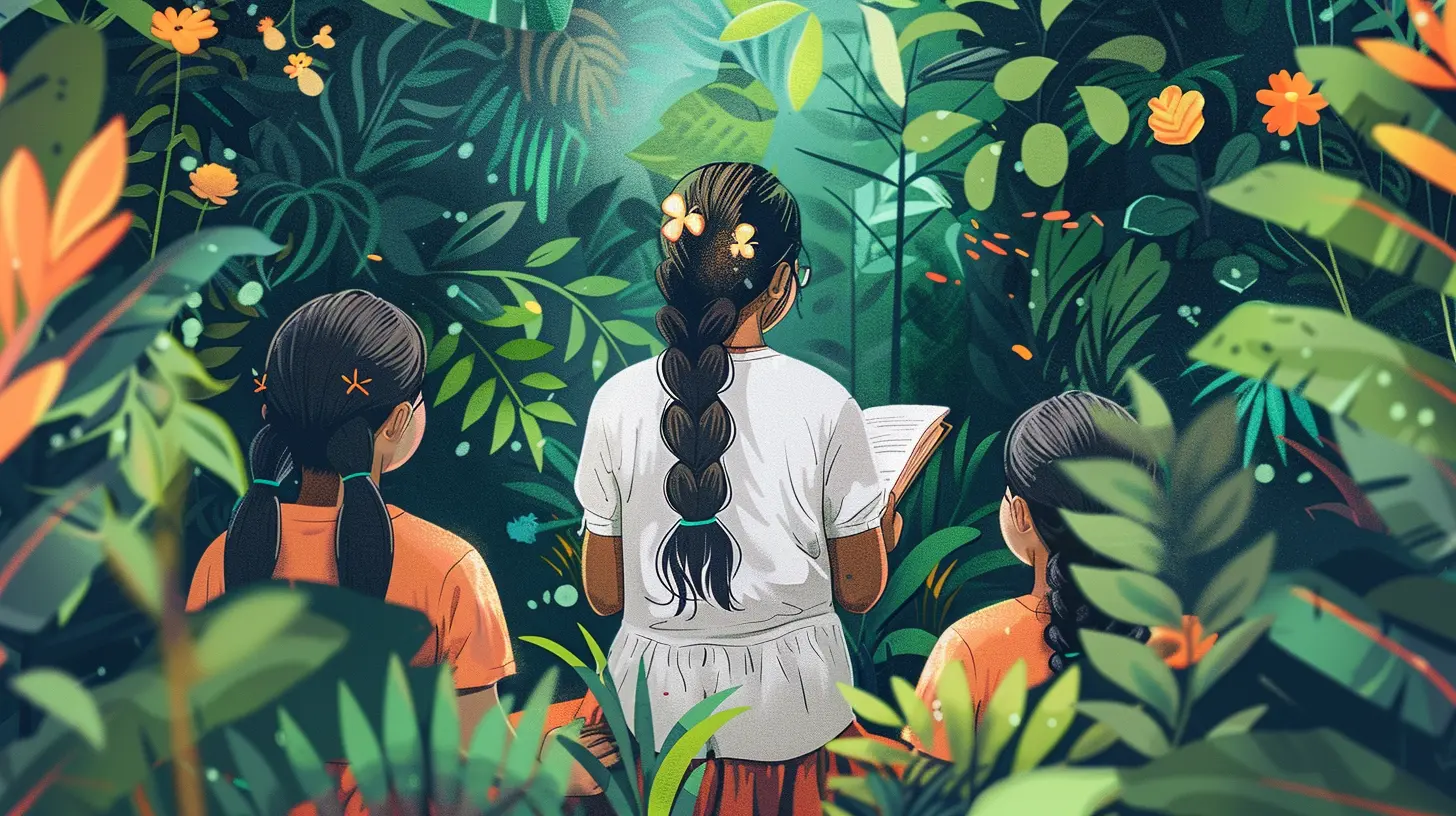
The Power of Bilingual Education in Cultural Preservation
So, how does bilingual education swoop in to save the day?1. Passing the Language to the Next Generation
At its core, bilingual education ensures that children learn their mother tongue in a structured, supportive environment. And not just at home — at school too, where they spend most of their waking hours.When kids learn their indigenous language as part of the school curriculum, it gives the language credibility. It tells them, “This language matters. You should be proud of it.” That feeling is contagious. It spreads to their families, friends, and communities.
2. Strengthening Identity and Self-worth
Language is tied deeply to identity. When children grow up speaking both their indigenous language and the dominant national language, they don’t have to choose between their heritage and the outside world — they can belong to both.This has a big impact on mental health and academic success too. Studies have shown that children who are educated in their native language alongside a second language often do better in school and have higher self-esteem.
Imagine a kid who's always been shy about speaking their native language at home suddenly using it confidently in class with their peers. That’s powerful. That changes the narrative.
3. Rebuilding Broken Connections
In many tribal communities, intergenerational language gaps exist. Grandparents speak the mother tongue fluently, but the grandkids don’t understand a word. That gap creates cultural disconnection.Bilingual education acts as a bridge. It helps the younger generation reconnect with their roots and communicate with elders. This not only revitalizes the language but also rebuilds emotional and cultural ties within families and communities.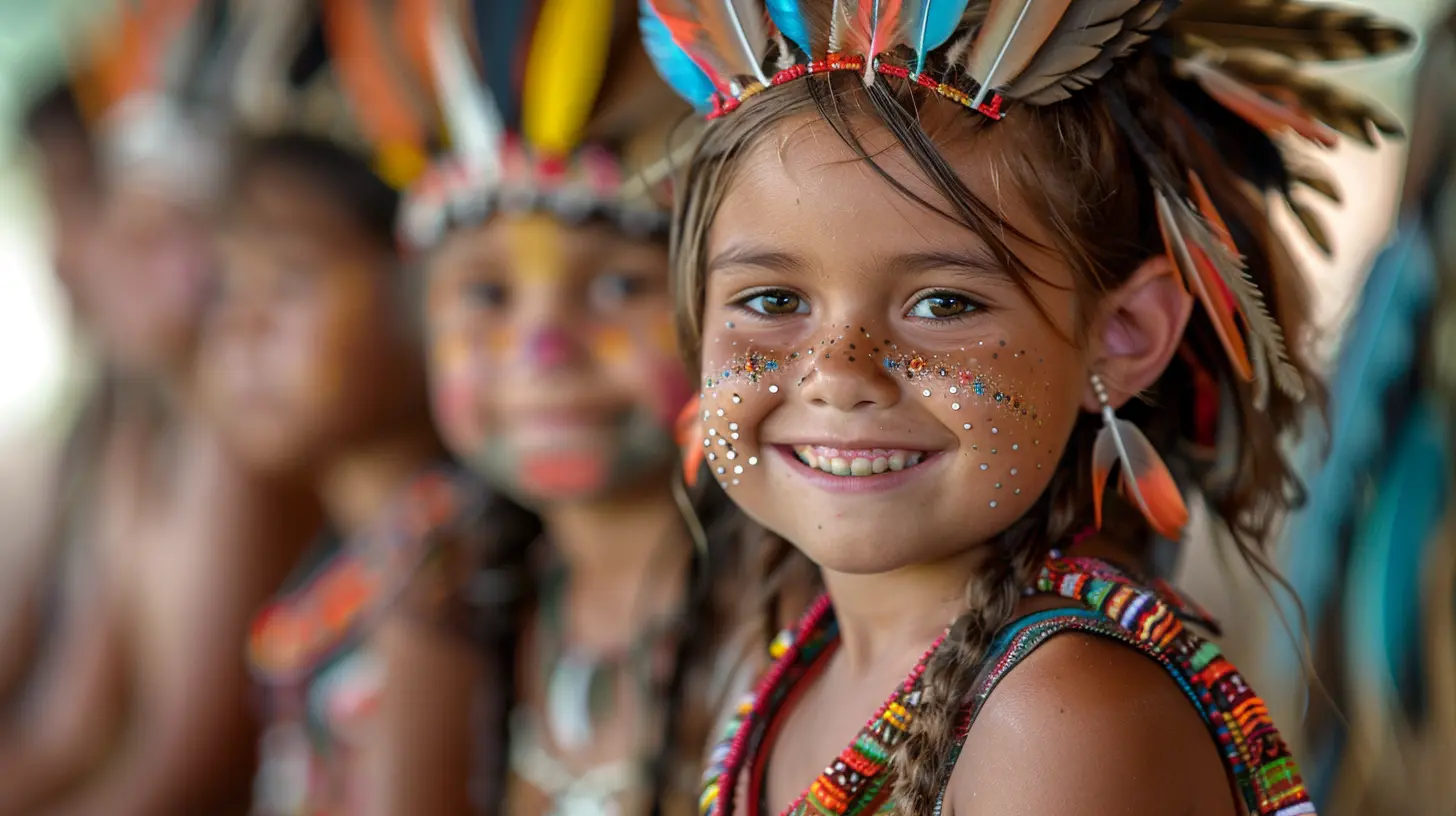
Real-Life Examples of Bilingual Education Working Wonders
Let’s take a look at some inspiring examples from around the world. Because this isn’t just theory — it’s making a real difference.Māori in New Zealand
The Māori language was on the brink of extinction. But thanks to "Kōhanga Reo" — language nest preschools — and bilingual primary schools, thousands of children now grow up fluent in both Māori and English. These programs don’t just teach a language; they instill pride in Māori culture.Navajo in the United States
In the U.S., the Navajo Language Immersion School in Arizona has made remarkable strides. Children are taught core subjects in both Navajo and English. As a result, students not only become bilingual but also reconnect deeply with their heritage.Quechua in Peru
Quechua, once widely spoken throughout the Andes, is being brought back through bilingual schools in rural Peru. The government now supports intercultural bilingual education, helping preserve indigenous identity while giving students access to modern education.The Challenges Along the Way
Let’s be real — bilingual education isn’t always smooth sailing.1. Lack of Trained Teachers
It’s not easy to find educators fluent in both languages who are also trained to teach them. Many indigenous languages haven’t been standardized, don’t have formal grammar rules, or lack teaching materials.2. Limited Resources
Creating textbooks, dictionaries, and digital content in an indigenous language takes time, money, and expertise. Funding is often limited, especially in remote or underprivileged areas.3. Community Resistance
Sometimes, even within indigenous communities, there’s resistance. Parents might fear their children will fall behind if too much focus is placed on the native language instead of an economically dominant one like English or Spanish. It's a valid concern in a competitive world.But here’s the truth: bilingualism doesn’t slow children down — it sets them up for success. With the right support and balance, students can thrive in both languages, academically and socially.
The Role of Governments and Policy
Changing minds is one thing. Changing policies is another.For bilingual education to succeed, governments need to step up. That means:
- Supporting teacher training in indigenous languages
- Developing and distributing culturally relevant teaching materials
- Recognizing indigenous languages as official or co-official languages
- Funding bilingual schools and language revitalization programs
- Partnering with indigenous communities for curriculum planning
It’s about respect, recognition, and reparations. When a government invests in a community’s language, it’s making a promise to protect that community’s future.
Technology as a Language Lifeline
Here’s where things get exciting — the digital age is actually helping bring indigenous languages back to life. Yup, you read that right.Think language apps that teach endangered tongues. YouTube videos with elders sharing stories. Audiobooks, podcasts, radio stations — all in native languages.
Bilingual education programs are starting to tap into these resources, mixing traditional and modern tools to make learning more engaging. It’s like giving ancient languages a 21st-century makeover. And trust me, the youth are here for it.
What Can You Do About It?
You might be wondering — “Well, I’m not part of an indigenous community. What can I do?”Plenty.
- Learn about endangered languages in your region or country.
- Support organizations that promote bilingual and indigenous education.
- If you're an educator, advocate for inclusive curricula.
- And if you're part of a bilingual community? Speak your language. Loud and proud.
Language is a heritage, not a hobby. The more we value it, the better the chances it has to survive.
Final Thoughts: Language Is a Seed — Let’s Help It Grow
Saving a language might sound like a monumental task, but it starts small — with a word, a lesson, a conversation. Bilingual education plants those seeds early. And with care, love, and persistence, they grow into something beautiful: a thriving, living language that carries the strength of its people forward.So yes, bilingual education is more than just learning two languages. It’s about honoring the past, empowering the present, and protecting the future.
Let’s keep the voices of indigenous cultures alive — in every classroom, every community, and every generation.
all images in this post were generated using AI tools
Category:
Bilingual EducationAuthor:
Monica O`Neal
Discussion
rate this article
2 comments
Honor McGuffey
Bilingual education is vital for sustaining and revitalizing Indigenous languages effectively.
February 9, 2026 at 1:33 PM
Monica O`Neal
I completely agree. Bilingual education not only supports language proficiency but also strengthens cultural identity among Indigenous communities.
Noora McQuiston
Fascinating intersection of culture and language!
January 5, 2026 at 7:47 PM
Monica O`Neal
Thank you! I'm glad you found it interesting. Language truly is a vital part of cultural identity.