The Power of Early Bilingual Education in Childhood Development
1 February 2026
In today's interconnected world, speaking more than one language is an incredible asset. But beyond just being a cool party trick, early bilingual education has far-reaching benefits in childhood development. From cognitive boosts to better social skills, learning another language from a young age can shape a child's brain and future in remarkable ways.
Let’s dive into why early bilingual education is so powerful and how it can give kids a head start in life.
Why Start Early?
Ever noticed how kids pick up languages effortlessly, while adults struggle with even the basics? That’s because young brains are like sponges—they absorb new information quickly and naturally.During early childhood, the brain is at its peak plasticity. This means it’s highly adaptable and capable of forming new connections faster than at any other stage of life. Introducing a second language during this time lays the foundation for stronger cognitive skills, improved problem-solving abilities, and even advanced multitasking.
The Critical Period Hypothesis
There’s a theory in linguistics called the Critical Period Hypothesis (CPH), which suggests that the earlier a person learns a language, the better their proficiency will be. According to this idea, after a certain age—usually around puberty—it becomes much harder to achieve native-like fluency.This is why young children can learn multiple languages without an accent or grammatical struggles, while adults often retain traces of their native tongue in their speech.
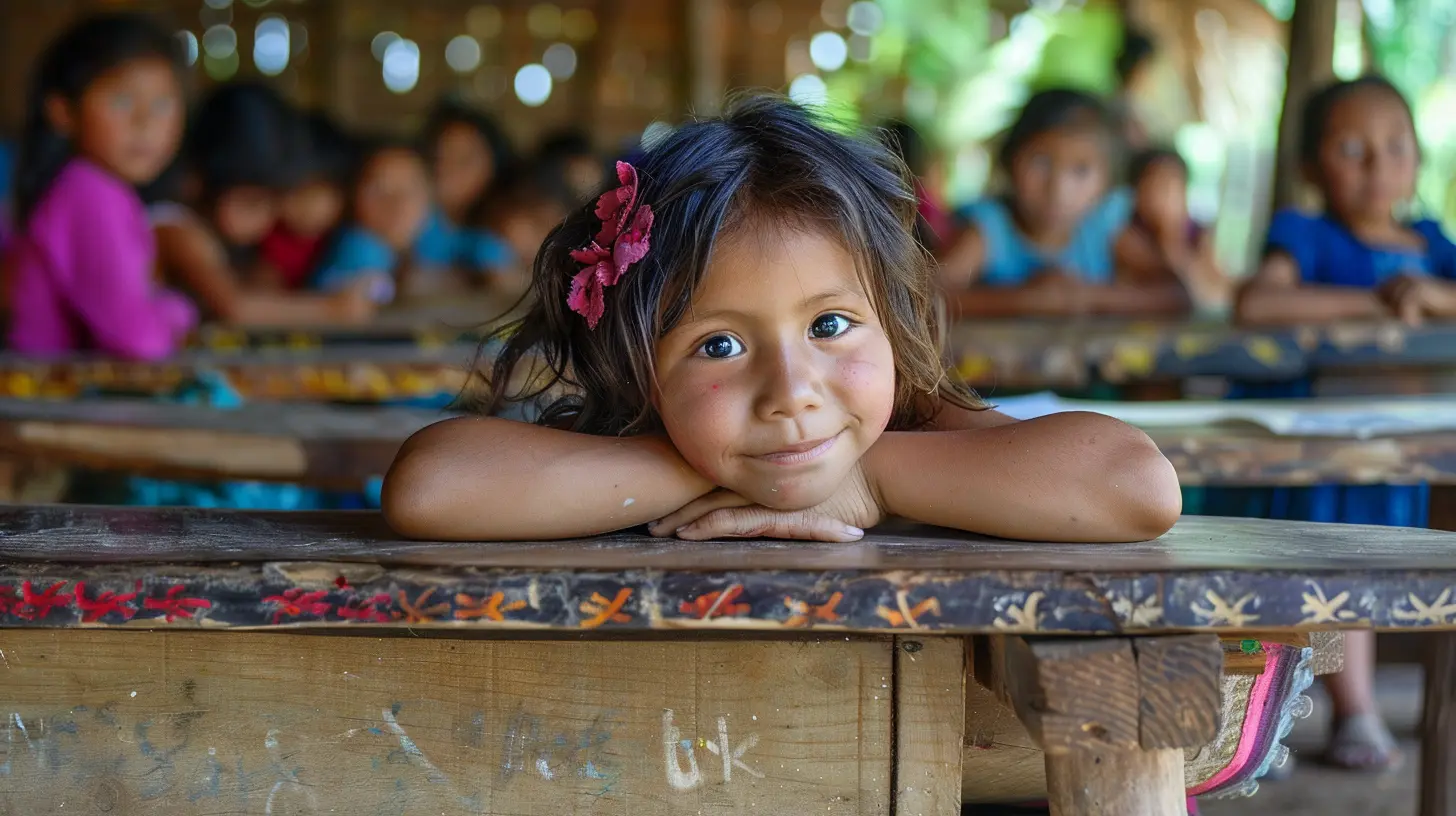
Cognitive Benefits of Early Bilingual Education
1. Enhanced Brain Development
When a child learns a second language early, their brain creates new neural pathways, making their cognitive functions sharper. Studies show that bilingual kids develop better memory, problem-solving skills, and even creativity.2. Improved Executive Function
Bilingual children tend to outperform monolingual kids when it comes to executive functions like attention control, task switching, and working memory.Think of it like this: their brains are constantly juggling two linguistic systems, which strengthens their ability to focus, ignore distractions, and adapt quickly to new situations.
3. Delayed Onset of Dementia
Believe it or not, the benefits of bilingualism extend well into adulthood. Research suggests that people who grow up bilingual are at a lower risk of developing dementia and Alzheimer's disease later in life. Their brains remain more resilient due to years of switching between languages.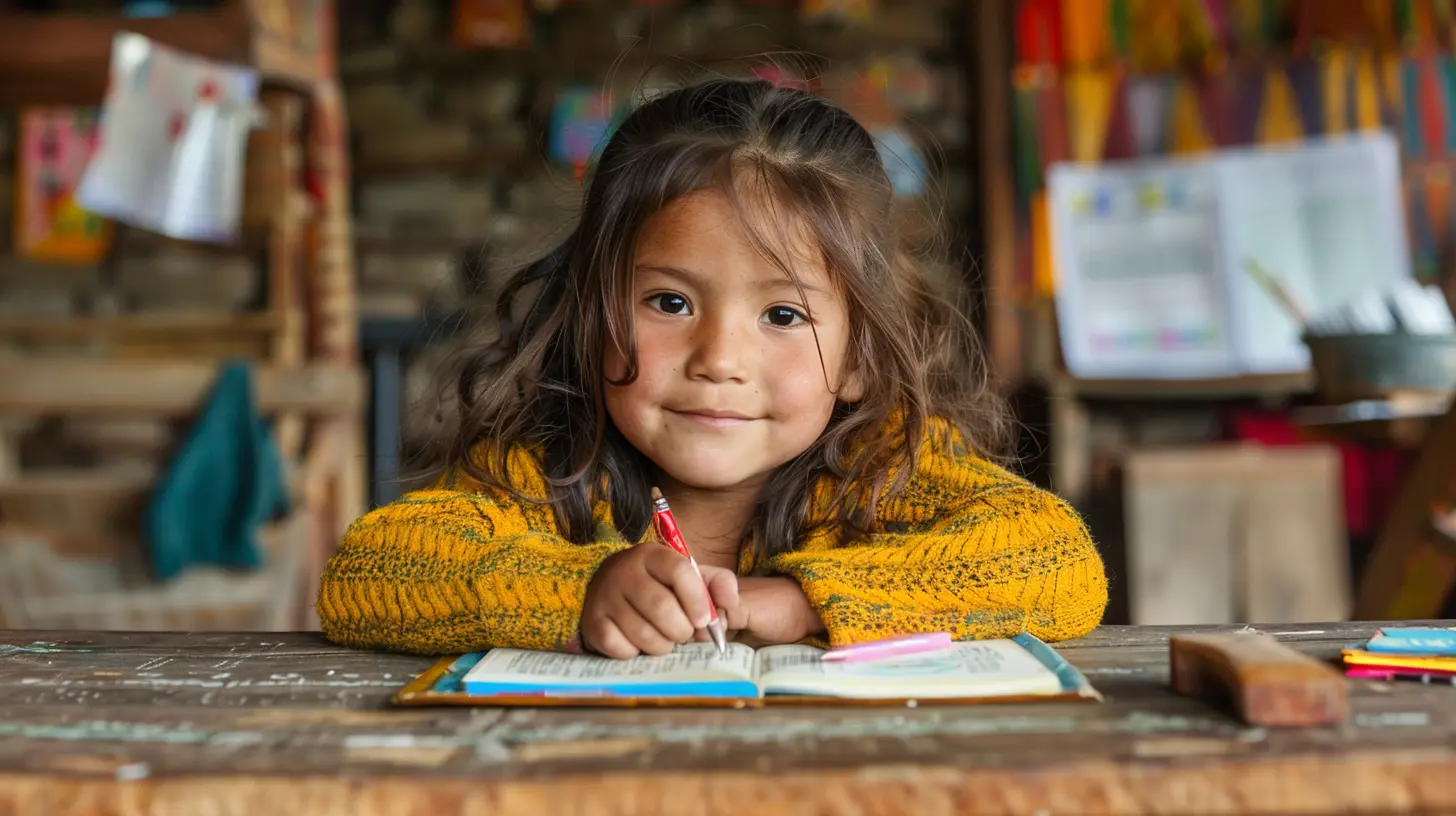
Social and Emotional Advantages
1. Stronger Communication Skills
Bilingual children often become excellent communicators. They develop a keen awareness of how language works, plus a better understanding of different perspectives. Since they can switch between languages, they naturally become more adaptable in conversations.2. Greater Cultural Awareness
Being exposed to multiple languages means being exposed to different cultures. This broadens a child's worldview and fosters empathy towards others. They become more open-minded and accepting of diversity—an essential skill in today's globalized society.3. Increased Confidence
Imagine being able to switch between languages effortlessly. Wouldn’t that boost your confidence? For bilingual kids, speaking another language becomes second nature, and this confidence spills into other areas of their lives—whether it’s making new friends, traveling, or taking on challenges.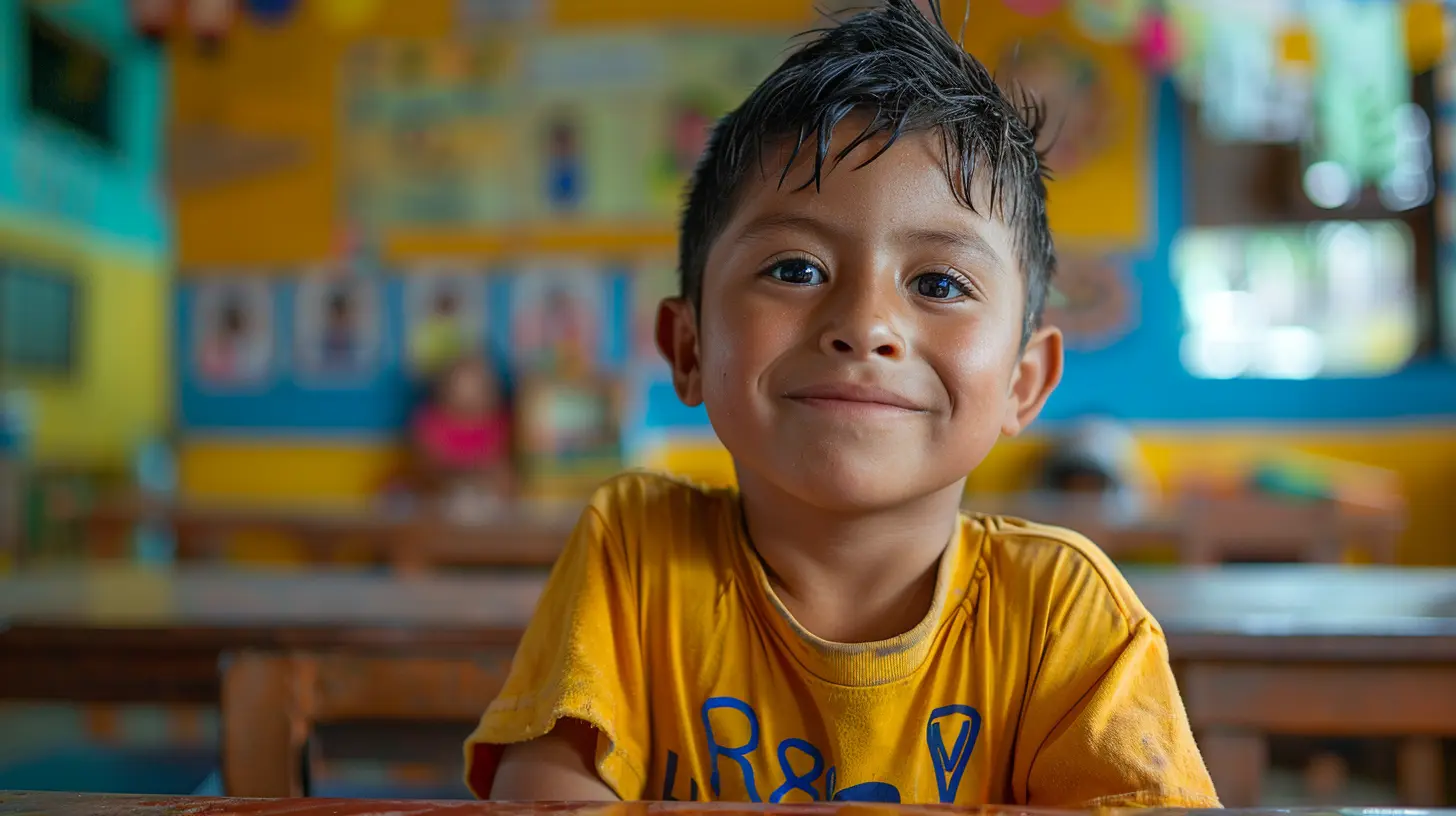
Academic Benefits of Learning a Second Language
1. Better Performance in School
Multiple studies have shown that bilingual children tend to excel academically. They perform better in subjects like math, reading, and science because their brains are trained to process information efficiently.2. Stronger Literacy Skills
Learning a second language strengthens a child's grasp of their first language. They become more aware of grammar structures, vocabulary, and sentence formation, which translates into better reading and writing skills.3. Higher SAT and IQ Scores
Bilingual students often score higher on standardized tests, including the SAT and IQ tests. Their enhanced cognitive abilities, problem-solving skills, and analytical thinking give them an edge over their monolingual peers.The Challenges of Early Bilingual Education (And How to Overcome Them)
Of course, like anything worthwhile, bilingual education isn’t without its challenges. Let's address some common concerns and how to tackle them.1. Language Confusion
One of the biggest myths about bilingual education is that it confuses children. Some parents worry that their child will mix languages or struggle with communication. But here's the truth—language mixing (also called code-switching) is completely normal and temporary. Over time, children naturally separate the languages and use them appropriately.Solution: Keep exposure consistent and encourage communication in both languages.
2. Limited Exposure to the Second Language
If a child isn't exposed to both languages equally, they might struggle with fluency in one of them.Solution: Make language learning part of their daily routine—through books, songs, TV shows, and conversations with fluent speakers.
3. Resistance from the Child
Sometimes, kids resist speaking the second language, especially if they don't see a need for it.Solution: Find fun and motivating ways to incorporate the language. Games, storytelling, and cultural experiences can make learning enjoyable. Also, ensuring they have friends or family who speak the language encourages natural use.
Best Methods for Teaching Kids a Second Language
Now that we know the benefits, let's talk about how to teach a second language effectively.1. The One Person, One Language (OPOL) Approach
This method involves one parent speaking only one language while the other parent speaks another. It's a great way to provide consistent exposure to both languages without confusion.2. The Time and Place Approach
In this approach, certain days or times are dedicated to speaking the second language. For example, weekends could be "Spanish-only" days, or specific activities like reading and playing games could be done in the second language.3. Immersion Programs
Enrolling children in bilingual schools or language immersion programs is one of the most effective ways to make them fluent. These programs integrate the second language into daily lessons, making it as natural as learning their first language.4. Media and Technology
With so many language-learning apps, bilingual cartoons, and interactive games available, kids can absorb a new language while having fun. Shows like Dora the Explorer or apps like Duolingo can make the learning process feel like play.Long-Term Benefits of Bilingualism
Still wondering if teaching your child a second language is worth it? Here are some long-term advantages that make it clear bilingualism is a lifelong gift.- Better Career Opportunities – In a competitive job market, bilingual individuals have an edge. Many companies seek employees who can communicate in multiple languages.
- Easier Travel Experiences – Knowing another language opens doors when traveling. It enhances cultural experiences and eliminates language barriers.
- Stronger Family Bonds – If a child grows up learning their family’s native language, they can connect more deeply with relatives and their cultural heritage.
Final Thoughts
Early bilingual education isn't just about learning a second language—it’s about shaping a smarter, more adaptable, and culturally aware individual. The benefits extend beyond childhood, influencing cognitive development, academic success, career prospects, and even long-term brain health.So, if you're considering introducing a second language to your child, don’t hesitate. The earlier you start, the greater the rewards. Who knows? Your little one might just grow up to be the next great polyglot!
all images in this post were generated using AI tools
Category:
Bilingual EducationAuthor:

Monica O`Neal
Discussion
rate this article
2 comments
Celeste Black
Thank you for highlighting the importance of early bilingual education. It's fascinating how it positively impacts childhood development and cognitive skills!
March 13, 2026 at 3:52 AM
Monica O`Neal
You're welcome! I'm glad you found the topic interesting. Early bilingual education truly can shape cognitive growth in amazing ways.
Garrett Sanchez
Early bilingual education unlocks cognitive potential and fosters cultural empathy, equipping children with essential skills for a globalized world. Let's empower our future leaders through language!
February 2, 2026 at 5:28 AM
Monica O`Neal
Thank you for your insightful comment! I completely agree that early bilingual education not only enhances cognitive skills but also nurtures cultural empathy, preparing children to thrive in our interconnected world.