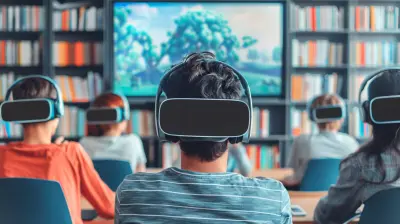
The Importance of Mental Health in Online Education
1 November 2025
Let’s be real here—online education has been a game-changer. It’s flexible, convenient, and honestly, it's made learning more accessible for so many people around the world. But while we’re out here celebrating how easy it is to attend a lecture in pajamas with last night’s pizza still on the coffee table, there’s something we tend to overlook: our mental health.
Yeah, I said it.
The glamor of logging in from anywhere sometimes hides the emotional toll that comes along with it. So, let’s peel back the digital curtain and talk about why mental health in online education isn’t just important—it’s essential.

The Rise of Online Learning
Before we dive deep, let’s take a quick look at where we are. Online education isn’t just a trend anymore; it’s now part of the mainstream. With platforms like Coursera, Udemy, and full-blown virtual universities, people of all ages are taking classes from their bedrooms, cafes, or even during lunch breaks at work.During the pandemic, online learning became the default. Students from elementary school to grad school had to adapt fast. And while some people thrived, others were left overwhelmed, isolated, and straight-up mentally exhausted.
That’s where we’re going today.

Why Does Mental Health Matter in Online Education?
Okay, let’s ask the obvious: why should mental health even be part of the online education conversation? The answer is simple—because it affects everything.Your brain is your engine. If it’s running low on oil (a.k.a. mental wellness), nothing else functions right. You can’t absorb information, focus on tasks, or stay motivated if your mental health is off.
Let’s break it down.
1. Online Learning Can Be Isolating
One of the biggest perks of virtual learning is freedom. But that freedom comes with a cost—loneliness. In traditional classrooms, there’s interaction: face-to-face chats, group projects, even casual convos in the hallway. Online? Not so much.Sure, there are discussion boards and Zoom calls, but let’s be honest—it’s not the same as physically being with people. That lack of real connection can lead to feelings of isolation, and over time, loneliness can spiral into anxiety or depression.
2. The Pressure to Be Self-Motivated is Real
Motivation in online learning is like trying to wake up without an alarm clock. Without professors physically reminding you or classmates to nudge you along, it’s all on you.That sounds empowering, and sometimes it is. But when motivation dips—which it inevitably does—you might start feeling guilty, stressed, or even like a failure. That emotional weight can mess with your self-esteem and mental clarity.
3. Tech Problems = Mental Chaos
Ever try logging into a live class only to find your Wi-Fi crapped out? Or lose your assignment because your system crashed? Frustrating doesn't even begin to describe it.Technical issues, platform glitches, and poor internet connections aren’t just inconvenient—they’re anxiety triggers. Constant tech stress can create a low-boiling pressure that builds over time, affecting your overall mental state.
4. Blurred Boundaries Between School and Life
When your classroom is your bedroom, your living room becomes your study lounge, and you’re eating lunch while attending a webinar… boundaries? What boundaries?Online education blurs the line between personal and academic life, making it hard to mentally “clock out.” Without that separation, your brain never gets a real break, which can lead to burnout and fatigue.

Common Mental Health Challenges Among Online Learners
So now that we know why mental health matters, let’s talk about what students are actually dealing with. Here are some common issues:Anxiety and Overwhelm
Endless deadlines, self-paced assignments, and juggling work or home life? Recipe for anxious thoughts. Many online learners feel overwhelmed trying to stay on top of everything with limited support.Depression and Loneliness
That earlier point we made about isolation? This is where it lands. Students often feel disconnected and alone. Without social interaction, it’s easy to slip into a funk where everything feels dull and pointless.Burnout
Burnout is more than just being tired. It’s emotional and physical exhaustion that makes you dread logging in each day. Too much screen time, poor sleep habits, and non-stop assignments only pour more gas on the fire.Procrastination and Low Self-Esteem
Delaying tasks happens to the best of us, but in online education, it often becomes a pattern. The more you procrastinate, the more guilty you feel. That guilt turns into shame, which feeds into low self-worth. And guess what? That makes procrastination worse. It’s a vicious cycle.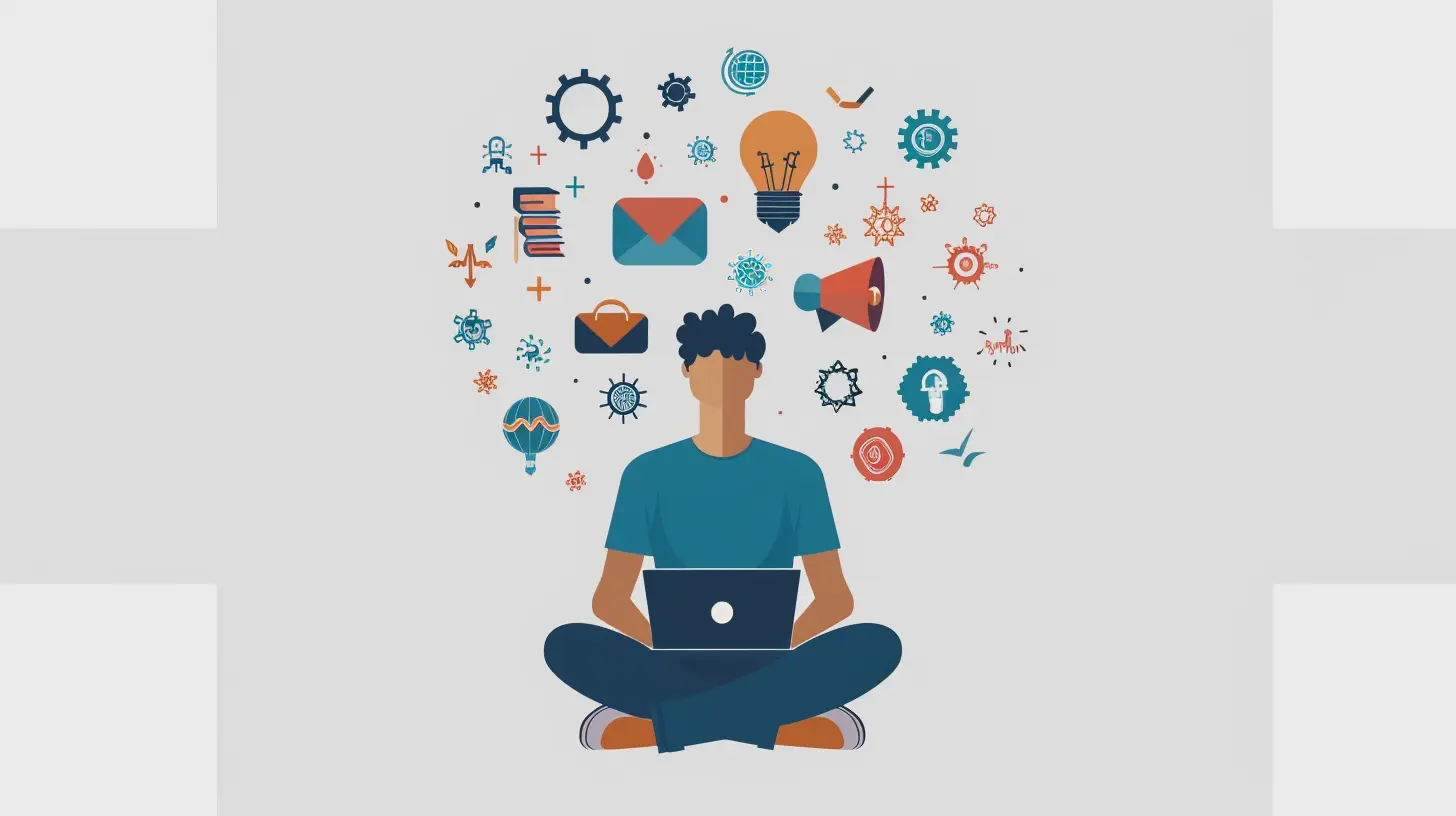
What Can We Do About It?
Alright, enough doom and gloom. The good news? There are ways to support mental health in an online learning environment. It takes some effort and awareness, but it’s 100% doable.1. Create a Designated Study Space
Your brain craves structure. Even if you live in a small space, carve out a corner for learning. This physical boundary helps your mind distinguish when it’s time to learn and when it’s time to relax.2. Stick to a Routine
Online learning might give you freedom, but routine gives you sanity. Set clear times for studying, breaks, meals—even sleep. Treat it like a regular school day. Your brain will thank you.3. Take Screen Breaks (No, Seriously)
Ever heard of digital fatigue? It’s real. Looking at screens for hours messes with your eyes, sleep patterns, and mental clarity. Take 5-10 minute screen breaks every hour. Stretch. Walk. Stare out the window like a daydreaming philosopher.4. Talk It Out
Feeling off? Don’t bottle it up. Reach out to friends, classmates, or instructors. Many schools even offer free virtual counseling services. Use them. You deserve support.5. Set Realistic Goals
Rome wasn’t built in a day, and neither will your term paper be. Break big projects into bite-sized tasks, and celebrate small wins. Progress over perfection, always.6. Practice Mindfulness or Meditation
Now, I know it sounds a little woo-woo to some, but trust me, mindfulness works. Just a few minutes a day of deep breathing or guided meditation can lower anxiety and boost focus. Apps like Headspace or Calm make it super easy.The Role of Educators and Institutions
Students aren’t the only ones who need to step up. Schools, teachers, and administrators play a major role in protecting student well-being.1. Build Mental Health into Curriculum
Yes, we need to teach algebra, but maybe throw in a module on stress management too? Mental health isn’t extra credit—it’s a life skill.2. Be Flexible with Deadlines
Life happens. Tech issues, family emergencies, mental breakdowns—the list goes on. Instructors who offer grace make learning feel human again.3. Encourage Peer Interaction
Make group projects less dreadful and more engaging. Use virtual study groups or social chat rooms. Anything that mimics the in-person experience helps students feel less alone.4. Promote Mental Health Resources
If your school offers counseling, wellness workshops, or hotlines—don’t keep it a secret. Promote those services often and openly. Normalize getting help.
It's Okay to Not Be Okay
Let’s just say it out loud: online education is hard. And that’s okay. You’re not weak or lazy if you’re struggling. You’re human.Mental health should never be treated like an afterthought or something separate from academics. It’s part of the learning process. A sound mind boosts creativity, sharpens focus, and makes the entire learning journey more meaningful.
So if you’re attending classes online or know someone who is, take a moment to check in. Ask yourself how you’re really feeling. Your grades matter, sure—but your mental well-being? That matters more.
Wrapping It Up
Online education is here to stay, and that’s a good thing. But we’ve got to face the hidden challenges that come with it. Mental health isn’t a background issue—it’s front and center. When students are mentally strong and emotionally supported, they perform better, connect more deeply, and actually enjoy the learning experience.So let’s stop treating mental health like an optional add-on and make it part of the foundation. Because the future of education depends on minds that are not just smart, but also well.
all images in this post were generated using AI tools
Category:
Online LearningAuthor:

Monica O`Neal
Discussion
rate this article
1 comments
Astra Cantu
Mental health should be a priority in online education. Acknowledging students' emotional well-being fosters better learning experiences and promotes resilience, ultimately leading to academic success. Let's advocate for holistic support.
November 7, 2025 at 5:25 AM
Monica O`Neal
Thank you for highlighting the critical role of mental health in online education. Prioritizing emotional well-being truly enhances learning and fosters resilience among students. Your advocacy for holistic support is essential.