The Importance of Bilingual Educators in Today's Schools
30 March 2026
In today's world, diversity is everywhere—including in our classrooms. As schools welcome students from all corners of the globe, the need for bilingual educators has never been more crucial. These teachers do more than just translate words; they bridge cultures, foster inclusivity, and help students succeed academically and socially. So, why are bilingual educators so important, and what makes them indispensable in modern schools? Let's dive in.
The Growing Need for Bilingual Educators
A Changing Student Demographic
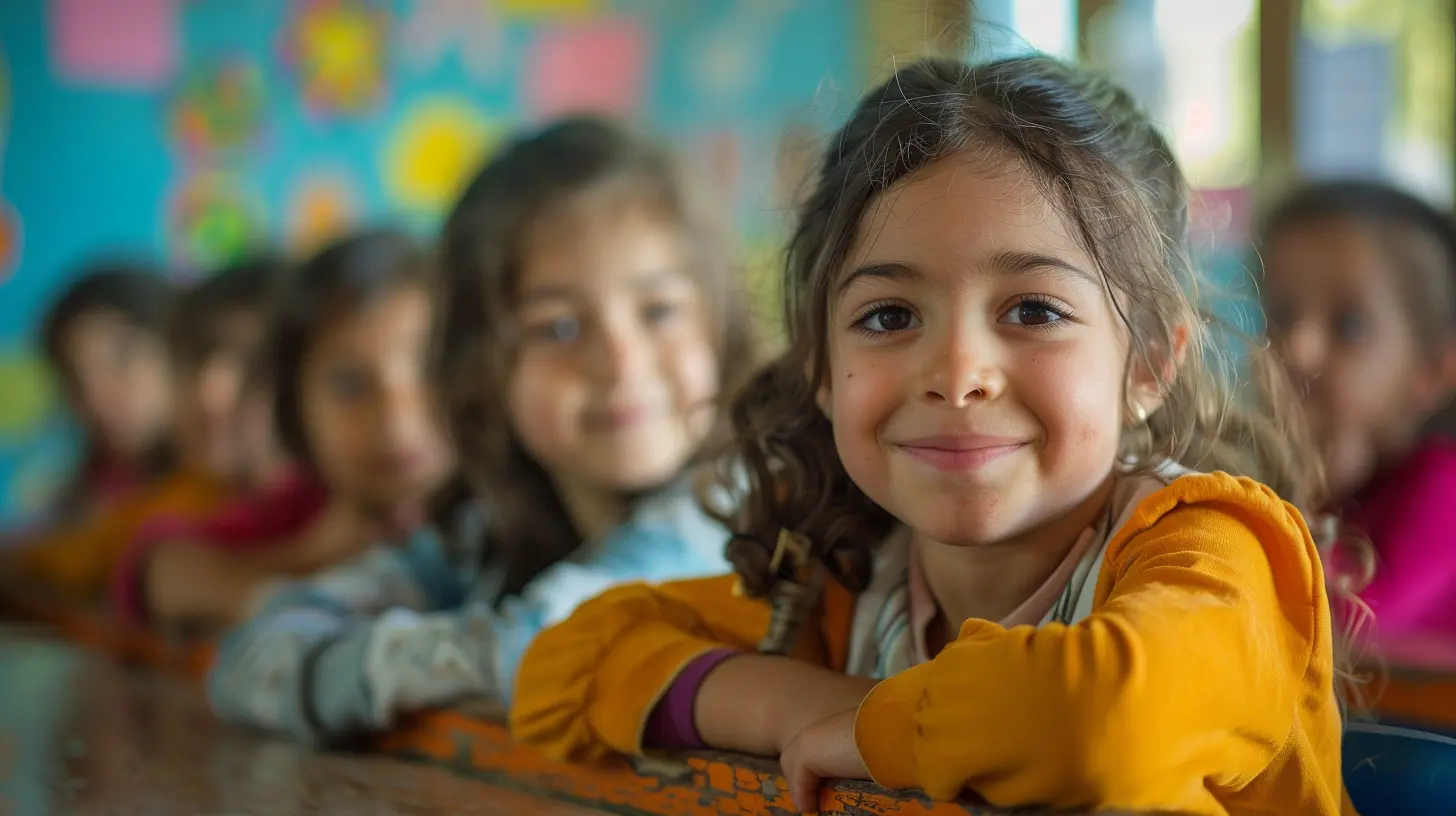
Walk into any classroom today, and you're likely to find students from various linguistic backgrounds. According to data from the National Center for Education Statistics, nearly 10% of students in U.S. public schools are English Language Learners (ELLs). That number keeps growing as immigration patterns shift and globalization connects people across borders.With more students speaking languages other than English at home, schools must adapt. But how can they do that effectively? Enter bilingual educators—teachers who can communicate with students in their native language while helping them master English.
Beyond Just Language Support
Many people assume bilingual educators are only there to help students learn English. While that's part of their job, their role goes much deeper. These teachers help students feel seen, heard, and understood. Imagine moving to a new country, struggling to grasp a foreign language, and having no one in your school who can relate to your experience. That can be overwhelming for any child.Bilingual educators step in to ease that transition, offering more than just language lessons. They provide emotional support, cultural guidance, and the confidence students need to thrive.
The Impact of Bilingual Educators on Students
Boosting Academic Performance
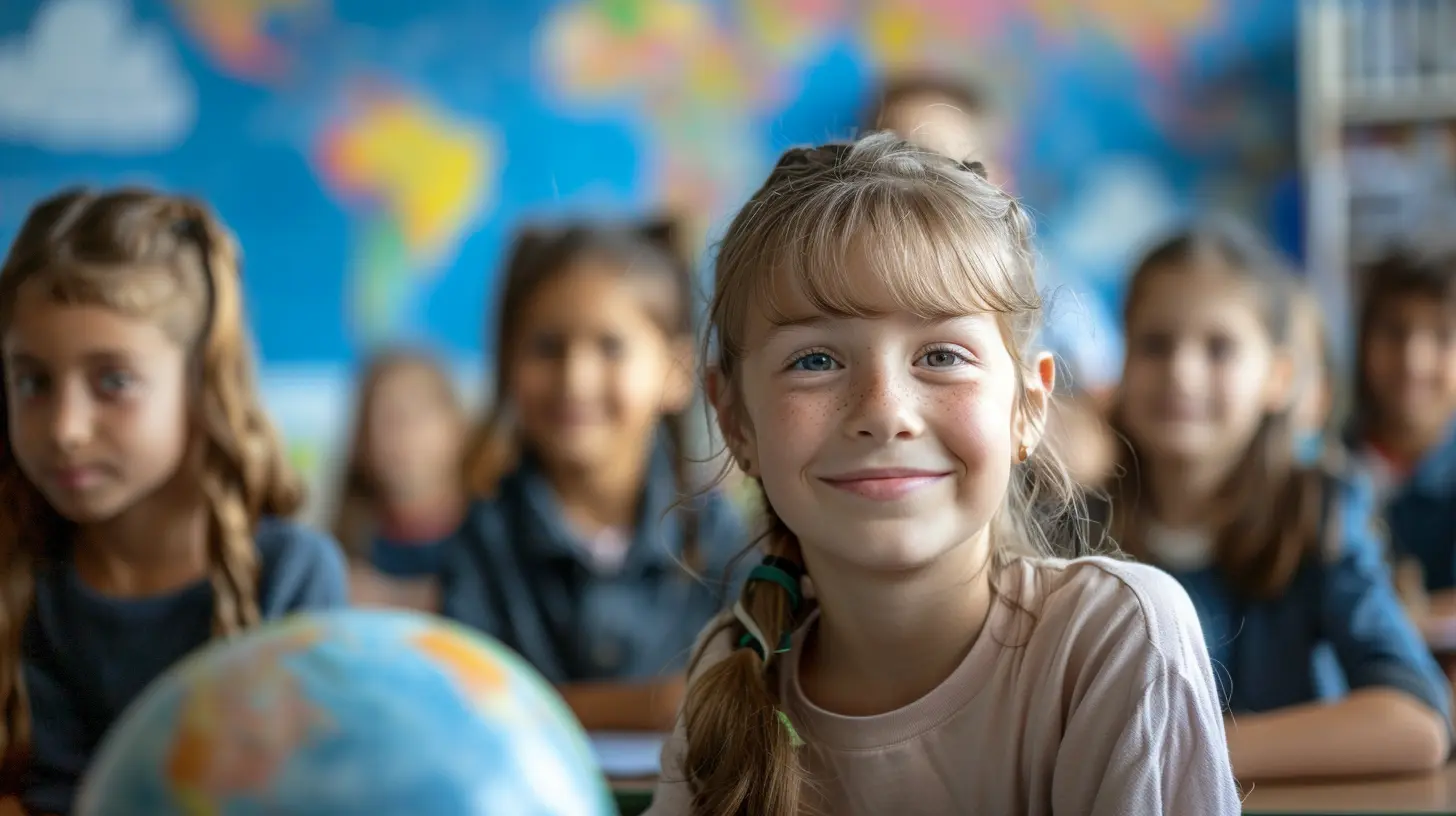
Studies have shown that bilingual students who receive instruction in both their native language and English tend to perform better academically. Why? Because when students understand the material in their own language first, they grasp concepts more easily.Think of it like building a house: It’s much sturdier when you start with a strong foundation. If a student understands math or science in their native language, it becomes easier to apply that knowledge in English later. Bilingual educators help lay that solid groundwork, ensuring students don’t fall behind just because of a language barrier.
Enhancing Cognitive Skills
Being bilingual isn’t just about speaking two languages—it also strengthens the brain. Studies suggest that bilingualism enhances problem-solving, multitasking, and critical thinking skills. Bilingual educators encourage students to use both languages effectively, which, in turn, sharpens their cognitive abilities.Moreover, learning in two languages has long-term benefits. Research has linked bilingualism to improved memory, greater creativity, and even a lower risk of cognitive decline later in life. So, having bilingual educators in schools isn’t just helpful—it’s a game-changer.
Closing the Achievement Gap
There is a significant achievement gap between ELL students and their native English-speaking peers. Many ELL students struggle with standardized tests, reading comprehension, and overall academic performance. But when bilingual educators are involved, that gap shrinks.These teachers use strategies tailored to bilingual learners, ensuring they don’t just memorize language but actually understand the content. They also advocate for ELL students, ensuring they get the resources and opportunities they need to succeed.
The Role of Bilingual Educators in Cultural Inclusion
Promoting Diversity and Understanding
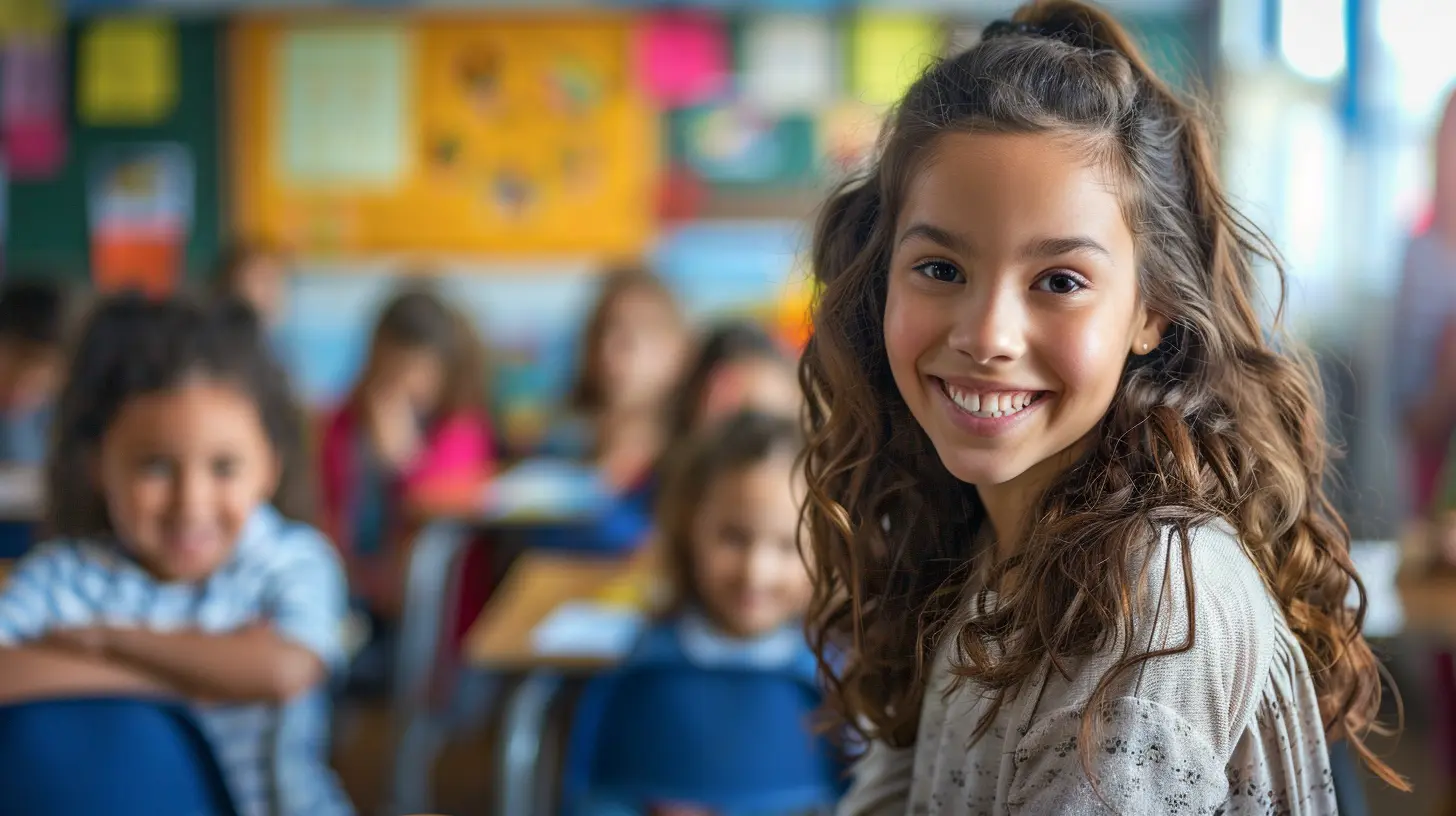
Bilingual educators do more than teach—they help create a classroom environment where all cultures are valued. When students see a teacher who speaks their language and understands their background, they feel a sense of belonging.These educators also help classmates appreciate diversity. By incorporating different cultural perspectives into lessons, they teach students that there’s more than one way to see the world. This fosters empathy, respect, and open-mindedness—all essential skills in today’s global society.
Encouraging Parental Involvement
Parents play a critical role in a child's education, but when families don’t speak English fluently, communication with schools can be difficult. Bilingual educators bridge that gap.By speaking the same language as parents, they can explain school policies, help with homework strategies, and ensure families stay engaged in their child’s education. This strengthens the home-school connection, leading to better outcomes for students.
The Challenges Bilingual Educators Face
Limited Resources and Support
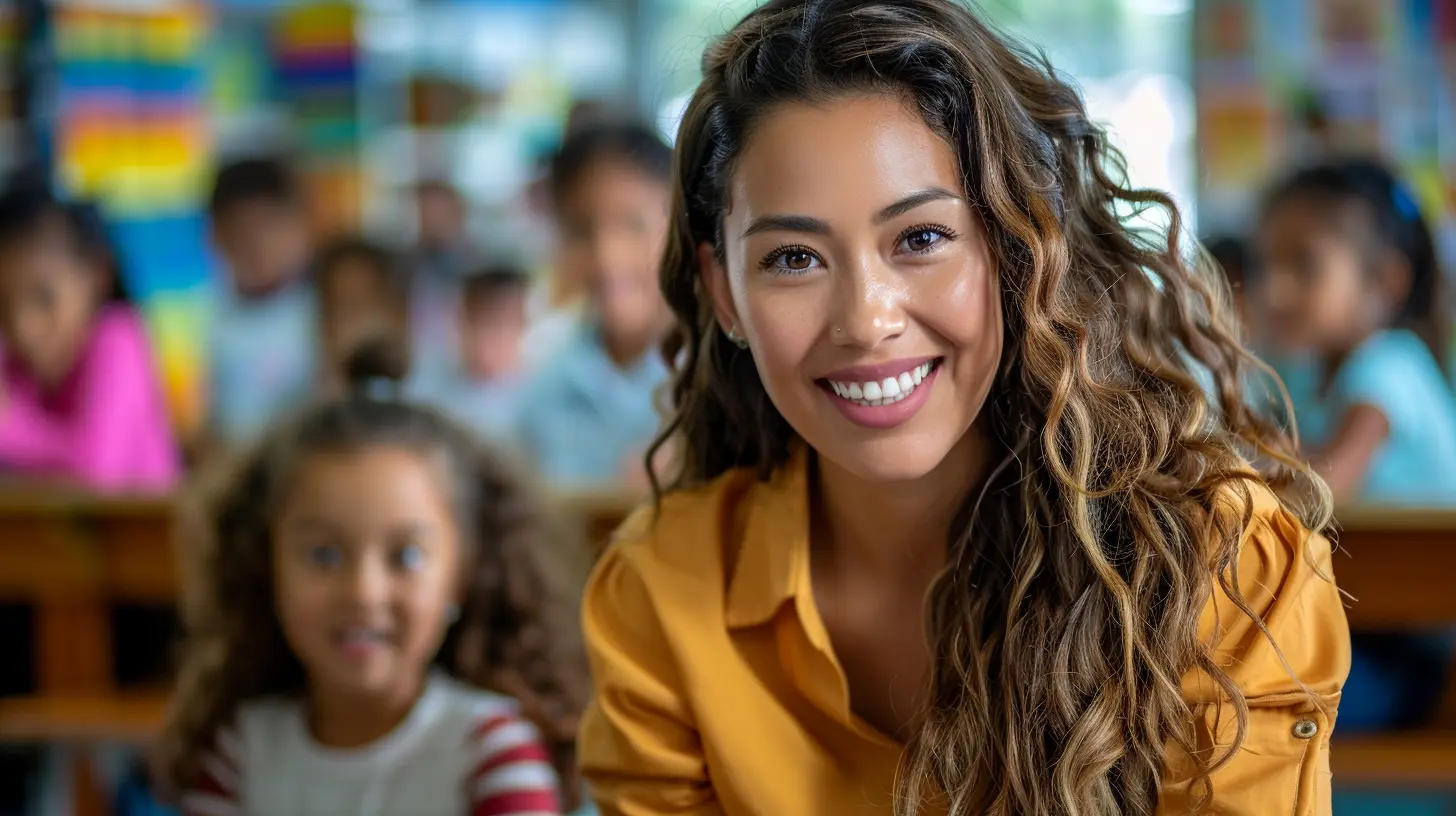
Despite their importance, bilingual educators often lack the resources they need. Many schools don’t have bilingual teaching materials, proper training, or sufficient funding to support these programs effectively.On top of that, bilingual teachers may find themselves stretched thin, acting as both an instructor and a language support specialist for multiple students. This workload can lead to burnout if schools don’t provide adequate support.
Shortage of Bilingual Teachers
There’s a nationwide shortage of bilingual educators, making it difficult for schools to adequately support ELL students. While the demand for bilingual teachers is growing, not enough educators are entering the field.Why? In many cases, becoming a certified bilingual teacher requires extra testing, training, and in some states, additional coursework—all of which can be expensive and time-consuming. To fix this, schools need to offer better incentives, like higher salaries, loan forgiveness, and professional development opportunities.
How Schools Can Support Bilingual Educators
Investing in Bilingual Education Programs
Schools must recognize the value of bilingual education and allocate more resources to support it. That means funding bilingual programs, purchasing multilingual teaching materials, and ensuring bilingual teachers receive adequate compensation.Encouraging Professional Development
Ongoing training is essential for bilingual educators. Schools should offer workshops, conferences, and mentoring programs to help these teachers refine their skills and stay updated on best practices in bilingual education.Creating Inclusive Policies
School policies should support linguistic and cultural diversity. That means offering dual-language programs, hiring more bilingual staff, and fostering an environment where multilingual learners feel welcomed.
Conclusion
Bilingual educators play a vital role in today's schools. They do more than teach—they empower students, enrich communities, and break down language barriers. As classrooms become more diverse, the demand for bilingual teachers will only grow.If we truly want to give every student an equal chance at success, we must support bilingual education. Because when we invest in bilingual educators, we invest in a brighter, more inclusive future for all students.
all images in this post were generated using AI tools
Category:
Bilingual EducationAuthor:

Monica O`Neal
Discussion
rate this article
2 comments
Vivian Gomez
Bilingual educators enrich the learning environment, fostering cultural empathy and bridging communication gaps. Their unique perspectives not only enhance academic growth but also prepare students for a diverse world, cultivating global citizens.
April 15, 2026 at 2:45 AM
Monica O`Neal
Absolutely, bilingual educators play a vital role in shaping students' understanding and appreciation of diverse cultures, which is essential in our interconnected world. Their contributions go beyond academics, truly preparing students for global citizenship.
Cypher Bellamy
Bilingual educators enhance cultural understanding and improve student engagement effectively.
March 30, 2026 at 3:21 AM
Monica O`Neal
Thank you for your insight! Bilingual educators play a crucial role in bridging cultures and fostering engagement, making a significant impact on student learning.