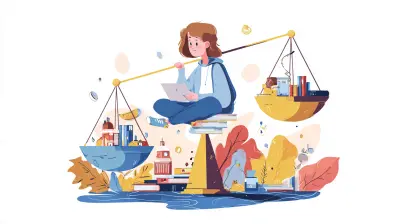
The Impact of Policy on Special Education Programs
12 February 2026
Special education is one of those areas in education that’s surrounded by rules, regulations, and a whole lot of paperwork. But there’s a solid reason for that—policies literally shape the experiences that students with disabilities have in school. From what services they get, to how they’re taught, to even whether they’re included in regular classrooms—all of that boils down to policy. Let’s dive into how policies affect special education programs and why that matters more than many people realize.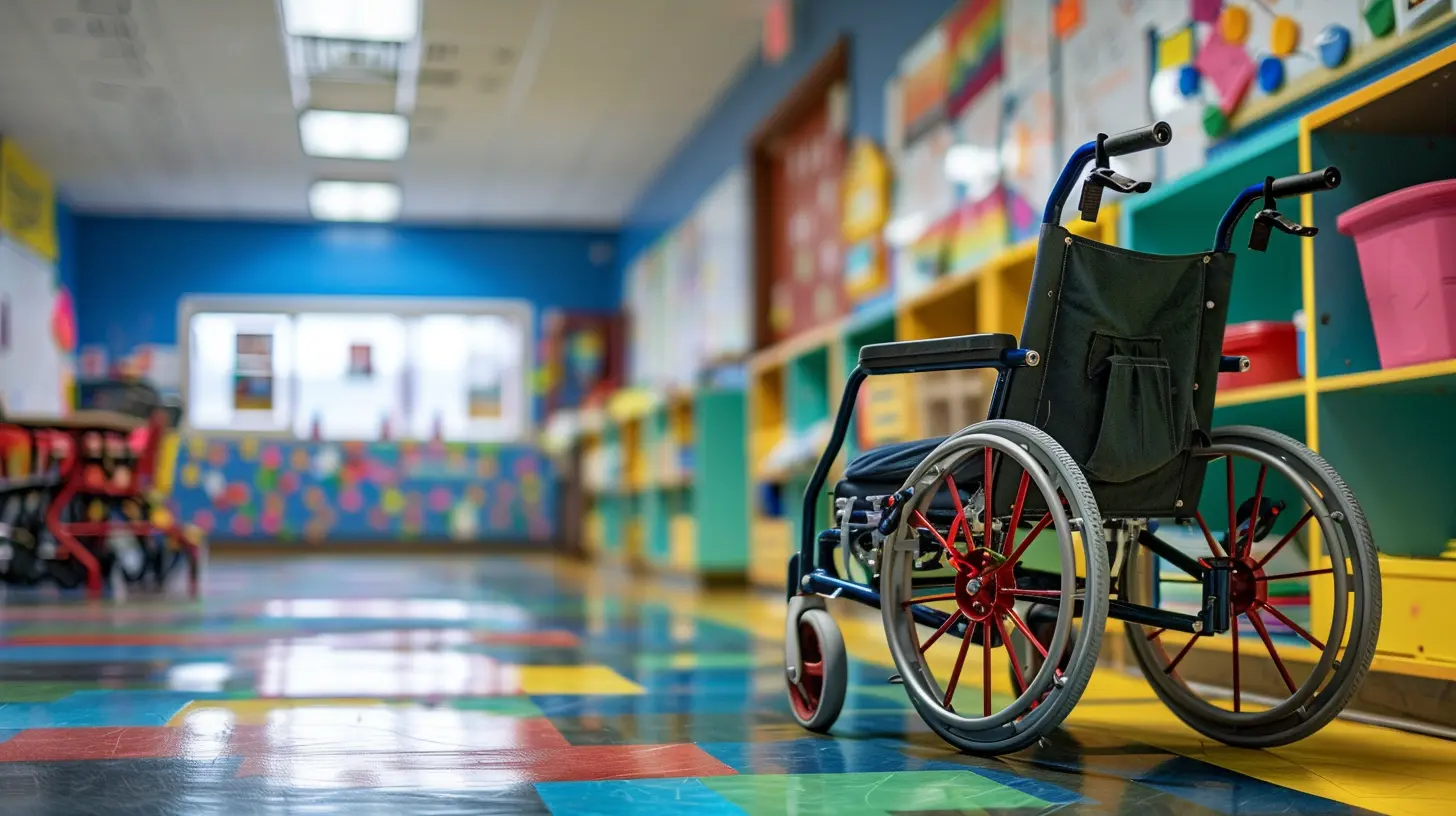
Why Special Education Needs Policy
Think of policy as the backbone of special education. Without it, things would be chaotic. Students who need support might fall through the cracks, schools might not be held accountable, and parents could be left confused and frustrated. Policies set expectations. They tell schools what they must do—and what they can’t ignore.Policies Create a Legal Obligation
When we talk about policies, we're not just talking about guidelines. Many of the policies related to special education are legal mandates. That means schools are required to follow them. The Individuals with Disabilities Education Act (IDEA), for instance, isn't just a suggestion—it’s federal law.Ensuring Fair Access for All Students
Policies ensure that students with disabilities have access to the same education as everyone else. This is about leveling the playing field. Without laws like IDEA or Section 504 of the Rehabilitation Act, many students wouldn't even get into the classroom, let alone receive accommodations or support.
A Brief Walk Through History
To really appreciate the impact policy has on special education, it helps to understand where we started—and how far we’ve come.Before the 1970s
Believe it or not, before the 1970s, kids with disabilities were often excluded from public schools. Yep, just left out entirely. Many parents had to homeschool or rely on private institutions, if they had access at all.The Game-Changer: IDEA
In 1975, Public Law 94-142 was passed, which later became known as the Individuals with Disabilities Education Act. This was huge. It basically said: “Hey, schools—you’re required to provide free appropriate public education (FAPE) to students with disabilities.” That one law opened the door for millions of students.Section 504 and the ADA
While IDEA focuses specifically on education, Section 504 of the Rehabilitation Act (1973) and the Americans with Disabilities Act (ADA, 1990) broadened civil rights across the board—including schools. These policies made sure that students with disabilities couldn't be discriminated against in any public or federally-funded place.
Key Policies That Shape Special Education Today
There are a bunch of policies that continue to influence how special education is delivered in schools. Let’s break down the most influential ones.Individuals with Disabilities Education Act (IDEA)
Arguably, this is the cornerstone of special education policy in the U.S. It ensures:- Free Appropriate Public Education (FAPE)
- Individualized Education Programs (IEPs)
- Least Restrictive Environment (LRE)
- Parental involvement and procedural safeguards
What does this mean in plain language? Every student with a qualifying disability gets a personalized learning plan, a chance to be in a regular classroom as much as possible, and their parents have a say in the whole process.
Section 504 of the Rehabilitation Act
This one's like IDEA’s quieter sibling. It’s less specific about the type of services but ensures that students with disabilities aren’t discriminated against inside or outside the classroom. If a kid doesn’t qualify for an IEP, they might still get help via a 504 Plan.Every Student Succeeds Act (ESSA)
Though not specifically about special education, ESSA (signed in 2015) affects all students. It emphasizes accountability and data to ensure all students—including those in special ed—are making progress. It pushed schools to include students with disabilities in state-wide assessments and report those results.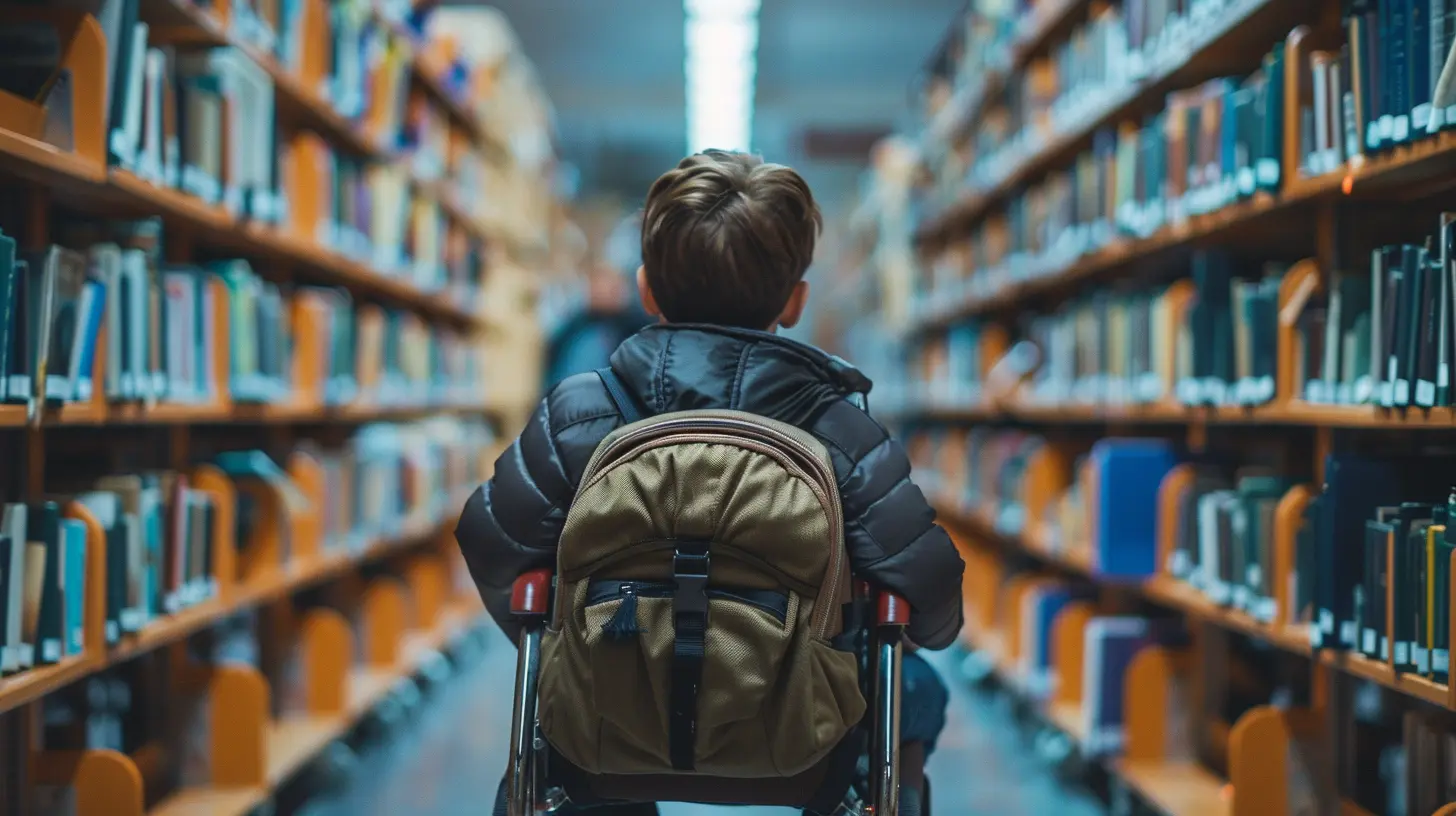
The Real-World Impact of Policy on Students and Teachers
Now let’s get practical. How do these policies actually affect day-to-day life in classrooms?More Inclusive Classrooms
Thanks to the LRE requirement in IDEA, more students with disabilities are learning alongside their peers. That’s not just feel-good fluff. Inclusive classrooms can help break down stigma, build empathy, and improve outcomes for everyone involved.Access to Services and Supports
Speech therapy? Occupational therapy? Specialized reading programs? Aides in the classroom? Policies ensure these supports exist—and more importantly, that students actually receive them.Teacher Training and Workload
Here’s something people don’t talk about enough—special education teachers often juggle a ton of responsibilities. From writing IEPs to collaborating with general ed teachers to managing behavior plans… it's a lot. Policies outline what they’re supposed to do, but sometimes fall short in giving them the training and support they need to do it well.Empowering Parents
Policy doesn't just empower schools—it gives parents rights too. They can attend IEP meetings, question decisions, and even request evaluations. In a way, parents become advocates, and policies ensure their voices are heard.The Challenges of Applying Policy in the Real World
While policies are essential, applying them is easier said than done.Funding Gaps
Here’s the catch: IDEA was meant to be federally funded up to 40% of the extra cost of educating students with disabilities. But in reality? It's more like 15%. That shortfall leaves states and local districts scrambling to fill the gaps—often without much success.Overworked Staff and Limited Resources
Educators sometimes feel like they’re playing a game of catch-up. They know what policies require, but they don’t always have the time, tools, or support to follow through perfectly. Burnout is real.Inconsistent Implementation
Not every school or district interprets the law the same way. One school might provide amazing services, while another might do the bare minimum. That's a problem, especially when you consider how much is at stake for students who rely on these supports.How Policy Trends Are Shaping the Future of Special Ed
Policies evolve over time, and recent trends are changing the landscape of special education yet again.Technology and Accessibility
New guidelines are pushing schools to adopt more technology—not just for general classroom use, but to assist students with disabilities. Think speech-to-text tools, audio books, or communication devices for nonverbal students. It’s policy that drives funding and support for these tech innovations.Focus on Early Intervention
More policies are zeroing in on early identification and support. Why? Because the earlier the help, the better the outcome. The Individuals with Disabilities Education Act Part C, for instance, offers support from birth to age three. More states are investing in pre-K programs with built-in special ed services.Mental Health and Emotional Support
With rising awareness of things like anxiety, ADHD, and trauma, policies are starting to stretch beyond just academics. Emotional and behavioral supports are becoming increasingly important, and schools are expected to respond accordingly.What Needs to Change?
Policies have come a long way, but they’re not perfect. Here’s what experts (and educators) say needs improving:Fully Fund Special Education
This is the big one. If IDEA was funded at its promised level, schools could hire more staff, buy better resources, and actually meet every student’s needs. This isn’t just a money issue—it’s a moral one.Streamline Paperwork and Regulation
Teachers need more time with students, not more time with forms. Policy should aim to reduce unnecessary bureaucracy so educators can focus on teaching, not just compliance.Address Equity in Access
Race, income level, and geographic location still play a role in how well students with disabilities are supported. That’s a tough truth. Policies must work harder to close these equity gaps.Wrap-Up: Why Policy Matters More Than Ever
At the end of the day, policy isn’t just some abstract thing happening in government offices—it directly affects how students with disabilities experience school. It shapes their opportunities, the type of support they get, and even how they're perceived by teachers and peers.If we want to build an education system that's truly inclusive—where every student, regardless of ability, feels valued and supported—then strong, thoughtful, and well-implemented policy is non-negotiable.
So the next time you hear about a new education law or funding bill, don’t just scroll past it. It might be a game-changer for millions of students across the country.
all images in this post were generated using AI tools
Category:
Education PolicyAuthor:

Monica O`Neal
Discussion
rate this article
2 comments
Zaylee Hernandez
While policies shape special education programs, their effectiveness often hinges on implementation fidelity and resource allocation. A critical examination of these factors is essential to ensure equitable outcomes for all students with disabilities.
March 22, 2026 at 12:37 PM
Monica O`Neal
Thank you for your insightful comment! I completely agree that successful implementation and adequate resources are crucial for realizing the potential of special education policies. Your emphasis on these factors highlights the need for ongoing evaluation and adjustment to achieve equitable outcomes.
Solenne McGeehan
This article effectively highlights how policy decisions shape special education programs, influencing funding, accessibility, and support services. Understanding these impacts is crucial for advocating for effective educational reforms.
February 14, 2026 at 12:15 PM
Monica O`Neal
Thank you for your insights. I'm glad you found the article highlights important issues in special education policy. Your advocacy for reform is vital.